Wood sound panels are rapidly gaining recognition as a crucial element in modern acoustic design, offering a blend of functionality and aesthetic appeal. Globally, there’s an increasing demand for spaces that prioritize both sound quality and visual harmony, particularly in commercial, educational, and healthcare settings. Understanding the principles and applications of wood sound panel systems is no longer just for acousticians; it’s becoming essential for architects, interior designers, and anyone involved in creating comfortable and productive environments. wood sound panel offers a sustainable and effective solution.
The growing urbanization and open-plan office designs contribute significantly to noise pollution, impacting productivity, well-being, and even health. This necessitates innovative solutions to manage reverberation and sound transmission. The market for acoustic materials is expanding exponentially, with wood sound panel emerging as a preferred choice due to its natural beauty, environmental benefits, and excellent acoustic performance. Data from organizations like ISO and the World Bank indicates a growing focus on indoor environmental quality.
The versatility of wood sound panel allows for integration into a wide range of design schemes, from minimalist contemporary spaces to traditional interiors. Choosing the right wood sound panel system can significantly enhance the user experience, reduce stress levels, and improve overall environmental sustainability, establishing it as an essential consideration in modern building practices.


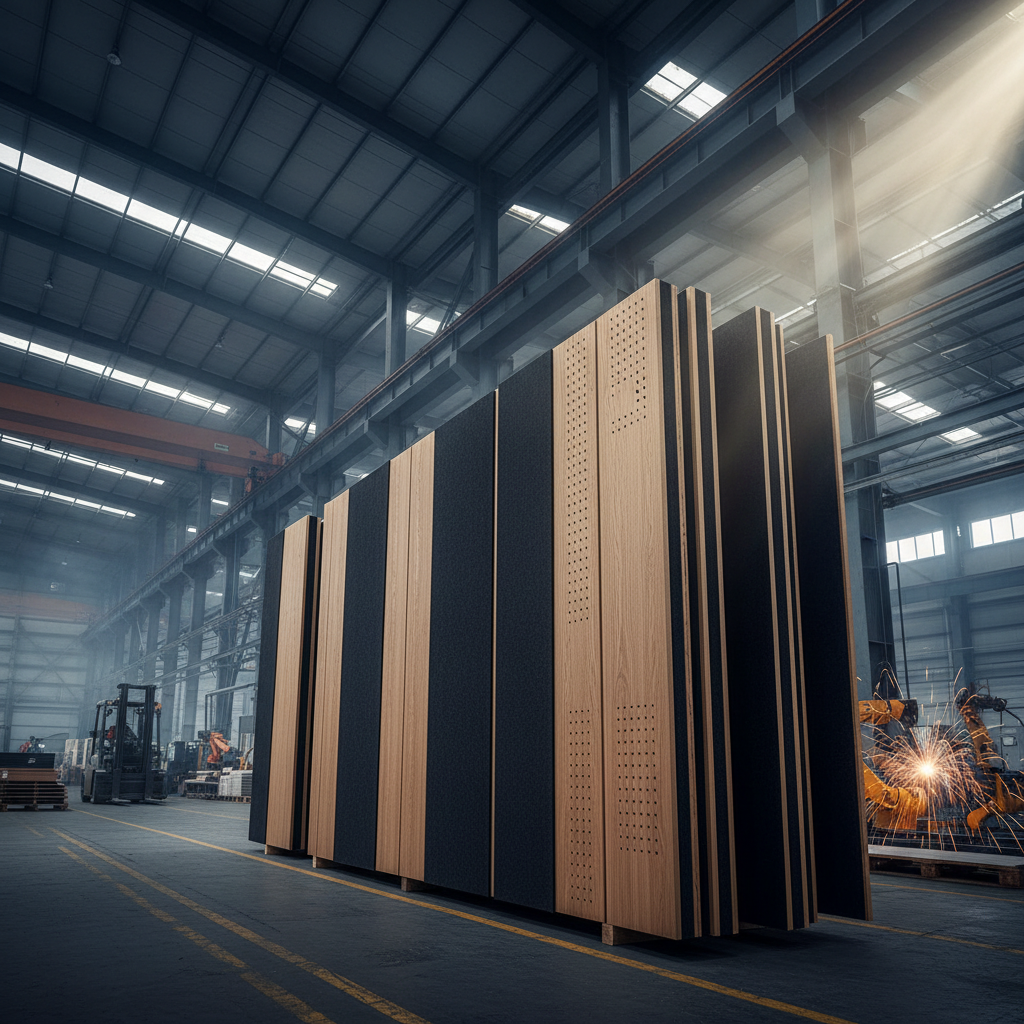
Wood sound panels represent a sophisticated approach to acoustic management, combining the inherent warmth and beauty of wood with advanced sound-absorbing technologies. These panels are engineered to reduce noise reverberation, enhance speech intelligibility, and create more comfortable and productive spaces. The appeal stems from the blend of aesthetics and functionality, making them a versatile solution for diverse interior designs. wood sound panel solutions are becoming increasingly popular.
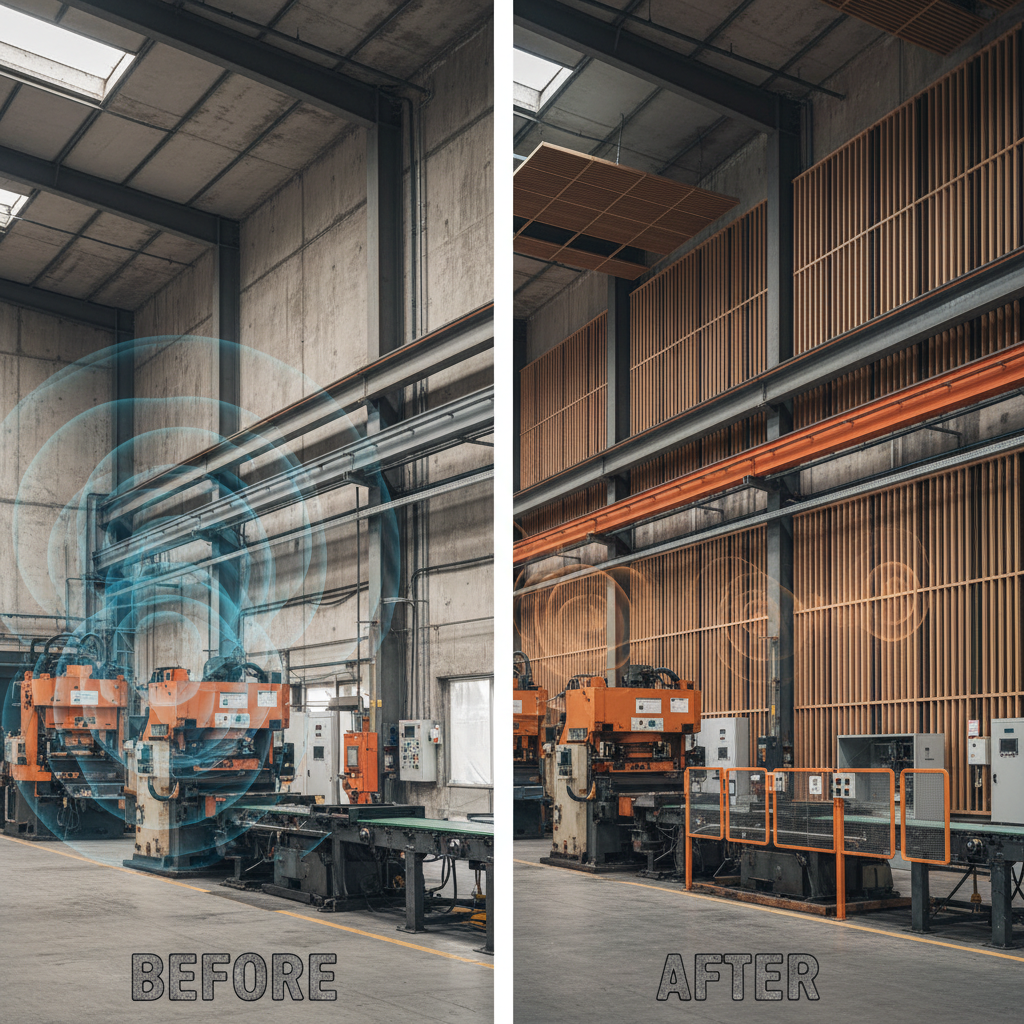
The effectiveness of wood sound panels lies in their ability to absorb sound energy, converting it into negligible heat. This is achieved through the careful selection of wood species, panel thickness, and perforation patterns. Unlike traditional soundproofing materials, wood sound panel offers a visually appealing alternative that seamlessly integrates into the architectural design while addressing critical acoustic concerns.
While both aim to absorb sound, wood sound panels offer a significant aesthetic advantage over acoustic foam, which can often appear industrial or unsightly. Wood sound panels provide a warmer, more natural look and feel. Moreover, wood panels can be crafted from sustainable materials, making them a more environmentally friendly choice than some foam alternatives. The composition of the core also varies, offering tailored absorption characteristics.
The perforation pattern is crucial. Larger, more frequent perforations generally allow for greater sound absorption, especially at higher frequencies. The shape of the perforations – holes, slots, or grooves – also influences the frequency range at which the panel is most effective. Designers carefully calculate these patterns to target specific acoustic problems within a space.
Standard wood panels can be susceptible to moisture damage in high-humidity environments. However, many manufacturers offer wood sound panels treated with moisture-resistant coatings or constructed from water-resistant wood species like teak or cedar. Proper ventilation is also vital to prevent moisture buildup.
With proper installation and regular maintenance – including occasional cleaning and addressing any minor damage – a high-quality wood sound panel can last for 20-30 years or even longer. The lifespan depends on the wood species, core material, and the environmental conditions of the installation location.
The appropriate thickness depends on the size of the space, the existing noise levels, and the desired level of sound absorption. Generally, larger spaces and louder environments require thicker panels. An acoustic consultant can perform a noise assessment and recommend the optimal panel thickness and configuration.
Many wood sound panels are treated with fire-retardant coatings to meet building safety standards. The level of fire resistance will vary depending on the specific treatment and the panel’s construction. It’s crucial to ensure that any wood sound panel used complies with local fire codes and regulations.
Wood sound panels represent a powerful convergence of acoustic science, sustainable materials, and aesthetic design. Their ability to improve sound quality, enhance interior spaces, and contribute to a healthier environment makes them an increasingly vital component of modern architecture and interior design. From offices and classrooms to restaurants and recording studios, these panels are transforming the way we experience sound.
Looking ahead, continued innovation in materials, fabrication techniques, and smart technology integration will unlock even greater potential for wood sound panels. Embracing these advancements will ensure that we can create spaces that are not only visually stunning but also acoustically optimized for productivity, well-being, and overall quality of life. For more information and to explore our range of wood sound panel solutions, visit our website: www.ytakupanel.com



 Afrikaans
 Albanian
 Amharic
 Arabic
 Armenian
 Azerbaijani
 Basque
 Belarusian
 Bengali
 Bosnian
 Bulgarian
 Catalan
 Cebuano
 Corsican
 Croatian
 Czech
Czech
 Danish
 Dutch
Dutch
 Esperanto
 Estonian
 Finnish
 French
 Frisian
 Galician
 Georgian
 German
 Greek
Greek
 Gujarati
 Haitian Creole
 Hausa
Hausa
 Hawaiian
 Hebrew
 Hindi
Hindi
 Miao
Miao
 Hungarian
 Icelandic
 Igbo
Igbo
 Indonesian
 Irish
Irish
 Italian
 Japanese
 Javanese
 Kannada
 Kazakh
 Khmer
Khmer
 Rwandese
 Korean
 Kurdish
 Kyrgyz
 Lao
Lao
 Latin
Latin
 Latvian
 Lithuanian
 Luxembourgish
 Macedonian
 Malgashi
 Malay
Malay
 Malayalam
 Maltese
 Maori
Maori
 Marathi
 Mongolian
 Myanmar
 Nepali
 Norwegian
 Norwegian
 Occitan
 Pashto
 Persian
 Polish
 Portuguese
 Punjabi
 Romanian
 Russian
 Samoan
 Scottish Gaelic
 Serbian
 Sesotho
 Shona
Shona
 Sindhi
 Sinhala
 Slovak
 Slovenian
 Somali
 Spanish
 Sundanese
 Swahili
 Swedish
 Tagalog
 Tajik
Tajik
 Tamil
Tamil
 Tatar
Tatar
 Telugu
 Thai
Thai
 Turkish
 Turkmen
 Ukrainian
 Urdu
Urdu
 Uighur
 Uzbek
Uzbek
 Vietnamese
 Welsh
Welsh
 Bantu
Bantu
 Yiddish
 Yoruba
 Zulu
Zulu
 English