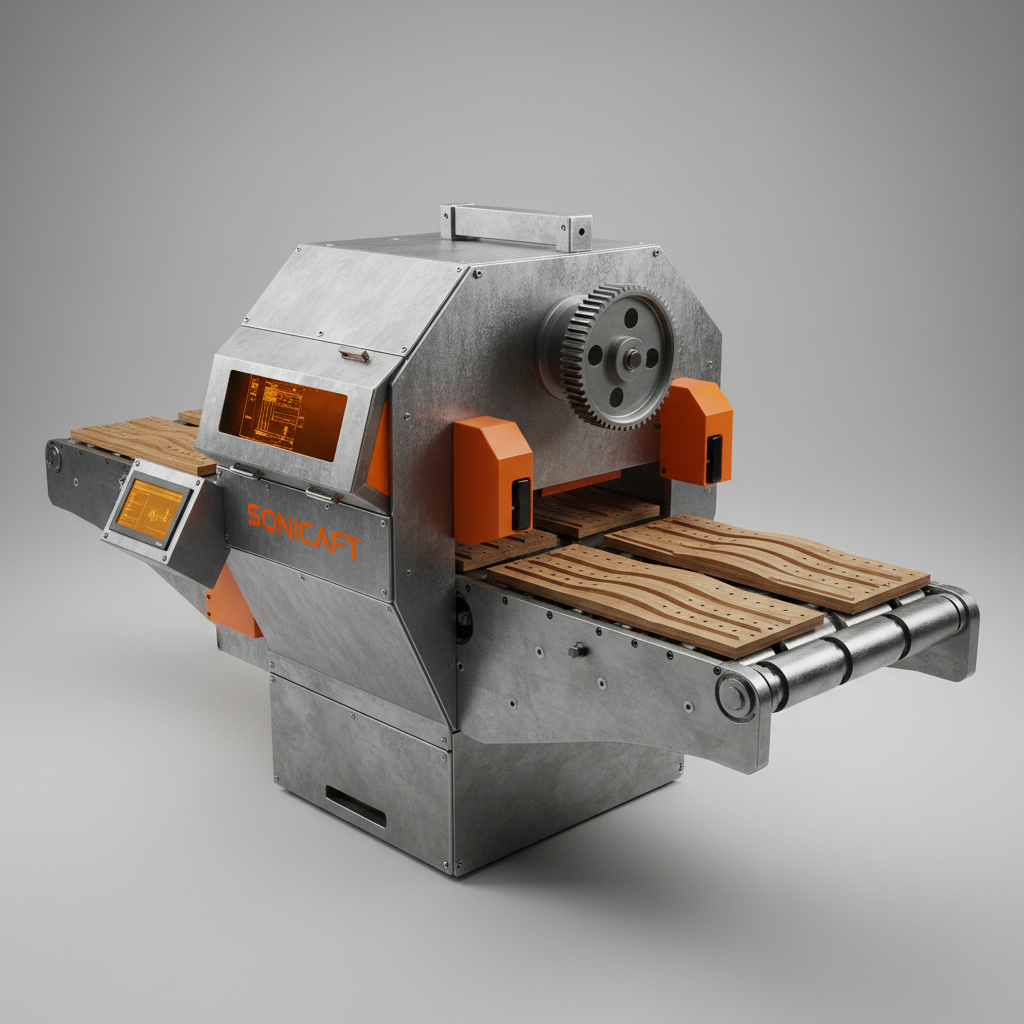
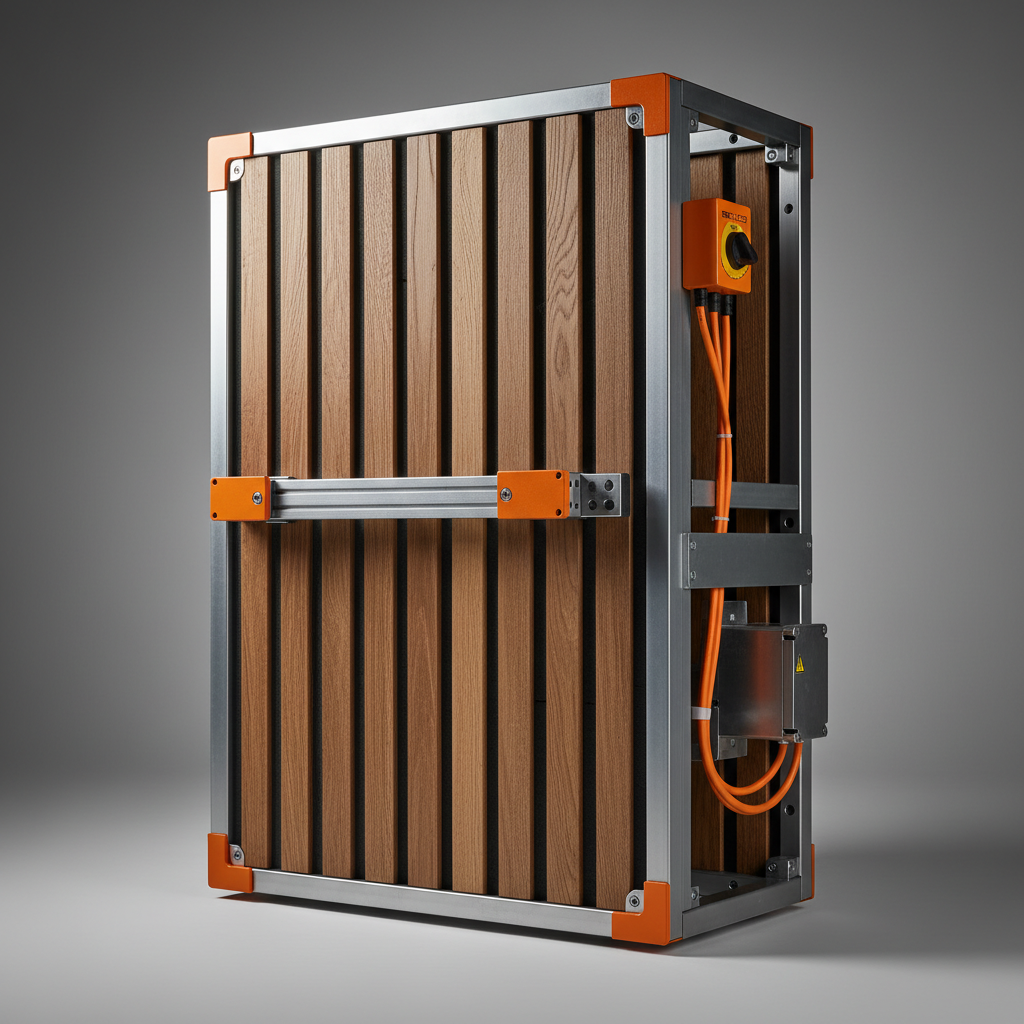
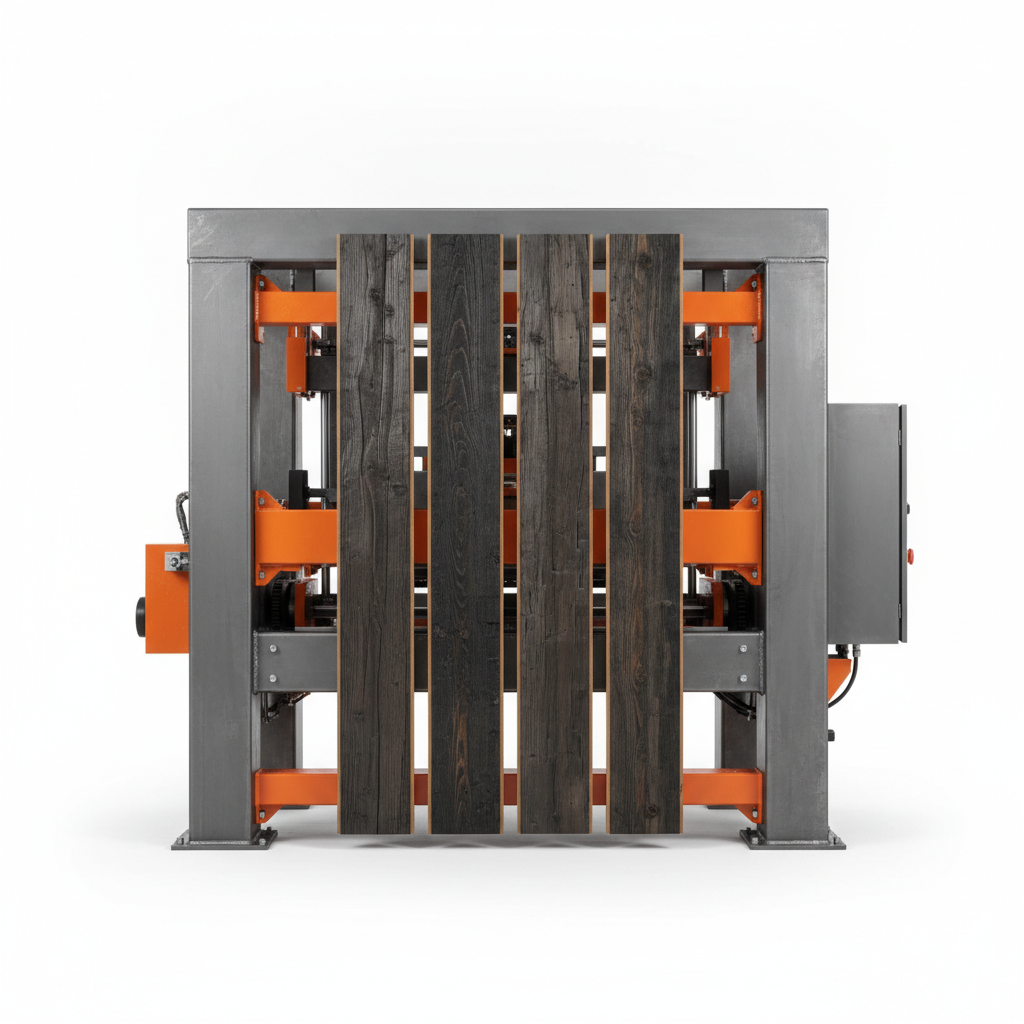
Wood block acoustic panel solutions are gaining prominence globally due to increasing demands for effective noise control in various environments. From bustling urban centers to industrial complexes and sensitive research facilities, the need to mitigate sound pollution is paramount. These panels, often constructed from sustainably sourced wood, offer a versatile and aesthetically pleasing way to improve acoustic comfort and enhance productivity. The benefits extend beyond simply reducing noise levels; they contribute to better speech intelligibility, reduced stress, and improved overall well-being for occupants.
The growing awareness of the detrimental effects of noise pollution on human health and performance is driving the demand for innovative acoustic solutions. Government regulations concerning noise exposure in workplaces and public spaces are becoming increasingly stringent, prompting businesses and organizations to invest in effective soundproofing measures. Wood block acoustic panel systems are increasingly favored due to their balance of performance, cost-effectiveness, and environmental friendliness.
Furthermore, the versatility of wood block acoustic panel design allows for customization to meet specific aesthetic requirements, making them suitable for a wide range of applications – from recording studios and home theaters to offices, schools, and healthcare facilities. Understanding the principles and applications of these panels is therefore crucial for architects, designers, and anyone involved in creating comfortable and functional spaces.


Wood block acoustic panel represent a significant advancement in interior sound management. These panels are crafted by assembling blocks of wood in a way that creates air pockets, which absorb sound waves rather than reflecting them. This unique construction makes them exceptionally effective at reducing reverberation, echo, and overall noise levels within a space. wood block acoustic panel are becoming increasingly popular in a diverse range of settings.
The aesthetic appeal of wood block acoustic panel is another key benefit. Unlike some traditional soundproofing materials, these panels can be incorporated into architectural designs as a visually striking feature. They offer a warm, natural texture and can be customized with different wood species, finishes, and arrangements, allowing architects and designers to integrate acoustic performance seamlessly into their aesthetic vision.
With proper installation and maintenance, wood block acoustic panel can last for 20-30 years or more. The durability of the wood species and the quality of the backing material are key factors influencing lifespan. Regular cleaning and occasional refinishing can extend their service life. They are significantly more durable than many fabric-based alternatives.
Many wood block acoustic panel are treated with fire-retardant coatings to meet building code requirements. The level of fire resistance varies depending on the specific treatment and the wood species used. It’s crucial to verify that the panels meet the necessary fire safety standards for your specific application.
Wood block acoustic panel generally fall within the mid-range of soundproofing material costs. They are typically more expensive than basic fiberglass panels but often less expensive than specialized sound isolation systems. Considering their longevity and aesthetic benefits, they offer a good value for the investment.
While some wood species are naturally more weather-resistant, wood block acoustic panel are generally not recommended for long-term outdoor use without appropriate protection. Exposure to moisture, sunlight, and temperature fluctuations can cause damage and reduce their effectiveness. Specialized outdoor acoustic solutions are available for exterior applications.
Wood block acoustic panel require minimal maintenance. Regular dusting and occasional cleaning with a mild detergent are typically sufficient. Avoid using abrasive cleaners or harsh chemicals. Periodic refinishing may be necessary to maintain their aesthetic appearance over time.
The NRC of wood block acoustic panel typically ranges from 0.7 to 0.9, depending on the design and materials used. This indicates that they can absorb 70% to 90% of the sound energy that strikes their surface, making them highly effective at reducing noise and reverberation.
In conclusion, wood block acoustic panel represent a compelling solution for addressing the growing global challenge of noise pollution. Their blend of acoustic performance, aesthetic versatility, sustainability, and cost-effectiveness makes them an increasingly popular choice for a wide range of applications. From enhancing productivity in workplaces to creating calming environments in homes and improving learning experiences in schools, these panels offer tangible benefits for individuals and communities.
Looking ahead, continued innovation in materials, manufacturing processes, and smart technology integration will further enhance the capabilities of wood block acoustic panel. Investing in these solutions not only improves acoustic comfort but also contributes to a healthier, more sustainable, and more productive future. To explore the possibilities of wood block acoustic panel for your project, visit our website: www.ytakupanel.com

 Afrikaans
 Albanian
 Amharic
 Arabic
 Armenian
 Azerbaijani
 Basque
 Belarusian
 Bengali
 Bosnian
 Bulgarian
 Catalan
 Cebuano
 Corsican
 Croatian
 Czech
Czech
 Danish
 Dutch
Dutch
 Esperanto
 Estonian
 Finnish
 French
 Frisian
 Galician
 Georgian
 German
 Greek
Greek
 Gujarati
 Haitian Creole
 Hausa
Hausa
 Hawaiian
 Hebrew
 Hindi
Hindi
 Miao
Miao
 Hungarian
 Icelandic
 Igbo
Igbo
 Indonesian
 Irish
Irish
 Italian
 Japanese
 Javanese
 Kannada
 Kazakh
 Khmer
Khmer
 Rwandese
 Korean
 Kurdish
 Kyrgyz
 Lao
Lao
 Latin
Latin
 Latvian
 Lithuanian
 Luxembourgish
 Macedonian
 Malgashi
 Malay
Malay
 Malayalam
 Maltese
 Maori
Maori
 Marathi
 Mongolian
 Myanmar
 Nepali
 Norwegian
 Norwegian
 Occitan
 Pashto
 Persian
 Polish
 Portuguese
 Punjabi
 Romanian
 Russian
 Samoan
 Scottish Gaelic
 Serbian
 Sesotho
 Shona
Shona
 Sindhi
 Sinhala
 Slovak
 Slovenian
 Somali
 Spanish
 Sundanese
 Swahili
 Swedish
 Tagalog
 Tajik
Tajik
 Tamil
Tamil
 Tatar
Tatar
 Telugu
 Thai
Thai
 Turkish
 Turkmen
 Ukrainian
 Urdu
Urdu
 Uighur
 Uzbek
Uzbek
 Vietnamese
 Welsh
Welsh
 Bantu
Bantu
 Yiddish
 Yoruba
 Zulu
Zulu
 English