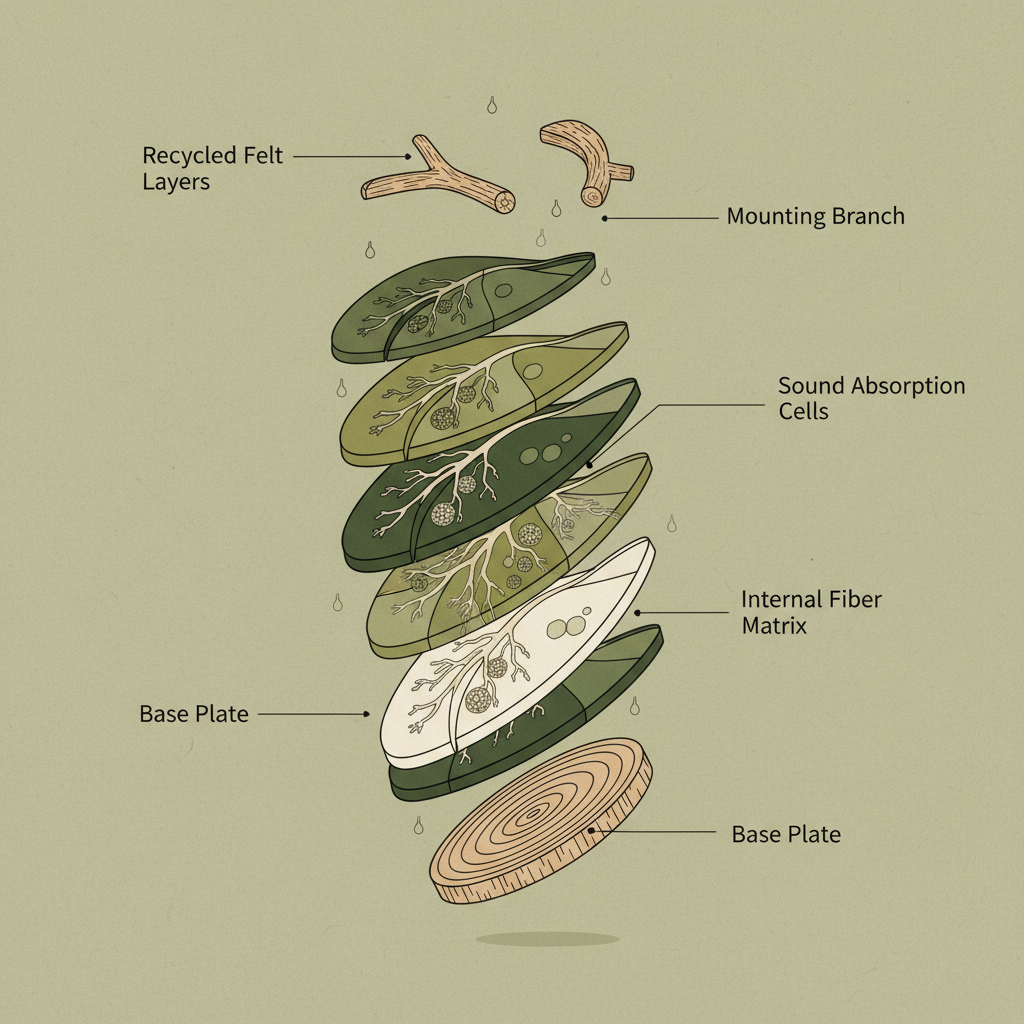
Wood for acoustic panels is rapidly gaining prominence in modern architectural and interior design. Its ability to effectively manage sound reverberation, coupled with its aesthetic appeal and sustainable sourcing options, makes it a compelling alternative to traditional acoustic treatments. Globally, there’s a growing demand for spaces designed with improved acoustics – from concert halls and recording studios to open-plan offices and educational institutions. Understanding the nuances of utilizing wood for these applications is crucial for architects, designers, and building owners alike.
The relevance of wood in acoustic design extends beyond mere sound control. It directly impacts well-being, productivity, and the overall user experience within a space. With increasing awareness of the detrimental effects of noise pollution, particularly in urban environments, the need for effective acoustic solutions is paramount. Innovations in wood processing and panel construction are constantly expanding the possibilities, offering tailored solutions for a diverse range of acoustic challenges. The use of wood offers a naturally renewable and aesthetically pleasing solution.
Beyond aesthetics, the choice of wood impacts the functional performance of acoustic panels. Different wood species and panel constructions affect sound absorption coefficients and overall acoustic performance. Careful selection, combined with expert installation, is vital to achieve optimal results, creating spaces that are both visually appealing and acoustically comfortable. This increasingly important field addresses both performance and environmental consciousness.

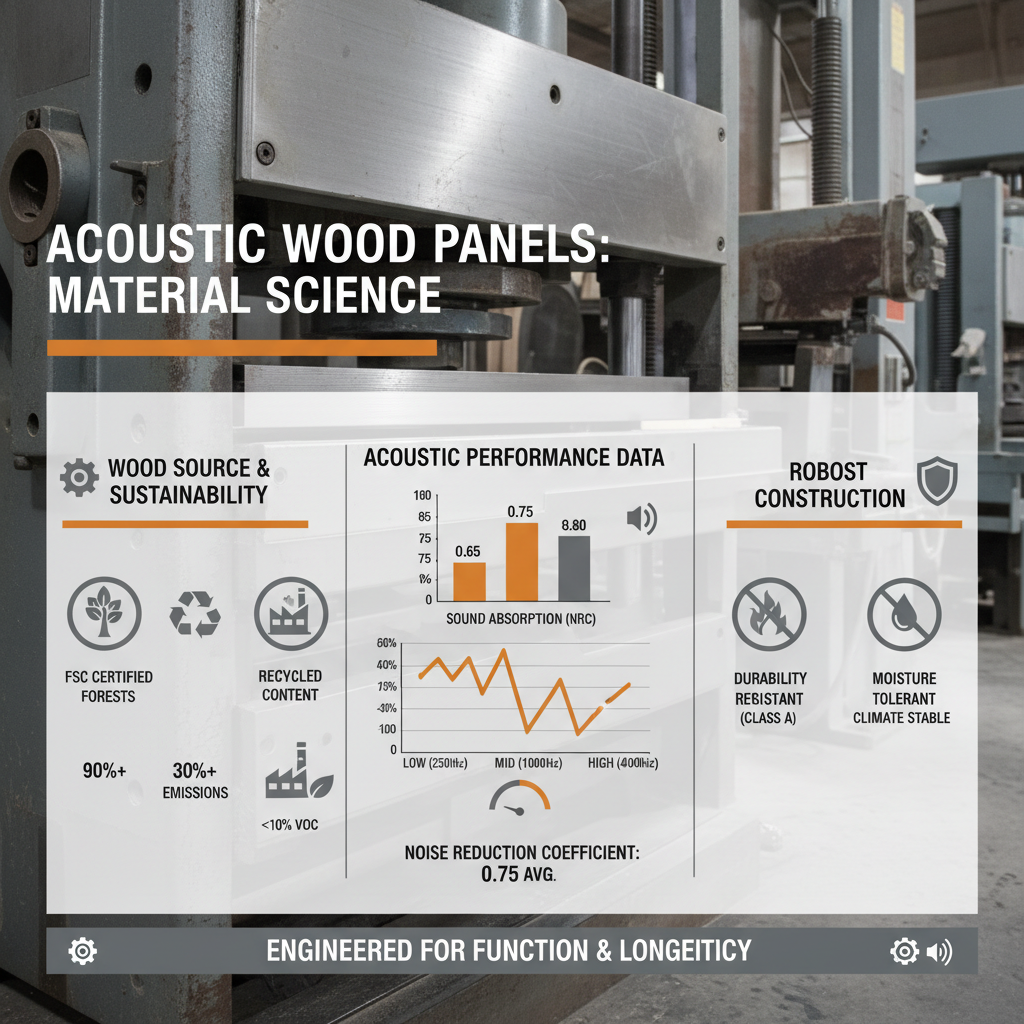
The global construction industry is witnessing a surge in demand for effective acoustic solutions, driven by increasingly stringent building codes and a heightened awareness of the impact of noise on human health and productivity. Wood, with its inherent sound-absorbing properties, offers a natural and sustainable solution to this growing challenge. According to a 2023 report by the UN Environment Programme, sustainable building materials are crucial in reducing the construction industry’s carbon footprint, aligning perfectly with the benefits of using responsibly sourced wood.
This demand isn’t limited to commercial buildings; residential construction is also experiencing a shift towards quieter, more comfortable living spaces. Open-plan designs, popular for their modern aesthetic, often suffer from excessive reverberation, making acoustic panels essential. The World Bank estimates that improved indoor environmental quality, including acoustics, can lead to a 5-10% increase in worker productivity. Therefore, investing in effective acoustic solutions, like those utilizing wood, is a sound economic decision.
Wood acoustic panels offer a compelling blend of aesthetic appeal, sustainability, and performance. Compared to fiberglass, wood is a renewable resource with a lower embodied carbon footprint. It also adds warmth and natural beauty to interior spaces, while fiberglass can often appear sterile. While fiberglass may offer slightly higher sound absorption in certain frequency ranges, wood panels can achieve comparable performance with proper design and construction. Furthermore, wood is generally considered safer in terms of off-gassing and potential health effects.
Different wood species possess varying densities and porosities, which directly influence their acoustic properties. Denser hardwoods, like oak and maple, tend to perform better at lower frequencies, effectively absorbing bass tones. Softer woods, such as pine and cedar, are more effective at absorbing higher frequencies, reducing echoes and reverberation. The ideal wood choice depends on the specific acoustic requirements of the space. Often, a combination of wood species is used to achieve a balanced acoustic profile.
Wood is susceptible to moisture absorption, which can affect its dimensional stability and acoustic performance. However, with proper treatment and sealing, wood acoustic panels can be used in high-humidity environments. Applying a moisture-resistant coating, such as a polyurethane or varnish, protects the wood from water damage. Furthermore, selecting wood species known for their natural resistance to decay and mold, like cedar or redwood, can enhance their suitability for humid conditions.
The lifespan of wood acoustic panels can vary depending on the quality of materials, installation, and environmental conditions. With proper care and maintenance, well-constructed panels can last for 20-30 years or even longer. Regular cleaning and occasional re-sealing can help protect the wood from damage and maintain its acoustic performance. Avoiding exposure to direct sunlight and extreme temperature fluctuations can also extend their lifespan.
While wood is combustible, it can be treated to improve its fire resistance. Applying fire-retardant coatings can significantly reduce the spread of flames and smoke. These coatings do not eliminate the risk of fire entirely, but they provide valuable time for evacuation and fire suppression. It’s crucial to ensure that any fire-retardant treatment meets relevant building codes and safety standards.
The optimal thickness of wood acoustic panels depends on the frequencies you need to absorb. Thicker panels generally perform better at lower frequencies, while thinner panels are more effective at higher frequencies. A professional acoustic consultant can assess your space and recommend the appropriate thickness and configuration of panels to achieve your desired acoustic goals. Factors such as room size, shape, and intended use will all influence the recommendation.
In conclusion, wood for acoustic panels represents a powerful combination of aesthetic appeal, functional performance, and sustainability. As we’ve explored, its inherent properties, coupled with innovative manufacturing techniques, make it an increasingly viable solution for controlling noise pollution and creating comfortable, productive environments. From concert halls to offices to homes, wood acoustic panels are transforming the way we experience sound.
Looking ahead, continued research and development will unlock even greater potential for wood in acoustic design. Embracing sustainable forestry practices, exploring new wood composites, and integrating smart technologies will pave the way for a future where wood plays an even more significant role in creating healthier, quieter, and more inspiring spaces. Visit our website at www.ytakupanel.com to learn more about how we can help you achieve your acoustic goals.

 Afrikaans
 Albanian
 Amharic
 Arabic
 Armenian
 Azerbaijani
 Basque
 Belarusian
 Bengali
 Bosnian
 Bulgarian
 Catalan
 Cebuano
 Corsican
 Croatian
 Czech
Czech
 Danish
 Dutch
Dutch
 Esperanto
 Estonian
 Finnish
 French
 Frisian
 Galician
 Georgian
 German
 Greek
Greek
 Gujarati
 Haitian Creole
 Hausa
Hausa
 Hawaiian
 Hebrew
 Hindi
Hindi
 Miao
Miao
 Hungarian
 Icelandic
 Igbo
Igbo
 Indonesian
 Irish
Irish
 Italian
 Japanese
 Javanese
 Kannada
 Kazakh
 Khmer
Khmer
 Rwandese
 Korean
 Kurdish
 Kyrgyz
 Lao
Lao
 Latin
Latin
 Latvian
 Lithuanian
 Luxembourgish
 Macedonian
 Malgashi
 Malay
Malay
 Malayalam
 Maltese
 Maori
Maori
 Marathi
 Mongolian
 Myanmar
 Nepali
 Norwegian
 Norwegian
 Occitan
 Pashto
 Persian
 Polish
 Portuguese
 Punjabi
 Romanian
 Russian
 Samoan
 Scottish Gaelic
 Serbian
 Sesotho
 Shona
Shona
 Sindhi
 Sinhala
 Slovak
 Slovenian
 Somali
 Spanish
 Sundanese
 Swahili
 Swedish
 Tagalog
 Tajik
Tajik
 Tamil
Tamil
 Tatar
Tatar
 Telugu
 Thai
Thai
 Turkish
 Turkmen
 Ukrainian
 Urdu
Urdu
 Uighur
 Uzbek
Uzbek
 Vietnamese
 Welsh
Welsh
 Bantu
Bantu
 Yiddish
 Yoruba
 Zulu
Zulu
 English