Wood up acoustic panels are rapidly gaining prominence as a sophisticated solution for noise control and aesthetic enhancement in a diverse range of environments. From bustling commercial spaces to intimate home theaters, these panels offer a versatile and sustainable alternative to traditional soundproofing materials. Understanding their properties and applications is increasingly important in a world where acoustic comfort and design harmony are highly valued.
The global demand for effective sound management is driven by factors like increasing urbanization, open-plan office designs, and a growing awareness of the impact of noise pollution on health and productivity. According to the World Health Organization, excessive noise can lead to sleep disturbances, cardiovascular problems, and even cognitive impairment. Wood up acoustic panels address these concerns by providing an elegant and efficient means of absorbing sound waves, creating quieter and more functional spaces.
Furthermore, the eco-friendly nature of wood up acoustic panels – often utilizing sustainably sourced wood and natural fibers – aligns with a global shift towards environmentally conscious building practices. This makes them a compelling choice for projects seeking LEED certification or simply aiming to minimize their environmental footprint. The benefits extend beyond mere sound absorption, encompassing aesthetics, sustainability, and improved well-being.


Wood up acoustic panels represent a significant advancement in interior sound control, moving beyond traditional bulky and often aesthetically unpleasing solutions. These panels are designed to integrate seamlessly into modern architectural designs while delivering exceptional acoustic performance. They cater to a wide spectrum of needs, from enhancing speech intelligibility in conference rooms to creating immersive experiences in home theaters.
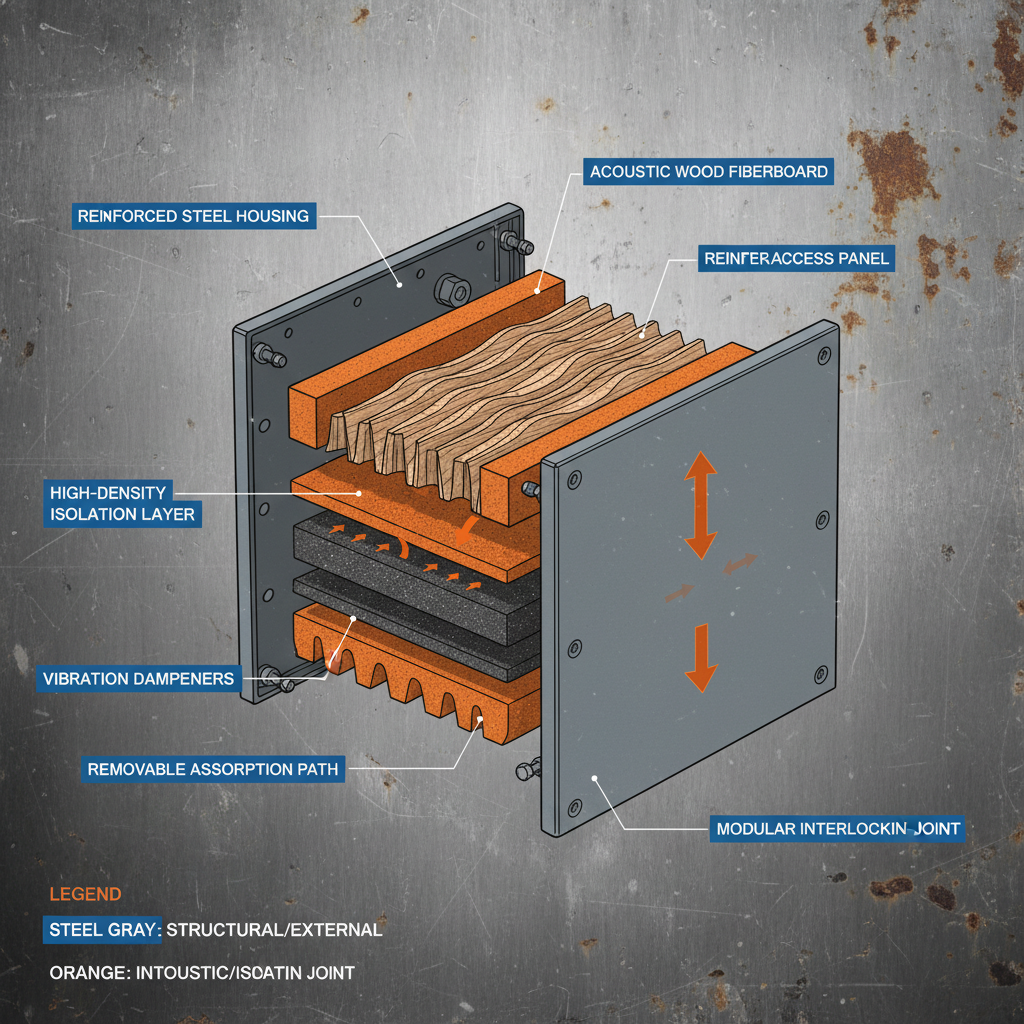
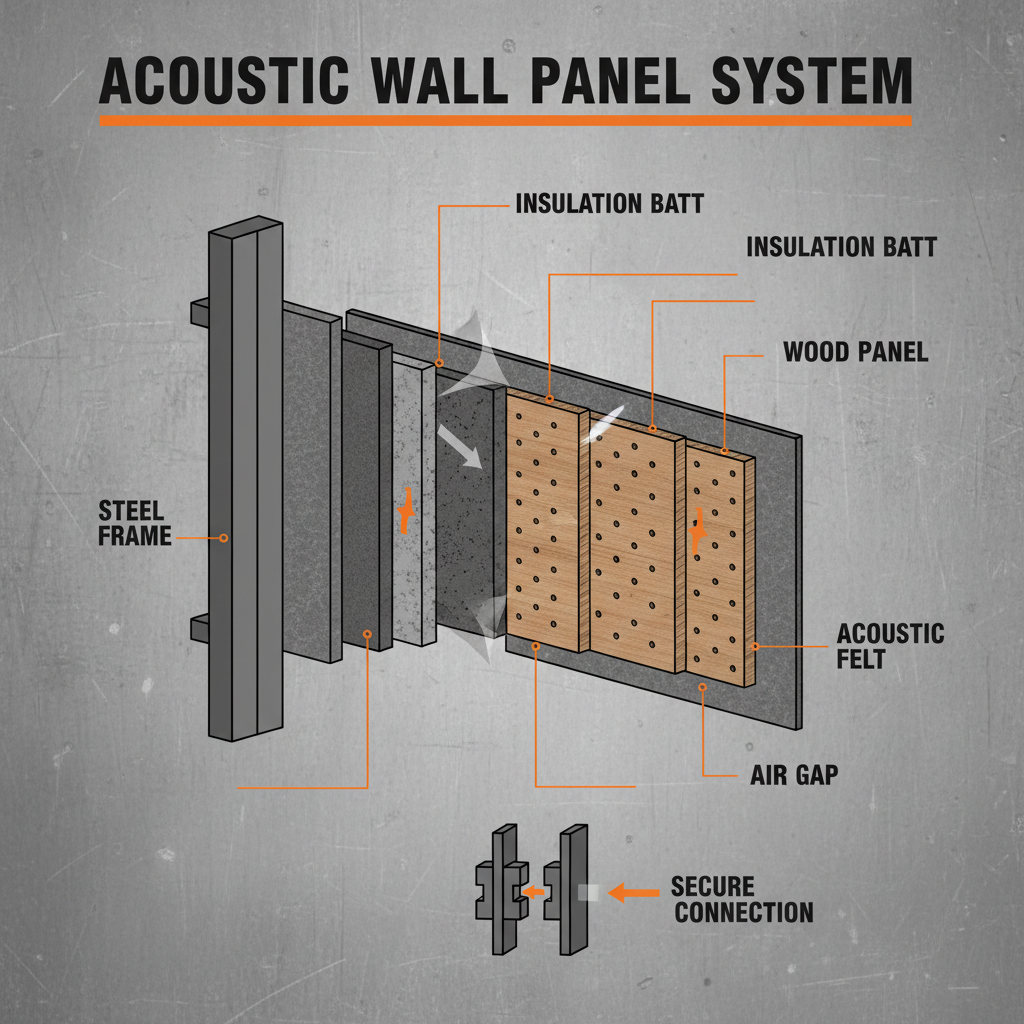
The effectiveness of wood up acoustic panels stems from their ability to absorb sound energy, reducing reverberation and echo. This is achieved through a combination of material properties and design features, such as perforated surfaces and strategically placed air gaps. Furthermore, the use of wood as a primary material lends a natural warmth and aesthetic appeal that complements a variety of interior styles, making them a popular choice for architects and designers alike.
The lifespan of wood up acoustic panels varies depending on the quality of materials and the environment, but generally ranges from 10 to 25 years with proper care. High-quality panels constructed from durable wood and fabrics, and protected from excessive moisture or physical damage, will last considerably longer. Regular cleaning and maintenance, such as vacuuming or spot cleaning, can further extend their lifespan.
Many wood up acoustic panels are treated with fire-retardant coatings to meet building codes and safety standards. The level of fire resistance varies depending on the specific treatment and the panel’s construction. It's crucial to select panels that have been tested and certified by recognized organizations like UL or ASTM to ensure they meet the required fire safety regulations for your application.
Calculating the required number of panels involves considering the room’s size, shape, existing sound absorption, and desired acoustic performance. Online calculators and acoustic consultants can provide precise recommendations. A general guideline is to cover at least 20-30% of the wall or ceiling surface with acoustic panels to achieve noticeable improvement. However, complex spaces may require more extensive coverage.
While some panels are designed for DIY installation, professional installation is often recommended to ensure optimal performance and a clean finish. Proper installation requires accurate measurements, secure mounting, and attention to detail. Incorrect installation can compromise the panel’s acoustic effectiveness and even create safety hazards.
Wood up acoustic panels generally offer superior acoustic performance and aesthetic appeal compared to foam panels. While foam panels are affordable, they often have lower NRC ratings and can degrade over time. Wood up acoustic panels provide a more durable, sustainable, and visually appealing solution, offering a better long-term investment.
Wood up acoustic panels require minimal maintenance. Regular dusting or vacuuming with a soft brush attachment is typically sufficient to remove dust and debris. Spot cleaning may be necessary to address spills or stains, using a mild detergent and a damp cloth. Avoid using harsh chemicals or abrasive cleaners, as these can damage the fabric or veneer.
In conclusion, wood up acoustic panels represent a versatile, sustainable, and aesthetically pleasing solution for a wide range of sound control challenges. Their ability to enhance acoustic comfort, improve productivity, and create more inviting spaces makes them an increasingly valuable asset in modern architectural design. The combination of performance, durability, and environmental responsibility positions them as a superior choice compared to traditional soundproofing materials.
Looking ahead, continued innovation in materials, manufacturing techniques, and integration with smart building technologies will further expand the possibilities for wood up acoustic panels. We encourage you to explore the benefits of these panels for your next project and experience the transformative impact of optimized acoustics. Visit our website to learn more and discuss your specific needs.

 Afrikaans
 Albanian
 Amharic
 Arabic
 Armenian
 Azerbaijani
 Basque
 Belarusian
 Bengali
 Bosnian
 Bulgarian
 Catalan
 Cebuano
 Corsican
 Croatian
 Czech
Czech
 Danish
 Dutch
Dutch
 Esperanto
 Estonian
 Finnish
 French
 Frisian
 Galician
 Georgian
 German
 Greek
Greek
 Gujarati
 Haitian Creole
 Hausa
Hausa
 Hawaiian
 Hebrew
 Hindi
Hindi
 Miao
Miao
 Hungarian
 Icelandic
 Igbo
Igbo
 Indonesian
 Irish
Irish
 Italian
 Japanese
 Javanese
 Kannada
 Kazakh
 Khmer
Khmer
 Rwandese
 Korean
 Kurdish
 Kyrgyz
 Lao
Lao
 Latin
Latin
 Latvian
 Lithuanian
 Luxembourgish
 Macedonian
 Malgashi
 Malay
Malay
 Malayalam
 Maltese
 Maori
Maori
 Marathi
 Mongolian
 Myanmar
 Nepali
 Norwegian
 Norwegian
 Occitan
 Pashto
 Persian
 Polish
 Portuguese
 Punjabi
 Romanian
 Russian
 Samoan
 Scottish Gaelic
 Serbian
 Sesotho
 Shona
Shona
 Sindhi
 Sinhala
 Slovak
 Slovenian
 Somali
 Spanish
 Sundanese
 Swahili
 Swedish
 Tagalog
 Tajik
Tajik
 Tamil
Tamil
 Tatar
Tatar
 Telugu
 Thai
Thai
 Turkish
 Turkmen
 Ukrainian
 Urdu
Urdu
 Uighur
 Uzbek
Uzbek
 Vietnamese
 Welsh
Welsh
 Bantu
Bantu
 Yiddish
 Yoruba
 Zulu
Zulu
 English