Wood acoustic wall solutions are rapidly gaining prominence globally, addressing the increasing need for sound management in diverse environments. From bustling urban centers to quiet residential areas, the demand for effective noise reduction is driven by a growing awareness of the impact of sound on health, productivity, and overall well-being. Modern architectural trends also favor aesthetically pleasing and functional materials, making wood acoustic wall a compelling choice for both new constructions and renovations.
The importance of wood acoustic wall extends beyond simple noise control. It contributes to improved speech intelligibility in classrooms and offices, enhances the acoustic experience in performance spaces, and creates more peaceful and restorative environments in healthcare facilities. Innovations in wood sourcing and manufacturing are also driving sustainable and environmentally responsible options within the industry.
Understanding the nuances of wood acoustic wall – from material selection and installation techniques to performance characteristics and cost considerations – is crucial for architects, designers, contractors, and building owners alike. Investing in proper acoustic design with wood solutions not only addresses immediate noise issues but also creates long-term value by improving the quality of life and maximizing the functionality of spaces.


Globally, noise pollution is a significant concern, affecting an estimated 340 million people in Europe alone, according to the European Environment Agency. The World Health Organization (WHO) identifies noise as a major environmental health risk, linked to cardiovascular disease, sleep disturbance, and cognitive impairment. This growing awareness is driving demand for effective soundproofing solutions, and wood acoustic wall is emerging as a favored option due to its aesthetic appeal and environmental benefits.
The construction industry is also seeing a shift towards sustainable materials and practices. The United Nations Sustainable Development Goals (SDGs), particularly Goal 11 (Sustainable Cities and Communities), emphasize the importance of creating healthy and livable urban environments. Wood, as a renewable resource, aligns well with these goals, contributing to reduced carbon footprints and promoting responsible forestry practices when sourced sustainably. This makes wood acoustic wall a relevant component in building more sustainable future.
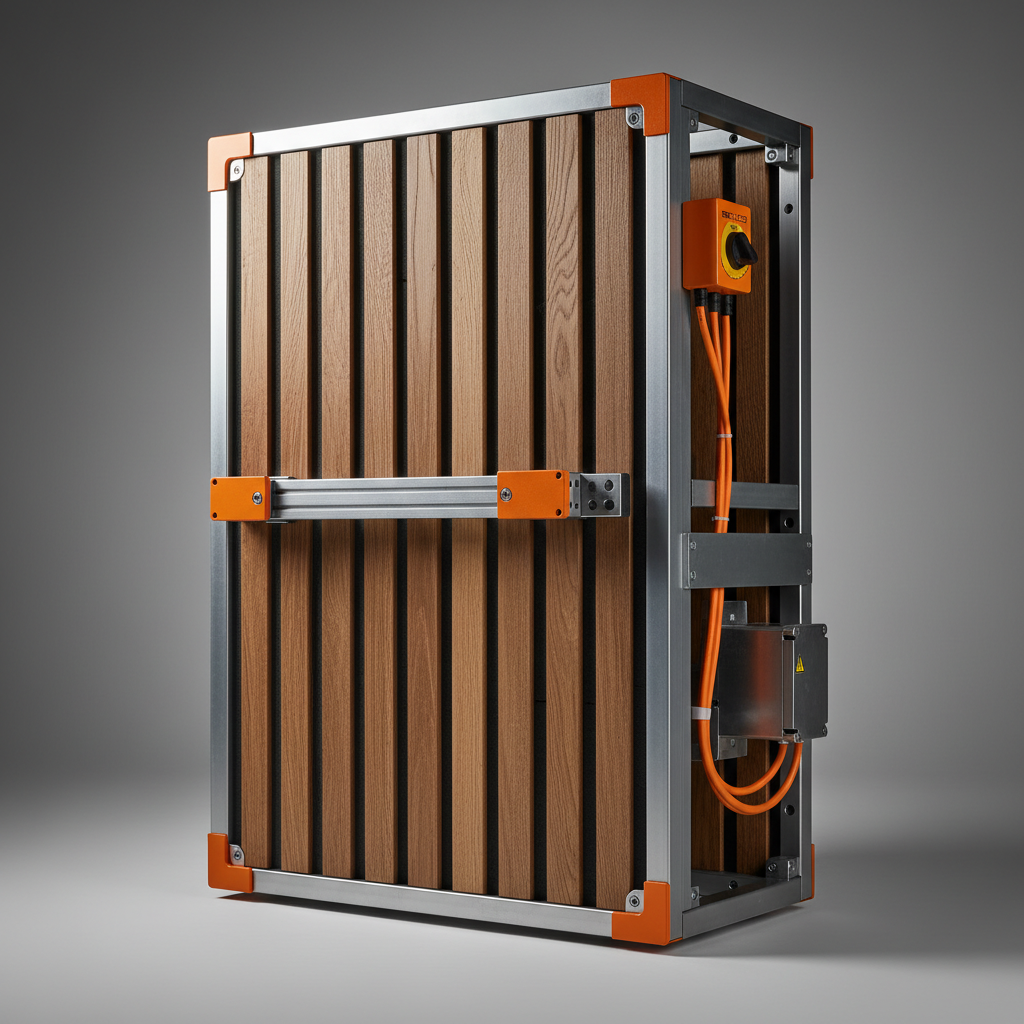
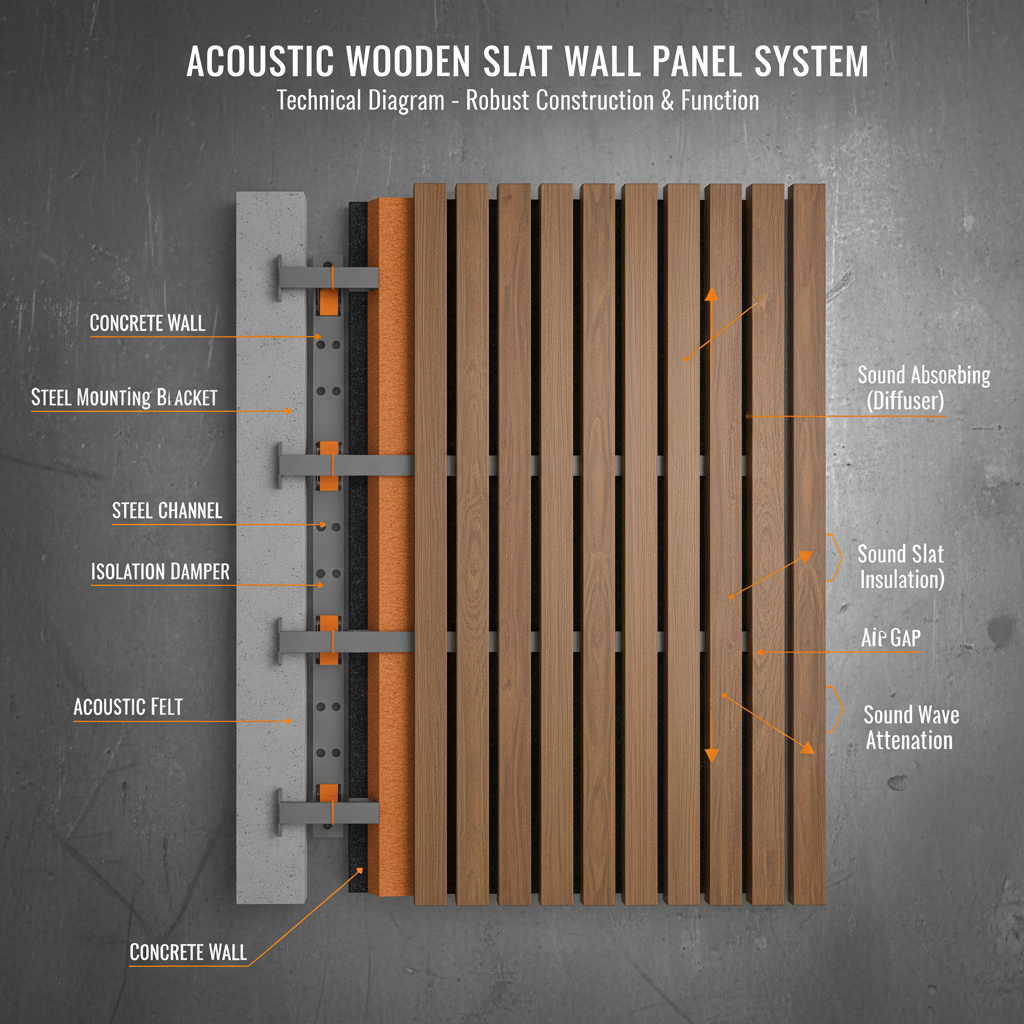
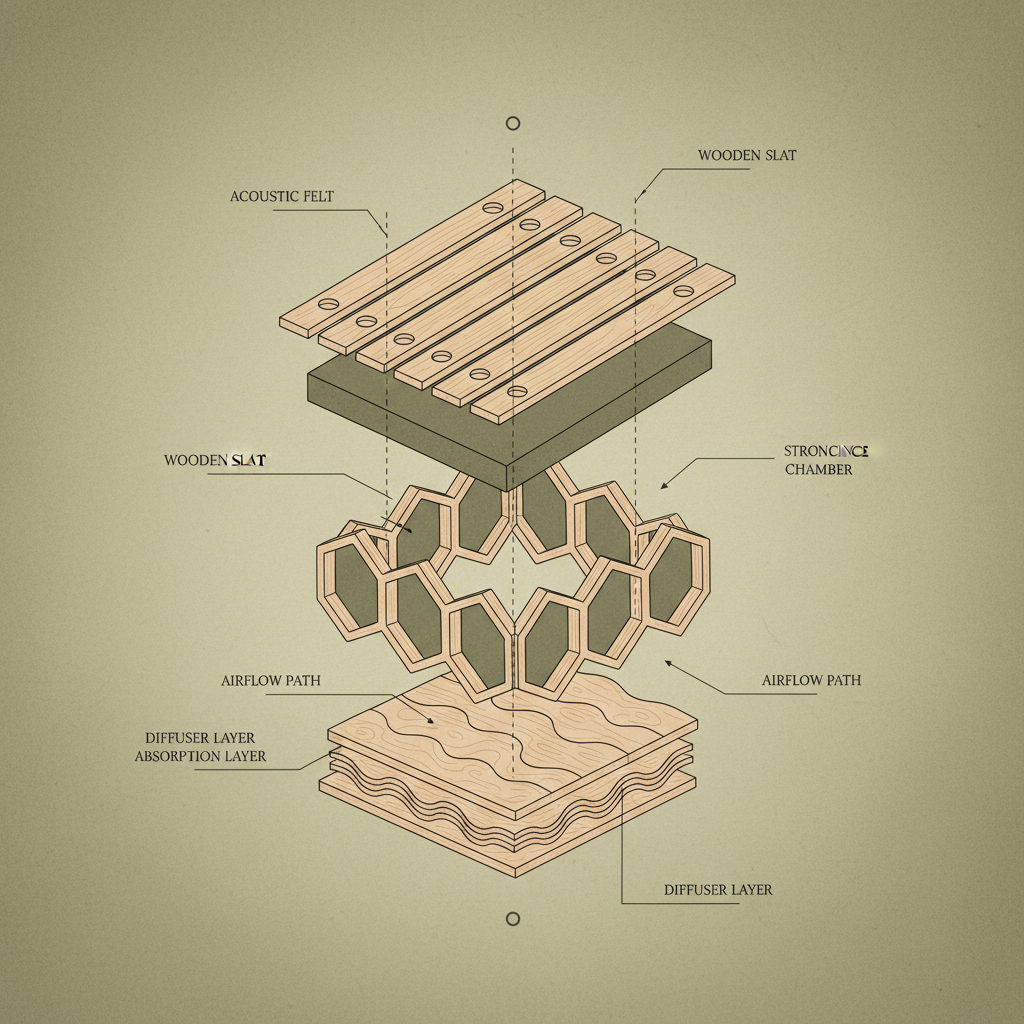
Standard wood paneling is primarily decorative, offering little to no acoustic benefit. Wood acoustic panels are specifically designed and engineered to absorb and diffuse sound. They incorporate features like perforations, varying densities, and backing materials to enhance their sound-absorbing capabilities, significantly reducing noise and reverberation within a space.
Denser woods, such as oak and maple, generally perform better at absorbing lower frequencies compared to lighter woods like pine. The wood’s thickness also plays a crucial role – thicker panels are more effective at absorbing sound. However, the overall system design, including backing materials and air gaps, is equally important for achieving optimal acoustic performance.
With proper installation and maintenance, a wood acoustic wall can have a lifespan of 20-50 years, or even longer. The lifespan depends on the quality of materials used, the environment it's exposed to, and regular care to prevent damage from moisture, impacts, or wear and tear. Periodic cleaning and inspection are key to preserving its performance and appearance.
Yes, wood acoustic walls can be very environmentally friendly, especially when made from sustainably sourced wood. Wood is a renewable resource with a lower carbon footprint compared to many other building materials. Choosing wood certified by organizations like the Forest Stewardship Council (FSC) ensures responsible forestry practices. Additionally, incorporating recycled or bio-based insulation materials further enhances sustainability.
The cost of installation varies significantly depending on factors such as the size of the area, the complexity of the design, the type of wood used, and labor costs. A basic wood acoustic wall installation can range from $20 to $80 per square foot, while more complex designs with custom finishes and advanced features can exceed $100 per square foot. It’s always recommended to obtain quotes from multiple contractors.
Wood acoustic walls generally require minimal maintenance. Regular dusting or vacuuming is sufficient to remove surface dirt. Avoid using abrasive cleaners or excessive moisture, which can damage the wood or compromise the acoustic properties. Periodic inspection for loose panels or damaged components is recommended to ensure continued performance.
In conclusion, wood acoustic wall represents a powerful solution for addressing the growing global challenge of noise pollution and enhancing the quality of built environments. Its ability to combine aesthetic appeal with effective sound management, coupled with the sustainability advantages of wood as a renewable resource, makes it an increasingly popular choice for architects, designers, and building owners worldwide. Understanding the key components, performance metrics, and future trends in this technology is crucial for maximizing its benefits.
Investing in wood acoustic wall is not just about reducing noise; it’s about creating healthier, more productive, and more enjoyable spaces. As innovation continues to drive advancements in materials and installation techniques, wood acoustic wall will undoubtedly play an even greater role in shaping the future of acoustic design and construction.

 Afrikaans
 Albanian
 Amharic
 Arabic
 Armenian
 Azerbaijani
 Basque
 Belarusian
 Bengali
 Bosnian
 Bulgarian
 Catalan
 Cebuano
 Corsican
 Croatian
 Czech
Czech
 Danish
 Dutch
Dutch
 Esperanto
 Estonian
 Finnish
 French
 Frisian
 Galician
 Georgian
 German
 Greek
Greek
 Gujarati
 Haitian Creole
 Hausa
Hausa
 Hawaiian
 Hebrew
 Hindi
Hindi
 Miao
Miao
 Hungarian
 Icelandic
 Igbo
Igbo
 Indonesian
 Irish
Irish
 Italian
 Japanese
 Javanese
 Kannada
 Kazakh
 Khmer
Khmer
 Rwandese
 Korean
 Kurdish
 Kyrgyz
 Lao
Lao
 Latin
Latin
 Latvian
 Lithuanian
 Luxembourgish
 Macedonian
 Malgashi
 Malay
Malay
 Malayalam
 Maltese
 Maori
Maori
 Marathi
 Mongolian
 Myanmar
 Nepali
 Norwegian
 Norwegian
 Occitan
 Pashto
 Persian
 Polish
 Portuguese
 Punjabi
 Romanian
 Russian
 Samoan
 Scottish Gaelic
 Serbian
 Sesotho
 Shona
Shona
 Sindhi
 Sinhala
 Slovak
 Slovenian
 Somali
 Spanish
 Sundanese
 Swahili
 Swedish
 Tagalog
 Tajik
Tajik
 Tamil
Tamil
 Tatar
Tatar
 Telugu
 Thai
Thai
 Turkish
 Turkmen
 Ukrainian
 Urdu
Urdu
 Uighur
 Uzbek
Uzbek
 Vietnamese
 Welsh
Welsh
 Bantu
Bantu
 Yiddish
 Yoruba
 Zulu
Zulu
 English