
0%

Table of Contents

Acoustic slat wood wall systems are rapidly gaining prominence in modern architectural design, offering a compelling blend of aesthetic appeal and functional performance. These systems address the increasing demand for spaces that prioritize both sound quality and visual comfort, responding to a global shift toward well-being and productivity within built environments. Understanding the nuances of acoustic slat wood wall construction, materials, and application is crucial for architects, designers, and building owners alike, enabling informed decisions that contribute to superior indoor environments.

The global market for acoustic solutions is experiencing significant growth, driven by factors such as stricter noise regulations, a heightened awareness of the impact of sound on health and cognitive function, and a desire for visually appealing interior design elements. Acoustic slat wood wall are well-positioned within this market, providing a natural, sustainable, and aesthetically pleasing alternative to traditional acoustic treatments. The rising demand for sustainable building materials further contributes to the growing adoption of wood-based acoustic solutions.

The benefits extend beyond simple noise reduction. Well-designed acoustic slat wood wall can enhance speech intelligibility, reduce stress levels, and improve overall occupant comfort, resulting in increased productivity and well-being. This makes them ideal for a variety of applications, from offices and educational institutions to hospitality spaces and residential settings. The inherent warmth and beauty of wood adds a touch of natural elegance, setting them apart from many other acoustic solutions.
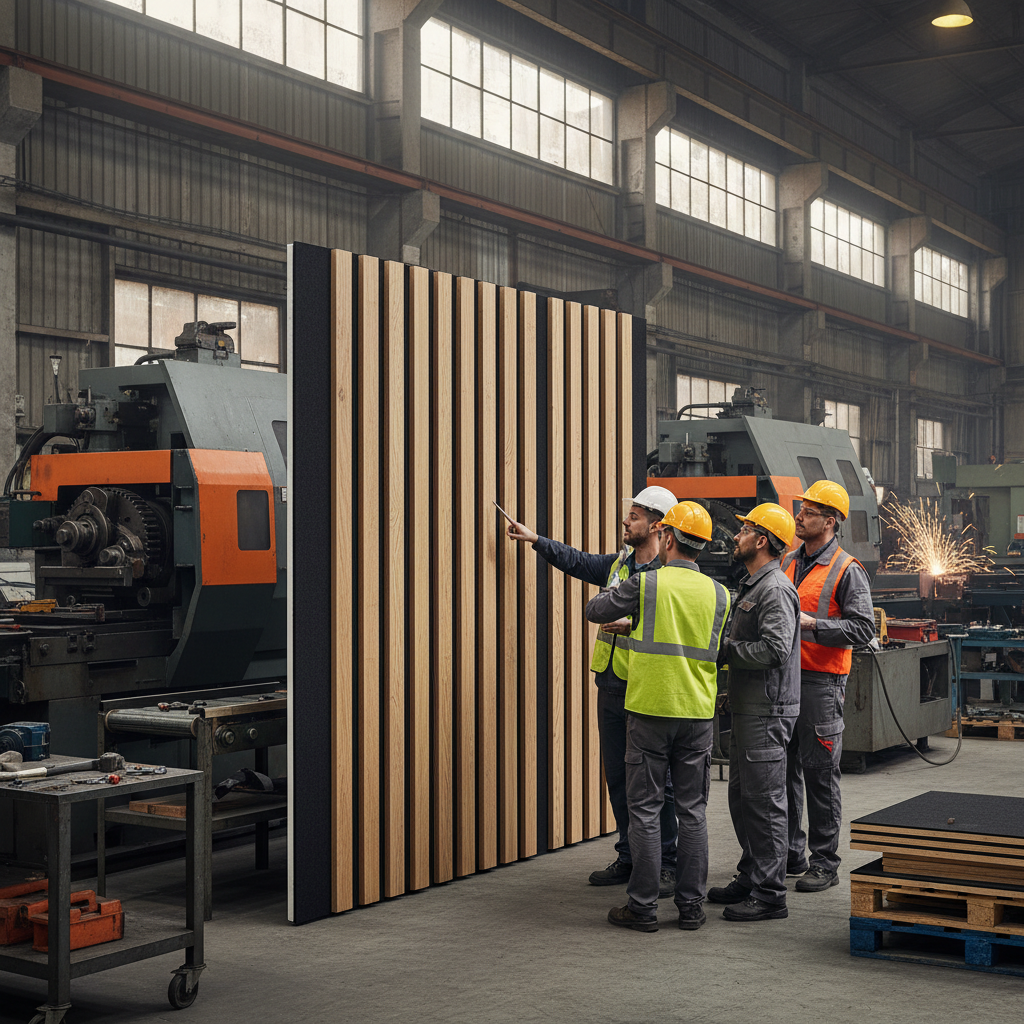
Enhancing Spaces with Aesthetic and Functional Acoustic Slat Wood Wall Systems

Introduction to acoustic slat wood wall

Enhancing Spaces with Aesthetic and Functional Acoustic Slat Wood Wall Systems

Acoustic slat wood wall are becoming increasingly popular as a design element in modern spaces, not simply because of their aesthetic appeal, but because of their impactful contribution to sound management. These walls comprise a series of wooden slats strategically spaced to absorb and diffuse sound waves, reducing echo and reverberation. This creates a more comfortable and functional environment, crucial in offices, classrooms, recording studios, and other spaces where clear sound is paramount.

The design flexibility of acoustic slat wood wall allows for customization to suit a variety of architectural styles and aesthetic preferences. Slats can be arranged in various patterns, finished in different wood species and stains, and combined with backing materials to achieve specific acoustic performance levels. This adaptability makes them a versatile solution for both new construction and renovation projects, offering a personalized approach to sound control.

Global Relevance and Industry Context

The need for effective acoustic solutions is a global concern, driven by increasing urbanization, denser living spaces, and a growing awareness of the negative effects of noise pollution on human health and productivity. According to the World Health Organization, noise pollution is a significant environmental stressor, contributing to cardiovascular disease, sleep disturbances, and cognitive impairment. Addressing this issue is therefore a critical component of creating healthy and sustainable built environments worldwide.

The construction industry is responding to this demand with innovative materials and technologies, with acoustic slat wood wall representing a significant segment of the market. The global acoustic market, valued at billions of dollars, is projected to continue its upward trajectory as building codes become more stringent regarding noise reduction and as the demand for improved indoor environmental quality increases. The ISO 3382 standard provides guidelines for measuring sound absorption, influencing the development and evaluation of acoustic materials like those used in slat wood wall systems.

The demand is particularly strong in commercial sectors like office spaces, where open-plan designs often exacerbate noise issues. Education facilities also prioritize acoustics to improve learning environments, while the hospitality industry utilizes these solutions to enhance guest comfort and privacy. This broad applicability solidifies the relevance of acoustic slat wood wall across diverse industries and geographical locations.

Defining Acoustic Slat Wood Wall

An acoustic slat wood wall is a wall surface constructed from individual wooden slats, strategically spaced and often backed with sound-absorbing materials like mineral wool or acoustic felt. The spacing between the slats, the depth of the cavity behind the wall, and the properties of the backing material all contribute to the wall’s overall sound absorption coefficient. It's more than just a decorative feature; it’s a carefully engineered system designed to control sound within a space.

Unlike solid walls that reflect sound waves, acoustic slat wood wall diffuse and absorb sound energy, minimizing echo and reverberation. The wood itself contributes a degree of absorption, particularly at higher frequencies, while the gaps between the slats allow sound to penetrate the absorbing material behind the wall. This principle, known as resonance absorption, is crucial to the performance of these systems.

Modern acoustic slat wood wall systems often incorporate sustainable wood species and environmentally friendly backing materials, aligning with the growing demand for green building practices. Their integration into modern design represents a shift towards creating healthier, more productive, and aesthetically pleasing spaces that prioritize both functionality and well-being. This aligns with the principles of biophilic design, bringing elements of nature into the built environment.

Key Factors of Acoustic Slat Wood Wall

The effectiveness and longevity of an acoustic slat wood wall depend on several key factors. Firstly, the wood species significantly impacts both the aesthetic and acoustic properties. Hardwoods generally offer greater durability, while softer woods can provide better sound absorption. Secondly, the slat spacing is critical; wider gaps enhance low-frequency absorption, while narrower gaps favor higher frequencies.

The backing material plays a crucial role in overall sound absorption. Materials like mineral wool, acoustic felt, or fiberglass provide excellent absorption across a broad range of frequencies. The installation method is also paramount; proper installation ensures that the slats are securely mounted and that there are no gaps that could compromise the acoustic performance. A properly installed system contributes to the system’s long-term reliability.

Acoustic Slat Wood Wall Performance by Method


Global Applications and Use Cases

Acoustic slat wood wall find applications across a diverse range of settings globally. In corporate offices in major cities like London, New York, and Tokyo, these walls are used to create focused work areas within open-plan layouts, improving employee concentration and reducing distractions. In educational institutions throughout Europe and North America, they enhance learning environments by minimizing noise and improving speech intelligibility in classrooms and lecture halls.

The hospitality industry utilizes these systems to create a more serene and private experience for guests in hotels and restaurants, particularly in urban environments prone to external noise. In recording studios and home theaters worldwide, acoustic slat wood wall are integral to achieving optimal sound quality. Furthermore, in post-disaster relief operations, the use of quickly installable and readily available materials is critical, and wood-based panels offer a solution.

Advantages and Long-Term Value

The advantages of investing in acoustic slat wood wall extend beyond immediate noise reduction. From a cost perspective, while the initial investment may be higher than some alternative acoustic treatments, the longevity and minimal maintenance requirements of wood result in lower lifecycle costs. From a sustainability standpoint, responsibly sourced wood offers a renewable and environmentally friendly material choice, contributing to green building certifications like LEED.

The social impact is equally significant, as improved acoustics enhance occupant well-being, leading to increased productivity and reduced stress. The aesthetic appeal of wood provides a sense of warmth and comfort, fostering a more positive and inviting atmosphere. Ultimately, acoustic slat wood wall build trust with occupants by demonstrably improving their environment and demonstrating a commitment to their comfort and health.

Future Trends and Innovations

The future of acoustic slat wood wall is poised for further innovation. Research is underway to develop new wood composites with enhanced acoustic properties and improved fire resistance. The integration of digital fabrication techniques, such as CNC machining, allows for increasingly complex and customized slat patterns, offering greater design flexibility.

Smart acoustic systems that dynamically adjust sound absorption based on real-time noise levels are also emerging. These systems utilize sensors and actuators to optimize acoustic performance, creating a more responsive and efficient environment. Furthermore, advancements in sustainable forestry practices and the development of bio-based adhesives will continue to enhance the environmental credentials of these systems.

Challenges and Solutions for acoustic slat wood wall

Challenge Impact on Acoustic Slat Wood Wall Proposed Solution Implementation Cost (1-10)
Moisture Sensitivity Wood can warp or degrade in humid environments. Use of treated wood or protective coatings. 4
Fire Resistance Wood is a combustible material. Application of fire-retardant treatments. 6
Installation Complexity Proper installation is crucial for acoustic performance. Utilizing skilled installers and detailed instructions. 5
Material Cost High-quality wood and acoustic backing can be expensive. Exploring alternative wood species and recycled backing materials. 3
Acoustic Performance Variability Performance can vary depending on design and installation. Conducting acoustic modeling and testing. 7
Maintenance Requirements Wood requires occasional cleaning and refinishing. Using durable finishes and providing maintenance guidelines. 2

FAQS

What are the typical sound absorption coefficients for acoustic slat wood wall?

Sound absorption coefficients for acoustic slat wood wall vary based on slat spacing, depth, and backing material. Generally, they achieve Noise Reduction Coefficients (NRC) ranging from 0.6 to 0.9. Higher NRC values indicate better sound absorption performance. Factors like the thickness of the acoustic backing, the density of the wood, and the air gap behind the wall all influence these coefficients, making precise prediction essential for specific applications.

How does the spacing between slats affect acoustic performance?

Slat spacing is a critical factor in determining the acoustic performance of a wood slat wall. Wider spacing typically enhances absorption of lower frequencies, while narrower spacing improves absorption of higher frequencies. The optimal spacing depends on the specific noise spectrum you're trying to address. A balanced approach often involves varying slat spacing to achieve broad-spectrum absorption.

Are acoustic slat wood wall suitable for high-humidity environments?

Acoustic slat wood wall can be used in high-humidity environments, but require careful material selection and preparation. Using treated wood that’s resistant to moisture damage and applying a protective coating are essential. Proper ventilation is also crucial to prevent moisture buildup behind the wall. Alternatively, selecting wood species naturally resistant to moisture, like cedar, can also mitigate risks.

What is the typical lifespan of an acoustic slat wood wall?

With proper installation and maintenance, acoustic slat wood wall can last for several decades. The lifespan depends on the wood species used, the quality of the finish, and the environmental conditions. Regular cleaning and occasional refinishing can extend the lifespan significantly. High-quality hardwoods, properly sealed, can easily last 50 years or more.

How do acoustic slat wood walls compare in cost to other acoustic treatments?

The cost of acoustic slat wood wall can vary depending on the materials and complexity of the installation. They generally fall in the mid-to-high range compared to other acoustic treatments. While initially more expensive than options like acoustic foam, they offer superior aesthetics, durability, and long-term value. Compared to more extensive structural solutions, they are often a more cost-effective approach to achieving significant acoustic improvements.

What are the sustainable aspects of using acoustic slat wood walls?

Acoustic slat wood walls can be highly sustainable when utilizing responsibly sourced wood certified by organizations like the Forest Stewardship Council (FSC). Utilizing wood as a natural, renewable resource reduces reliance on synthetic materials. Many backing materials, like mineral wool, are also made from recycled content. Choosing low-VOC finishes further enhances their environmental credentials, contributing to healthier indoor air quality.

Conclusion

Acoustic slat wood wall represent a sophisticated and effective solution for addressing the growing need for improved acoustic environments. Their unique blend of aesthetic appeal, functional performance, and sustainability makes them a compelling choice for a wide range of applications, from commercial spaces to residential interiors. Investing in these systems is not simply about reducing noise; it's about enhancing occupant well-being, improving productivity, and creating spaces that are both beautiful and functional.

As technology advances and environmental concerns intensify, the future of acoustic slat wood wall promises even greater innovation. Exploring new materials, refining installation techniques, and integrating smart acoustic technologies will continue to push the boundaries of what's possible. To learn more about how acoustic slat wood wall can transform your space, and to explore our range of customizable solutions, visit our website: acoustic slat wood wall.

David Miller

David Miller

David Miller is the North American Sales Director for Hebei Yiteng Import and Export Trade Co., Ltd. With over 15 years of experience in the building materials industry, David specializes in connecting clients with innovative acoustic solutions. He focuses on understanding specific project needs, from commercial office spaces to recording
Previous Enhance Spaces with Beautiful Acoustic Slat Wood Wall Panels
Next Advanced Acoustic Perforated Wood Panels for Superior Sound Management
en_USEnglish