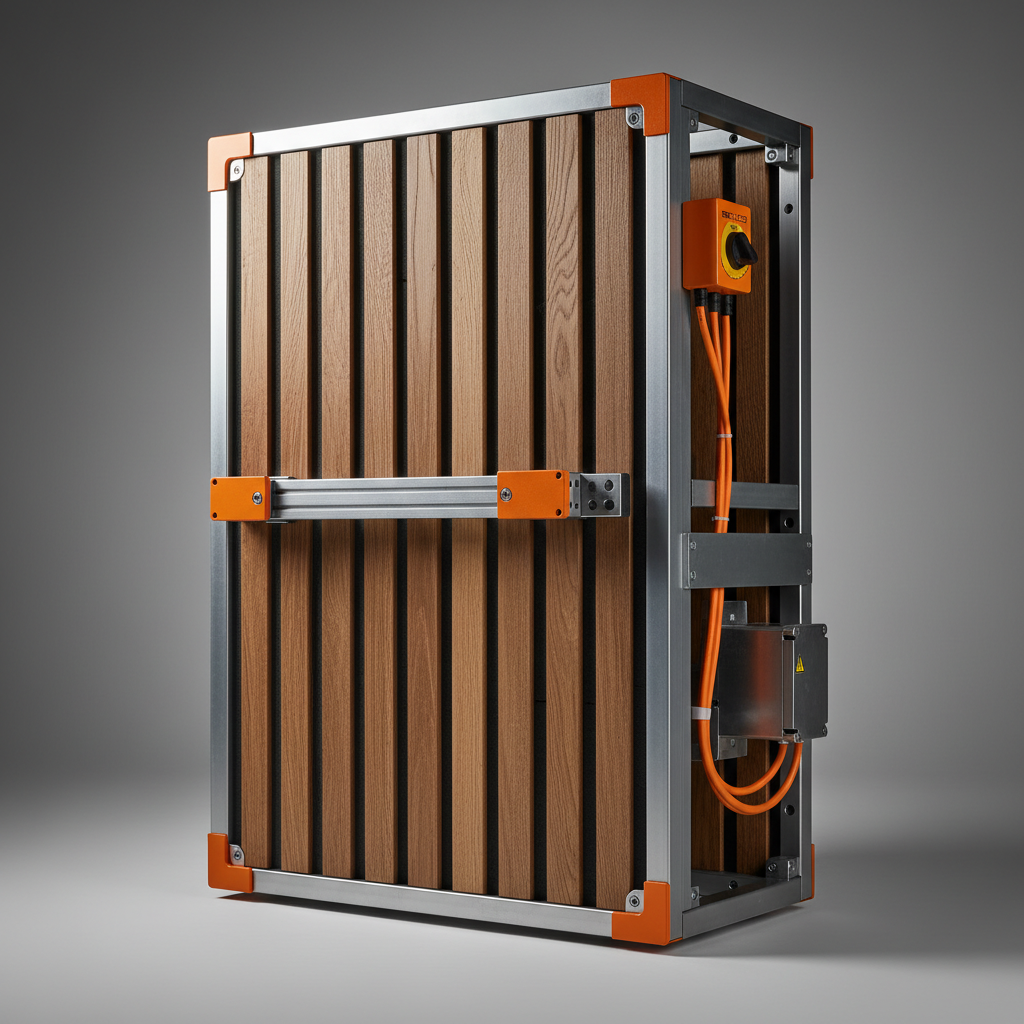
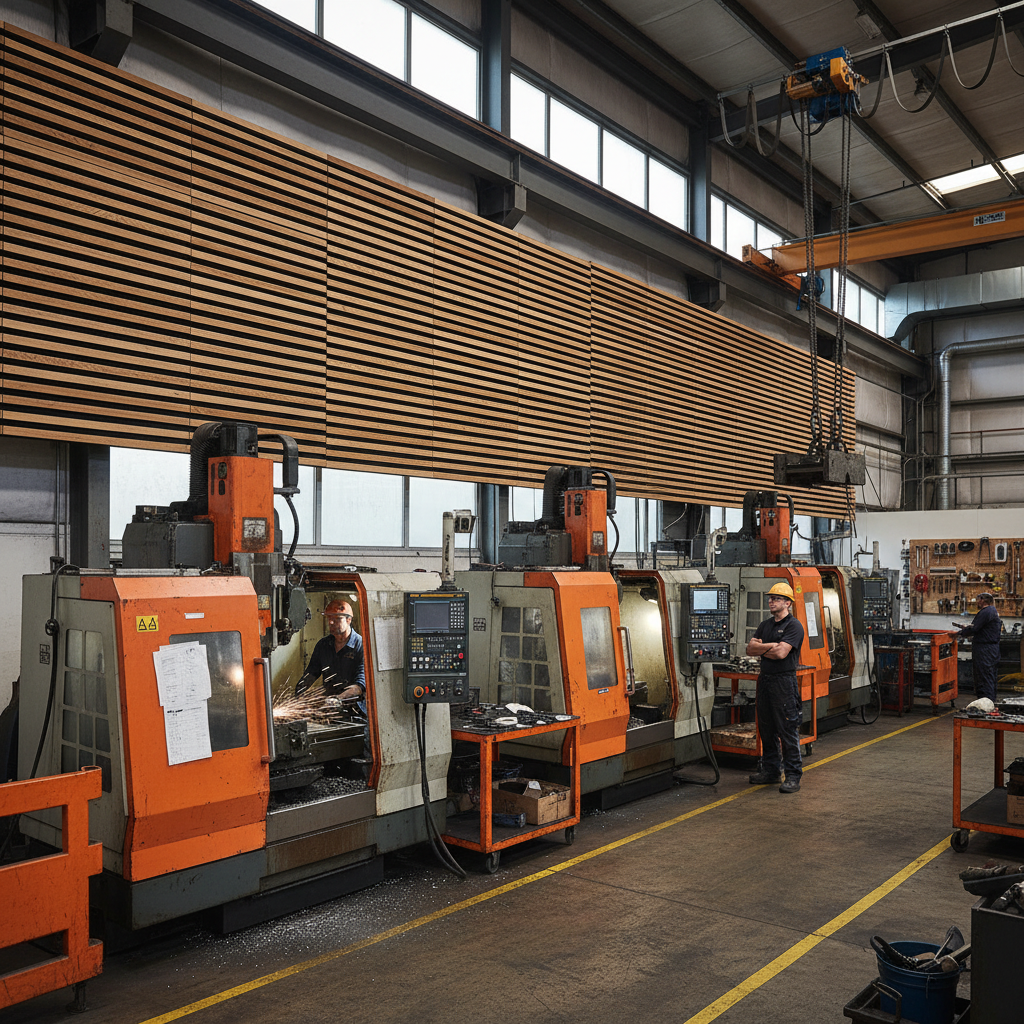
Honestly, the whole acoustic panel scene… it's blown up, right? Used to be just recording studios caring about this stuff. Now everyone wants a quiet office, a peaceful home, even factories are realizing noise control boosts productivity. It’s not just about silencing things; it’s about making spaces feel better. I've been seeing more and more requests for these wooden acoustic wall panels, and the demand's only going up. Been all over the country this year just looking at different construction sites, and everyone’s talking about it.
But here’s the thing – a lot of folks think "acoustic" means slapping foam on the walls. It's so much more complex than that. You’ve got absorption, diffusion, reflection… the frequencies, the materials, how it all interacts. I saw a guy at a site in Shanghai trying to use egg cartons, egg cartons! To be honest, it was a disaster. It absorbed some sound, sure, but the look? Forget about it. It felt really depressing.
The biggest thing I’ve noticed? People underestimate the importance of the core material. It’s easy to get lured in by a cheap price tag, but that recycled cardboard stuff… it doesn’t hold up. You need a solid wood wool base, that's where you get the real performance. It smells like…well, wood, obviously, but a clean, natural wood smell. It's surprisingly lightweight, but dense enough that you can feel the quality when you handle it. I encountered this at a factory in Guangzhou last time, they were using some kind of compressed straw… just awful.
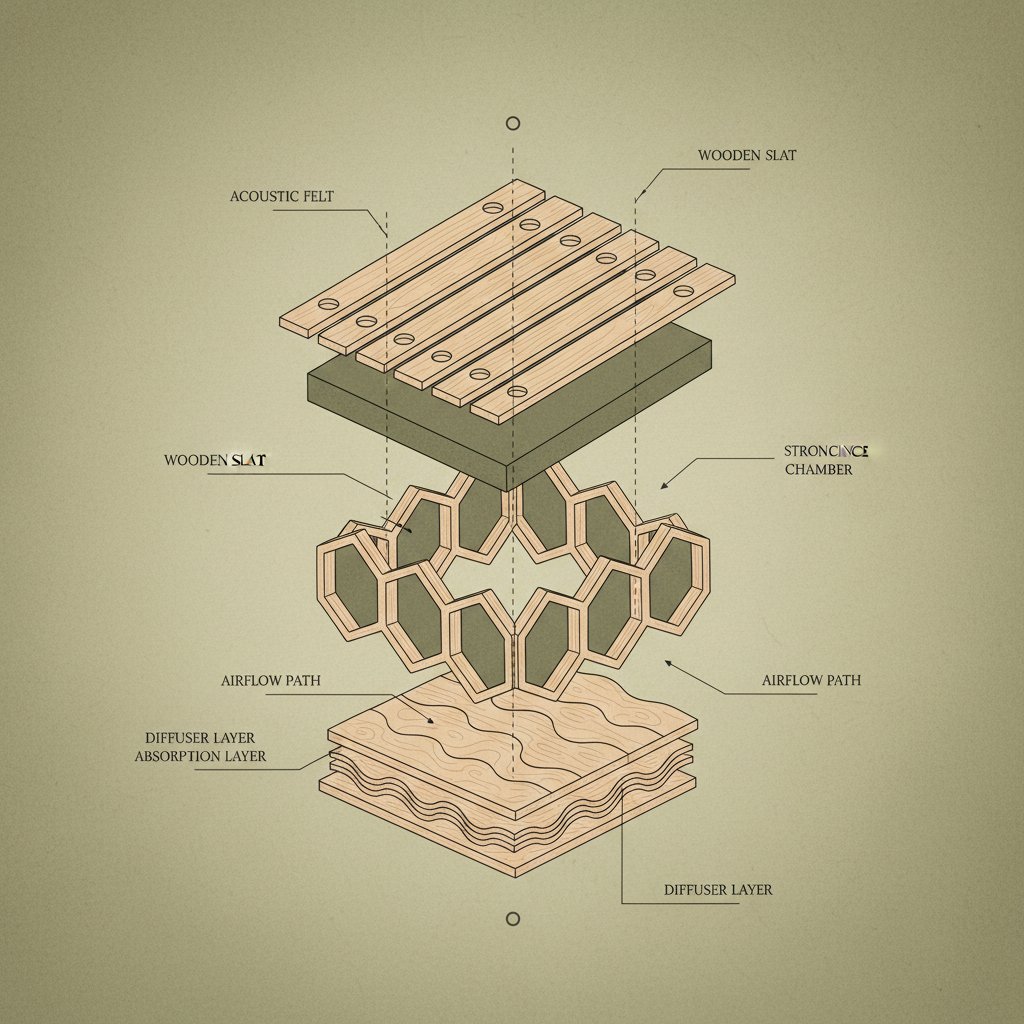
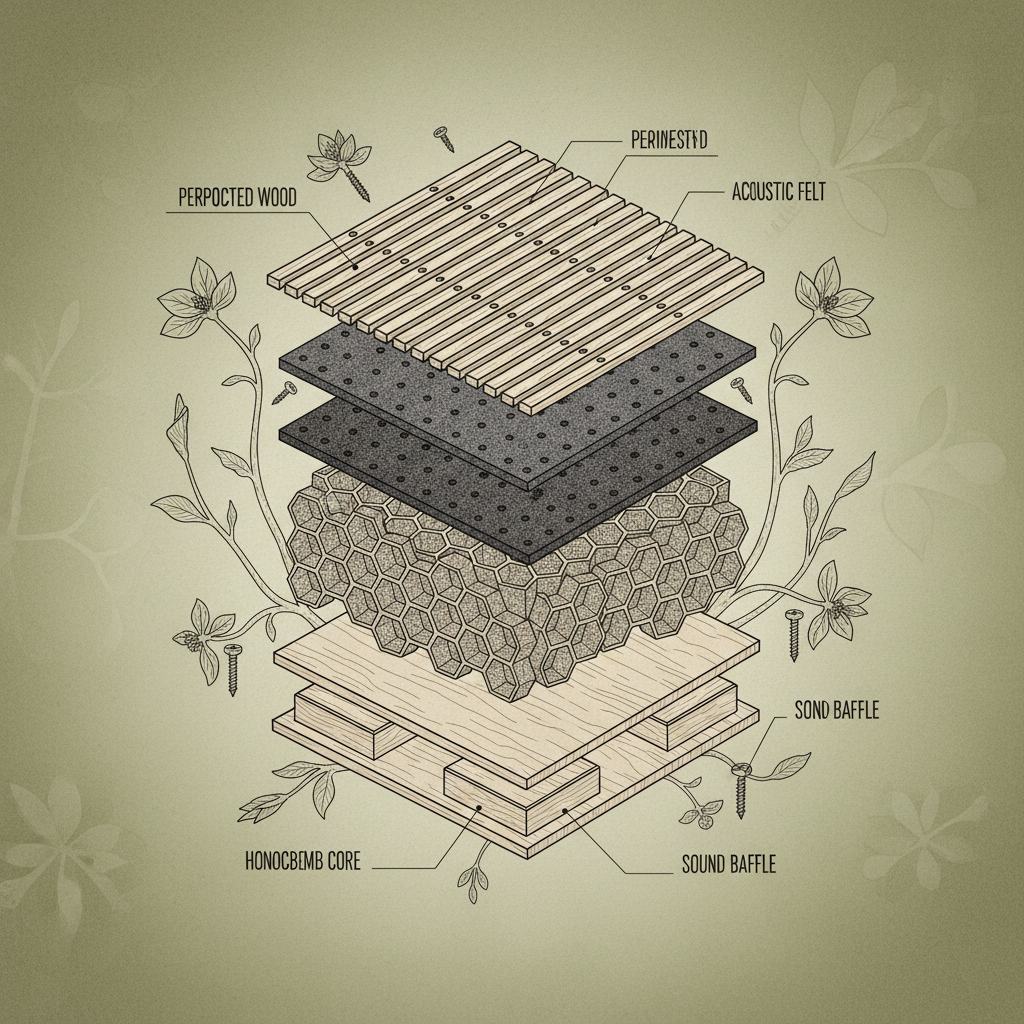
I’ve been seeing a lot of interest in these panels for home theaters, which makes sense. But strangely, a lot of it is coming from open-plan offices. Companies are realizing that constant noise is killing productivity. They're trying to create these "focus zones" within the office, and wooden acoustic wall panels are a big part of that. They're a lot more aesthetically pleasing than those old, gray foam tiles, too. I mean, who wants to stare at gray foam all day?
Anyway, I think the biggest driver is just awareness. People are starting to understand that sound control isn't just a "nice to have," it's a necessity for well-being. And with the rise of remote work, folks are investing more in making their home offices more comfortable and functional.
Typically, with proper installation and maintenance, wooden acoustic wall panels can last for 10-20 years, sometimes even longer. The lifespan depends heavily on the quality of the materials used, the environmental conditions (humidity, temperature), and how well they are cared for. Lower quality panels might start to sag or delaminate after just a few years, while high-quality panels can withstand decades of use. Regular cleaning and avoiding excessive moisture are key.
Foam panels are good at absorbing high and mid-range frequencies, but they often lack the density to effectively absorb low frequencies. Wooden acoustic wall panels, especially those with a wood wool core, perform better across the entire frequency spectrum. They’re also more durable, fire-resistant, and aesthetically pleasing. While foam is cheaper upfront, wood panels offer better long-term value and performance. Honestly, foam just feels… cheap.
Most quality wooden acoustic wall panels are treated to be fire-resistant, meeting specific fire safety standards. The wood wool base itself is naturally fire-retardant. However, the fabric facing can affect the fire rating. Always check the product specifications and ensure the panels are certified to meet the fire safety requirements for your location. Don't skimp on this; it's a serious safety concern.
Cleaning is usually pretty straightforward. Most panels can be vacuumed regularly with a soft brush attachment. For spot cleaning, a damp cloth with mild detergent is usually sufficient. Avoid harsh chemicals or abrasive cleaners, as they can damage the fabric facing. It's also a good idea to test any cleaning solution in an inconspicuous area first. The fabric choice will influence cleaning requirements – wool needs more delicate care than polyester.
While it's technically possible to install them yourself, I strongly recommend hiring a professional. Proper installation is crucial for optimal performance and longevity. A professional will ensure the panels are securely mounted, properly aligned, and that any flanking paths are addressed. A bad installation can significantly reduce the effectiveness of the panels and even create safety hazards. Trust me, it's worth the investment.
Lead times for custom panels can vary depending on the complexity of the design and the availability of materials. Simple customizations like color changes might only add a week or two to the production time. More complex designs, like 3D patterns or integrated lighting, can take several weeks, even months. It’s always best to plan ahead and allow plenty of time for production and installation. Don’t leave it to the last minute, or you’ll be disappointed.
So, that's the lowdown on wooden acoustic wall panels. They're a game-changer for sound control, offering a blend of performance, aesthetics, and sustainability. They’ve come a long way from those awful foam tiles, and the customization options are pretty incredible. They're not a magic bullet, you still need to think about the whole space and address flanking paths, but when done right, they can really transform a room.
Ultimately, whether this thing works or not, the worker will know the moment he tightens the screw. A good panel, installed properly, feels solid, looks good, and makes a difference. Don’t just focus on the specs; focus on the feeling. And if you're looking for high-quality wooden acoustic wall panels, you know where to find us.

 Afrikaans
 Albanian
 Amharic
 Arabic
 Armenian
 Azerbaijani
 Basque
 Belarusian
 Bengali
 Bosnian
 Bulgarian
 Catalan
 Cebuano
 Corsican
 Croatian
 Czech
Czech
 Danish
 Dutch
Dutch
 Esperanto
 Estonian
 Finnish
 French
 Frisian
 Galician
 Georgian
 German
 Greek
Greek
 Gujarati
 Haitian Creole
 Hausa
Hausa
 Hawaiian
 Hebrew
 Hindi
Hindi
 Miao
Miao
 Hungarian
 Icelandic
 Igbo
Igbo
 Indonesian
 Irish
Irish
 Italian
 Japanese
 Javanese
 Kannada
 Kazakh
 Khmer
Khmer
 Rwandese
 Korean
 Kurdish
 Kyrgyz
 Lao
Lao
 Latin
Latin
 Latvian
 Lithuanian
 Luxembourgish
 Macedonian
 Malgashi
 Malay
Malay
 Malayalam
 Maltese
 Maori
Maori
 Marathi
 Mongolian
 Myanmar
 Nepali
 Norwegian
 Norwegian
 Occitan
 Pashto
 Persian
 Polish
 Portuguese
 Punjabi
 Romanian
 Russian
 Samoan
 Scottish Gaelic
 Serbian
 Sesotho
 Shona
Shona
 Sindhi
 Sinhala
 Slovak
 Slovenian
 Somali
 Spanish
 Sundanese
 Swahili
 Swedish
 Tagalog
 Tajik
Tajik
 Tamil
Tamil
 Tatar
Tatar
 Telugu
 Thai
Thai
 Turkish
 Turkmen
 Ukrainian
 Urdu
Urdu
 Uighur
 Uzbek
Uzbek
 Vietnamese
 Welsh
Welsh
 Bantu
Bantu
 Yiddish
 Yoruba
 Zulu
Zulu
 English