The quest for optimal acoustic environments is a growing global concern, impacting everything from workplace productivity and educational outcomes to residential comfort and even health. Understanding how to make acoustic panels for walls is therefore no longer a niche topic, but a critical skill for architects, designers, DIY enthusiasts, and anyone seeking to improve sound quality within an interior space. This knowledge empowers individuals and organizations to create more functional, peaceful, and effective environments.
The rising awareness of noise pollution and its detrimental effects fuels the demand for effective sound management solutions. According to the World Health Organization (WHO), prolonged exposure to excessive noise can contribute to stress, sleep disturbances, and even cardiovascular problems. Consequently, the ability to address these issues proactively, including knowing how to make acoustic panels for walls, is becoming increasingly vital for public health and well-being.
Furthermore, the increasing emphasis on sustainable building practices and cost-effective solutions drives innovation in the field of acoustics. Creating your own acoustic panels offers a bespoke solution, often more affordable than commercially available options, and allows for the use of recycled or sustainable materials, aligning with environmentally conscious design principles.


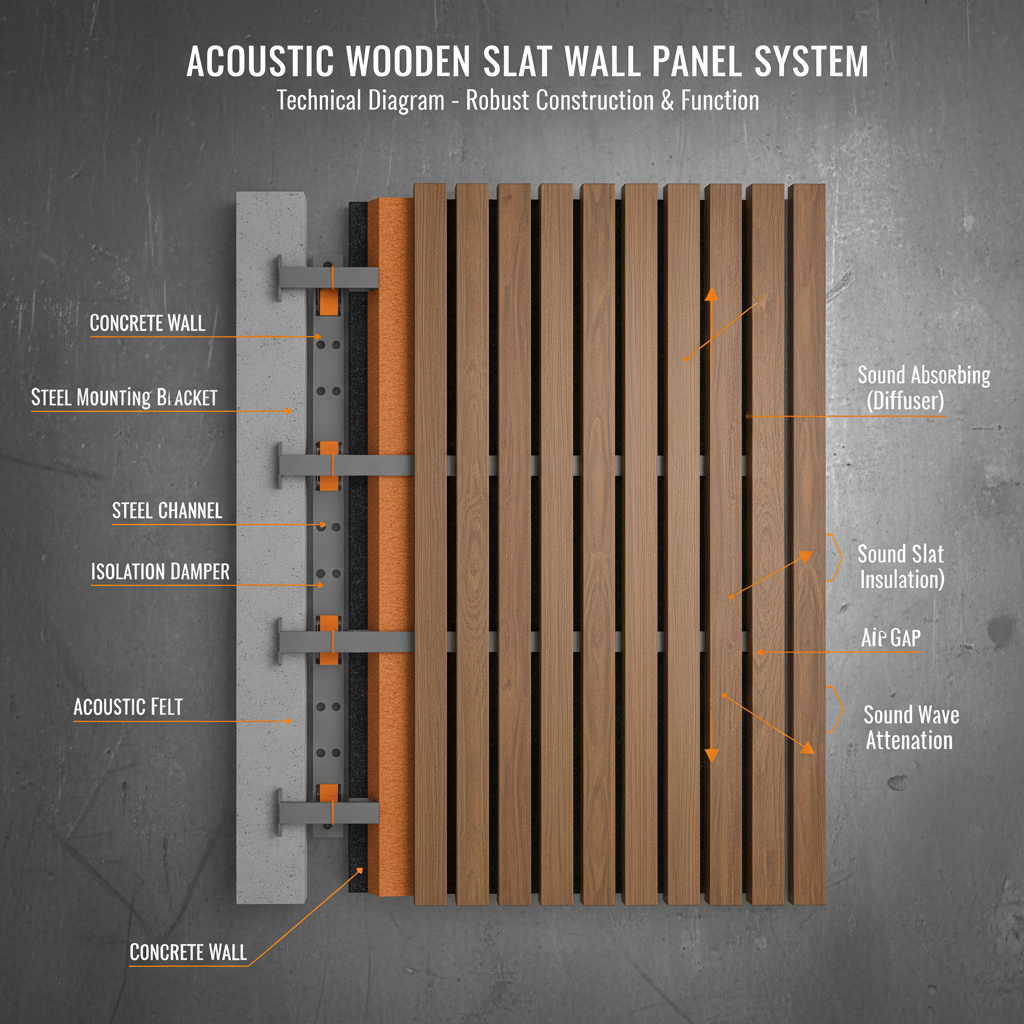
At its core, how to make acoustic panels for walls involves understanding the principles of sound absorption. Sound waves, when encountering a surface, can be reflected, transmitted, or absorbed. Acoustic panels are specifically designed to absorb sound energy, converting it into a negligible amount of heat through friction within the panel’s materials. This process reduces reverberation and echo, creating a quieter, more controlled acoustic environment.
The effectiveness of an acoustic panel hinges on several factors, including the material density, thickness, and porosity. Materials with open-cell structures, like certain types of foam or felt, are particularly good at absorbing sound because they allow sound waves to penetrate and dissipate energy more easily. The principles of sound absorption are pivotal when understanding how to make acoustic panels for walls effectively.
The “best” material depends on your budget, desired performance, and environmental concerns. Fiberglass and mineral wool offer excellent absorption at a relatively low cost, but require careful handling due to potential irritants. Recycled cotton is a sustainable and user-friendly option, though generally less effective. Acoustic foam is easy to work with but can be more expensive and may have fire safety concerns.
Generally, thicker panels absorb lower frequencies more effectively. A thickness of at least 2 inches (5cm) is recommended for basic sound absorption, while 4 inches (10cm) or more is ideal for tackling lower frequencies in spaces like home theaters or recording studios. The required thickness ultimately depends on the specific frequencies you're trying to control.
Yes, you can, but it's crucial to choose an acoustically transparent fabric. This means the weave allows sound waves to pass through without significant reflection. Hold the fabric up to your mouth and try to speak through it – if it muffles your voice significantly, it’s likely not suitable. Burlap, muslin, and some types of speaker grille cloth are good options.
A general rule of thumb is to cover at least 20-30% of the wall surface area with acoustic panels. However, this is a rough estimate. Factors like room size, shape, existing furniture, and intended use all play a role. Acoustic calculators available online can provide a more tailored recommendation.
Most DIY acoustic panel materials are not inherently fireproof. However, you can improve fire resistance by using fire-retardant sprays or fabrics and ensuring proper ventilation. Always check local building codes for fire safety regulations. It's essential to prioritize safety when choosing materials and constructing your panels.
Several mounting options are available, including adhesive, impaling clips, z-clips, and French cleats. The best method depends on the weight of the panel, the wall surface, and your desired aesthetic. Adhesive is convenient for lightweight panels, while mechanical fasteners like z-clips provide a more secure and permanent attachment for heavier panels.
Understanding how to make acoustic panels for walls is no longer a specialized skill but a valuable asset for anyone seeking to optimize their sonic environment. From improving workplace productivity to enhancing home entertainment experiences, the benefits of effective acoustic treatment are far-reaching. By embracing DIY solutions, individuals and organizations can achieve significant improvements in sound quality while controlling costs and promoting sustainability.
As technology advances and awareness of the importance of acoustics grows, we can expect to see continued innovation in materials and manufacturing techniques. The future of acoustic panel creation lies in the development of sustainable, high-performance, and customizable solutions. Visit Ytakupanel.com to explore pre-made options and learn more about acoustic solutions tailored to your needs.

 Afrikaans
 Albanian
 Amharic
 Arabic
 Armenian
 Azerbaijani
 Basque
 Belarusian
 Bengali
 Bosnian
 Bulgarian
 Catalan
 Cebuano
 Corsican
 Croatian
 Czech
Czech
 Danish
 Dutch
Dutch
 Esperanto
 Estonian
 Finnish
 French
 Frisian
 Galician
 Georgian
 German
 Greek
Greek
 Gujarati
 Haitian Creole
 Hausa
Hausa
 Hawaiian
 Hebrew
 Hindi
Hindi
 Miao
Miao
 Hungarian
 Icelandic
 Igbo
Igbo
 Indonesian
 Irish
Irish
 Italian
 Japanese
 Javanese
 Kannada
 Kazakh
 Khmer
Khmer
 Rwandese
 Korean
 Kurdish
 Kyrgyz
 Lao
Lao
 Latin
Latin
 Latvian
 Lithuanian
 Luxembourgish
 Macedonian
 Malgashi
 Malay
Malay
 Malayalam
 Maltese
 Maori
Maori
 Marathi
 Mongolian
 Myanmar
 Nepali
 Norwegian
 Norwegian
 Occitan
 Pashto
 Persian
 Polish
 Portuguese
 Punjabi
 Romanian
 Russian
 Samoan
 Scottish Gaelic
 Serbian
 Sesotho
 Shona
Shona
 Sindhi
 Sinhala
 Slovak
 Slovenian
 Somali
 Spanish
 Sundanese
 Swahili
 Swedish
 Tagalog
 Tajik
Tajik
 Tamil
Tamil
 Tatar
Tatar
 Telugu
 Thai
Thai
 Turkish
 Turkmen
 Ukrainian
 Urdu
Urdu
 Uighur
 Uzbek
Uzbek
 Vietnamese
 Welsh
Welsh
 Bantu
Bantu
 Yiddish
 Yoruba
 Zulu
Zulu
 English