Wood acoustic panels for walls are gaining prominence as a sophisticated solution to manage sound within built environments. Globally, the demand for effective acoustic control is rising due to increasing noise pollution in urban areas, a growing emphasis on workplace productivity and well-being, and the need for high-quality audio experiences in entertainment venues. Understanding the benefits and applications of these panels is crucial for architects, designers, and anyone seeking to create comfortable and functional spaces.
The significance of wood acoustic panels for walls extends beyond mere sound reduction. They contribute to creating aesthetically pleasing interiors, enhancing the overall ambiance of a room. Moreover, the sustainable sourcing of wood used in these panels aligns with the growing global trend towards environmentally responsible building practices. Proper acoustic design, facilitated by these panels, is linked to improved cognitive performance, reduced stress levels, and enhanced speech intelligibility.
As populations concentrate in urban centers and open-plan office designs become more common, the need for effective sound management becomes paramount. Wood acoustic panels offer a versatile and aesthetically pleasing way to address this challenge, contributing to healthier, more productive, and more enjoyable living and working spaces. They represent a significant advancement in interior design and acoustic engineering.
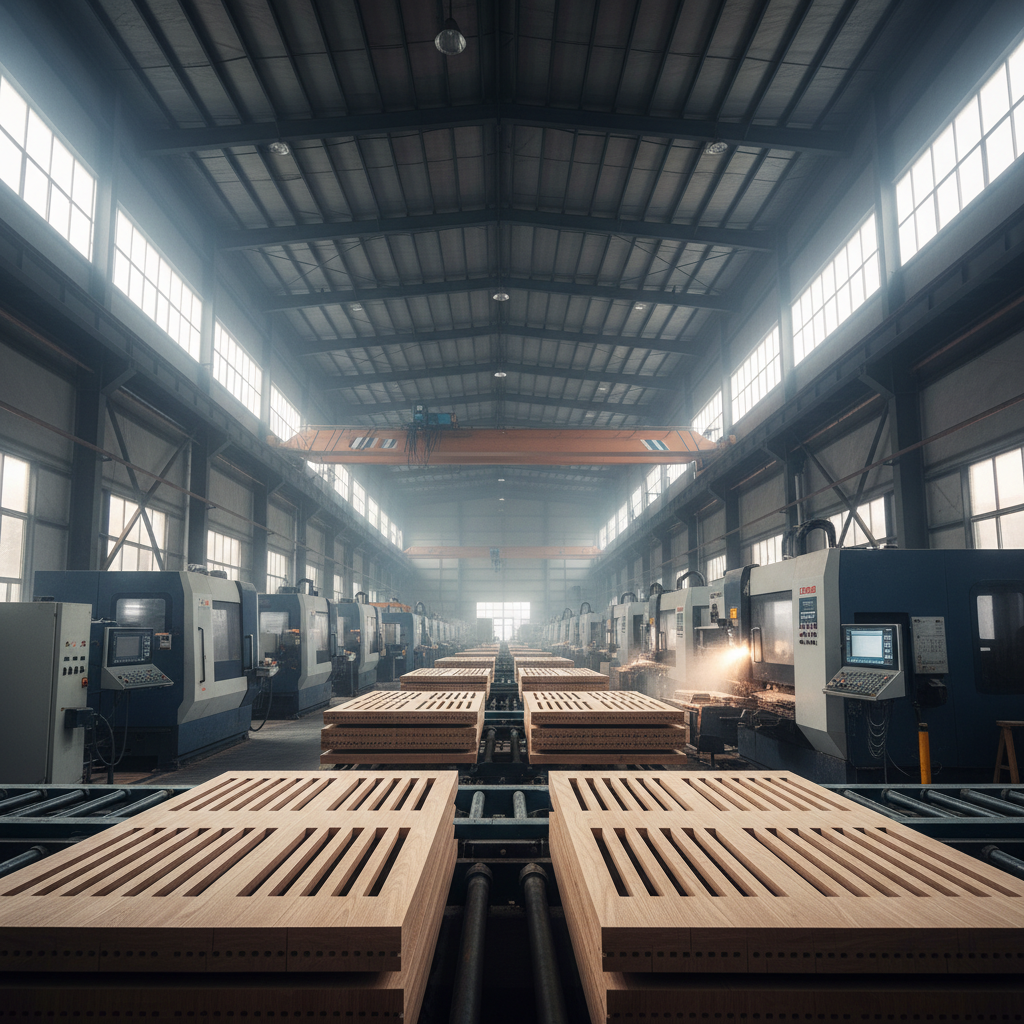
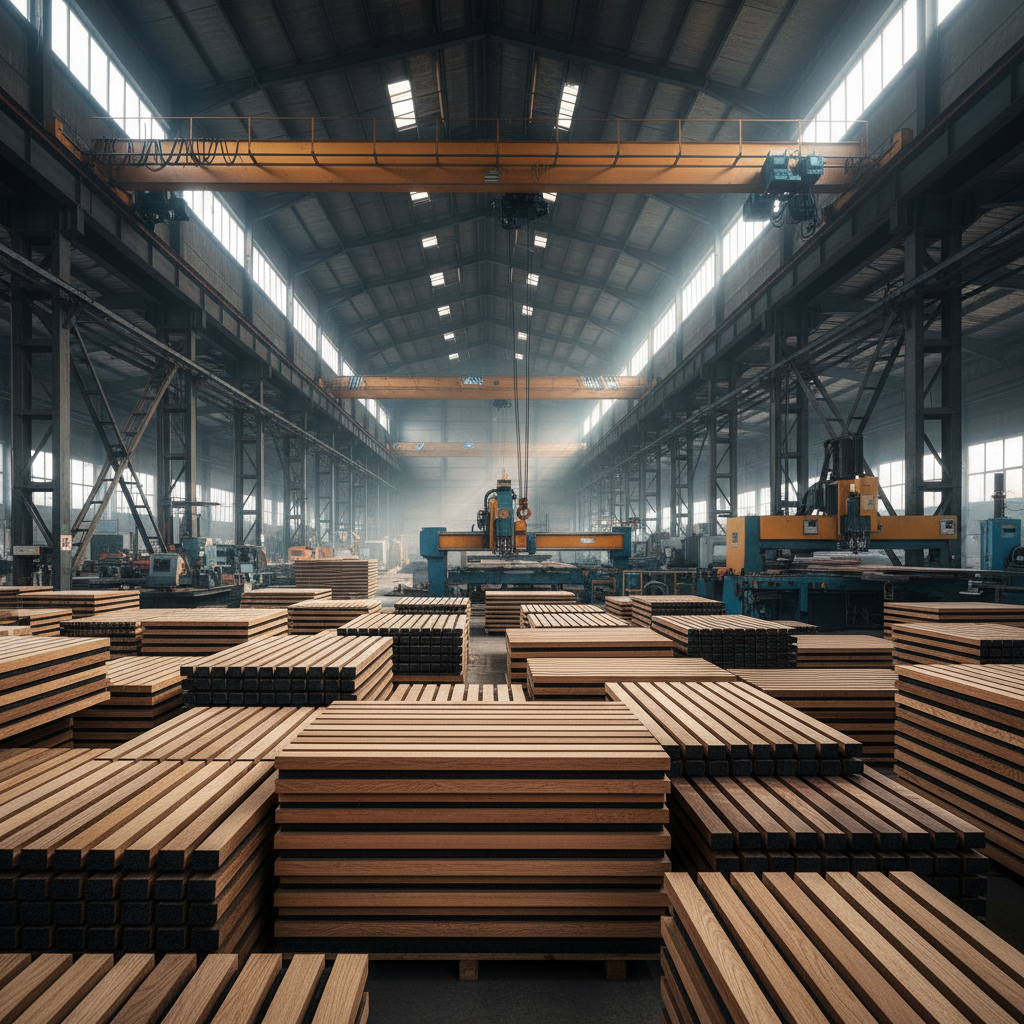
The global market for acoustic solutions is experiencing significant growth, driven by increased awareness of the detrimental effects of noise pollution on health and productivity. According to the World Health Organization (WHO), long-term exposure to high noise levels can lead to cardiovascular problems, sleep disturbances, and cognitive impairment. This has fueled demand for effective soundproofing and sound absorption materials, including wood acoustic panels for walls.
The construction industry, in particular, is witnessing a surge in the adoption of these panels, as architects and builders seek to meet increasingly stringent building codes related to acoustics. The ISO 3382 standard, for example, defines the methods for measuring sound absorption. This increased focus on acoustic performance is creating a substantial market opportunity for manufacturers and installers of wood acoustic panels.
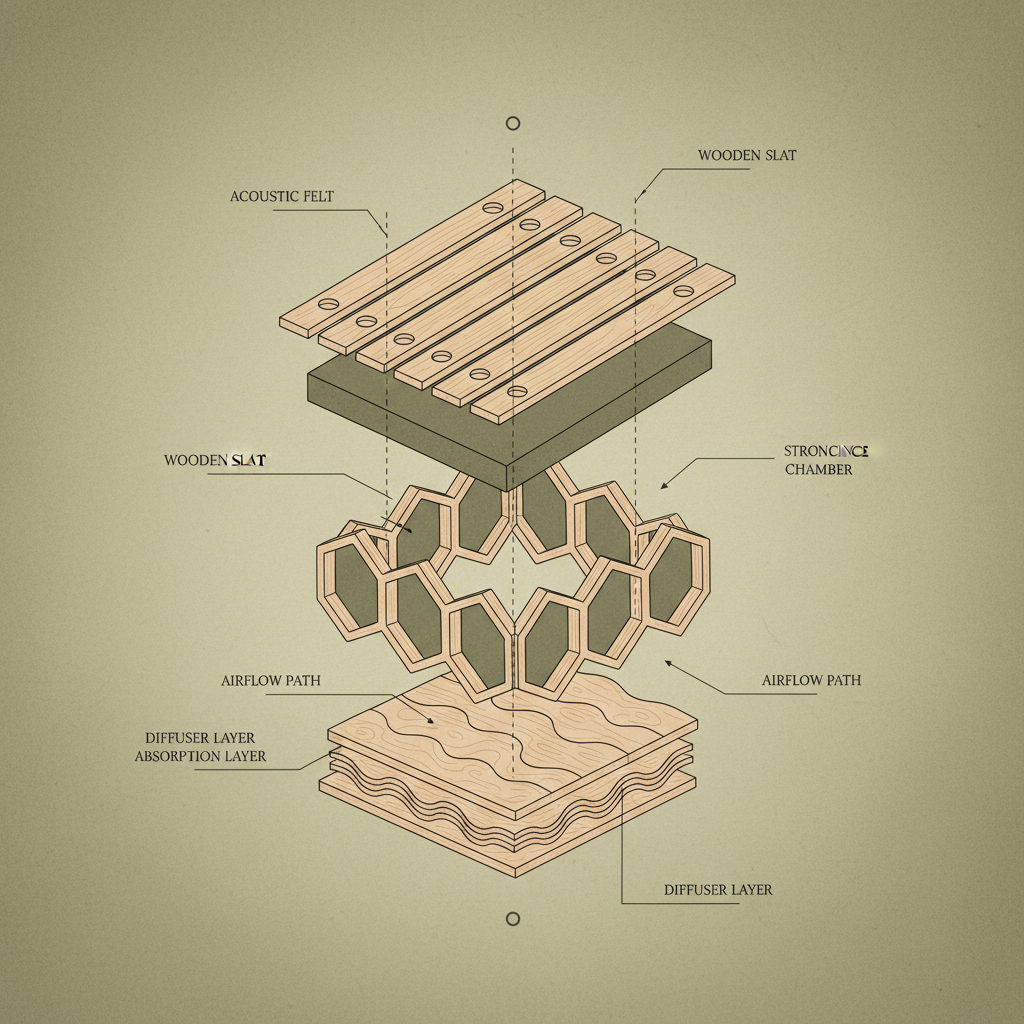
One major challenge that wood acoustic panels for walls address is the prevalence of reverberation in open-plan offices and public spaces. Excessive reverberation can significantly hinder communication, reduce concentration, and contribute to stress. By strategically placing these panels, designers can effectively absorb sound waves and create a more comfortable and productive acoustic environment.
The lifespan of wood acoustic panels for walls typically ranges from 15 to 30 years, depending on the quality of materials, environmental conditions, and maintenance practices. Regular cleaning and occasional repairs can significantly extend their useful life. Panels installed in high-traffic areas or exposed to humidity may require more frequent attention. Proper installation is also crucial for longevity, ensuring the panels are securely mounted and protected from damage.
Many wood acoustic panels are treated with fire-retardant coatings to meet building code requirements. The level of fire resistance is typically categorized by a fire rating (e.g., Class A, Class B). It’s crucial to verify that the panels selected have the appropriate fire rating for the intended application and comply with local building regulations. Always consult the manufacturer’s specifications for fire safety information.
Regular cleaning is essential to maintain the appearance and performance of wood acoustic panels. Dust can be removed with a soft brush or vacuum cleaner using a brush attachment. For more stubborn stains, use a mild detergent diluted in water. Avoid abrasive cleaners or harsh chemicals, as these can damage the wood veneer. Periodic inspection for damage or loose panels is also recommended.
Yes, wood acoustic panels can be installed over existing walls, but it's important to consider the underlying wall surface. Uneven or damaged walls may require preparation, such as patching or leveling. The installation method will also depend on the type of panel and the desired level of acoustic performance. Using resilient channels can create an air gap that further improves sound isolation.
The cost of wood acoustic panels for walls varies depending on factors such as the type of wood veneer, core material, panel thickness, and installation complexity. Generally, costs range from $20 to $100 per square foot, including installation. More premium materials and custom designs will be on the higher end of the price spectrum. Remember to factor in additional costs such as acoustic consulting and site preparation.
Wood acoustic panels can be a sustainable choice, particularly when made from responsibly sourced wood. Look for panels certified by organizations like the Forest Stewardship Council (FSC). Some panels also incorporate recycled materials, further reducing their environmental impact. Compared to some synthetic alternatives, wood is a renewable resource with a lower carbon footprint.
Wood acoustic panels for walls offer a compelling solution for managing sound and enhancing the ambiance of diverse spaces. Their benefits extend beyond mere noise reduction, encompassing improved productivity, enhanced well-being, and aesthetic appeal. The growing demand for these panels reflects a wider trend towards prioritizing acoustic comfort and sustainable building practices.
Looking ahead, continued innovation in materials and installation techniques will further enhance the performance and versatility of wood acoustic panels. By embracing these advancements, architects, designers, and building owners can create spaces that are not only visually stunning but also acoustically optimized, fostering healthier, more productive, and more enjoyable environments. Explore the possibilities at wood acoustic panels for walls today.

 Afrikaans
 Albanian
 Amharic
 Arabic
 Armenian
 Azerbaijani
 Basque
 Belarusian
 Bengali
 Bosnian
 Bulgarian
 Catalan
 Cebuano
 Corsican
 Croatian
 Czech
Czech
 Danish
 Dutch
Dutch
 Esperanto
 Estonian
 Finnish
 French
 Frisian
 Galician
 Georgian
 German
 Greek
Greek
 Gujarati
 Haitian Creole
 Hausa
Hausa
 Hawaiian
 Hebrew
 Hindi
Hindi
 Miao
Miao
 Hungarian
 Icelandic
 Igbo
Igbo
 Indonesian
 Irish
Irish
 Italian
 Japanese
 Javanese
 Kannada
 Kazakh
 Khmer
Khmer
 Rwandese
 Korean
 Kurdish
 Kyrgyz
 Lao
Lao
 Latin
Latin
 Latvian
 Lithuanian
 Luxembourgish
 Macedonian
 Malgashi
 Malay
Malay
 Malayalam
 Maltese
 Maori
Maori
 Marathi
 Mongolian
 Myanmar
 Nepali
 Norwegian
 Norwegian
 Occitan
 Pashto
 Persian
 Polish
 Portuguese
 Punjabi
 Romanian
 Russian
 Samoan
 Scottish Gaelic
 Serbian
 Sesotho
 Shona
Shona
 Sindhi
 Sinhala
 Slovak
 Slovenian
 Somali
 Spanish
 Sundanese
 Swahili
 Swedish
 Tagalog
 Tajik
Tajik
 Tamil
Tamil
 Tatar
Tatar
 Telugu
 Thai
Thai
 Turkish
 Turkmen
 Ukrainian
 Urdu
Urdu
 Uighur
 Uzbek
Uzbek
 Vietnamese
 Welsh
Welsh
 Bantu
Bantu
 Yiddish
 Yoruba
 Zulu
Zulu
 English