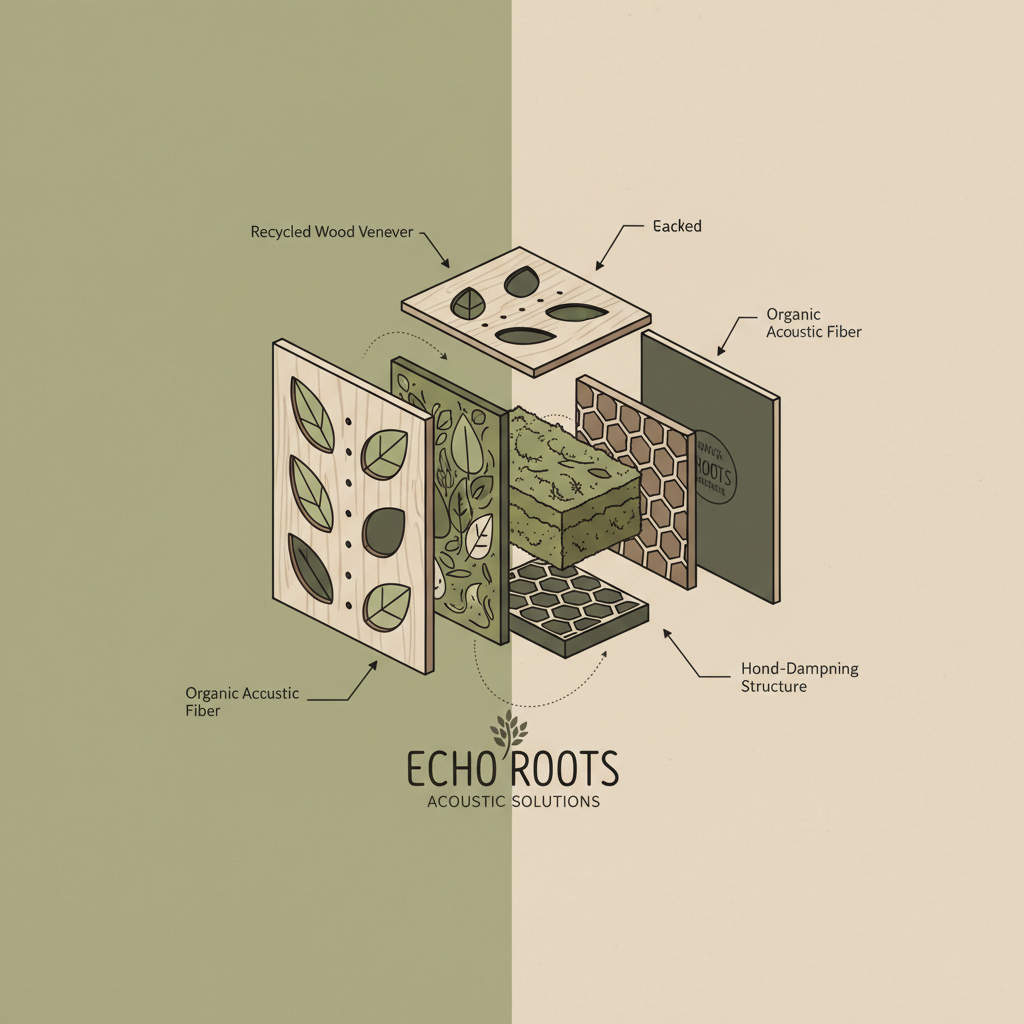
Sound absorbing wood wall panels are rapidly gaining prominence as a crucial element in modern acoustic design. These panels aren’t simply decorative; they represent a sophisticated solution to noise pollution in diverse environments, from bustling commercial spaces to serene residential settings. Understanding their functionality and benefits is increasingly important as we prioritize well-being and productivity in our built environments.
Globally, noise pollution is recognized as a significant public health concern. The World Health Organization estimates that prolonged exposure to excessive noise can lead to various health issues, including stress, sleep disturbance, and even cardiovascular problems. sound absorbing wood wall panels offer a proactive approach to mitigating these negative impacts, enhancing the quality of life for individuals and communities.
The rising demand for effective acoustic solutions, coupled with a growing awareness of sustainable building materials, has fueled the adoption of wood-based acoustic panels. They present an environmentally friendly alternative to traditional materials, offering both performance and aesthetic appeal.
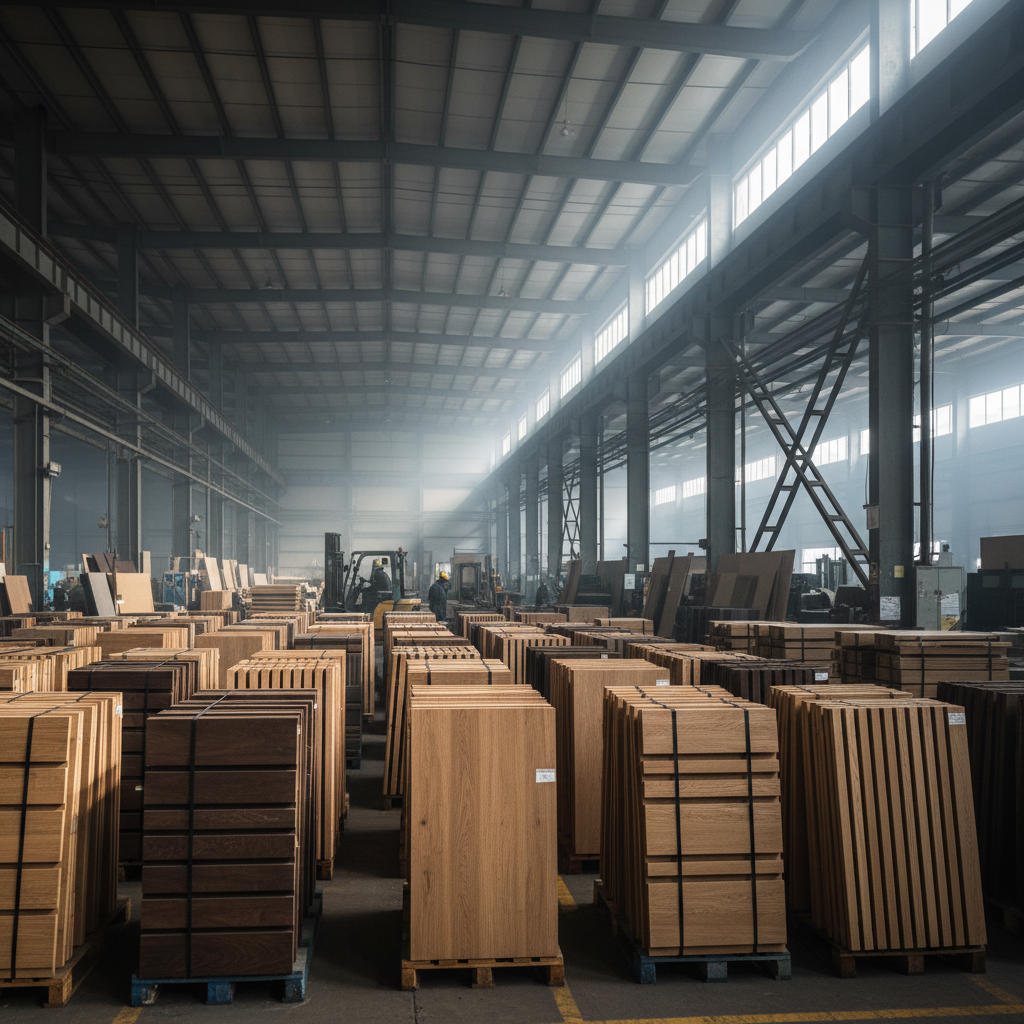
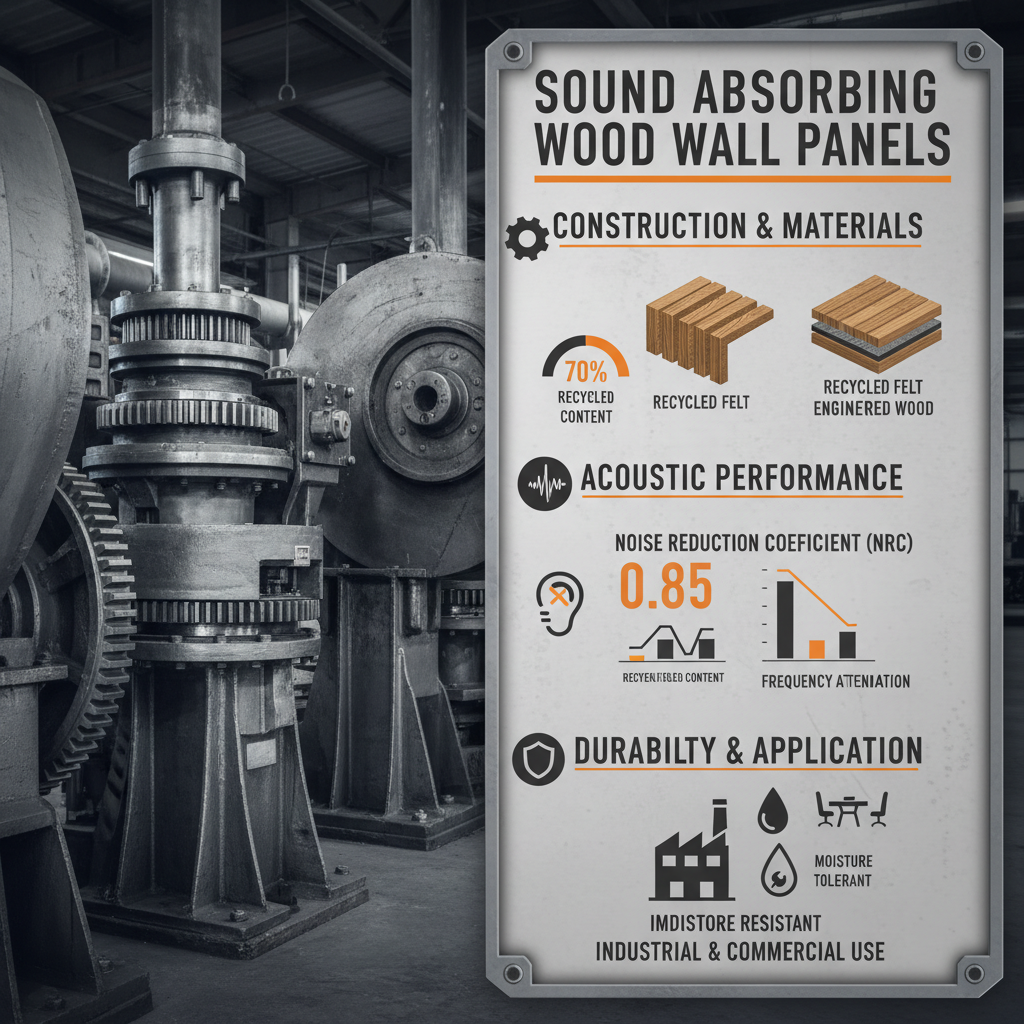
Sound absorbing wood wall panels represent a convergence of aesthetic design and functional acoustic performance. They are engineered to reduce reverberation and noise levels, creating more comfortable and productive spaces. This is achieved through the inherent properties of wood combined with strategically designed perforations or surface treatments.
The effectiveness of these panels stems from their ability to convert sound energy into heat through friction, minimizing reflections and enhancing overall sound clarity. Unlike some traditional acoustic materials, wood offers a natural and visually appealing aesthetic, seamlessly integrating into a variety of interior designs.
With proper care and maintenance, sound absorbing wood wall panels can last for 20-30 years or even longer. The lifespan depends on factors such as the wood species, the quality of the finish, and the environmental conditions. Regular cleaning with a mild detergent and avoiding exposure to excessive moisture will help prolong their durability.
Many sound absorbing wood wall panels are treated with fire-retardant coatings to meet specific building code requirements. The level of fire resistance varies depending on the treatment and the wood species used. It’s crucial to verify that the panels comply with local fire safety regulations before installation.
Regular cleaning with a soft, damp cloth and a mild detergent is generally sufficient. Avoid abrasive cleaners or harsh chemicals, as these can damage the finish. For more stubborn stains, consult the manufacturer’s recommendations. Periodically inspect the panels for any signs of wear and tear and address them promptly.
Installation methods vary depending on the panel type and the substrate. Common methods include direct adhesion, furring strips, and mechanical fasteners. It’s crucial to follow the manufacturer’s instructions carefully to ensure proper installation and optimal performance. Professional installation is recommended for complex projects.
Yes, wood is a renewable resource, making sound absorbing wood wall panels a more sustainable option than many other acoustic materials. Look for panels made from sustainably harvested wood and with low-VOC finishes to minimize environmental impact. Proper disposal or recycling at the end of their life cycle is also important.
While primarily designed for sound absorption within a room, sound absorbing wood wall panels can also offer some degree of sound transmission loss between rooms. However, for maximum sound isolation, additional soundproofing measures, such as resilient channels or mass-loaded vinyl, may be necessary. Their main strength remains within-room acoustic improvement.
In conclusion, sound absorbing wood wall panels represent a compelling solution to the pervasive issue of noise pollution. Their unique combination of aesthetic appeal, acoustic performance, and sustainability makes them an increasingly valuable asset in a diverse range of environments. By effectively reducing reverberation and enhancing sound clarity, they contribute to improved productivity, well-being, and overall quality of life.
As technology continues to advance and environmental consciousness grows, we can anticipate further innovations in this field. Embracing sound absorbing wood wall panels and other sustainable acoustic solutions is essential for creating healthier, more comfortable, and more productive spaces for generations to come.

 Afrikaans
 Albanian
 Amharic
 Arabic
 Armenian
 Azerbaijani
 Basque
 Belarusian
 Bengali
 Bosnian
 Bulgarian
 Catalan
 Cebuano
 Corsican
 Croatian
 Czech
Czech
 Danish
 Dutch
Dutch
 Esperanto
 Estonian
 Finnish
 French
 Frisian
 Galician
 Georgian
 German
 Greek
Greek
 Gujarati
 Haitian Creole
 Hausa
Hausa
 Hawaiian
 Hebrew
 Hindi
Hindi
 Miao
Miao
 Hungarian
 Icelandic
 Igbo
Igbo
 Indonesian
 Irish
Irish
 Italian
 Japanese
 Javanese
 Kannada
 Kazakh
 Khmer
Khmer
 Rwandese
 Korean
 Kurdish
 Kyrgyz
 Lao
Lao
 Latin
Latin
 Latvian
 Lithuanian
 Luxembourgish
 Macedonian
 Malgashi
 Malay
Malay
 Malayalam
 Maltese
 Maori
Maori
 Marathi
 Mongolian
 Myanmar
 Nepali
 Norwegian
 Norwegian
 Occitan
 Pashto
 Persian
 Polish
 Portuguese
 Punjabi
 Romanian
 Russian
 Samoan
 Scottish Gaelic
 Serbian
 Sesotho
 Shona
Shona
 Sindhi
 Sinhala
 Slovak
 Slovenian
 Somali
 Spanish
 Sundanese
 Swahili
 Swedish
 Tagalog
 Tajik
Tajik
 Tamil
Tamil
 Tatar
Tatar
 Telugu
 Thai
Thai
 Turkish
 Turkmen
 Ukrainian
 Urdu
Urdu
 Uighur
 Uzbek
Uzbek
 Vietnamese
 Welsh
Welsh
 Bantu
Bantu
 Yiddish
 Yoruba
 Zulu
Zulu
 English