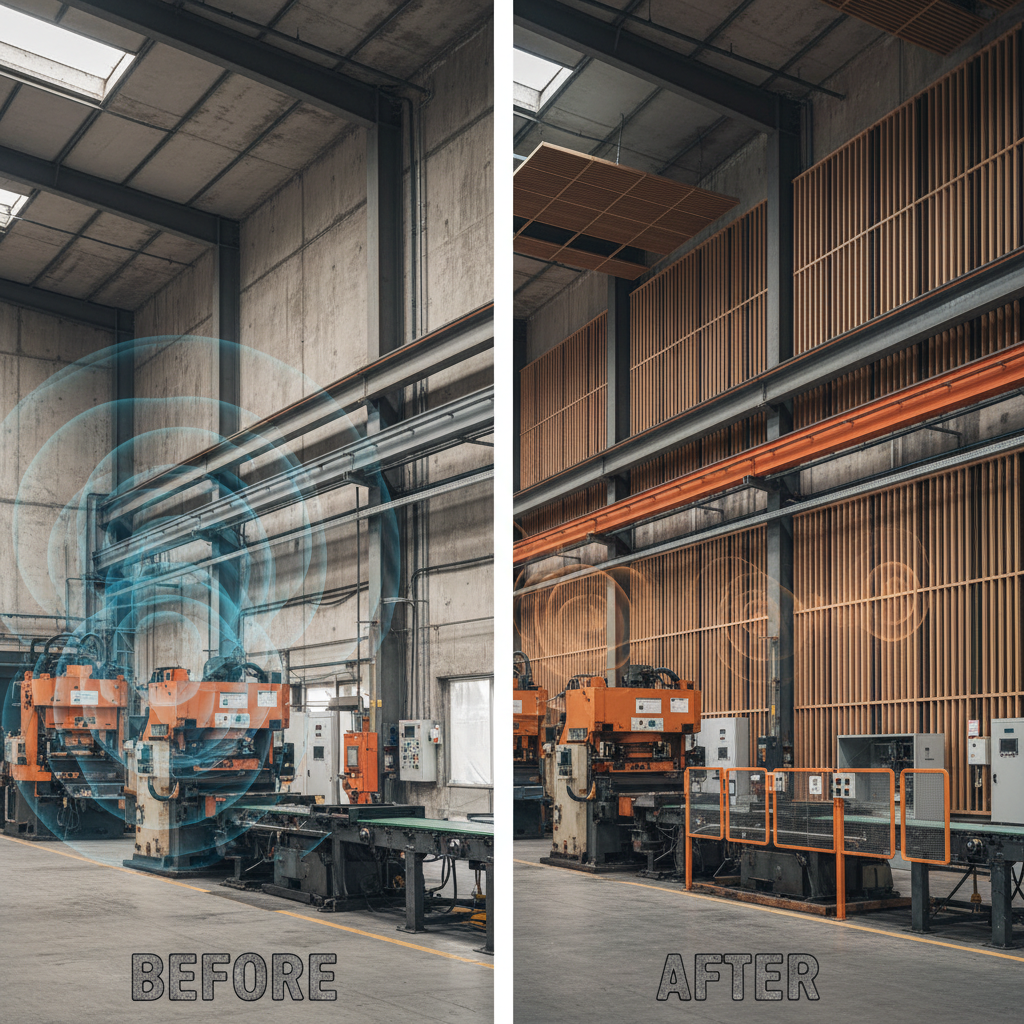
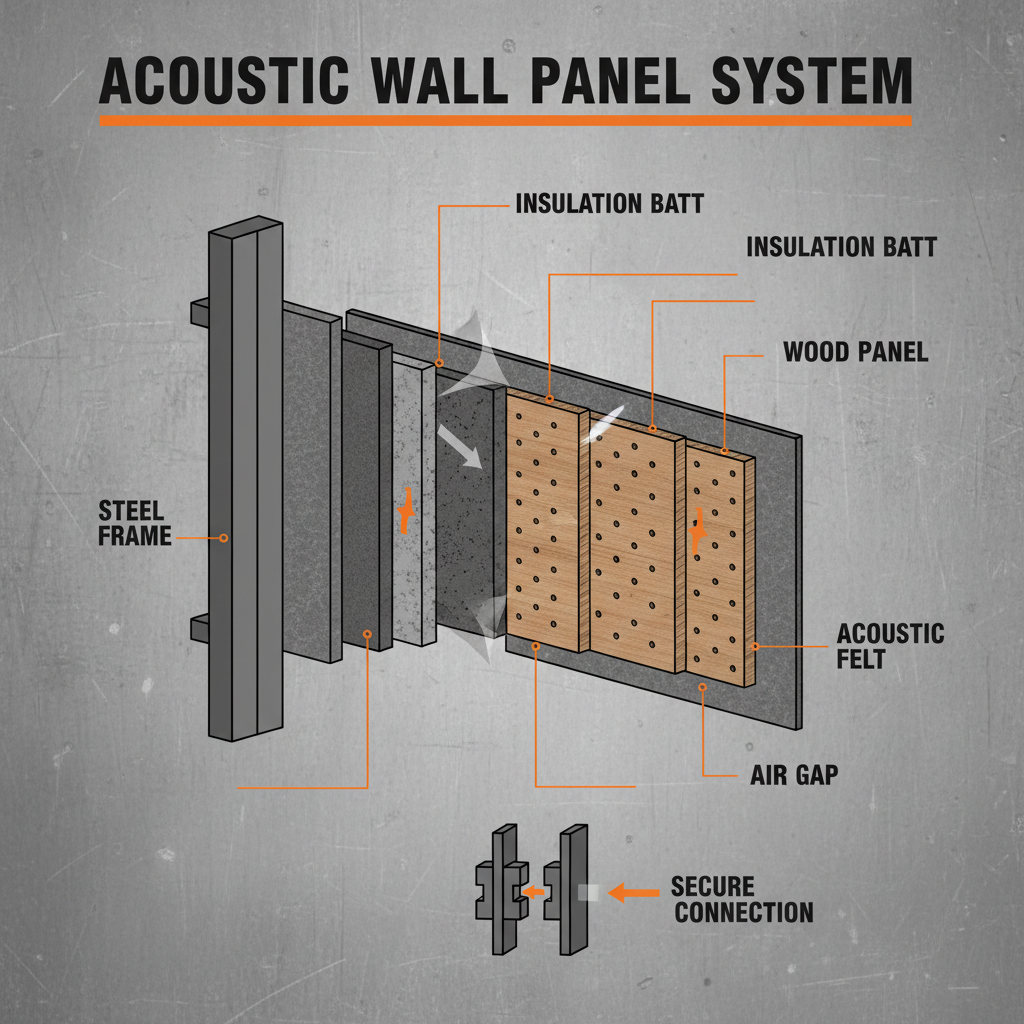
To be honest, the whole industry is going crazy for prefabrication these days. Everyone's talking about modular this, off-site that… it’s a bit much, if you ask me. But you can't ignore it. Costs are climbing, labor’s getting harder to find, and everyone wants things faster. We’re seeing more and more projects demanding speed and precision, and that’s where acoustic panel company comes in. Used to be, soundproofing was an afterthought, something you tacked on at the end. Now? It’s built in from the start. And that’s good, because frankly, a noisy building is just… a bad building.
We spend so much time focused on fancy materials and complex designs, but have you noticed how often the simplest things are the hardest to get right? With acoustic panel company, it's the edges, always the edges. A slight gap, a poorly sealed seam, and the whole thing falls apart. It's not rocket science, but it needs obsessive attention to detail. I’ve seen whole batches rejected because someone skimped on the finishing.
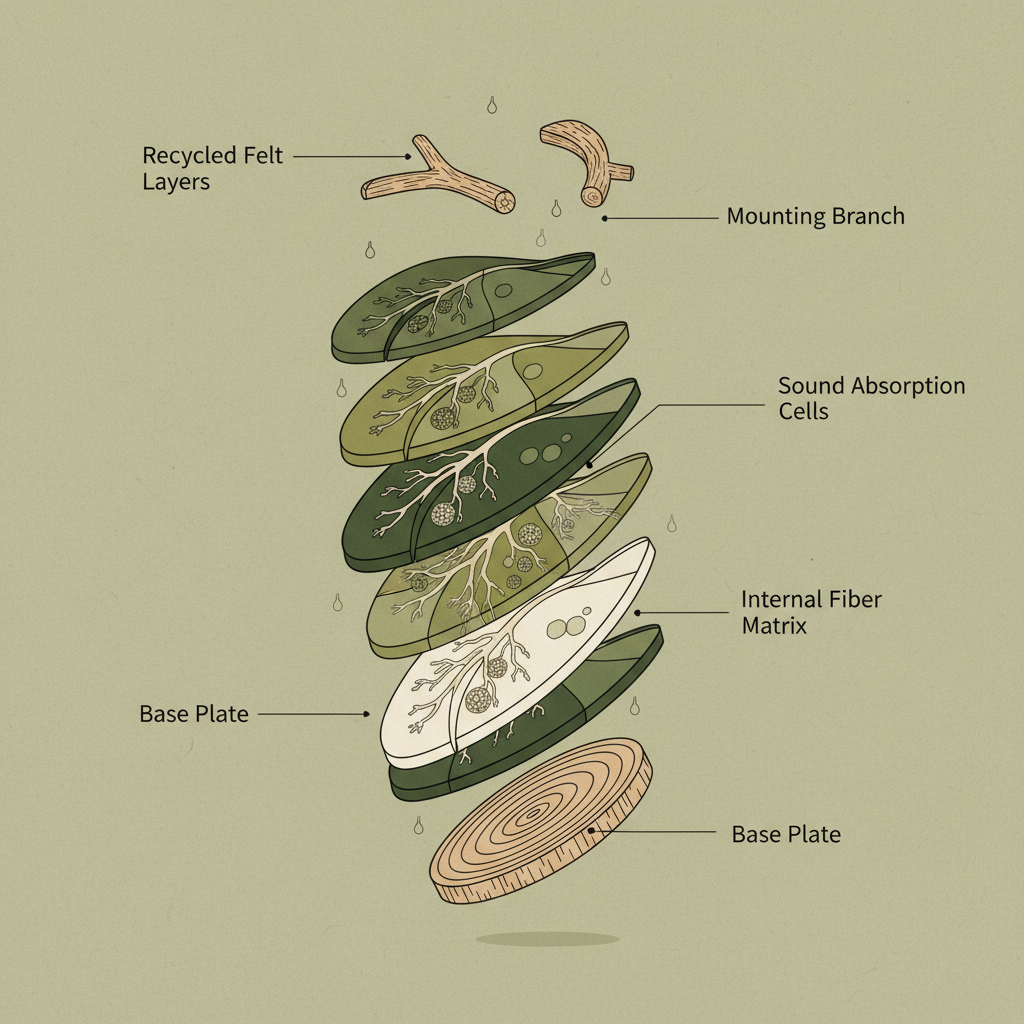
And it’s not just the design. The materials themselves... they matter. A lot. We primarily use PET felt, made from recycled plastic bottles. Feels a bit like stiff cardboard at first, smells a little plasticky when you first open a roll – you get used to it. But it's lightweight, easy to cut, and absorbs sound like a dream. We've been testing some mineral wool options too, denser stuff, better for low frequencies, but it's a pain to work with – gets everywhere, and you need a respirator. That's the thing, right? Performance versus practicality.
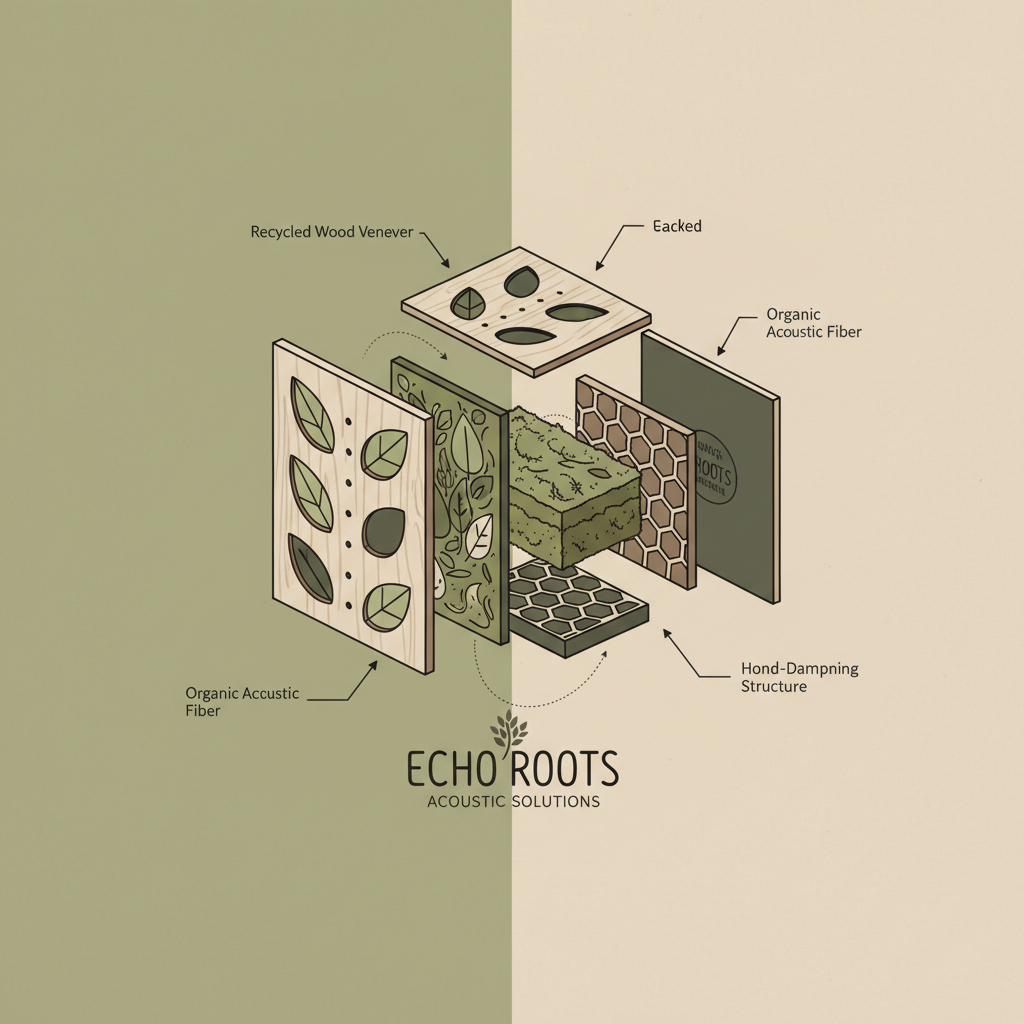
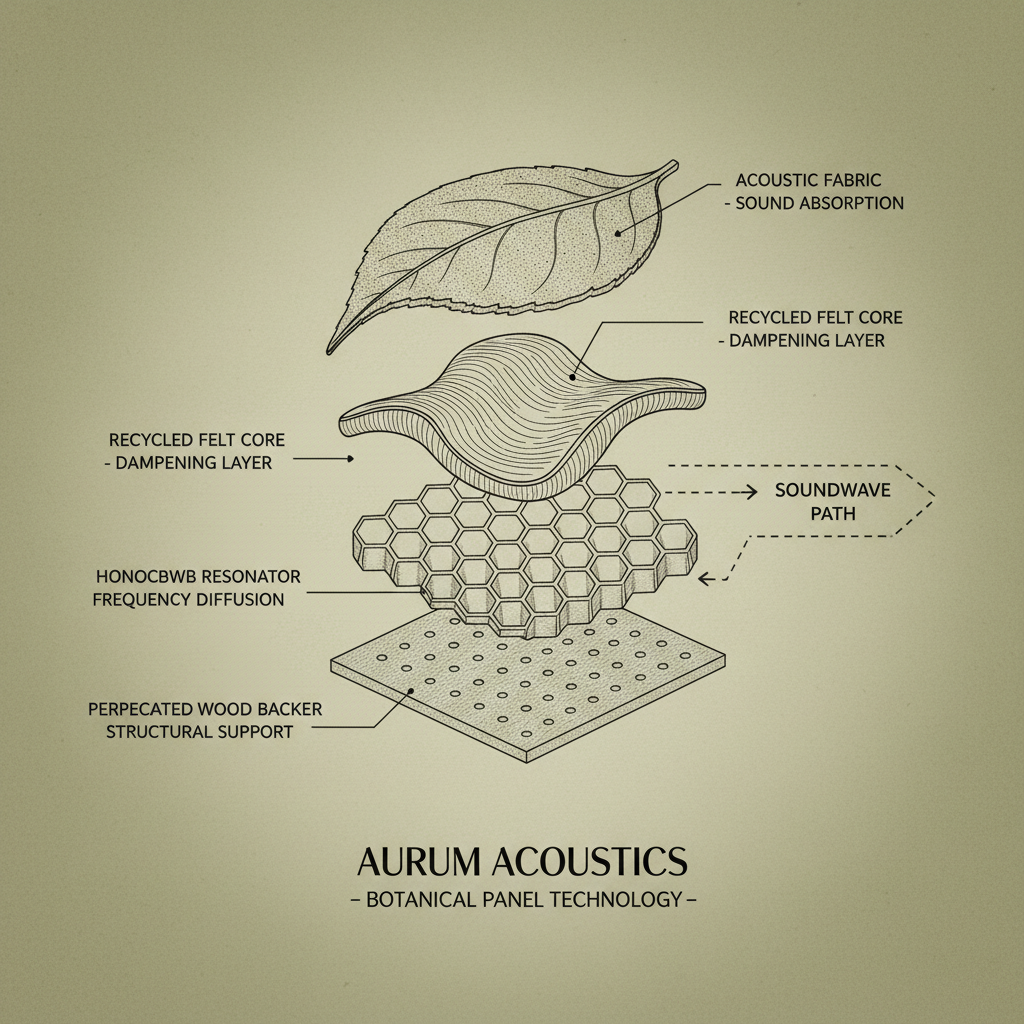
Strangely enough, we don’t spend a lot of time in labs. Most of our testing happens on-site. We’ll build a temporary enclosure, crank up some speakers, and measure the noise reduction with a sound level meter. Simple, but effective. I encountered this at a factory in Jiangsu last time – they’d spec’d these super-high-end panels, but the installation was sloppy, and the results were… underwhelming. Proves that even the best product can be ruined by bad workmanship. It also reveals a surprising trend.
What I'm seeing is people misunderstanding NRC ratings. They think a higher NRC means it's better for all frequencies. It’s not. It’s a weighted average. You need to look at the full frequency spectrum to really understand what you’re dealing with. And don’t even get me started on STC ratings… whole different ballgame.
NRC (Noise Reduction Coefficient) measures how well a material absorbs sound energy, focusing on speech frequencies. STC (Sound Transmission Class) measures how well a material blocks sound from passing through it, dealing with a wider range of frequencies. Essentially, NRC is about absorption within a space, while STC is about preventing sound from entering or leaving a space. Understanding both is crucial for effective soundproofing.
Most quality acoustic panels are treated with fire retardants to meet safety standards. However, the level of fire resistance varies depending on the material and treatment. Look for panels with a Class A or Class 1 fire rating, meaning they have been tested and meet stringent fire safety requirements. Always check the product specifications and ensure they comply with local building codes.
Cleaning acoustic panels depends on the fabric covering. Generally, vacuuming regularly with a soft brush attachment is sufficient. For spot cleaning, use a mild detergent and water solution, and avoid soaking the fabric. Always test the cleaning solution in an inconspicuous area first. For tougher stains, consult the manufacturer's instructions.
Yes, many acoustic panels are designed for DIY installation, especially those with adhesive backings or simple mounting systems. However, for larger projects or complex installations, it's often best to hire a professional. Proper installation is crucial for achieving optimal acoustic performance. Incorrectly installed panels can create gaps and reduce their effectiveness.
With proper care and maintenance, acoustic panels can last for many years, often 10-20 years or more. The lifespan depends on the material, usage, and environmental conditions. Regular cleaning and avoiding excessive moisture or physical damage will help extend their lifespan. Over time, some materials may experience slight discoloration or compression, but this usually doesn’t affect their acoustic performance.
Absolutely! Many manufacturers now offer acoustic panels made from recycled materials, such as PET felt (from recycled plastic bottles) or recycled cotton. These options are not only environmentally friendly but also offer excellent acoustic performance. Look for panels with certifications like Greenguard or Oeko-Tex, which indicate low chemical emissions and sustainable manufacturing practices.
Ultimately, acoustic panel company isn't about fancy technology or complex formulas. It’s about understanding how sound behaves, choosing the right materials, and paying attention to the details. It's a practical field, driven by real-world needs and constraints.
And let me tell you something. Whether this thing works or not, the worker will know the moment he tightens the screw. He'll hear the difference. If it feels solid, if it feels right, chances are it is. Don't overthink it. Just build it properly, and let the sound do the talking. For more information, or to discuss your specific project needs, visit our website: acoustic panel company.

 Afrikaans
 Albanian
 Amharic
 Arabic
 Armenian
 Azerbaijani
 Basque
 Belarusian
 Bengali
 Bosnian
 Bulgarian
 Catalan
 Cebuano
 Corsican
 Croatian
 Czech
Czech
 Danish
 Dutch
Dutch
 Esperanto
 Estonian
 Finnish
 French
 Frisian
 Galician
 Georgian
 German
 Greek
Greek
 Gujarati
 Haitian Creole
 Hausa
Hausa
 Hawaiian
 Hebrew
 Hindi
Hindi
 Miao
Miao
 Hungarian
 Icelandic
 Igbo
Igbo
 Indonesian
 Irish
Irish
 Italian
 Japanese
 Javanese
 Kannada
 Kazakh
 Khmer
Khmer
 Rwandese
 Korean
 Kurdish
 Kyrgyz
 Lao
Lao
 Latin
Latin
 Latvian
 Lithuanian
 Luxembourgish
 Macedonian
 Malgashi
 Malay
Malay
 Malayalam
 Maltese
 Maori
Maori
 Marathi
 Mongolian
 Myanmar
 Nepali
 Norwegian
 Norwegian
 Occitan
 Pashto
 Persian
 Polish
 Portuguese
 Punjabi
 Romanian
 Russian
 Samoan
 Scottish Gaelic
 Serbian
 Sesotho
 Shona
Shona
 Sindhi
 Sinhala
 Slovak
 Slovenian
 Somali
 Spanish
 Sundanese
 Swahili
 Swedish
 Tagalog
 Tajik
Tajik
 Tamil
Tamil
 Tatar
Tatar
 Telugu
 Thai
Thai
 Turkish
 Turkmen
 Ukrainian
 Urdu
Urdu
 Uighur
 Uzbek
Uzbek
 Vietnamese
 Welsh
Welsh
 Bantu
Bantu
 Yiddish
 Yoruba
 Zulu
Zulu
 English