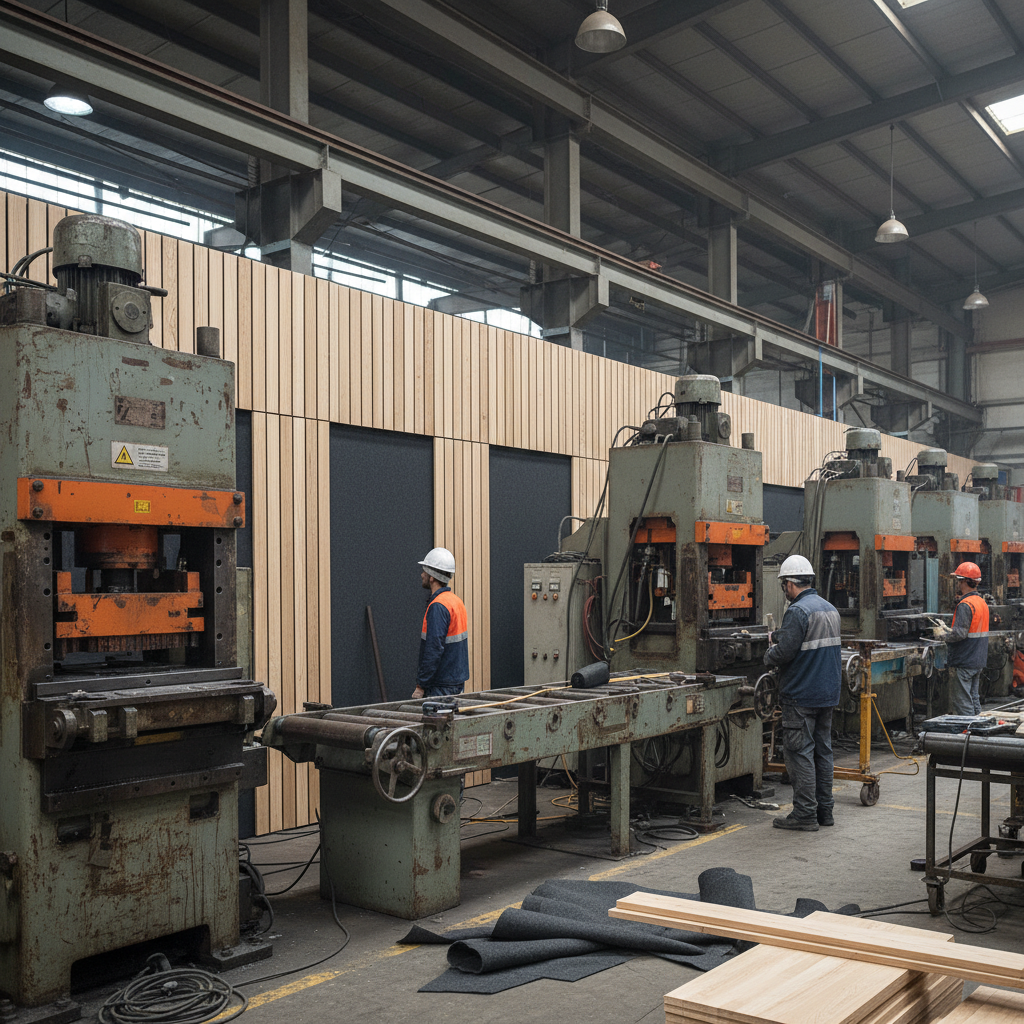
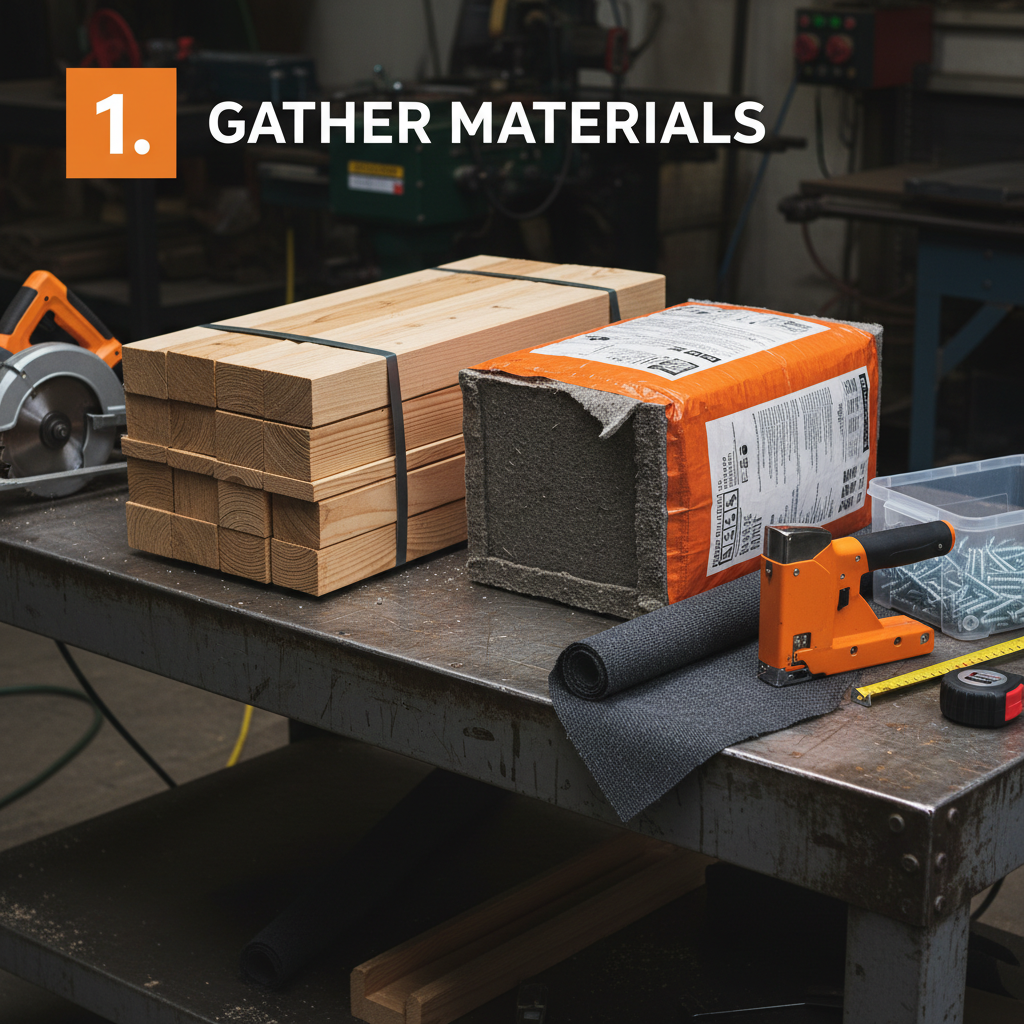
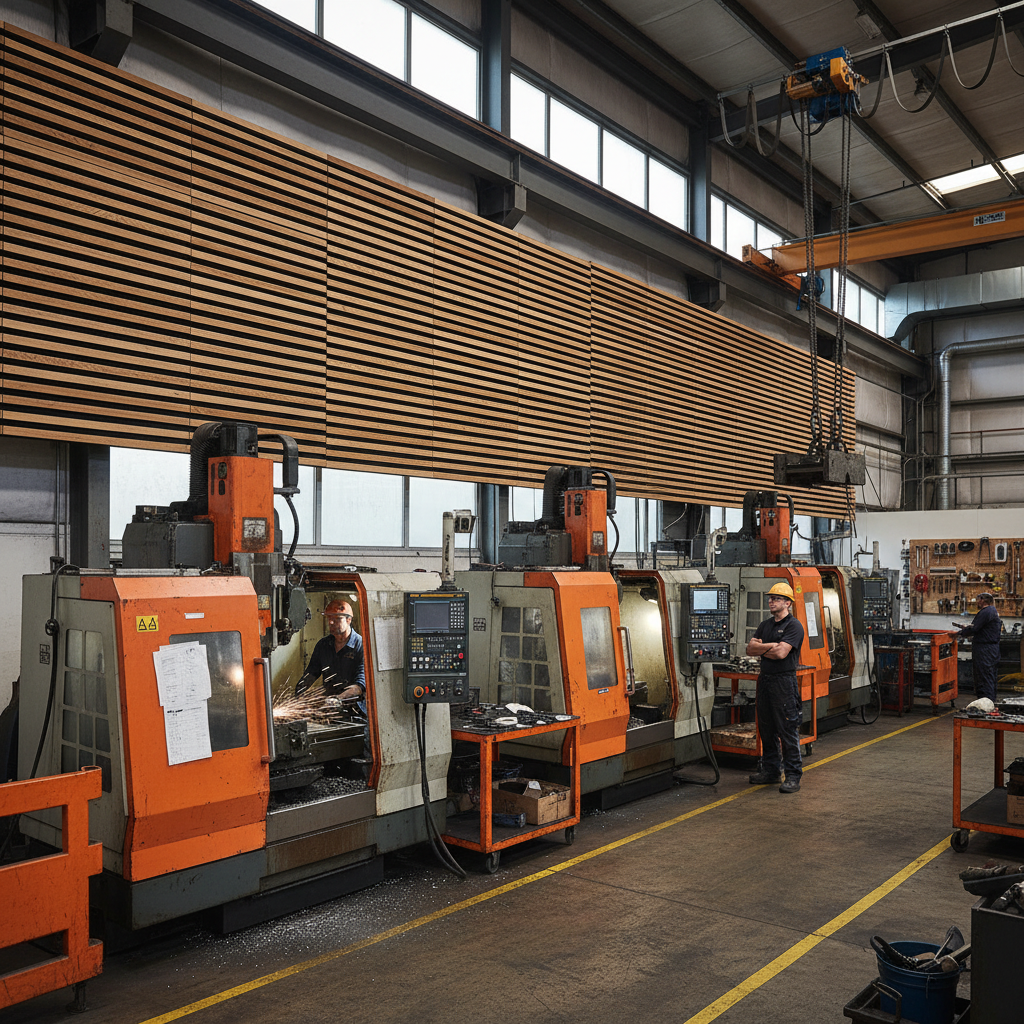
To be honest, the whole industry’s been buzzing about prefabrication lately. Everyone’s talking about speed, efficiency… but have you noticed, a lot of these solutions still fall apart when you actually get to a real construction site? It’s all well and good in the brochures, but the reality is, things get banged around, weather happens, and someone always forgets a bolt. Anyway, I think focusing on the details is what really matters.
I’ve spent the last fifteen years hauling materials, and let me tell you, felt acoustic panels… they're a different beast. Not your typical drywall or wood. It's… surprisingly dense, you know? It doesn’t smell like much, thankfully, unlike some of the composite stuff. A little dusty when you cut it, though. You gotta wear a good mask. Feels kinda like pressed wool, obviously, but with a firmness you wouldn’t expect.
The biggest trap people fall into with these? Thinking they're indestructible. They're durable, absolutely, but they're not bombproof. You still gotta treat them with respect, especially during install. And the adhesive…that's a whole other story.
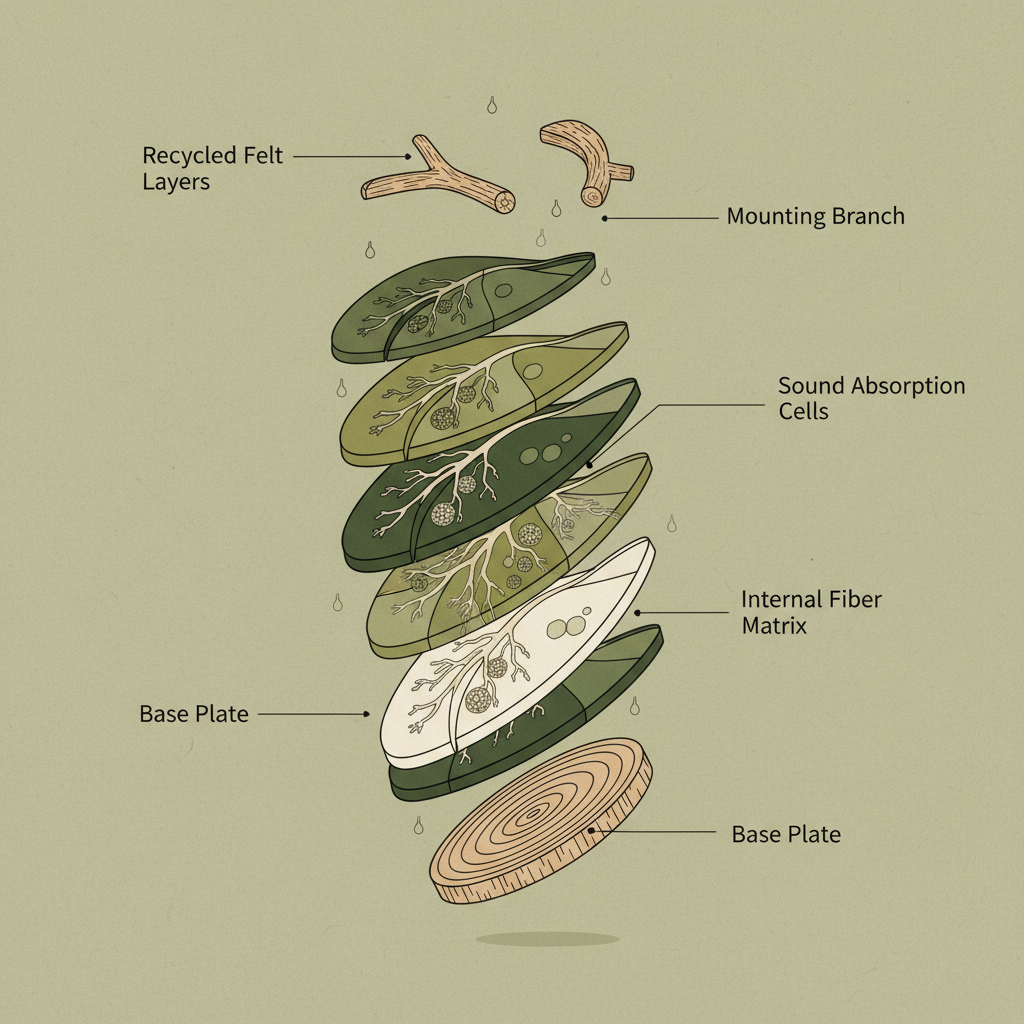
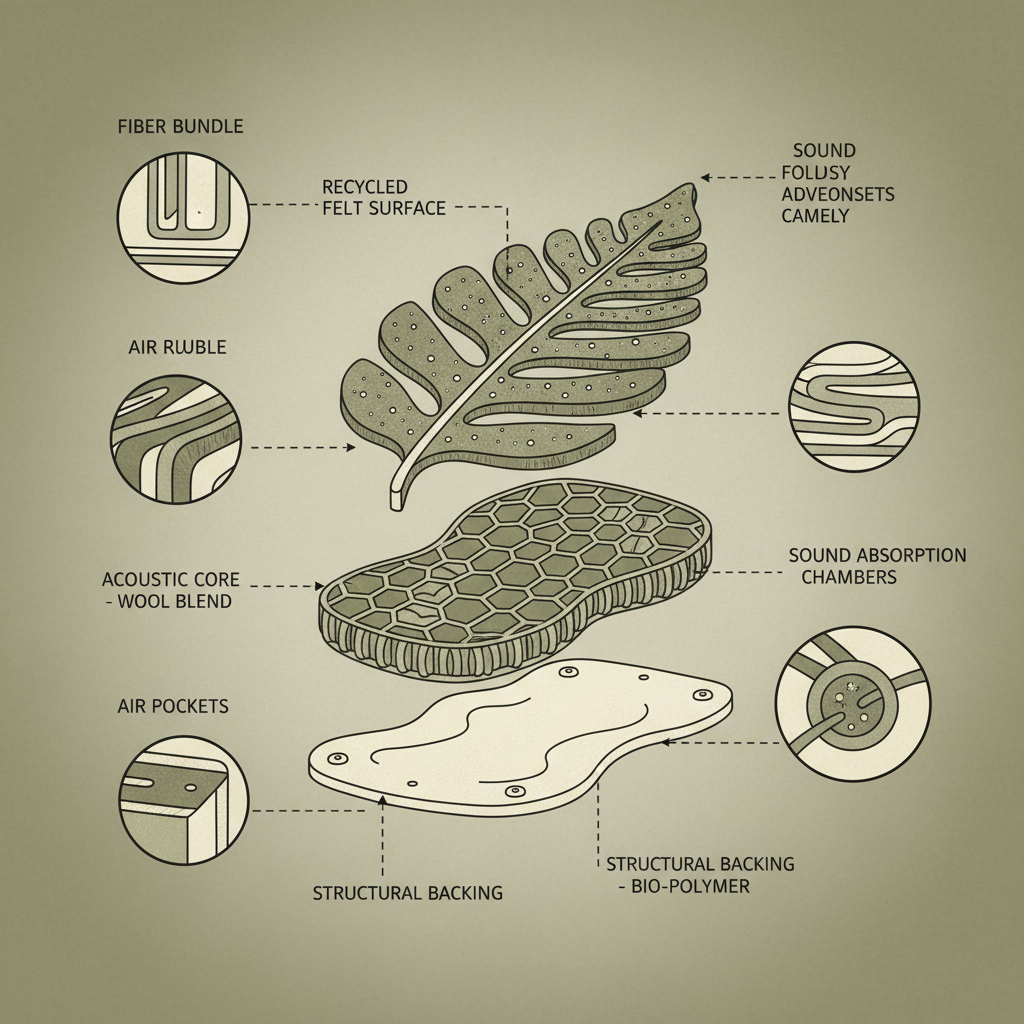
Like I said, prefabrication is huge right now. Everyone wants faster turnaround, lower labor costs… which is fair enough. But strangely, a lot of companies are skimping on the foundational stuff. They’re using cheap adhesives, poorly sourced materials… it just doesn’t hold up. And then they wonder why the whole thing starts to unravel after six months. It's always the same story.
The other big thing is soundproofing. People are realizing how important it is, especially in open-plan offices and apartments. And that's where felt acoustic panels really shine. But people often underestimate how much you need to actually change the space. You can't just slap a few panels on the wall and expect miracles.
They're surprisingly easy, actually. A sharp utility knife and a straight edge will do the trick for most cuts. You can also use a power saw, but be prepared for a lot of dust. The material is relatively soft, so it doesn’t splinter or crack easily. Just remember to measure twice, cut once. And wear a mask!
That's a tricky one. There are a lot of adhesives out there that claim to work, but not all of them will actually hold up over time. I’ve had good luck with construction adhesive specifically designed for porous materials. Avoid anything too watery or solvent-based, as it can damage the panels. And always test a small area first to make sure it doesn't discolor the felt.
They’re generally treated to be fire retardant, but they’re not fireproof. Check the specific product specifications for the fire rating. You’ll want to make sure they meet the local building codes for your area. They’ll slow down the spread of flames, but they'll still burn eventually.
Keep it simple. Vacuuming with a soft brush attachment is usually enough. For stubborn stains, you can try gently blotting with a damp cloth and mild detergent. But avoid harsh chemicals or abrasive cleaners, as they can damage the felt. Prevention is key – try to avoid getting them dirty in the first place!
It's possible, but not recommended. The paint can reduce the sound absorption properties of the felt. If you absolutely have to paint them, use a breathable acrylic paint specifically designed for fabrics and test it on a small, inconspicuous area first. Honestly, just buy them in the color you want from the start. It’s easier.
It depends on a lot of factors – how well they were installed, how much wear and tear they get, and the environment they’re in. Generally, you can expect them to last 5-10 years with proper care. But if they’re constantly being bumped into or exposed to moisture, they’ll wear out faster. Ultimately, it comes down to common sense.
So, there you have it. Felt acoustic panels aren’t a magic bullet, but they’re a solid option for soundproofing and improving the aesthetics of a space. They're versatile, relatively easy to work with, and eco-friendly. Just remember to do your research, choose quality materials, and don't underestimate the importance of proper installation.
Ultimately, whether this thing works or not, the worker will know the moment he tightens the screw. And if he's shaking his head, well, you’ve got a problem. Visit our website to learn more: www.ytakupanel.com.

 Afrikaans
 Albanian
 Amharic
 Arabic
 Armenian
 Azerbaijani
 Basque
 Belarusian
 Bengali
 Bosnian
 Bulgarian
 Catalan
 Cebuano
 Corsican
 Croatian
 Czech
Czech
 Danish
 Dutch
Dutch
 Esperanto
 Estonian
 Finnish
 French
 Frisian
 Galician
 Georgian
 German
 Greek
Greek
 Gujarati
 Haitian Creole
 Hausa
Hausa
 Hawaiian
 Hebrew
 Hindi
Hindi
 Miao
Miao
 Hungarian
 Icelandic
 Igbo
Igbo
 Indonesian
 Irish
Irish
 Italian
 Japanese
 Javanese
 Kannada
 Kazakh
 Khmer
Khmer
 Rwandese
 Korean
 Kurdish
 Kyrgyz
 Lao
Lao
 Latin
Latin
 Latvian
 Lithuanian
 Luxembourgish
 Macedonian
 Malgashi
 Malay
Malay
 Malayalam
 Maltese
 Maori
Maori
 Marathi
 Mongolian
 Myanmar
 Nepali
 Norwegian
 Norwegian
 Occitan
 Pashto
 Persian
 Polish
 Portuguese
 Punjabi
 Romanian
 Russian
 Samoan
 Scottish Gaelic
 Serbian
 Sesotho
 Shona
Shona
 Sindhi
 Sinhala
 Slovak
 Slovenian
 Somali
 Spanish
 Sundanese
 Swahili
 Swedish
 Tagalog
 Tajik
Tajik
 Tamil
Tamil
 Tatar
Tatar
 Telugu
 Thai
Thai
 Turkish
 Turkmen
 Ukrainian
 Urdu
Urdu
 Uighur
 Uzbek
Uzbek
 Vietnamese
 Welsh
Welsh
 Bantu
Bantu
 Yiddish
 Yoruba
 Zulu
Zulu
 English