Wood slat acoustic wall panels are rapidly gaining prominence in modern architectural design and interior acoustics. These panels offer a unique blend of aesthetic appeal and functional performance, addressing the growing need for sound management in diverse spaces, from bustling offices and recording studios to serene residential settings. The increasing demand stems from a greater awareness of the impact of noise pollution on well-being and productivity, coupled with a desire for visually striking and adaptable interior solutions.
Globally, the construction and interior design industries are experiencing a shift towards sustainable and versatile materials. Wood slat acoustic wall panels fit this trend perfectly, utilizing renewable resources and offering design flexibility. The market is driven by factors such as increased construction activity in developing nations, stringent building codes regarding acoustics, and a rising emphasis on biophilic design, which integrates natural elements into built environments. This global trend signifies a demand for solutions that enhance both functionality and aesthetics.
Furthermore, the accessibility of wood slat acoustic wall panels has increased due to advancements in manufacturing techniques and supply chain efficiencies. They are no longer a niche product, but rather a mainstream choice for architects, designers, and homeowners seeking to improve sound quality and enhance the visual character of interior spaces. This rise in popularity highlights a growing recognition of the importance of acoustic comfort and design integration.
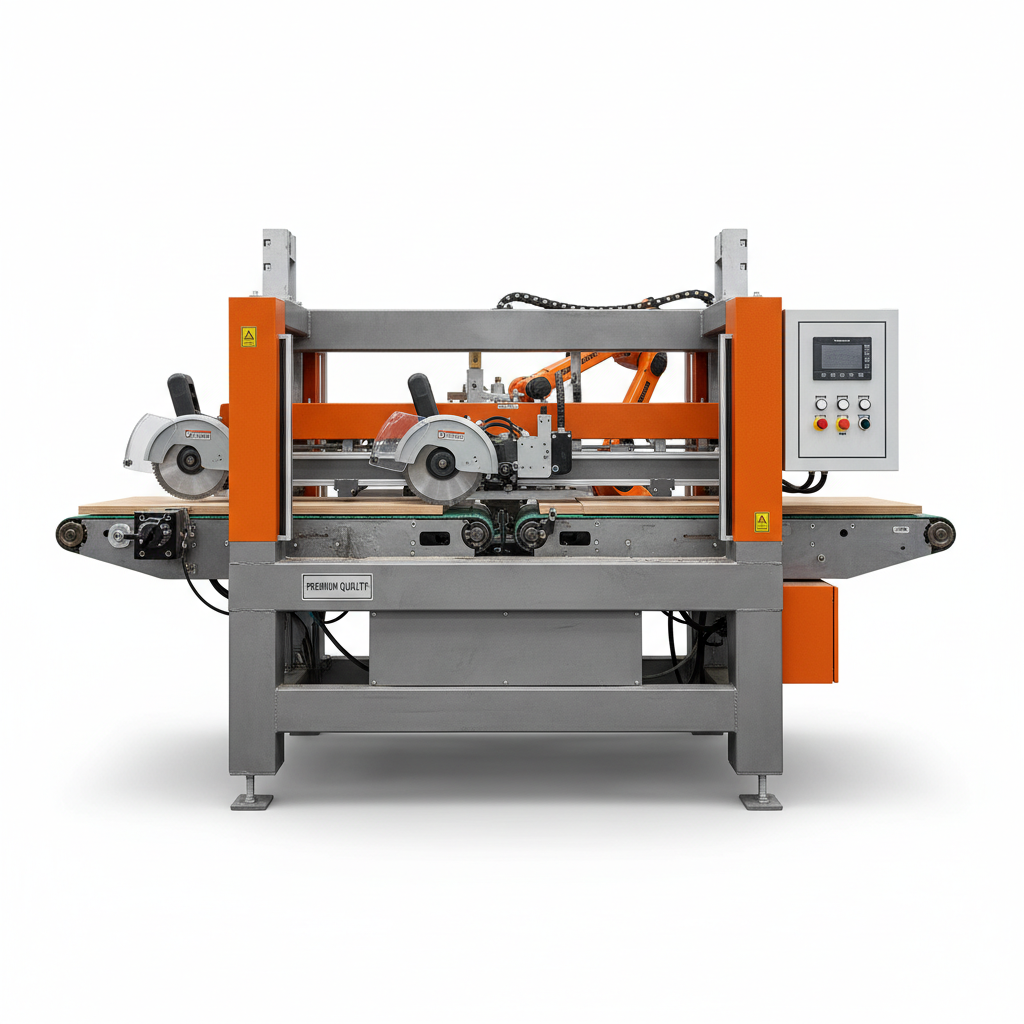
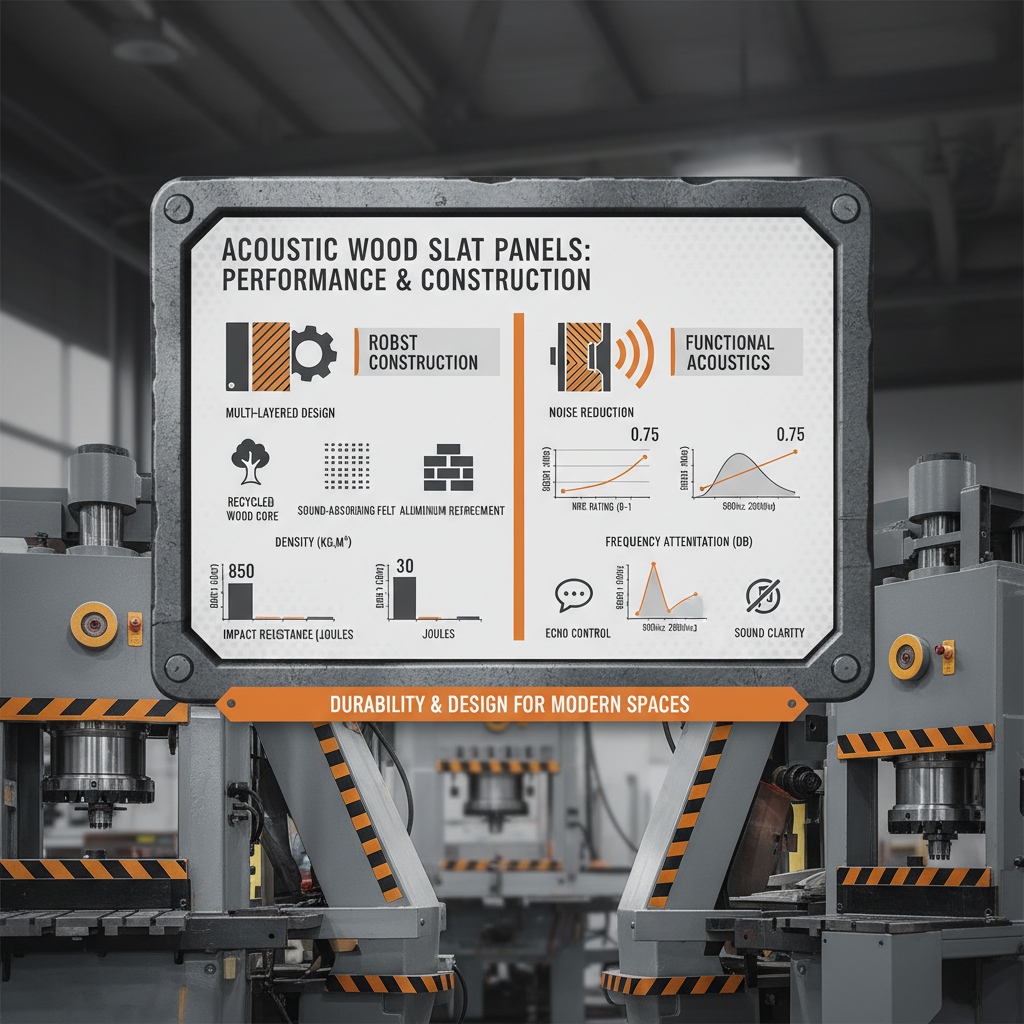
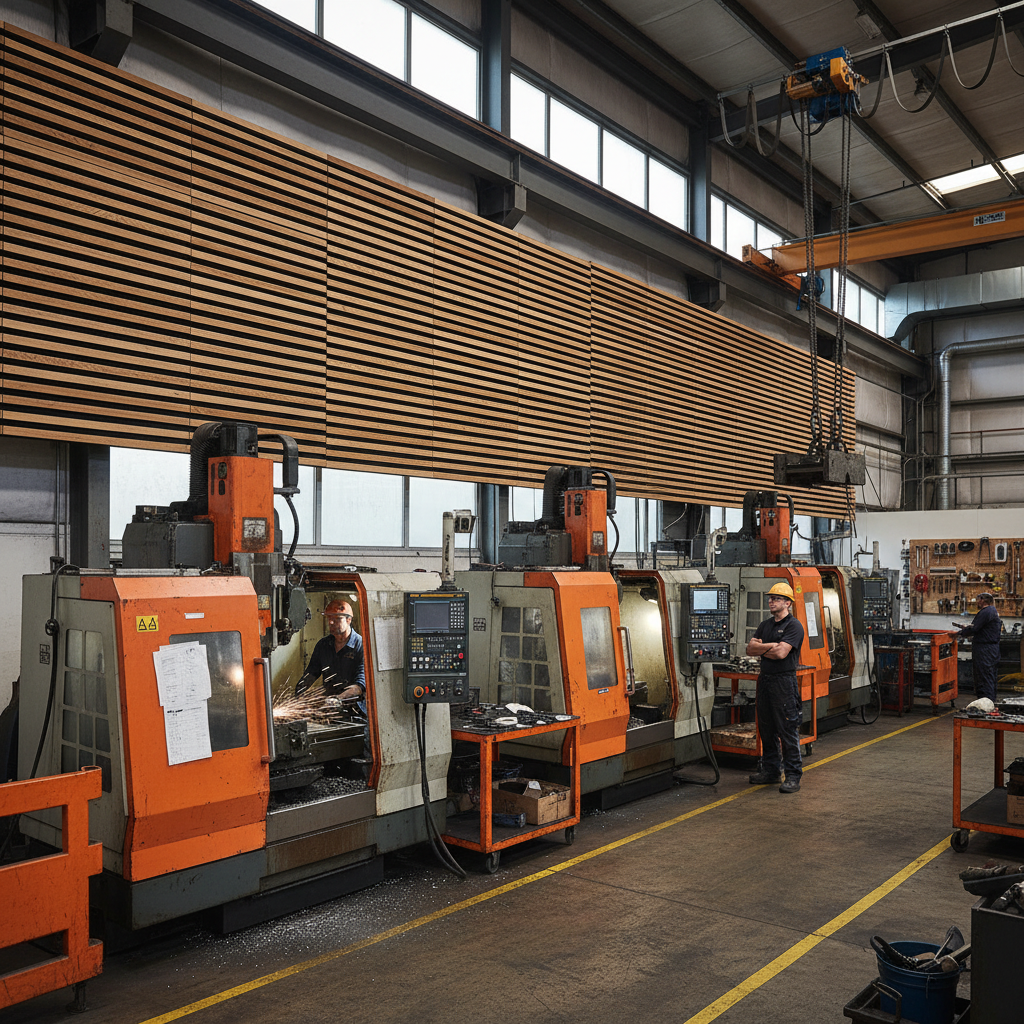
Wood slat acoustic wall panels represent a sophisticated approach to interior design, combining aesthetic appeal with effective sound absorption. Unlike traditional flat acoustic surfaces, these panels utilize the natural sound-diffusing properties of wood slats, interspersed with acoustic backing materials, to reduce reverberation and echo within a space. This creates a more comfortable and productive environment, essential in today's fast-paced world.
The design versatility of wood slat acoustic wall panels allows for a wide range of aesthetic expressions. From minimalist, linear arrangements to complex, geometric patterns, these panels can be customized to complement any interior style. The choice of wood species, slat width, and spacing further enhances design possibilities, providing architects and designers with an unparalleled level of creative control.
With proper care and maintenance, wood slat acoustic wall panels can last for 25-50 years, or even longer. The lifespan depends on factors such as the wood species used, the quality of the finishing, and the environmental conditions. Regular cleaning and occasional refinishing can extend their life significantly, ensuring lasting performance and aesthetic appeal.
Many wood slat acoustic panels are treated with fire-retardant coatings to meet building code requirements. The level of fire resistance varies depending on the specific treatment and the wood species used. It's crucial to verify that the panels meet the relevant fire safety standards for your location and application. We offer panels tested and certified to meet various fire safety regulations.
Cleaning wood slat acoustic panels is generally straightforward. Dusting with a soft cloth or vacuuming with a brush attachment is usually sufficient. For more stubborn stains, a mild soap and water solution can be used, followed by thorough drying. Avoid using abrasive cleaners or harsh chemicals, as they can damage the wood finish. Regular maintenance will preserve their appearance and performance.
While some simpler installations can be tackled by experienced DIY enthusiasts, professional installation is generally recommended for optimal results. Proper installation ensures that the panels are securely mounted, correctly aligned, and that the acoustic performance is maximized. Incorrect installation can compromise the sound absorption and aesthetic appeal of the panels.
Common wood species used include maple, oak, beech, ash, and walnut. Each wood species offers different aesthetic qualities and acoustic properties. Sustainable options like bamboo are also gaining popularity. The choice of wood species depends on the desired look, budget, and acoustic performance requirements.
The NRC value of wood slat acoustic wall panels typically ranges from 0.65 to 0.90, depending on the panel construction, slat spacing, and backing material. Higher NRC values indicate better sound absorption. We can provide specific NRC data for our different panel configurations to help you choose the optimal solution for your needs.
In conclusion, wood slat acoustic wall panels offer a compelling combination of aesthetic appeal, acoustic performance, and sustainability. From enhancing the sound quality in bustling offices to creating tranquil residential spaces, these panels provide versatile solutions for a wide range of applications. Their long-term value lies in creating comfortable, productive, and visually inspiring environments.
As technology and materials science continue to evolve, we can expect even more innovative advancements in wood slat acoustic wall panel design and performance. Embracing these innovations will further solidify their position as a leading solution for architects, designers, and anyone seeking to create spaces that prioritize both function and beauty.

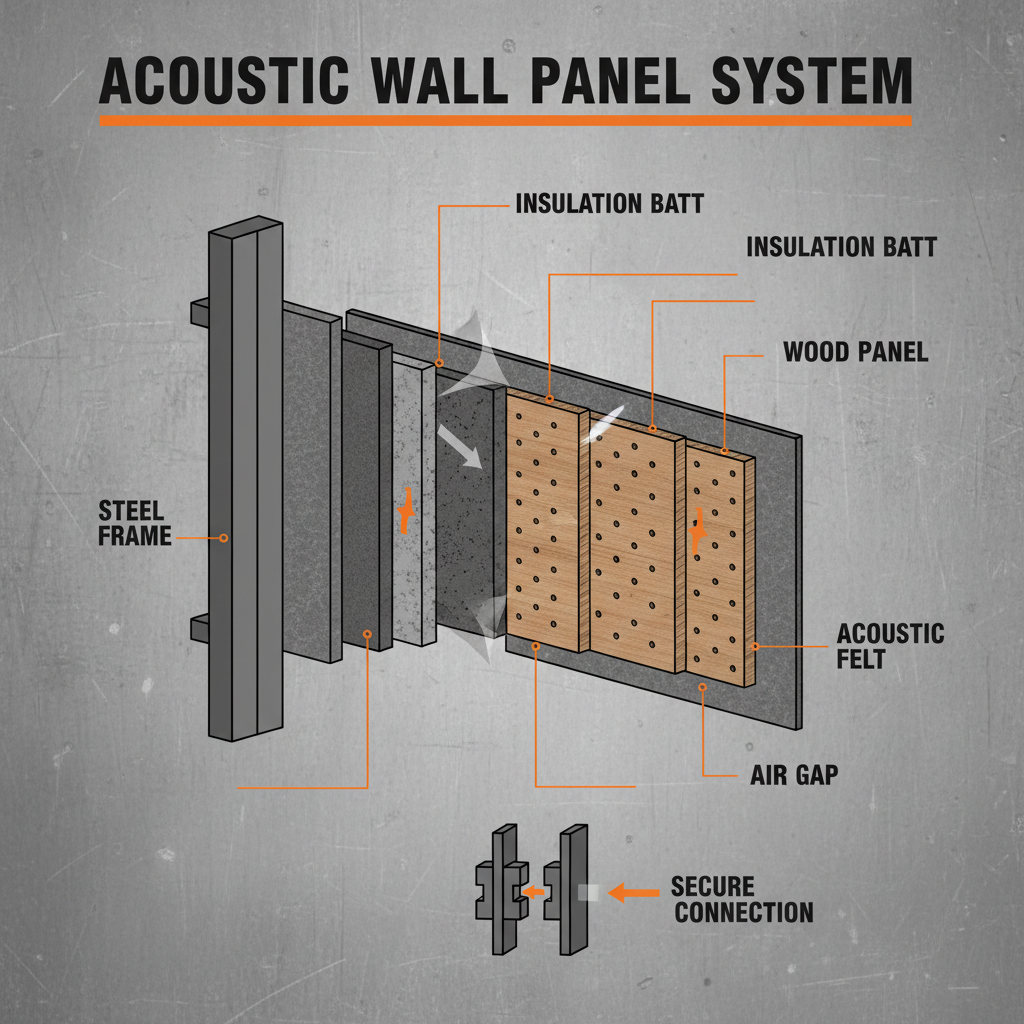
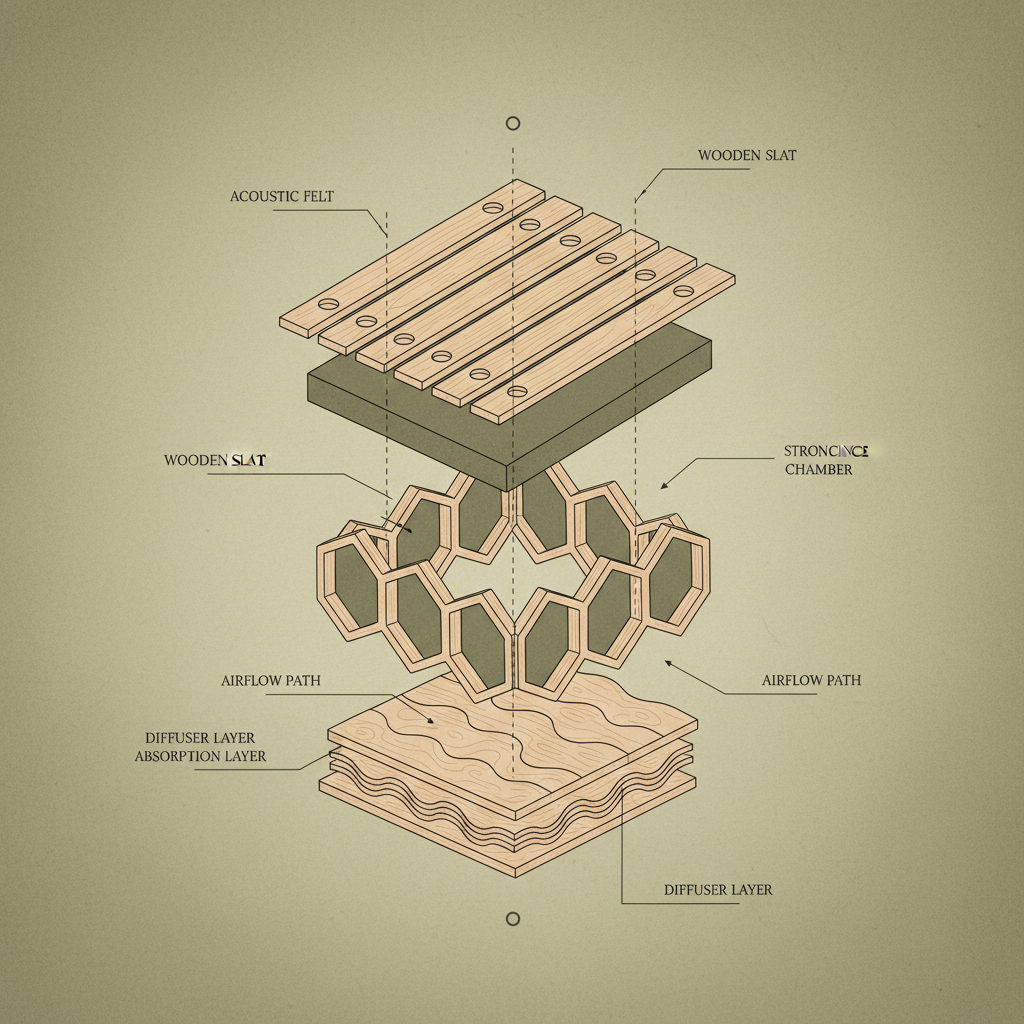

 Afrikaans
 Albanian
 Amharic
 Arabic
 Armenian
 Azerbaijani
 Basque
 Belarusian
 Bengali
 Bosnian
 Bulgarian
 Catalan
 Cebuano
 Corsican
 Croatian
 Czech
Czech
 Danish
 Dutch
Dutch
 Esperanto
 Estonian
 Finnish
 French
 Frisian
 Galician
 Georgian
 German
 Greek
Greek
 Gujarati
 Haitian Creole
 Hausa
Hausa
 Hawaiian
 Hebrew
 Hindi
Hindi
 Miao
Miao
 Hungarian
 Icelandic
 Igbo
Igbo
 Indonesian
 Irish
Irish
 Italian
 Japanese
 Javanese
 Kannada
 Kazakh
 Khmer
Khmer
 Rwandese
 Korean
 Kurdish
 Kyrgyz
 Lao
Lao
 Latin
Latin
 Latvian
 Lithuanian
 Luxembourgish
 Macedonian
 Malgashi
 Malay
Malay
 Malayalam
 Maltese
 Maori
Maori
 Marathi
 Mongolian
 Myanmar
 Nepali
 Norwegian
 Norwegian
 Occitan
 Pashto
 Persian
 Polish
 Portuguese
 Punjabi
 Romanian
 Russian
 Samoan
 Scottish Gaelic
 Serbian
 Sesotho
 Shona
Shona
 Sindhi
 Sinhala
 Slovak
 Slovenian
 Somali
 Spanish
 Sundanese
 Swahili
 Swedish
 Tagalog
 Tajik
Tajik
 Tamil
Tamil
 Tatar
Tatar
 Telugu
 Thai
Thai
 Turkish
 Turkmen
 Ukrainian
 Urdu
Urdu
 Uighur
 Uzbek
Uzbek
 Vietnamese
 Welsh
Welsh
 Bantu
Bantu
 Yiddish
 Yoruba
 Zulu
Zulu
 English