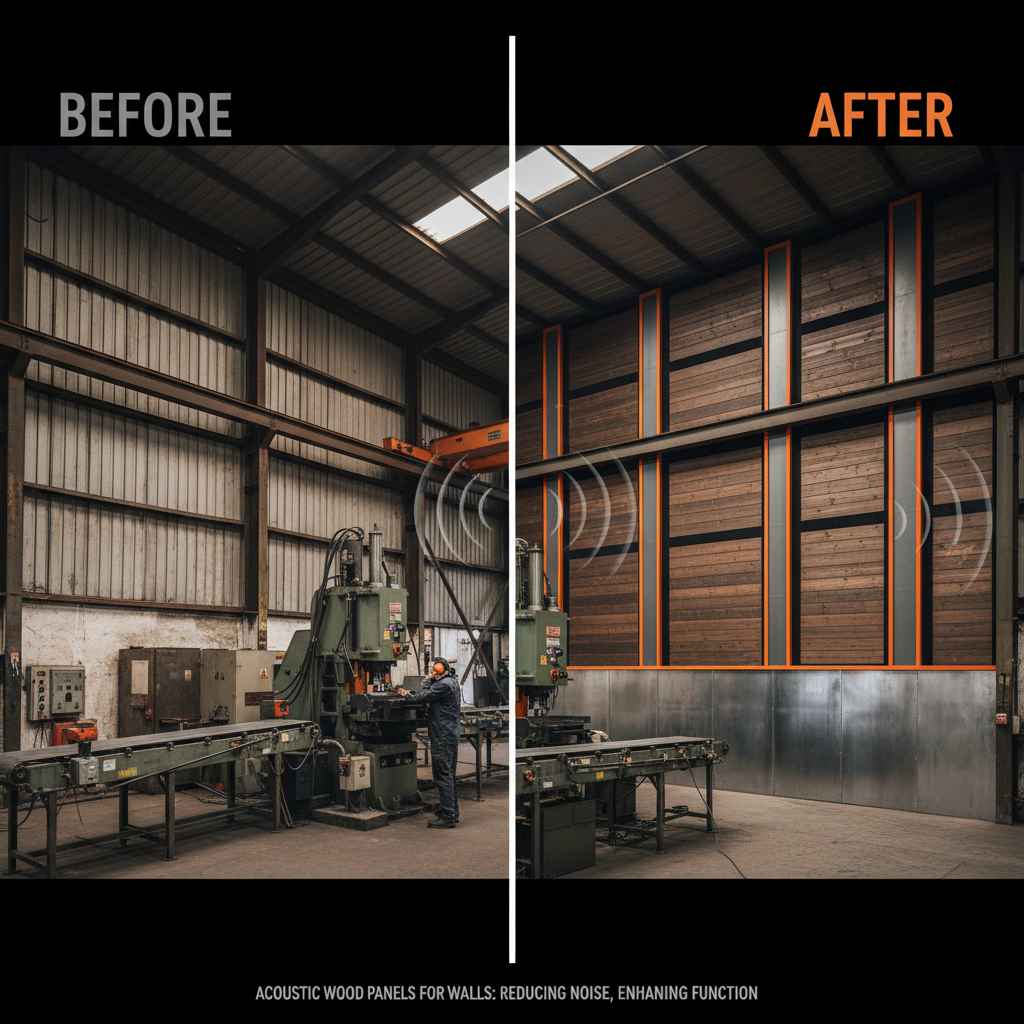
Wood veneer acoustic panels are rapidly gaining prominence in modern architectural design and sound management solutions. These panels represent a fusion of aesthetic appeal and functional performance, offering a sophisticated way to control noise and reverberation in various environments. Their increasing adoption reflects a global awareness of the importance of acoustics in enhancing productivity, well-being, and the overall experience of spaces, from offices and studios to homes and public facilities.
The demand for effective acoustic solutions is driven by several factors including increasing urbanization, open-plan office designs, and a greater emphasis on creating comfortable and productive environments. Traditional acoustic materials often lack visual appeal, but wood veneer acoustic panels bridge this gap, providing a natural, warm aesthetic that complements a wide range of interior styles. This makes them an increasingly attractive choice for architects, designers, and building owners alike.
Understanding the composition, benefits, and applications of wood veneer acoustic panels is crucial for anyone involved in building design, renovation, or soundproofing projects. The versatility and performance characteristics of these panels are reshaping how we approach acoustic comfort and aesthetic integration in built environments.


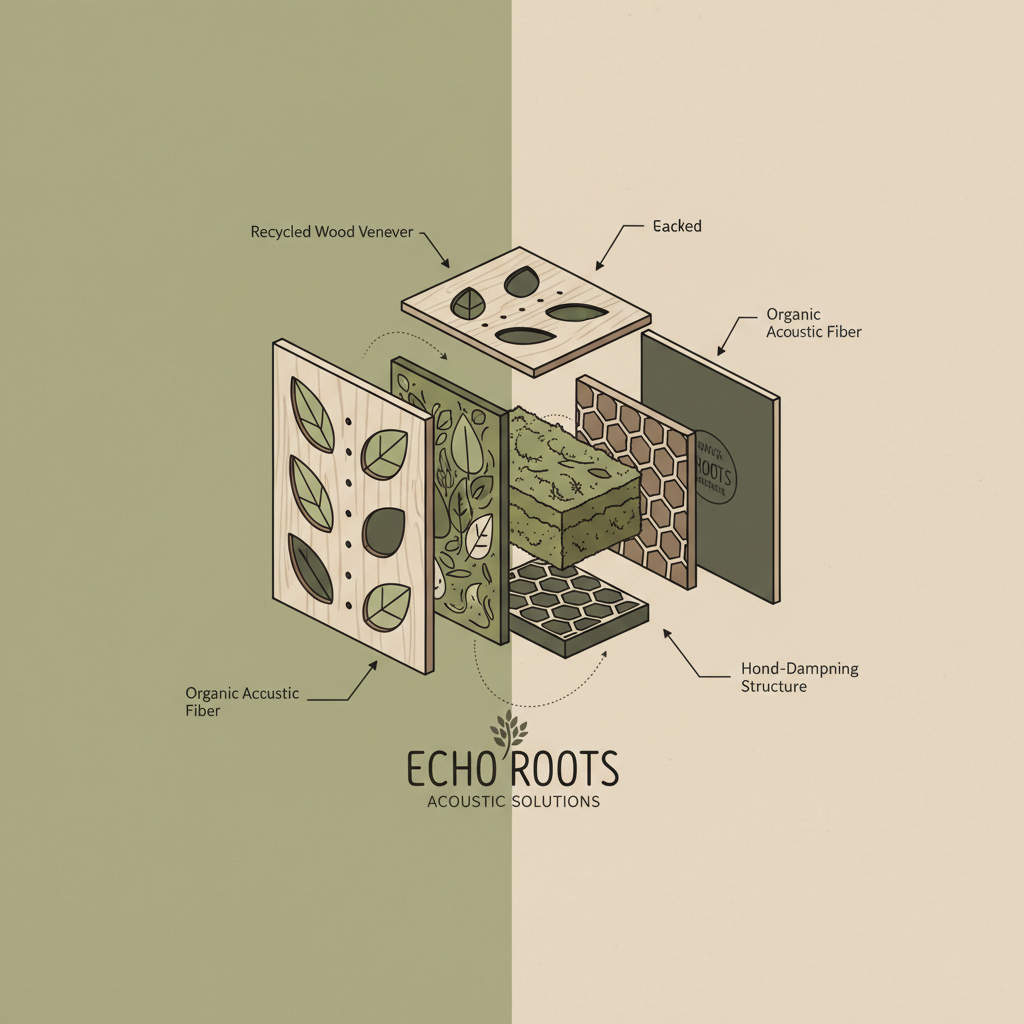
Wood veneer acoustic panels are composite materials designed to absorb sound energy, reducing noise levels and improving acoustic clarity within a space. They combine the aesthetic appeal of natural wood veneer with the sound-absorbing properties of underlying core materials, typically mineral wool, fiberglass, or acoustic foam. These panels are increasingly favored for their ability to simultaneously address both acoustic and aesthetic requirements.
The demand for high-performance acoustic solutions is rising alongside a growing understanding of the impact of sound on human health, productivity, and overall well-being. Wood veneer acoustic panels offer a practical and visually appealing solution for creating comfortable, functional, and aesthetically pleasing environments. This makes them ideal for a broad range of applications, from recording studios and home theaters to offices, restaurants, and educational institutions.
The lifespan of wood veneer acoustic panels typically ranges from 10 to 25 years, depending on the quality of materials used, installation conditions, and maintenance practices. Properly installed and maintained panels can withstand years of use without significant degradation in performance or appearance. Regular cleaning and avoiding exposure to excessive moisture are key factors in maximizing their lifespan.
Most wood veneer acoustic panels are treated with fire retardant coatings to meet industry safety standards. The specific fire resistance rating will vary depending on the core material and the type of veneer used. It’s crucial to ensure that the panels comply with local building codes and regulations regarding fire safety. Look for panels that have been tested and certified by reputable organizations.
Cleaning wood veneer acoustic panels is generally straightforward. Use a soft, damp cloth to wipe away dust and dirt. Avoid using harsh chemicals or abrasive cleaners, as these can damage the veneer finish. For more stubborn stains, consult a professional cleaning service. Periodic inspection and touch-up of the veneer finish may be necessary to maintain its appearance.
Wood veneer acoustic panels can be environmentally friendly if the wood veneer is sourced from sustainably managed forests. Look for panels that are certified by organizations such as the Forest Stewardship Council (FSC). The core materials used in the panels also play a role in their environmental impact. Choosing panels with recycled content or low-VOC emissions can further enhance their sustainability.
Proper installation is crucial for optimal performance and longevity. Generally, panels are adhered to the substrate using specialized adhesives or mechanical fasteners. It's recommended to follow the manufacturer's instructions carefully and ensure that the substrate is clean, dry, and level. Professional installation is often recommended, especially for larger projects or complex designs.
While wood veneer acoustic panels can be used in moderately humid environments, it’s crucial to choose panels specifically designed for such conditions. These panels often have a moisture-resistant coating or a sealed veneer finish. Proper ventilation and humidity control are also important to prevent warping or damage. Avoid using them in areas with direct exposure to water or high humidity levels.
Wood veneer acoustic panels represent a compelling solution for achieving optimal sound management without sacrificing aesthetic appeal. Their versatility, sustainability, and long-term value make them an increasingly popular choice for architects, designers, and building owners across a wide range of industries. Understanding their properties, applications, and future trends is essential for anyone involved in creating comfortable, functional, and aesthetically pleasing spaces.
As technology advances and sustainable building practices become more prevalent, we can expect to see further innovations in wood veneer acoustic panel design and performance. Investing in these panels is not just about improving acoustics; it's about creating healthier, more productive, and more enjoyable environments for people to live, work, and play. To explore a wide range of options and find the perfect wood veneer acoustic panels for your project, visit our website: www.ytakupanel.com.

 Afrikaans
 Albanian
 Amharic
 Arabic
 Armenian
 Azerbaijani
 Basque
 Belarusian
 Bengali
 Bosnian
 Bulgarian
 Catalan
 Cebuano
 Corsican
 Croatian
 Czech
Czech
 Danish
 Dutch
Dutch
 Esperanto
 Estonian
 Finnish
 French
 Frisian
 Galician
 Georgian
 German
 Greek
Greek
 Gujarati
 Haitian Creole
 Hausa
Hausa
 Hawaiian
 Hebrew
 Hindi
Hindi
 Miao
Miao
 Hungarian
 Icelandic
 Igbo
Igbo
 Indonesian
 Irish
Irish
 Italian
 Japanese
 Javanese
 Kannada
 Kazakh
 Khmer
Khmer
 Rwandese
 Korean
 Kurdish
 Kyrgyz
 Lao
Lao
 Latin
Latin
 Latvian
 Lithuanian
 Luxembourgish
 Macedonian
 Malgashi
 Malay
Malay
 Malayalam
 Maltese
 Maori
Maori
 Marathi
 Mongolian
 Myanmar
 Nepali
 Norwegian
 Norwegian
 Occitan
 Pashto
 Persian
 Polish
 Portuguese
 Punjabi
 Romanian
 Russian
 Samoan
 Scottish Gaelic
 Serbian
 Sesotho
 Shona
Shona
 Sindhi
 Sinhala
 Slovak
 Slovenian
 Somali
 Spanish
 Sundanese
 Swahili
 Swedish
 Tagalog
 Tajik
Tajik
 Tamil
Tamil
 Tatar
Tatar
 Telugu
 Thai
Thai
 Turkish
 Turkmen
 Ukrainian
 Urdu
Urdu
 Uighur
 Uzbek
Uzbek
 Vietnamese
 Welsh
Welsh
 Bantu
Bantu
 Yiddish
 Yoruba
 Zulu
Zulu
 English