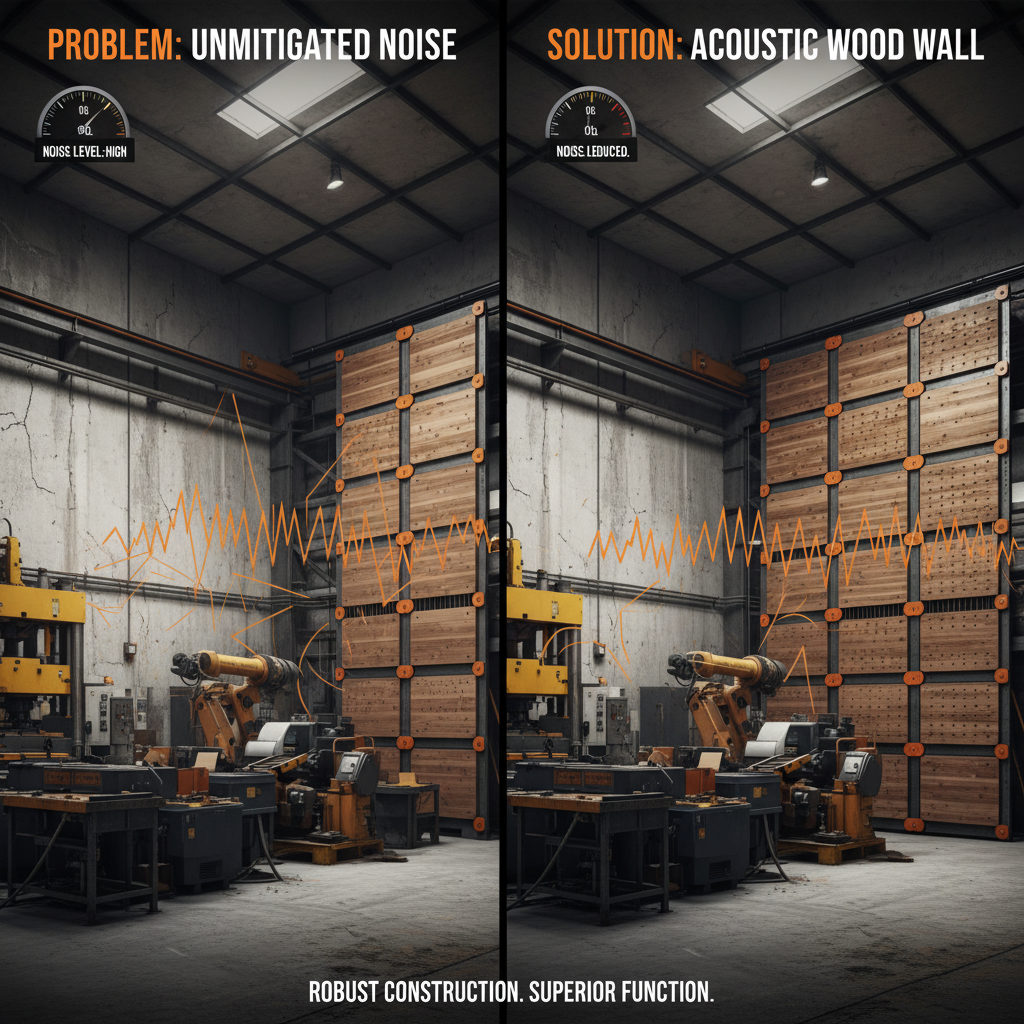
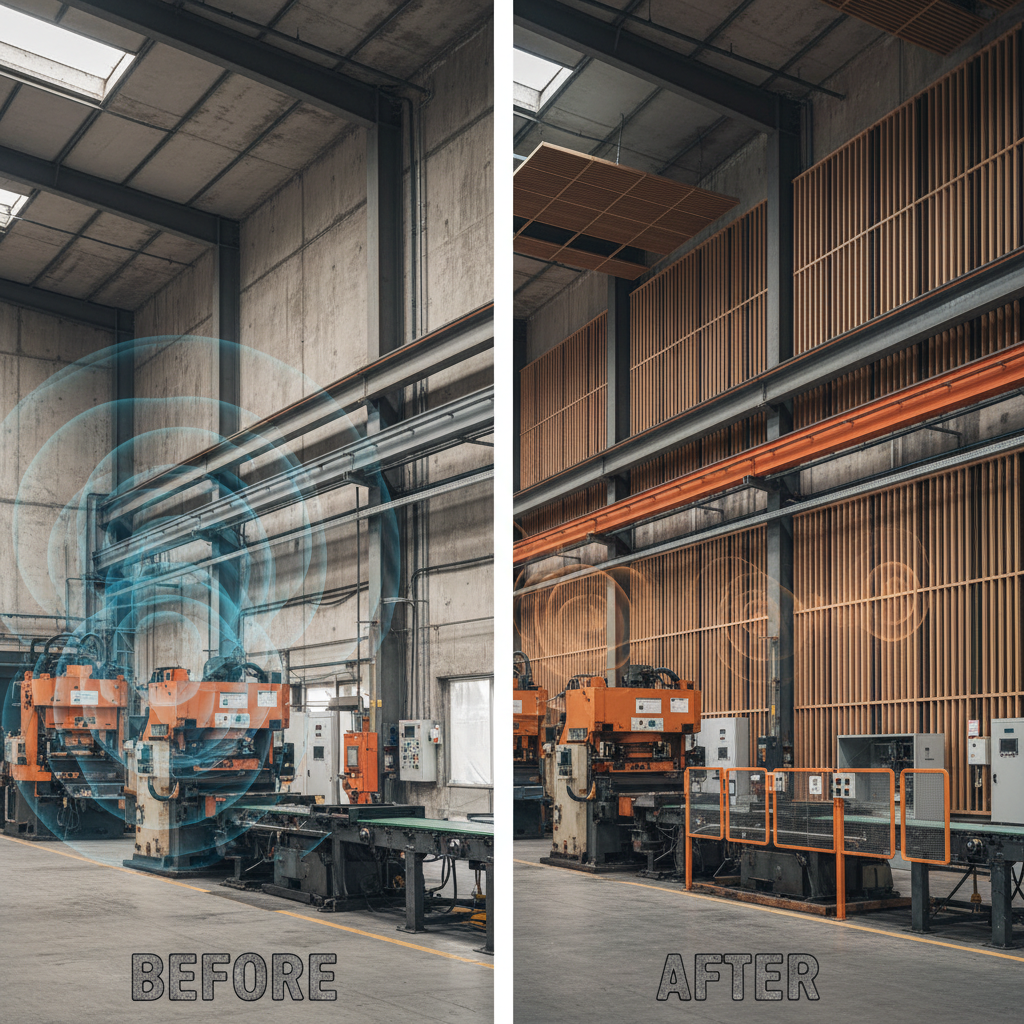
Building a home studio can be a fantastic way to unleash your creativity, but controlling the sound within that space is crucial. That’s where understanding how to make acoustic panels for home studio comes in. It’s not just about making the space sound good; it’s about making it sound professional. Poor acoustics can ruin a recording, make mixing a nightmare, and even cause fatigue during long sessions. This process isn’t some mystical art, either. It's a matter of understanding sound waves and applying basic principles of absorption. how to make acoustic panels for home studio is a skill every serious audio enthusiast should have in their toolbox.
The demand for effective home studio acoustics is growing rapidly, driven by the increasing number of musicians, podcasters, voice-over artists, and content creators working from home. According to a 2023 report by the Professional Audio Manufacturers Alliance (PAMA), the home recording market has seen a 20% increase in the last three years alone. This surge highlights a clear need for accessible and effective acoustic solutions. The problem? Many commercially available panels are expensive, and their performance isn’t always optimal for smaller, irregularly shaped rooms.
Learning how to make acoustic panels for home studio empowers you to tailor your acoustic treatment to your specific needs and budget. It allows for creative control over the aesthetic of your studio and provides a deeply satisfying DIY experience. Beyond the financial savings, you’ll gain a valuable understanding of sound behavior, making you a more informed audio professional. It's about taking control of your sonic environment.
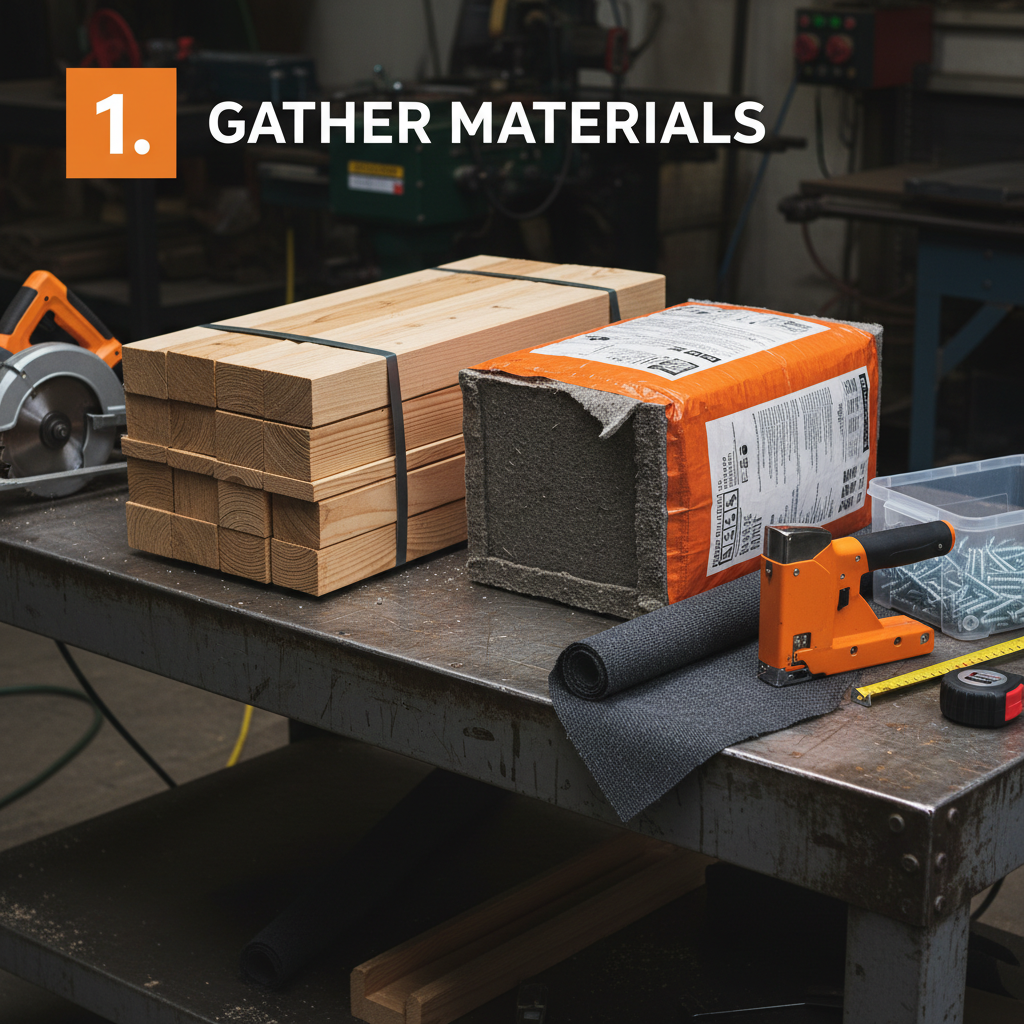
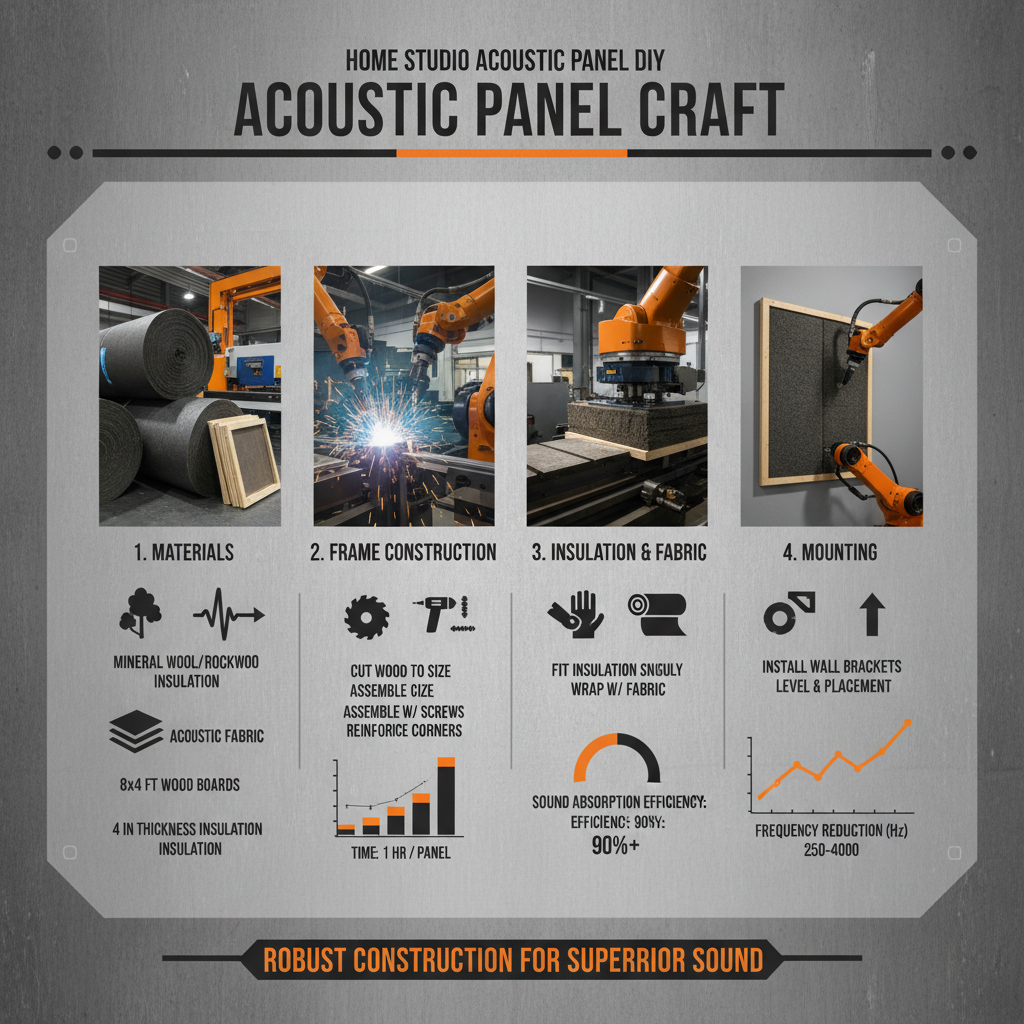
At its heart, how to make acoustic panels for home studio is about controlling reflections. Sound bounces off hard surfaces, creating echoes and resonances that muddy your audio. Acoustic panels work by absorbing sound energy, converting it into heat. The key is using porous materials like mineral wool, fiberglass, or even recycled denim. The thickness of the material, the air gap behind the panel, and the fabric covering all play a role in the panel's effectiveness. I’ve spent enough time on sites with noisy machinery to tell you, controlling reflections is paramount.
Think of it like this: you wouldn’t try to build a house on unstable ground, would you? The same principle applies to acoustics. A solid acoustic foundation—well-placed panels—is crucial for a clean, professional sound. It's not about deadening the room completely; it's about creating a balanced acoustic environment where you can accurately hear what you're recording or mixing.
Mineral wool and fiberglass are the gold standards due to their excellent sound absorption properties across a wide range of frequencies. They’re relatively inexpensive and readily available. However, be sure to handle these materials with care, wearing a mask and gloves, as the fibers can be irritating. Recycled denim is a more eco-friendly option, but it might not perform as well at lower frequencies.
Panel thickness is crucial. For general-purpose absorption, 2-4 inches is a good starting point. Thicker panels (4 inches+) are more effective at absorbing low frequencies, which are often the biggest problem in home studios. The specific thickness will depend on the size of your room and the frequencies you’re trying to control.
You need a fabric that’s acoustically transparent – meaning it allows sound to pass through it easily. Burlap, linen, and speaker grille cloth are good options. Avoid thick, tightly woven fabrics. A simple test is to try blowing air through the fabric; if it's difficult, it’s probably not a good choice.
Focus on first reflection points – the spots on your walls and ceiling where sound waves bounce off on their way from your speakers to your ears. You can find these points using the mirror trick: have a friend move a mirror along the wall while you sit in your listening position. When you can see your speakers in the mirror, that's a first reflection point.
Not necessarily. Treating 60-80% of your surfaces is often sufficient. Over-treating a room can make it sound dead and unnatural. Prioritize the first reflection points and areas where low frequencies tend to build up (corners). Start with a few panels and listen carefully to the changes in sound before adding more.
Absolutely! When built correctly, DIY acoustic panels can perform just as well as commercial ones, often at a fraction of the cost. The key is to use the right materials, pay attention to detail, and understand the principles of acoustic absorption. Plus, you get the satisfaction of building something yourself.
Learning how to make acoustic panels for home studio is a transformative skill for anyone serious about audio. It’s not just about building panels; it's about understanding sound, controlling your sonic environment, and ultimately improving the quality of your work. This knowledge empowers you to create a professional-sounding space without breaking the bank.
Don't be afraid to experiment and iterate. Acoustic treatment is an ongoing process. Start with the basics, listen critically, and adjust your approach as needed. There are tons of online resources and communities dedicated to DIY acoustics – tap into that knowledge and start building! Ready to take control of your sound? Visit our website: www.ytakupanel.com

 Afrikaans
 Albanian
 Amharic
 Arabic
 Armenian
 Azerbaijani
 Basque
 Belarusian
 Bengali
 Bosnian
 Bulgarian
 Catalan
 Cebuano
 Corsican
 Croatian
 Czech
Czech
 Danish
 Dutch
Dutch
 Esperanto
 Estonian
 Finnish
 French
 Frisian
 Galician
 Georgian
 German
 Greek
Greek
 Gujarati
 Haitian Creole
 Hausa
Hausa
 Hawaiian
 Hebrew
 Hindi
Hindi
 Miao
Miao
 Hungarian
 Icelandic
 Igbo
Igbo
 Indonesian
 Irish
Irish
 Italian
 Japanese
 Javanese
 Kannada
 Kazakh
 Khmer
Khmer
 Rwandese
 Korean
 Kurdish
 Kyrgyz
 Lao
Lao
 Latin
Latin
 Latvian
 Lithuanian
 Luxembourgish
 Macedonian
 Malgashi
 Malay
Malay
 Malayalam
 Maltese
 Maori
Maori
 Marathi
 Mongolian
 Myanmar
 Nepali
 Norwegian
 Norwegian
 Occitan
 Pashto
 Persian
 Polish
 Portuguese
 Punjabi
 Romanian
 Russian
 Samoan
 Scottish Gaelic
 Serbian
 Sesotho
 Shona
Shona
 Sindhi
 Sinhala
 Slovak
 Slovenian
 Somali
 Spanish
 Sundanese
 Swahili
 Swedish
 Tagalog
 Tajik
Tajik
 Tamil
Tamil
 Tatar
Tatar
 Telugu
 Thai
Thai
 Turkish
 Turkmen
 Ukrainian
 Urdu
Urdu
 Uighur
 Uzbek
Uzbek
 Vietnamese
 Welsh
Welsh
 Bantu
Bantu
 Yiddish
 Yoruba
 Zulu
Zulu
 English