Acoustic wood panels are gaining prominence in modern architecture and interior design, offering a blend of aesthetic appeal and functional noise reduction. Understanding how to make acoustic wood panels is crucial for architects, designers, and DIY enthusiasts aiming to create spaces that prioritize both sound quality and visual harmony. This knowledge empowers individuals to customize acoustic solutions to fit specific needs and budgets, addressing a growing global demand for quieter and more comfortable environments.
The need for effective sound management is escalating across diverse sectors, from bustling commercial spaces and educational institutions to tranquil residential areas. Modern construction often utilizes materials that reflect sound, creating echo and reverberation. How to make acoustic wood panels provides a sustainable and aesthetically pleasing solution to this problem, contributing to improved concentration, communication, and overall well-being. This is increasingly important in today’s fast-paced world.
Driven by a surge in open-plan designs and a heightened awareness of the impact of noise pollution on health and productivity, the demand for acoustic solutions is experiencing significant growth. Mastering the process of how to make acoustic wood panels offers a tangible way to address these challenges and contribute to creating more functional and inviting spaces globally. This skill isn't merely about construction; it’s about enhancing the human experience.


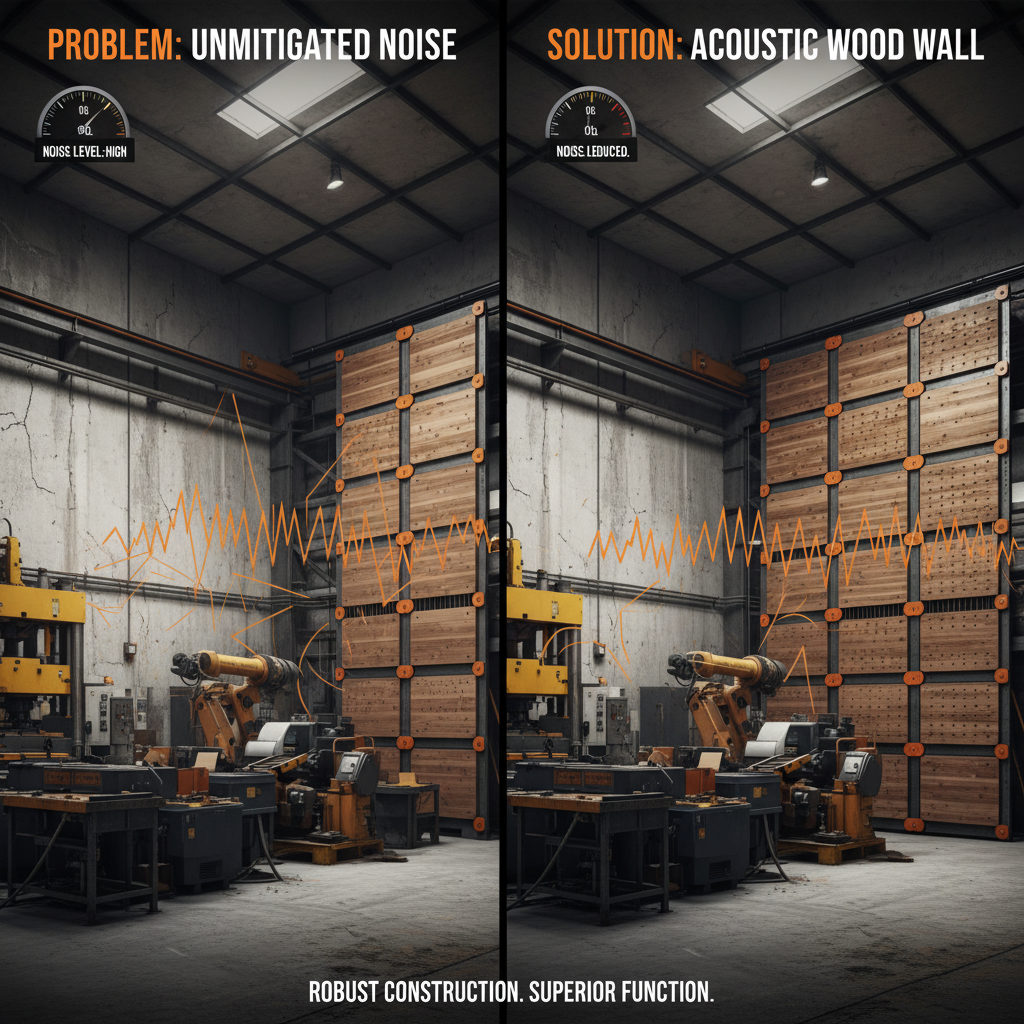
Creating effective acoustic wood panels hinges on understanding the principles of sound absorption. Wood itself doesn’t inherently absorb a significant amount of sound, therefore, the creation process involves combining wood with sound-absorbing materials and strategically designing the panel’s structure. This typically involves a veneer of wood over a core of materials like felt, fiberglass, or mineral wool. How to make acoustic wood panels effectively requires a careful balance between the aesthetic appeal of wood and the functional necessity of sound absorption.
The core principle revolves around converting sound energy into heat through friction. The porous nature of the absorbing materials allows sound waves to penetrate and dissipate, reducing reverberation and echo. The wood veneer, while less impactful on absorption, contributes to the panel’s structural integrity and aesthetic qualities. Variations in wood type, thickness, and core material dramatically affect the panel’s overall acoustic performance.
The ‘best’ wood veneer depends on your aesthetic preferences and budget. Oak and maple are popular choices for their durability and attractive grain patterns. Walnut offers a richer, darker tone. Consider the wood’s density as denser woods might slightly reduce sound absorption, but contribute to structural stability. Always ensure the veneer is properly sealed to prevent warping and maintain acoustic performance.
Generally, a core thickness of 50-100mm (2-4 inches) provides effective sound absorption for most applications. Thicker cores, beyond 100mm, offer incrementally better performance but can significantly increase the panel’s weight and cost. The optimal thickness depends on the frequencies you’re trying to absorb; lower frequencies require thicker materials.
While professional equipment provides the most precise results, it’s possible to create basic acoustic wood panels with readily available tools. A circular saw, jigsaw, staple gun, and adhesive are essential. Precision cutting and secure bonding are crucial for effectiveness. However, for larger projects or complex designs, investing in more specialized tools is recommended.
Fire-resistance ratings are crucial for safety, especially in commercial and public spaces. Check local building codes for specific requirements. Generally, Class A fire-rated materials are preferred, offering the highest level of protection. Using fire-retardant treatments on the wood veneer and core material can significantly improve fire safety.
Proper installation is vital. Ensure panels are securely mounted to a solid surface, leaving an air gap between the panel and the wall for optimal sound absorption. Consider staggered installation patterns to minimize sound flanking. Using acoustic sealant around the perimeter of the panels can further enhance their performance.
Acoustic wood panels can be eco-friendly if sustainable materials are chosen. Opt for wood sourced from responsibly managed forests (FSC certified). Utilizing recycled polyester felt for the core and low-VOC adhesives minimizes environmental impact. Proper disposal or recycling of panels at the end of their lifecycle is also important.
In conclusion, how to make acoustic wood panels represents a powerful fusion of aesthetic design and functional acoustics. By carefully selecting materials, mastering construction techniques, and understanding performance metrics, individuals and professionals can create spaces that are both visually appealing and acoustically comfortable. This knowledge empowers us to address the growing challenges of noise pollution and improve the quality of life in diverse environments.
Looking ahead, continued innovation in materials and manufacturing will unlock even greater potential for acoustic wood panels. Embracing sustainable practices and exploring smart technologies will further enhance their value proposition. Visit YTAKUPANEL to discover a wide range of high-quality acoustic solutions and explore how we can help you create a quieter, more inspiring space.

 Afrikaans
 Albanian
 Amharic
 Arabic
 Armenian
 Azerbaijani
 Basque
 Belarusian
 Bengali
 Bosnian
 Bulgarian
 Catalan
 Cebuano
 Corsican
 Croatian
 Czech
Czech
 Danish
 Dutch
Dutch
 Esperanto
 Estonian
 Finnish
 French
 Frisian
 Galician
 Georgian
 German
 Greek
Greek
 Gujarati
 Haitian Creole
 Hausa
Hausa
 Hawaiian
 Hebrew
 Hindi
Hindi
 Miao
Miao
 Hungarian
 Icelandic
 Igbo
Igbo
 Indonesian
 Irish
Irish
 Italian
 Japanese
 Javanese
 Kannada
 Kazakh
 Khmer
Khmer
 Rwandese
 Korean
 Kurdish
 Kyrgyz
 Lao
Lao
 Latin
Latin
 Latvian
 Lithuanian
 Luxembourgish
 Macedonian
 Malgashi
 Malay
Malay
 Malayalam
 Maltese
 Maori
Maori
 Marathi
 Mongolian
 Myanmar
 Nepali
 Norwegian
 Norwegian
 Occitan
 Pashto
 Persian
 Polish
 Portuguese
 Punjabi
 Romanian
 Russian
 Samoan
 Scottish Gaelic
 Serbian
 Sesotho
 Shona
Shona
 Sindhi
 Sinhala
 Slovak
 Slovenian
 Somali
 Spanish
 Sundanese
 Swahili
 Swedish
 Tagalog
 Tajik
Tajik
 Tamil
Tamil
 Tatar
Tatar
 Telugu
 Thai
Thai
 Turkish
 Turkmen
 Ukrainian
 Urdu
Urdu
 Uighur
 Uzbek
Uzbek
 Vietnamese
 Welsh
Welsh
 Bantu
Bantu
 Yiddish
 Yoruba
 Zulu
Zulu
 English