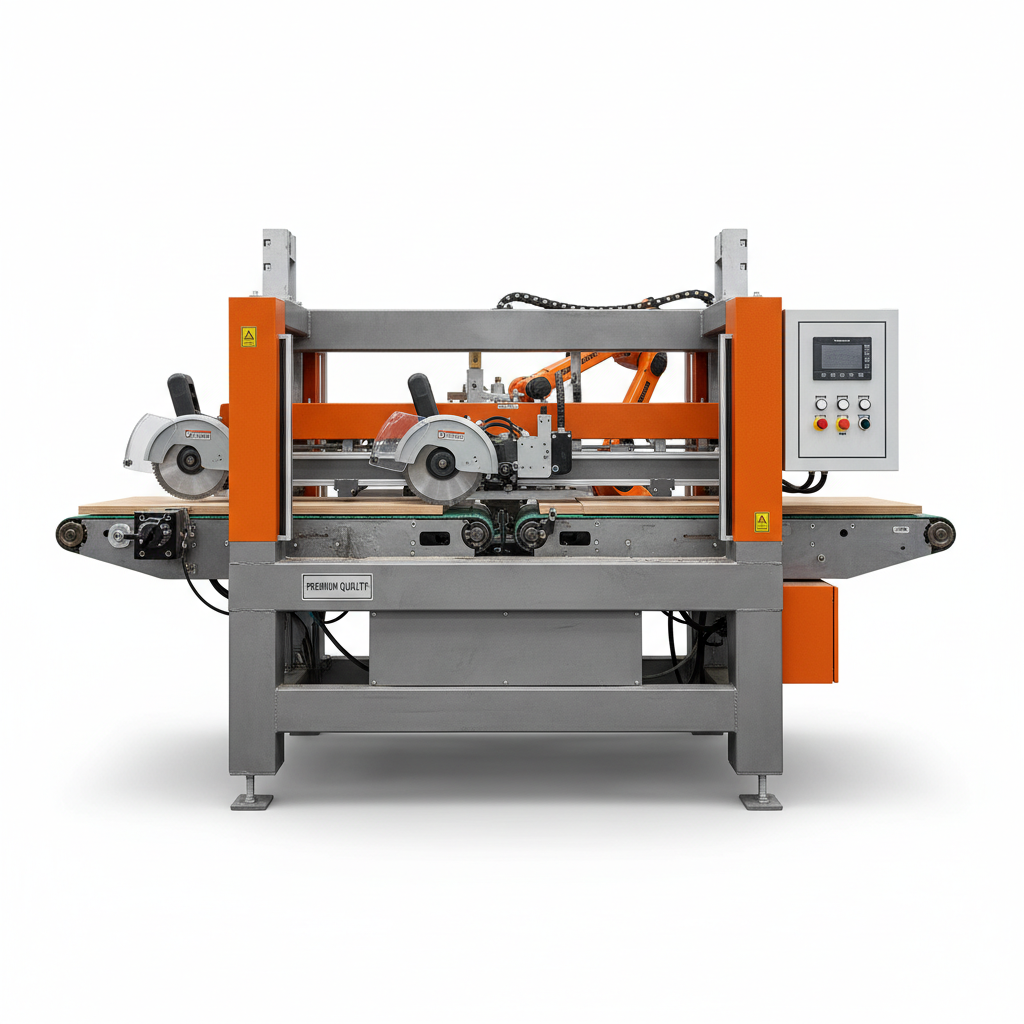
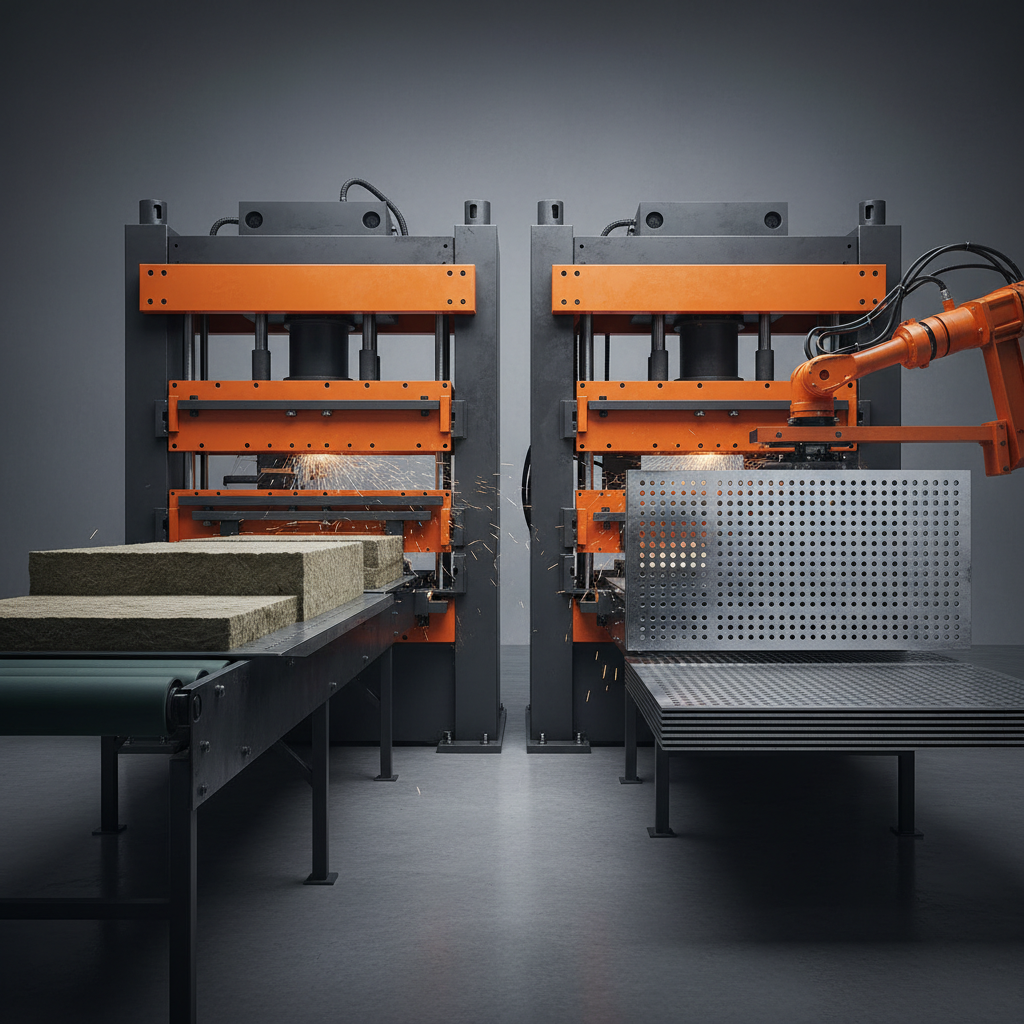
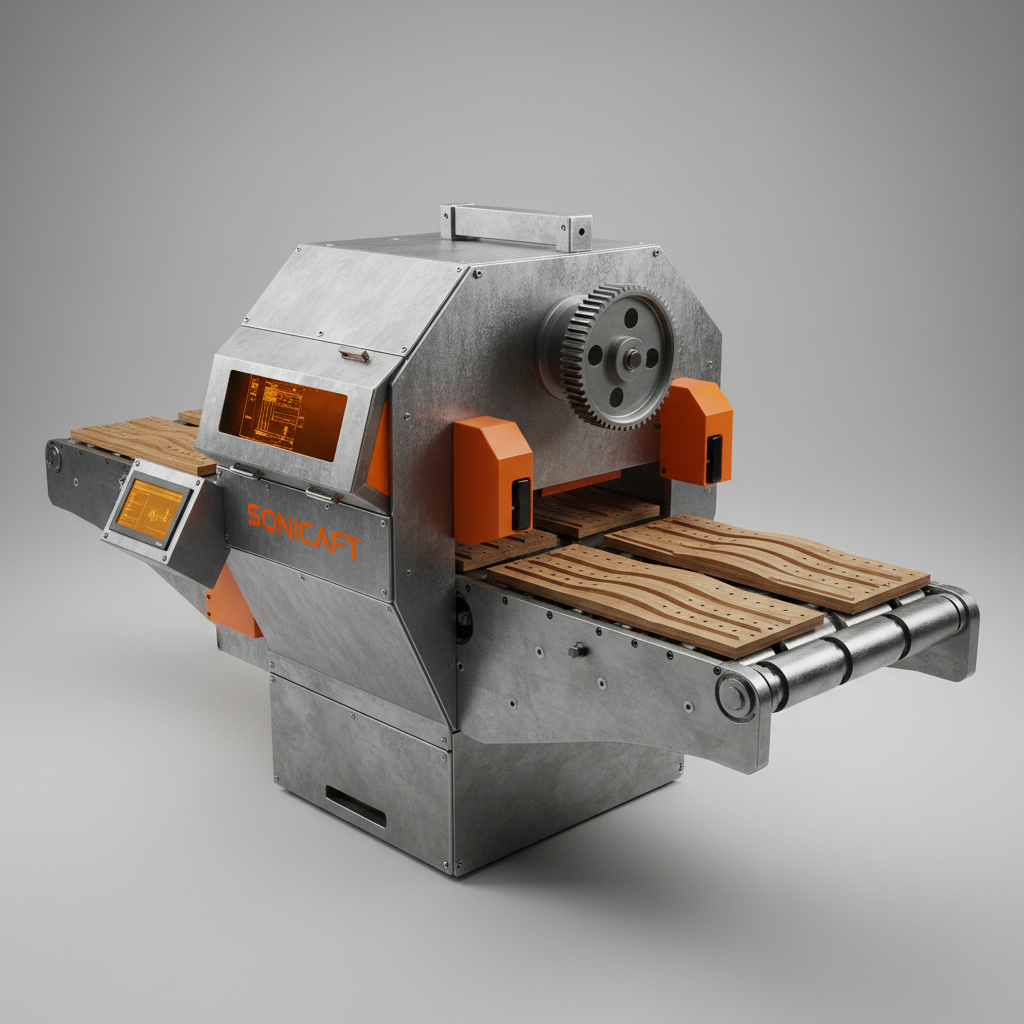
Sound dampening wood panels are increasingly vital in a world grappling with noise pollution and a growing demand for acoustic comfort. From bustling urban centers to serene residential areas, the need to mitigate unwanted sounds has never been greater. These panels, engineered with specialized wood compositions and designs, offer a sustainable and aesthetically pleasing solution, addressing concerns in diverse sectors like construction, entertainment, and healthcare. Understanding the principles and applications of sound dampening wood panels is paramount for architects, designers, and anyone seeking to create more peaceful and productive environments.
The global relevance of sound control is underscored by organizations like the World Health Organization (WHO), which recognizes noise pollution as a significant public health threat, impacting sleep, cardiovascular health, and cognitive function. The construction industry alone accounts for a substantial portion of noise complaints in urban areas, driving demand for effective soundproofing solutions. Furthermore, the rise of open-plan offices and collaborative workspaces necessitates acoustic treatments to improve focus and employee well-being. sound dampening wood panels offer a versatile tool in meeting these challenges.
As awareness of these issues grows, innovative materials like sound dampening wood panels are poised to play a central role in shaping quieter, healthier, and more livable spaces worldwide. Their ability to blend functionality with aesthetic appeal positions them as a preferred choice over traditional, less visually appealing soundproofing methods.

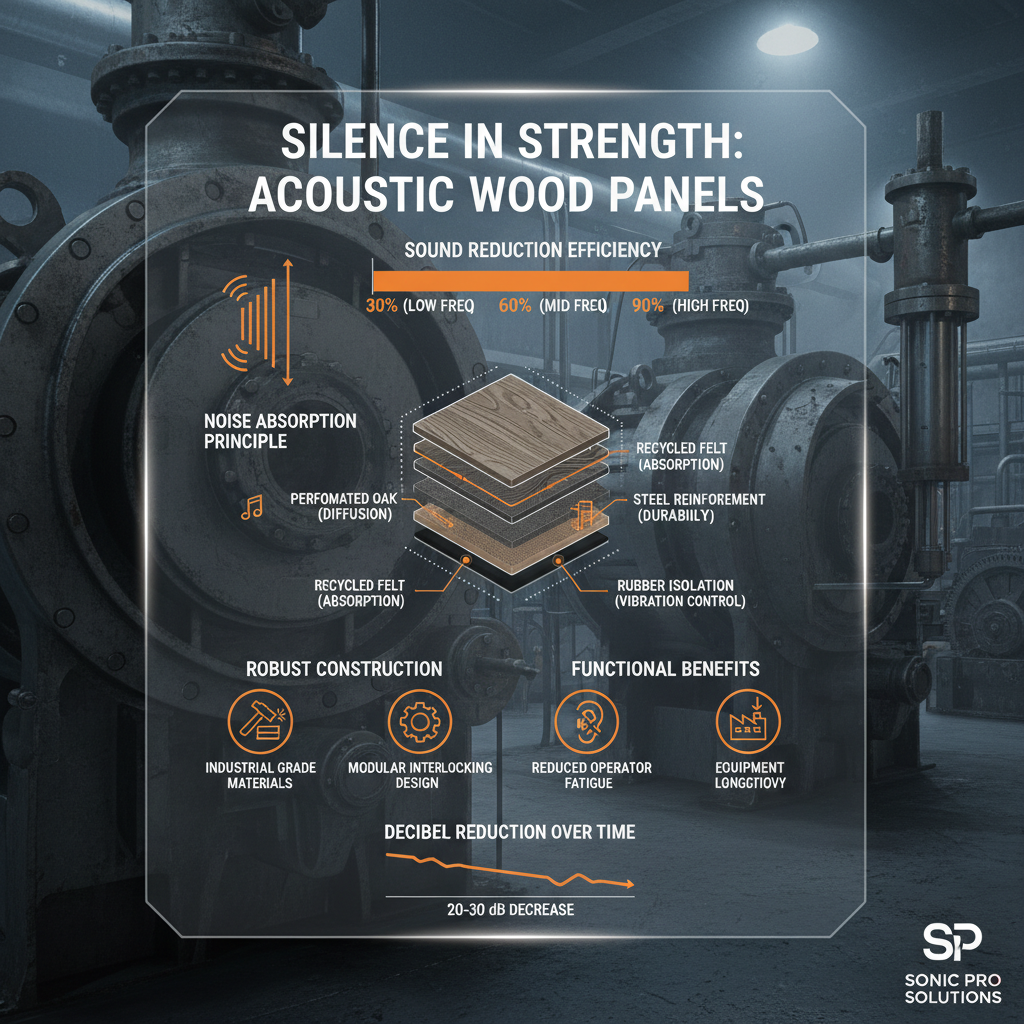
The increasing urbanization of our world has led to a significant rise in noise pollution, impacting both physical and mental well-being. This noise originates from various sources – traffic, construction, industrial activity, and even everyday life within densely populated areas. As a result, the demand for effective sound mitigation solutions has exploded, with sound dampening wood panels emerging as a prominent and sustainable option. These panels aren’t simply a cosmetic addition; they represent a fundamental shift towards prioritizing acoustic comfort in design and construction.
The construction industry, in particular, faces mounting pressure to meet stricter noise regulations and building codes. Moreover, there’s a growing consumer expectation for quieter living and working spaces. Sound dampening wood panels offer a versatile solution applicable to a broad range of projects, from large-scale commercial developments to residential renovations. Their aesthetic flexibility also allows them to seamlessly integrate into diverse design schemes, making them increasingly popular among architects and interior designers.
Driven by these factors, the global market for acoustic materials, including sound dampening wood panels, is experiencing substantial growth. Industry reports predict continued expansion in the coming years, fueled by ongoing urbanization, stricter environmental regulations, and increasing awareness of the importance of acoustic well-being.
The lifespan of sound dampening wood panels varies depending on the materials used and the environmental conditions. However, with proper installation and maintenance, high-quality panels can last for 20-30 years or even longer. Regular cleaning and protection from excessive moisture are key to maximizing their longevity. The wood veneer or finish may require periodic refinishing to maintain its aesthetic appearance.
Most sound dampening wood panels are treated with fire-retardant chemicals to meet building code requirements. The level of fire resistance varies depending on the treatment and the core material. It’s crucial to check the panel’s fire rating and ensure it complies with local regulations. Look for panels that have passed standardized fire tests, such as ASTM E84.
Generally, thicker panels offer greater sound absorption. This is because a thicker core provides more material to dissipate sound energy. However, simply increasing the thickness isn’t always the most effective solution. The density of the material and the panel’s construction also play significant roles. A thinner, denser panel can sometimes outperform a thicker, less dense one.
While wood is susceptible to moisture damage, certain types of wood and protective coatings can make panels suitable for high-humidity environments. Choosing moisture-resistant wood species, such as cedar or redwood, and applying a waterproof sealant can help prevent warping, mold growth, and deterioration. Proper ventilation is also essential.
Calculating the required number of panels depends on the room's size, shape, and desired acoustic performance. A general rule of thumb is to cover at least 20-30% of the wall or ceiling surface area. However, for optimal results, it’s best to consult with an acoustic consultant who can perform a detailed analysis of the room’s acoustics and recommend the appropriate panel coverage.
Many sound dampening wood panels are made from sustainable materials, such as recycled wood fibers, wool, or rapidly renewable resources like bamboo. Choosing panels with low VOC (volatile organic compound) emissions can also contribute to a healthier indoor environment. Look for panels certified by organizations like FSC (Forest Stewardship Council) to ensure responsible sourcing.
Sound dampening wood panels represent a compelling solution to the growing challenge of noise pollution, offering a unique blend of acoustic performance, aesthetic appeal, and sustainability. From enhancing productivity in workplaces to creating tranquil living spaces and improving patient well-being, their applications are vast and impactful. By understanding the key factors influencing their effectiveness and embracing innovative materials and technologies, we can unlock their full potential to shape quieter, healthier, and more comfortable environments.
Looking ahead, the continued development of bio-based materials, smart technologies, and digital fabrication techniques will further enhance the capabilities and versatility of sound dampening wood panels. Investing in these solutions is not merely about reducing noise; it’s about investing in the well-being of individuals and the sustainability of our built environment. For superior sound dampening solutions, visit our website: www.ytakupanel.com

 Afrikaans
 Albanian
 Amharic
 Arabic
 Armenian
 Azerbaijani
 Basque
 Belarusian
 Bengali
 Bosnian
 Bulgarian
 Catalan
 Cebuano
 Corsican
 Croatian
 Czech
Czech
 Danish
 Dutch
Dutch
 Esperanto
 Estonian
 Finnish
 French
 Frisian
 Galician
 Georgian
 German
 Greek
Greek
 Gujarati
 Haitian Creole
 Hausa
Hausa
 Hawaiian
 Hebrew
 Hindi
Hindi
 Miao
Miao
 Hungarian
 Icelandic
 Igbo
Igbo
 Indonesian
 Irish
Irish
 Italian
 Japanese
 Javanese
 Kannada
 Kazakh
 Khmer
Khmer
 Rwandese
 Korean
 Kurdish
 Kyrgyz
 Lao
Lao
 Latin
Latin
 Latvian
 Lithuanian
 Luxembourgish
 Macedonian
 Malgashi
 Malay
Malay
 Malayalam
 Maltese
 Maori
Maori
 Marathi
 Mongolian
 Myanmar
 Nepali
 Norwegian
 Norwegian
 Occitan
 Pashto
 Persian
 Polish
 Portuguese
 Punjabi
 Romanian
 Russian
 Samoan
 Scottish Gaelic
 Serbian
 Sesotho
 Shona
Shona
 Sindhi
 Sinhala
 Slovak
 Slovenian
 Somali
 Spanish
 Sundanese
 Swahili
 Swedish
 Tagalog
 Tajik
Tajik
 Tamil
Tamil
 Tatar
Tatar
 Telugu
 Thai
Thai
 Turkish
 Turkmen
 Ukrainian
 Urdu
Urdu
 Uighur
 Uzbek
Uzbek
 Vietnamese
 Welsh
Welsh
 Bantu
Bantu
 Yiddish
 Yoruba
 Zulu
Zulu
 English