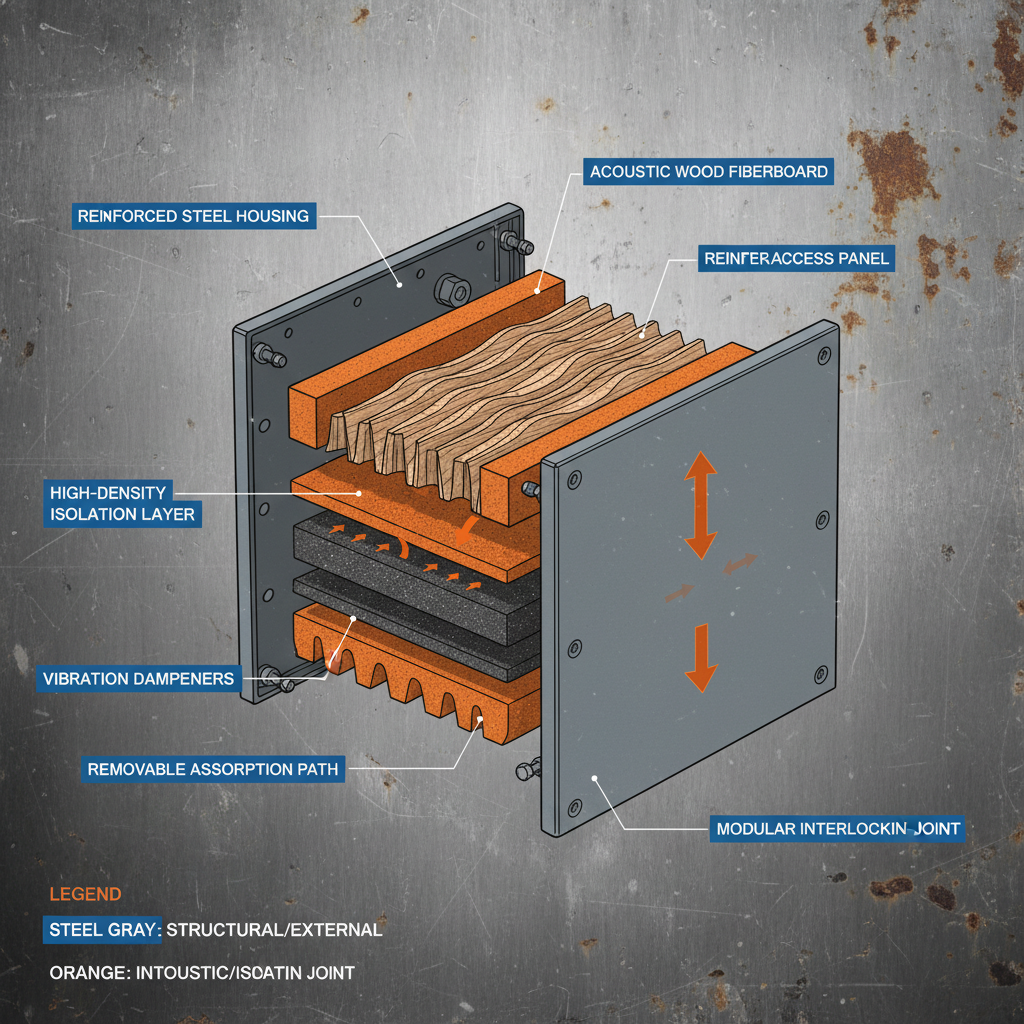
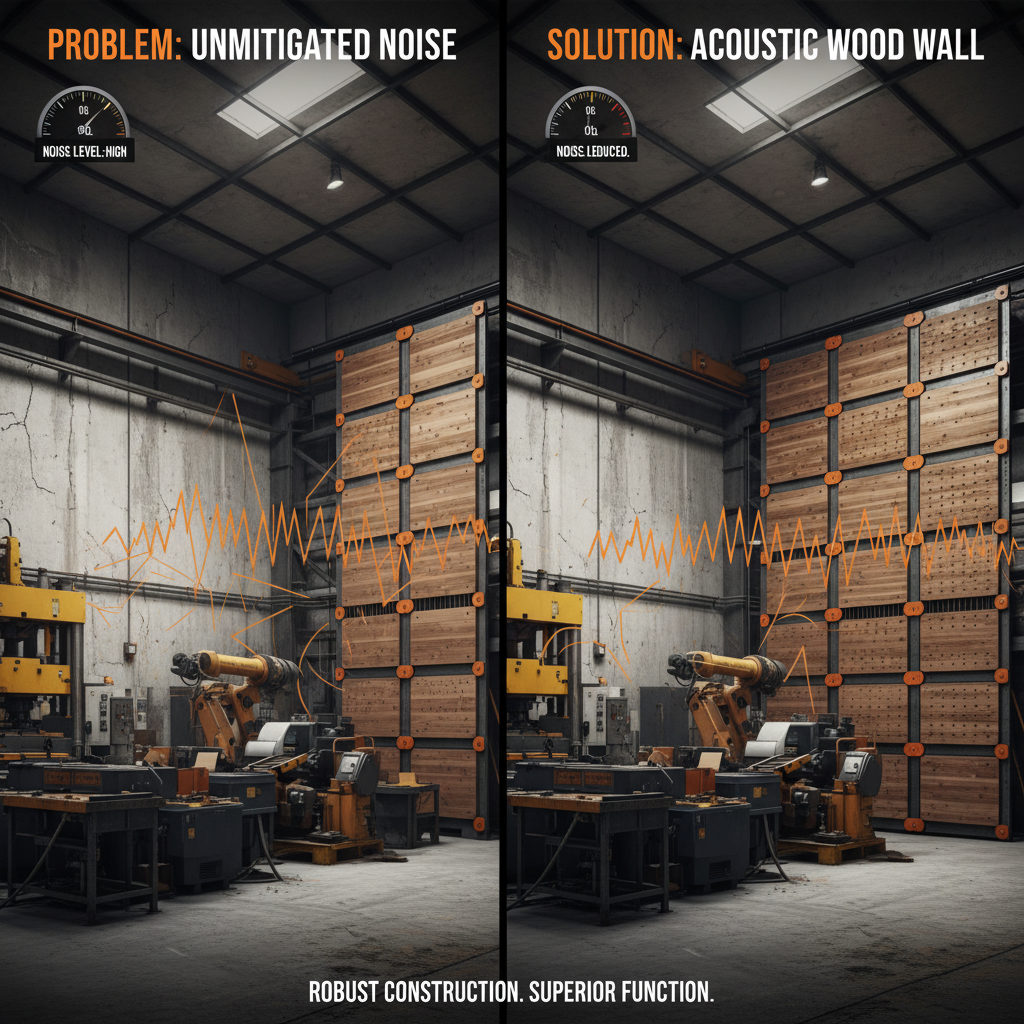
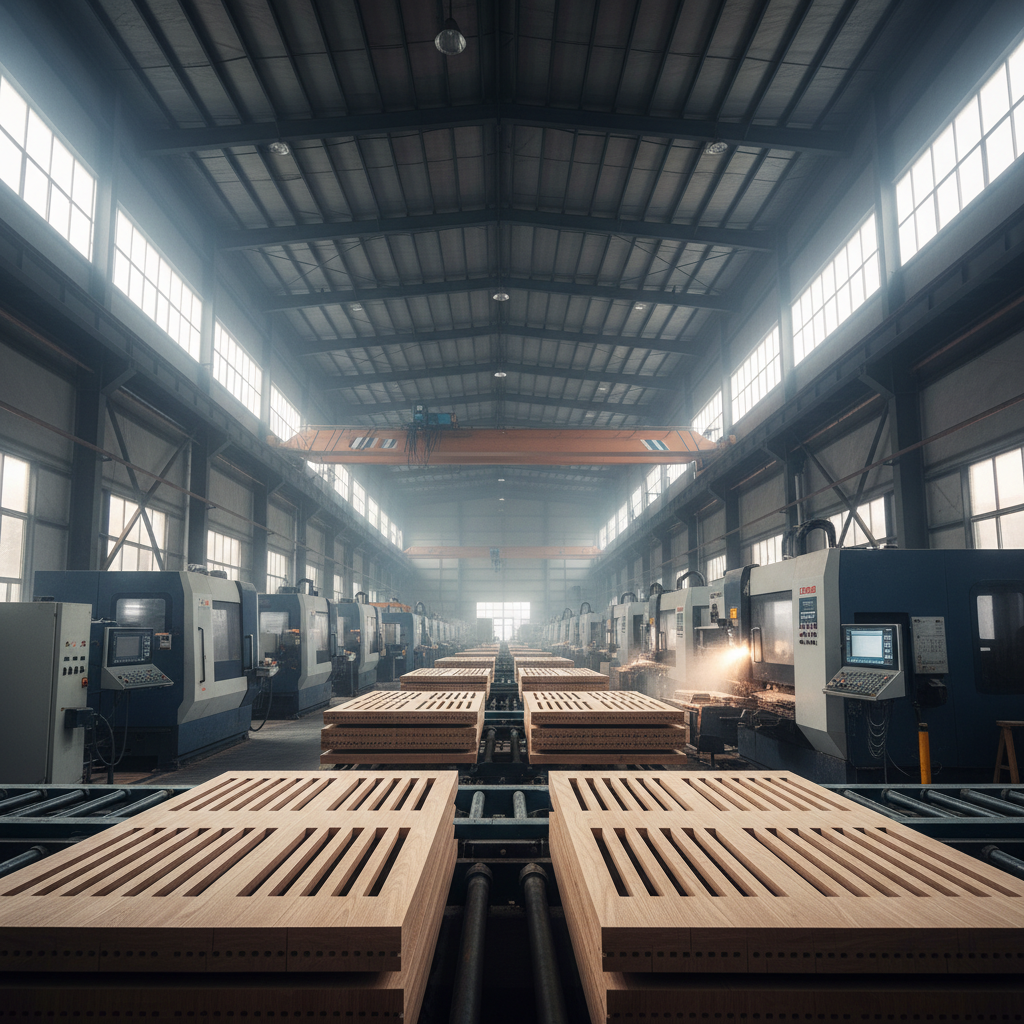
Look, I've spent the last fifteen years knee-deep in dust and concrete, watching buildings go up, and dealing with everything from supply chain nightmares to last-minute design changes. What I've learned is simple: noise control is critical. It's not just about making a space "pleasant"; it's about worker safety, productivity, and frankly, avoiding lawsuits. That's where grooved acoustic panel comes in. It's a game-changer, a solid solution to a problem that’s been giving construction and architectural folks headaches for decades. It’s about managing sound, yes, but really, it’s about managing a project’s success.
We’re talking about projects that demand precision, like recording studios, offices, and even manufacturing plants. But the need isn't limited to specialized spaces anymore. Open-plan offices, modern homes—everywhere you have hard surfaces, you have sound bouncing around, causing distractions and fatigue. Grooved acoustic panel isn’t a luxury item; it’s a fundamental part of building a functional, healthy environment. And frankly, the industry's finally catching up to the fact that investing in acoustics upfront saves a ton of money and headaches down the line.
What’s different now is the accessibility. In the past, proper acoustic treatment meant expensive, complicated installations, custom-built solutions, and huge lead times. Now, with systems like grooved acoustic panel, you've got a modular, adaptable, and relatively straightforward solution that can be integrated into almost any project. I’ve seen crews install this stuff with minimal disruption, which, trust me, is a huge win on a busy construction site.
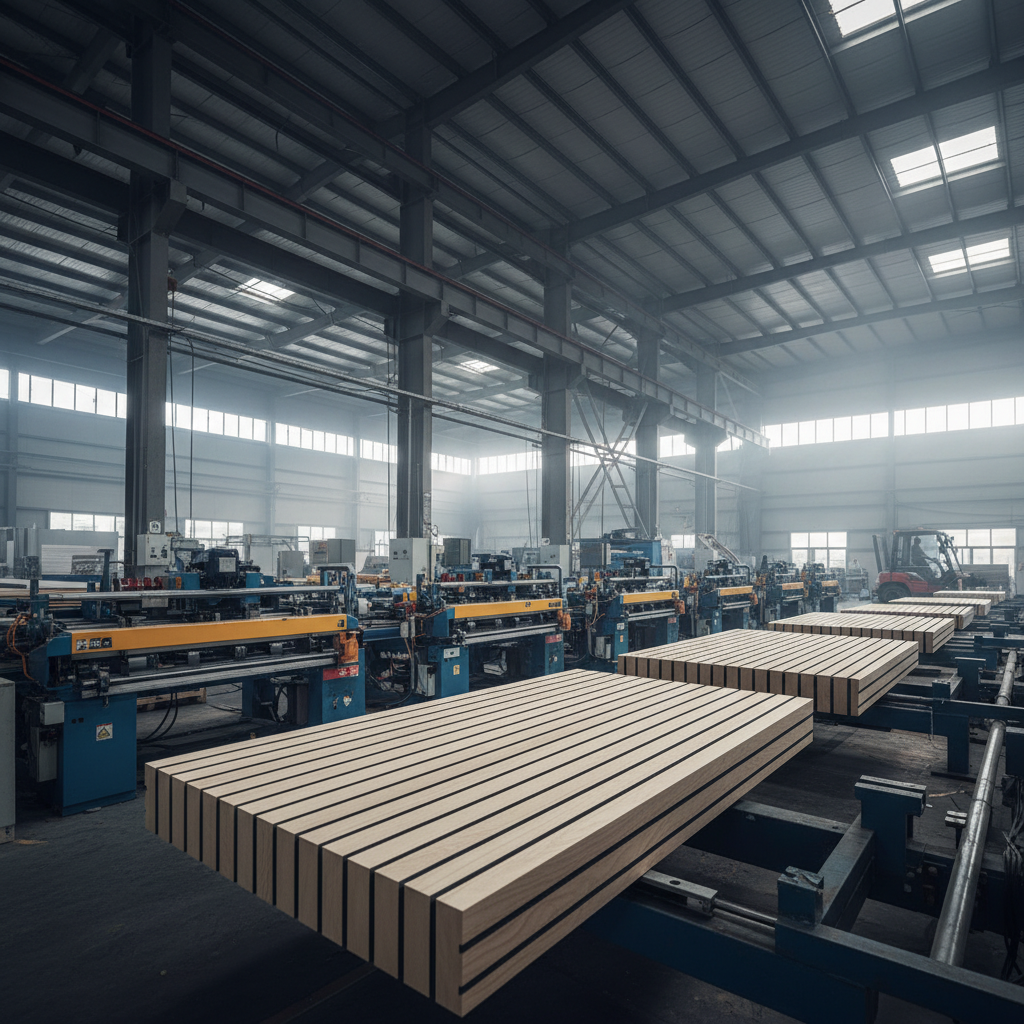
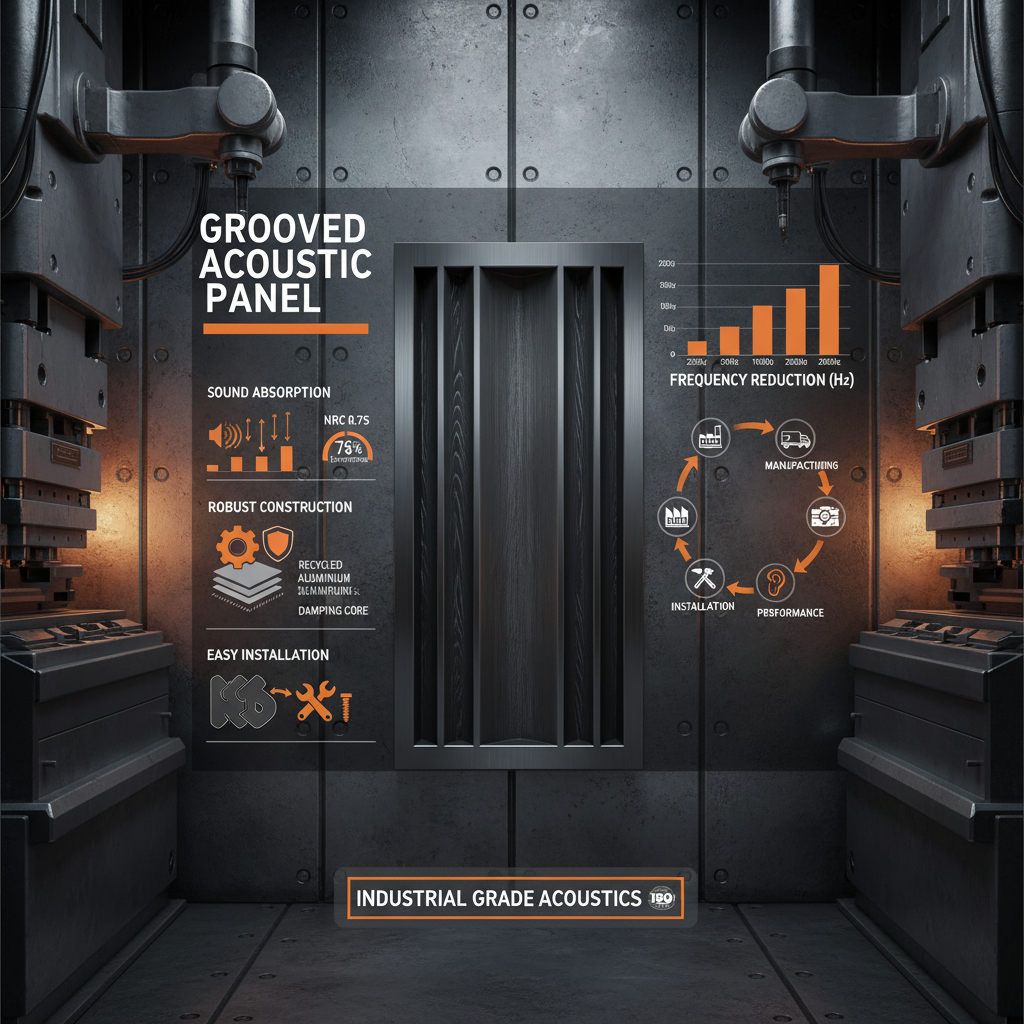
Let's be real, noise is a huge issue on construction sites – machinery, power tools, shouting. It's not just annoying; it’s a safety hazard. Workers can’t hear warnings, and prolonged exposure leads to fatigue and decreased performance. Grooved acoustic panel, when strategically implemented, cuts down on that reverberation significantly. This isn't some theoretical benefit either, I've seen productivity increase noticeably on sites where we've installed these.
Beyond the immediate construction phase, considering the long-term acoustics of a building is paramount. A poorly designed acoustic environment can lead to tenant complaints, the need for costly retrofits, and ultimately, a less desirable building. Grooved acoustic panel offers a preventative solution, ensuring a comfortable and functional space from the get-go.
Fiberglass is great for blocking sound transmission—keeping sound from traveling through walls. Grooved acoustic panel primarily focuses on absorption – reducing reverberation and echo within a space. Fiberglass can be itchy and requires special handling; grooved panel is much more user-friendly and offers design flexibility. You often need both for optimal results, but they address different aspects of sound control.
While it's DIY-able, I strongly recommend using a professional installer, especially for larger projects. Proper installation is critical for maximizing performance. It's not just about screwing the panels to the wall; it's about ensuring a tight fit, correct spacing, and proper sealing. A bad install can negate the benefits of even the best panels.
Most reputable manufacturers offer panels that meet stringent fire safety standards. Look for panels with a Class A fire rating, meaning they won't contribute to the spread of flames. Always check the product specifications and ensure they comply with local building codes. It’s non-negotiable.
That depends on the size of the space, the amount of noise, and the desired level of acoustic comfort. A good rule of thumb is larger spaces and noisier environments require thicker, denser panels. Consulting with an acoustic consultant is the best way to get a precise recommendation tailored to your specific needs. They’ll run calculations and consider all the relevant factors.
Absolutely! Most grooved acoustic panel can be painted to match your decor. Some manufacturers also offer custom finishes and designs. Just make sure to use a paint that’s compatible with the panel material to avoid damaging its acoustic properties. Check the manufacturer’s guidelines.
With proper installation and maintenance, grooved acoustic panel can last for decades. They’re relatively durable and resistant to damage. Regular cleaning to remove dust and dirt will help maintain their acoustic performance and appearance. Expect a lifespan of 20-30 years, easily.
Look, grooved acoustic panel isn't just another building material; it’s an investment in the quality of a space and the well-being of the people who use it. From improving worker safety and productivity on construction sites to creating comfortable and functional environments in offices and homes, the benefits are undeniable. It’s a solution that addresses a fundamental need – the need for a quiet, focused, and healthy environment.
The future of acoustics is about integration, sustainability, and customization. I expect to see even more innovative applications of grooved acoustic panel in the years to come, driven by a growing awareness of the importance of acoustic comfort and a demand for more sustainable building practices. If you’re serious about building quality spaces, it’s time to pay attention to acoustics. Learn more and explore the possibilities at www.ytakupanel.com.

 Afrikaans
 Albanian
 Amharic
 Arabic
 Armenian
 Azerbaijani
 Basque
 Belarusian
 Bengali
 Bosnian
 Bulgarian
 Catalan
 Cebuano
 Corsican
 Croatian
 Czech
Czech
 Danish
 Dutch
Dutch
 Esperanto
 Estonian
 Finnish
 French
 Frisian
 Galician
 Georgian
 German
 Greek
Greek
 Gujarati
 Haitian Creole
 Hausa
Hausa
 Hawaiian
 Hebrew
 Hindi
Hindi
 Miao
Miao
 Hungarian
 Icelandic
 Igbo
Igbo
 Indonesian
 Irish
Irish
 Italian
 Japanese
 Javanese
 Kannada
 Kazakh
 Khmer
Khmer
 Rwandese
 Korean
 Kurdish
 Kyrgyz
 Lao
Lao
 Latin
Latin
 Latvian
 Lithuanian
 Luxembourgish
 Macedonian
 Malgashi
 Malay
Malay
 Malayalam
 Maltese
 Maori
Maori
 Marathi
 Mongolian
 Myanmar
 Nepali
 Norwegian
 Norwegian
 Occitan
 Pashto
 Persian
 Polish
 Portuguese
 Punjabi
 Romanian
 Russian
 Samoan
 Scottish Gaelic
 Serbian
 Sesotho
 Shona
Shona
 Sindhi
 Sinhala
 Slovak
 Slovenian
 Somali
 Spanish
 Sundanese
 Swahili
 Swedish
 Tagalog
 Tajik
Tajik
 Tamil
Tamil
 Tatar
Tatar
 Telugu
 Thai
Thai
 Turkish
 Turkmen
 Ukrainian
 Urdu
Urdu
 Uighur
 Uzbek
Uzbek
 Vietnamese
 Welsh
Welsh
 Bantu
Bantu
 Yiddish
 Yoruba
 Zulu
Zulu
 English