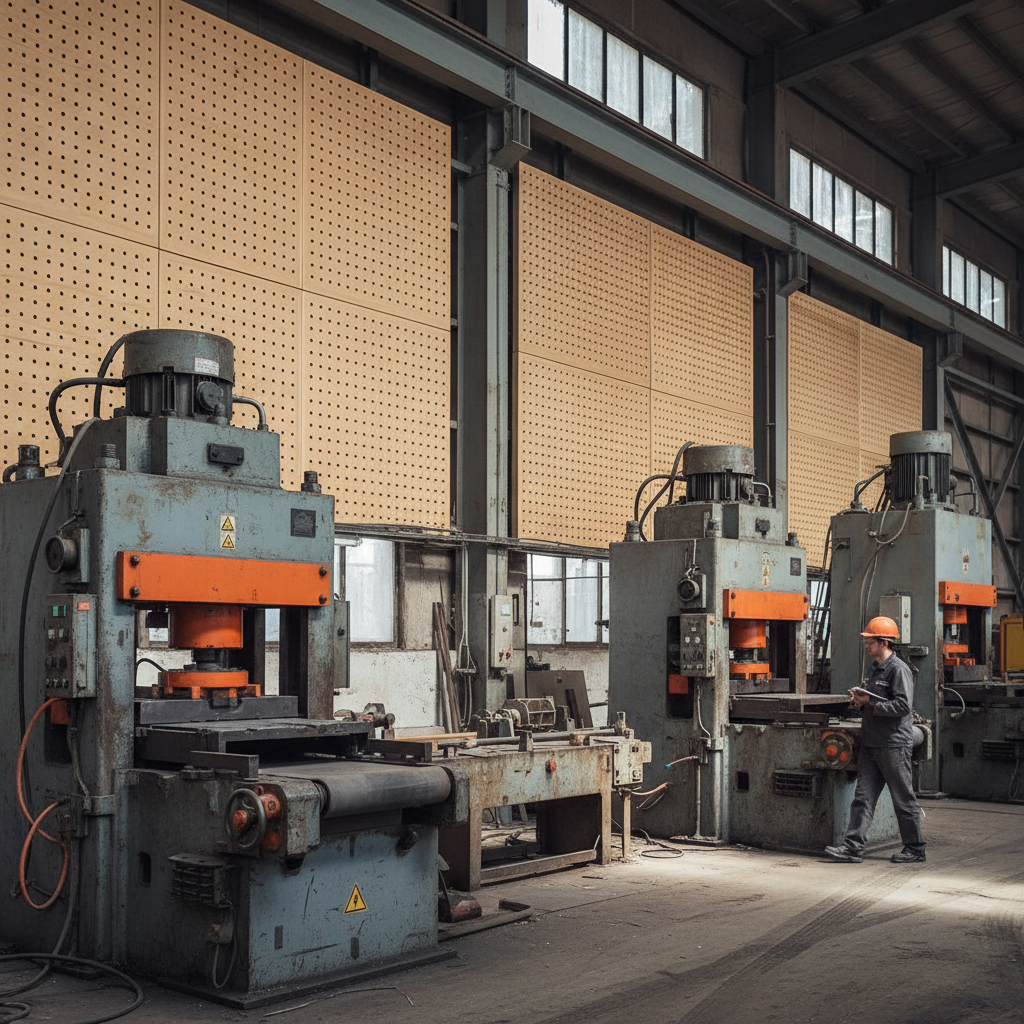
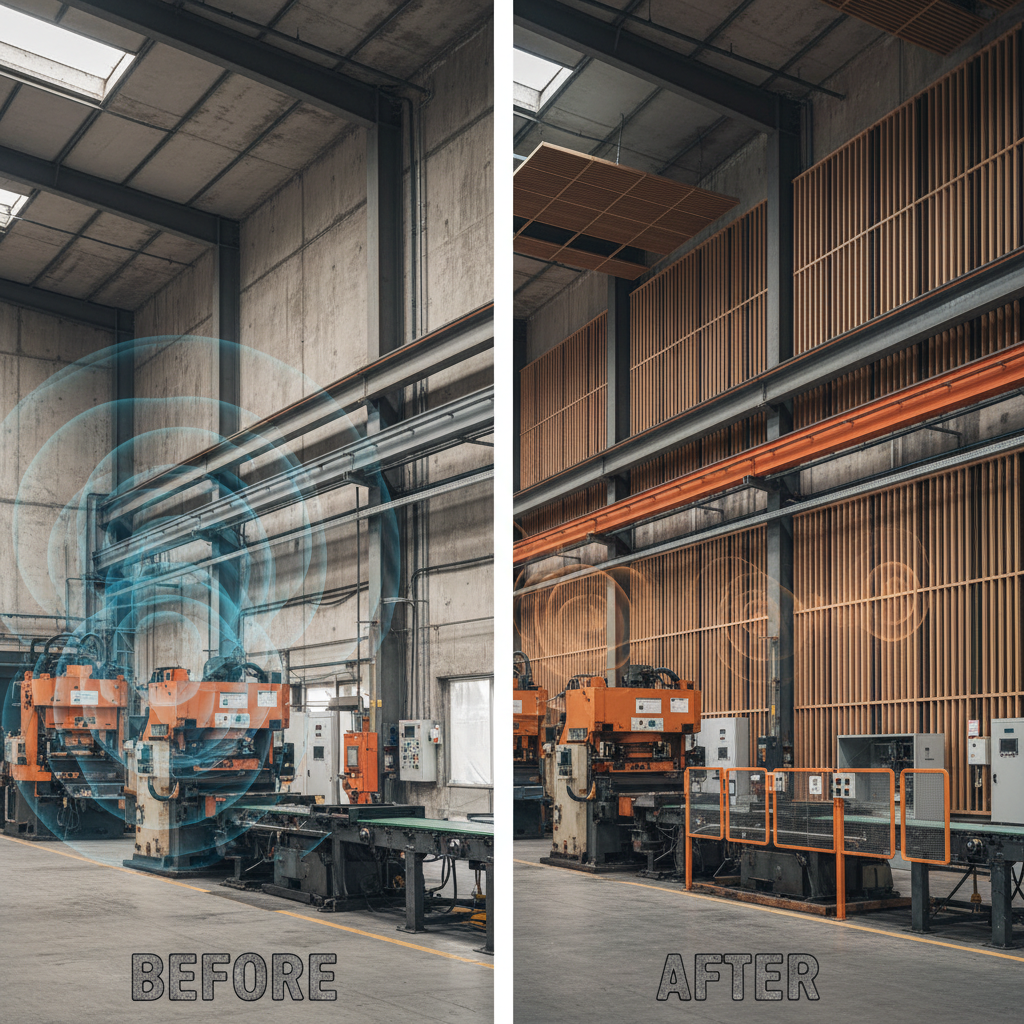
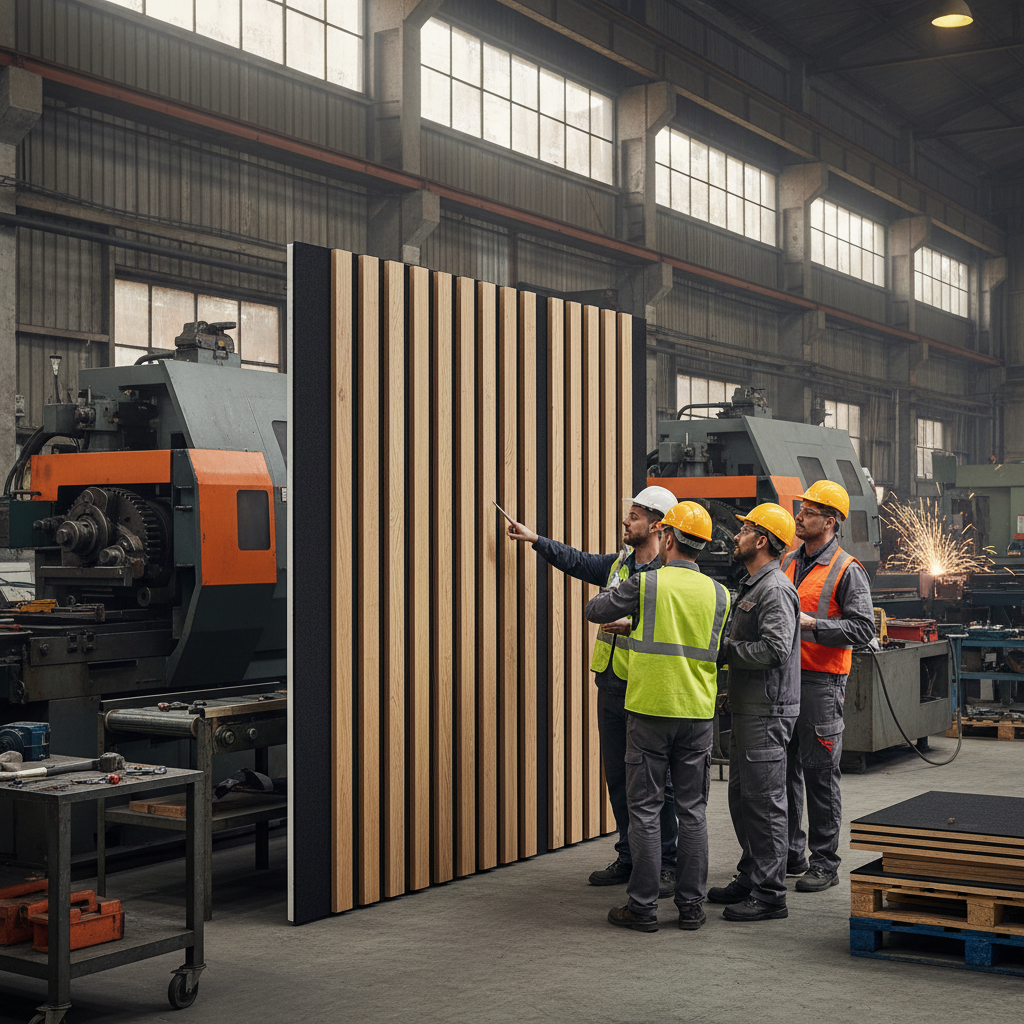
Look, I've spent the last fifteen years crawling around construction sites, smelling concrete dust and arguing with subs. And let me tell you, noise control is a massive headache. It's not just about keeping the neighbors happy, it's about worker safety, productivity, and even avoiding hefty fines. The need to effectively manage sound on job sites, and frankly in a ton of other places, is constant. That’s why understanding how to make sound proof panels isn’t some niche skill anymore – it’s a fundamental part of any good project. You’re talking about improving working conditions, meeting regulations, and just generally building things smarter.
The problem is, a lot of "soundproofing" solutions out there are either incredibly expensive, a pain to install, or just don't deliver on their promises. I’ve seen guys spend a fortune on flimsy materials that do next to nothing. What contractors really need are reliable, cost-effective ways to dampen noise – and that often means understanding how to build your own panels. It’s about taking control of the situation, tailoring a solution to your specific needs, and avoiding getting ripped off.
And it's not just construction. Think about recording studios popping up in converted warehouses, home theaters in densely populated areas, even industrial facilities trying to meet OSHA standards. The demand for effective sound mitigation is growing across the board, and that's where knowing how to make sound proof panels becomes a really valuable skill.


Let's be real: constant noise is a productivity killer. It stresses workers out, makes it harder to communicate, and increases the risk of accidents. OSHA has regulations for noise exposure, and ignoring them can lead to serious consequences. Building effective sound barriers, whether they're panels or other structures, isn’t just about comfort – it’s about compliance and protecting your team. It’s a proactive step towards a safer and more efficient job site.
Beyond the immediate workplace, controlling sound transmission is crucial for maintaining good relationships with surrounding communities. Nobody wants to live next to a construction site that operates like a sonic boom factory. how to make sound proof panels can be a game changer in minimizing disturbance and avoiding complaints, which ultimately keeps projects moving forward smoothly.
Honestly, it’s not paying attention to detail. Air gaps are your enemy. People often focus on the core material and forget about sealing the edges properly. A small crack can let a surprising amount of sound through. Using acoustic caulk is a lifesaver, and double-checking all your seams is crucial.
For bang-for-your-buck, recycled denim insulation is hard to beat. It’s surprisingly effective, relatively inexpensive, and more eco-friendly than fiberglass. Mineral wool is also a good option, offering excellent performance, but it tends to be a bit pricier. Avoid using materials that are rigid and reflective, as they won’t absorb much sound.
Decoupling is huge. It's about preventing vibrations from traveling through the structure. Creating an air gap between the panel and the wall, or using resilient channels, can significantly reduce sound transmission. Think of it like this: sound travels through vibrations, so if you break the connection, you break the sound path.
Generally, yes, but it’s not a simple linear relationship. Adding more mass will block more sound, up to a point. After that, you get diminishing returns. It’s more important to focus on a combination of mass, damping, and decoupling. A heavy panel with air gaps will outperform a super-heavy panel with no decoupling.
Regular drywall isn't great on its own, but you can significantly improve its soundproofing performance by layering it with damping compounds and using resilient channels. Specialized soundproof drywall, like QuietRock, is even better, but it's also more expensive. Using multiple layers with a damping compound in between is a good starting point.
Doors and windows are often the weakest links in a soundproofing system. Seal any gaps around the frames with weather stripping or acoustic sealant. Heavy curtains or blinds can also help to absorb sound. For doors, consider using a solid-core door with a tight-fitting frame and a door sweep at the bottom.
So, after all that, what's the takeaway? how to make sound proof panels isn't just about slapping some materials together. It's about understanding the principles of acoustics, paying attention to detail, and tailoring a solution to your specific needs. It's a cost-effective way to improve working conditions, protect your hearing, and maintain good relationships with your neighbors.
Don't be afraid to experiment, research different materials, and ask for help when you need it. There's a lot of information available online and from acoustic consultants. And remember, a little bit of effort can go a long way in creating a quieter, more productive, and more pleasant environment. If you’re serious about sound control, visit our website at www.ytakupanel.com to learn more about our products and services.

 Afrikaans
 Albanian
 Amharic
 Arabic
 Armenian
 Azerbaijani
 Basque
 Belarusian
 Bengali
 Bosnian
 Bulgarian
 Catalan
 Cebuano
 Corsican
 Croatian
 Czech
Czech
 Danish
 Dutch
Dutch
 Esperanto
 Estonian
 Finnish
 French
 Frisian
 Galician
 Georgian
 German
 Greek
Greek
 Gujarati
 Haitian Creole
 Hausa
Hausa
 Hawaiian
 Hebrew
 Hindi
Hindi
 Miao
Miao
 Hungarian
 Icelandic
 Igbo
Igbo
 Indonesian
 Irish
Irish
 Italian
 Japanese
 Javanese
 Kannada
 Kazakh
 Khmer
Khmer
 Rwandese
 Korean
 Kurdish
 Kyrgyz
 Lao
Lao
 Latin
Latin
 Latvian
 Lithuanian
 Luxembourgish
 Macedonian
 Malgashi
 Malay
Malay
 Malayalam
 Maltese
 Maori
Maori
 Marathi
 Mongolian
 Myanmar
 Nepali
 Norwegian
 Norwegian
 Occitan
 Pashto
 Persian
 Polish
 Portuguese
 Punjabi
 Romanian
 Russian
 Samoan
 Scottish Gaelic
 Serbian
 Sesotho
 Shona
Shona
 Sindhi
 Sinhala
 Slovak
 Slovenian
 Somali
 Spanish
 Sundanese
 Swahili
 Swedish
 Tagalog
 Tajik
Tajik
 Tamil
Tamil
 Tatar
Tatar
 Telugu
 Thai
Thai
 Turkish
 Turkmen
 Ukrainian
 Urdu
Urdu
 Uighur
 Uzbek
Uzbek
 Vietnamese
 Welsh
Welsh
 Bantu
Bantu
 Yiddish
 Yoruba
 Zulu
Zulu
 English