Wooden acoustic panels are rapidly gaining prominence as a solution for sound management in a diverse range of environments, from bustling commercial spaces to intimate home theaters. Their effectiveness stems from their ability to absorb sound waves, reducing reverberation and noise levels. This not only enhances the auditory experience but also contributes to improved speech intelligibility and overall comfort. The growing demand for acoustic comfort, coupled with the aesthetic appeal of wood, is driving the widespread adoption of wooden acoustic panel solutions globally.
The importance of effective sound control extends beyond mere convenience. In many settings, excessive noise can lead to stress, reduced productivity, and even health problems. Schools, offices, and healthcare facilities, in particular, benefit from optimized acoustics, fostering environments conducive to learning, work, and healing. The trend towards open-plan designs, while promoting collaboration, often exacerbates noise issues, creating a critical need for strategic acoustic interventions such as the incorporation of high-quality wooden acoustic panel systems.
Beyond their functional benefits, wooden acoustic panels offer a sustainable and aesthetically pleasing alternative to traditional acoustic materials. Sourced from responsibly managed forests, they contribute to a lower carbon footprint while adding warmth and visual interest to any space. The versatility of wood allows for a wide range of design possibilities, making wooden acoustic panels a popular choice for architects and interior designers seeking both performance and style.

The modern world is increasingly aware of the impact of acoustics on well-being and productivity. From open-plan offices to restaurants and concert halls, managing sound is paramount. Wooden acoustic panels provide a versatile and effective solution for controlling sound reflection and absorption, creating more comfortable and functional spaces. Their aesthetic qualities further enhance their appeal, making them a preferred choice for interior design professionals.
Acoustic comfort is no longer considered a luxury but a necessity. Poor acoustics can contribute to stress, fatigue, and difficulty concentrating. By strategically incorporating wooden acoustic panel solutions, we can mitigate these negative effects and create environments that promote focus, relaxation, and social interaction. The demand for such solutions is rising globally, reflecting a greater emphasis on holistic well-being within the built environment.
Wooden acoustic panels offer a unique combination of acoustic performance, aesthetic appeal, and sustainability. Unlike many synthetic alternatives, wood provides a warm, natural look and feel, contributing to a more inviting space. Furthermore, responsibly sourced wood is a renewable resource, aligning with environmentally conscious building practices. While materials like fiberglass may offer similar acoustic properties, they often lack the aesthetic versatility and sustainability advantages of wood. Wooden acoustic panels provide a holistic solution for sound management.
Determining the ideal thickness and density depends on the specific acoustic requirements of your space. Factors to consider include the room's size, shape, intended use, and existing noise levels. Generally, larger rooms and spaces requiring greater noise reduction will benefit from thicker and denser panels. It's highly recommended to consult with an acoustic consultant who can conduct a thorough assessment and recommend the optimal panel specifications based on your needs. They will consider the sound frequencies you need to control and the desired reverberation time.
Wood is naturally susceptible to moisture damage, so caution is advised when using wooden acoustic panels in humid or damp environments. However, several measures can be taken to mitigate this risk. Choosing moisture-resistant wood species, such as cedar or redwood, is a good starting point. Applying a protective coating or sealant can further enhance the panel's resistance to moisture. Ensuring adequate ventilation in the space is also crucial. In extremely humid conditions, alternative materials might be more suitable.
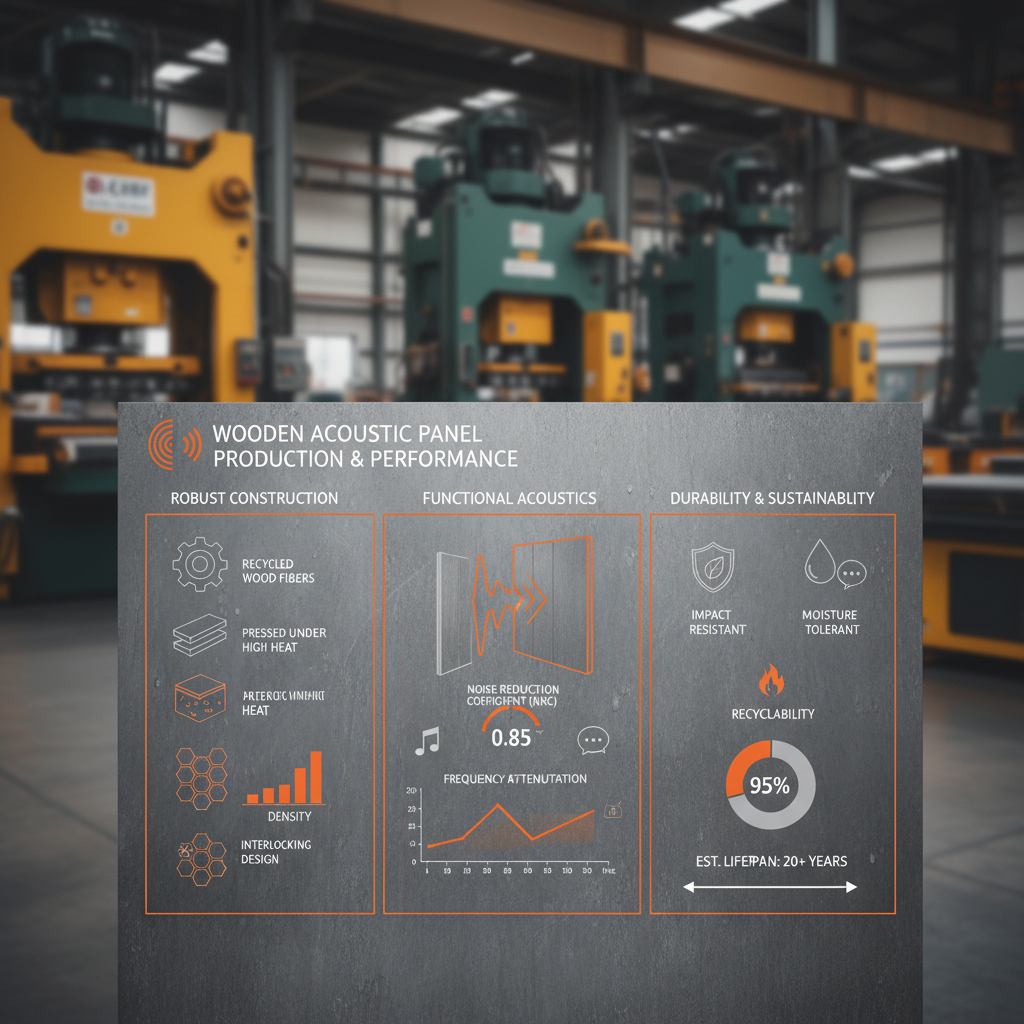
With proper care and maintenance, wooden acoustic panels can have a long lifespan, typically ranging from 20 to 50 years or more. The exact lifespan depends on factors such as the wood species used, the quality of construction, and the environmental conditions. Regular cleaning and occasional re-coating or sealing can help extend the panel's life. Avoiding exposure to excessive moisture and direct sunlight is also essential for preserving their integrity.
The ease of installation varies depending on the panel type and mounting system. Some panels are designed for simple DIY installation, while others require professional expertise. Factors such as precise alignment, secure anchoring, and proper sealing are critical for achieving optimal acoustic performance. If you're unfamiliar with acoustic panel installation or lack the necessary tools, it's best to hire a qualified installer to ensure a professional and effective result.
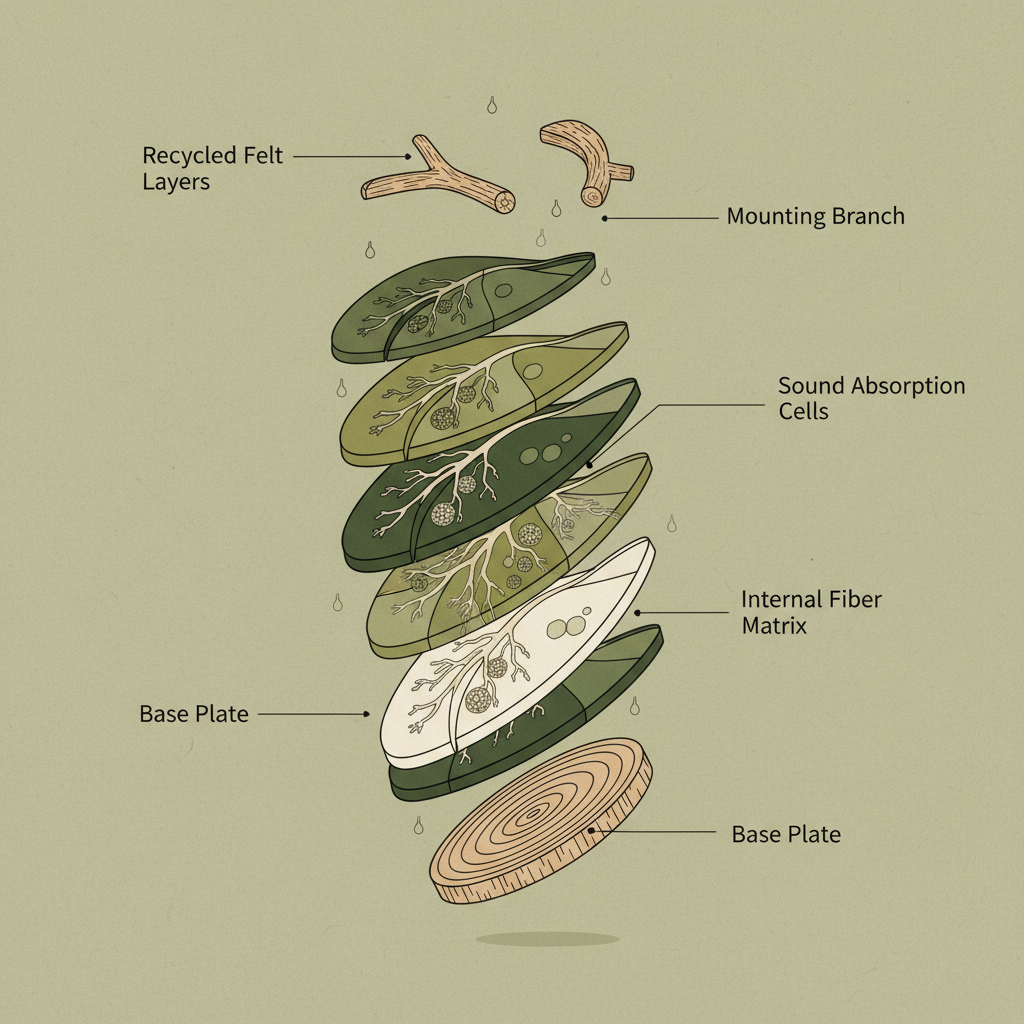
Yes, wooden acoustic panels can be a highly environmentally friendly choice, particularly when sourced from sustainably managed forests. Wood is a renewable resource, and its production generally has a lower carbon footprint compared to many synthetic materials. Additionally, many manufacturers utilize recycled wood fibers or bio-based materials in their panels, further reducing their environmental impact. Choosing panels with low-VOC finishes and adhesives also contributes to a healthier indoor environment.
In conclusion, wooden acoustic panels represent a powerful and versatile solution for managing sound in a diverse range of environments. Their unique combination of acoustic performance, aesthetic appeal, and sustainability makes them an increasingly popular choice for architects, designers, and building owners seeking to create more comfortable, functional, and healthy spaces. From commercial offices to educational institutions and healthcare facilities, the benefits of optimized acoustics are far-reaching.
Looking ahead, the continued development of innovative materials and technologies will further enhance the capabilities of wooden acoustic panel systems. By embracing sustainable practices, investing in research and development, and collaborating with acoustic experts, we can unlock the full potential of wood as a powerful tool for creating harmonious and inspiring built environments. Visit our website at www.ytakupanel.com to explore our range of wooden acoustic panel solutions and discover how we can help you transform your space.

 Afrikaans
 Albanian
 Amharic
 Arabic
 Armenian
 Azerbaijani
 Basque
 Belarusian
 Bengali
 Bosnian
 Bulgarian
 Catalan
 Cebuano
 Corsican
 Croatian
 Czech
Czech
 Danish
 Dutch
Dutch
 Esperanto
 Estonian
 Finnish
 French
 Frisian
 Galician
 Georgian
 German
 Greek
Greek
 Gujarati
 Haitian Creole
 Hausa
Hausa
 Hawaiian
 Hebrew
 Hindi
Hindi
 Miao
Miao
 Hungarian
 Icelandic
 Igbo
Igbo
 Indonesian
 Irish
Irish
 Italian
 Japanese
 Javanese
 Kannada
 Kazakh
 Khmer
Khmer
 Rwandese
 Korean
 Kurdish
 Kyrgyz
 Lao
Lao
 Latin
Latin
 Latvian
 Lithuanian
 Luxembourgish
 Macedonian
 Malgashi
 Malay
Malay
 Malayalam
 Maltese
 Maori
Maori
 Marathi
 Mongolian
 Myanmar
 Nepali
 Norwegian
 Norwegian
 Occitan
 Pashto
 Persian
 Polish
 Portuguese
 Punjabi
 Romanian
 Russian
 Samoan
 Scottish Gaelic
 Serbian
 Sesotho
 Shona
Shona
 Sindhi
 Sinhala
 Slovak
 Slovenian
 Somali
 Spanish
 Sundanese
 Swahili
 Swedish
 Tagalog
 Tajik
Tajik
 Tamil
Tamil
 Tatar
Tatar
 Telugu
 Thai
Thai
 Turkish
 Turkmen
 Ukrainian
 Urdu
Urdu
 Uighur
 Uzbek
Uzbek
 Vietnamese
 Welsh
Welsh
 Bantu
Bantu
 Yiddish
 Yoruba
 Zulu
Zulu
 English