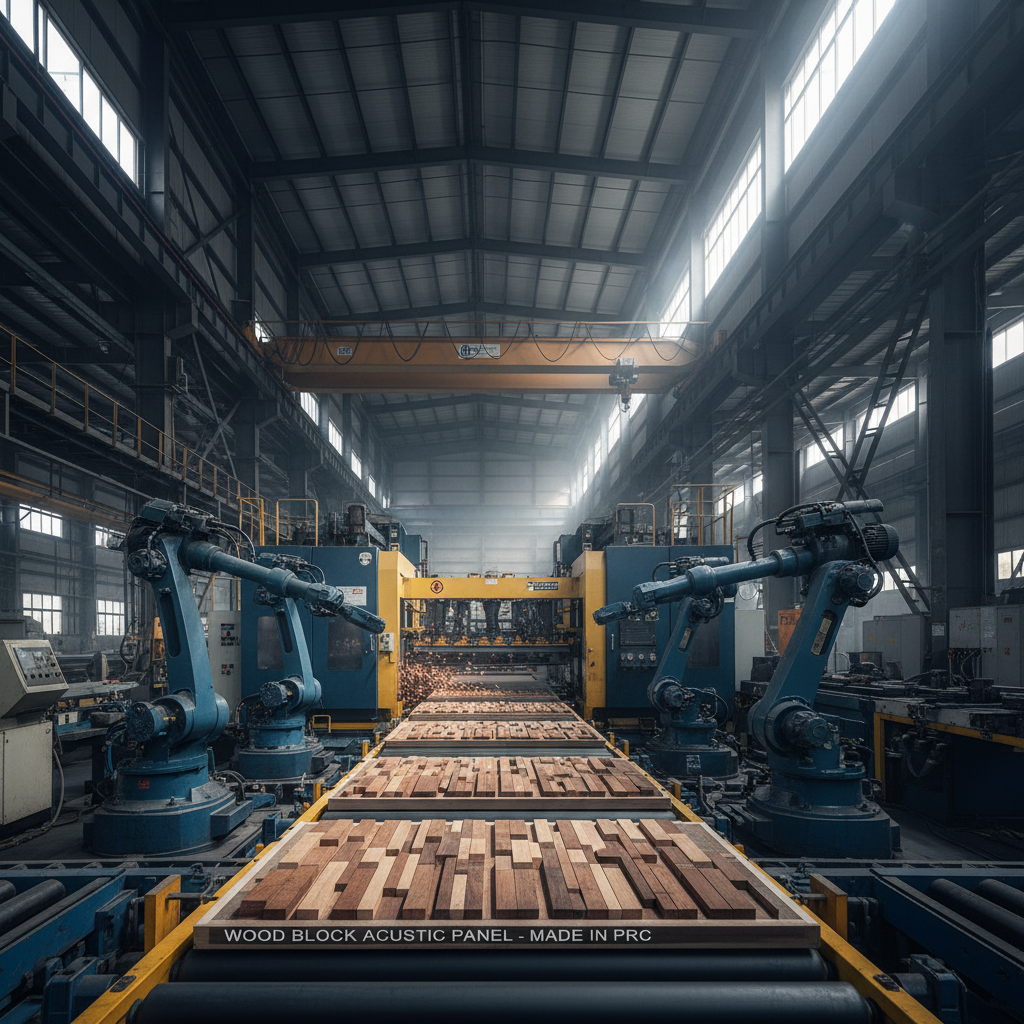
Honestly, the whole industry's been buzzing about prefabrication lately. Everyone's chasing speed, you know? Less on-site labor, quicker turnaround. But it's not as simple as slapping things together in a factory. I've seen too many projects where they promised the world and delivered…well, something less. It’s all about the details, and those details are where things get messy.
You think you've got a foolproof design, then you get to the site, and a plumber points out something you hadn't even considered. Or a structural engineer shakes his head and says, “You can’t do that.” It's humbling, really. It reminds you that blueprints are just a starting point.


To be honest, things are moving fast. The biggest trend, like I said, is pre-fab. But there’s also a push for more sustainable materials. Everyone wants “green” now, which is good, but sometimes they forget about practicality. You can have all the eco-friendly materials in the world, but if they fall apart after six months, what’s the point?
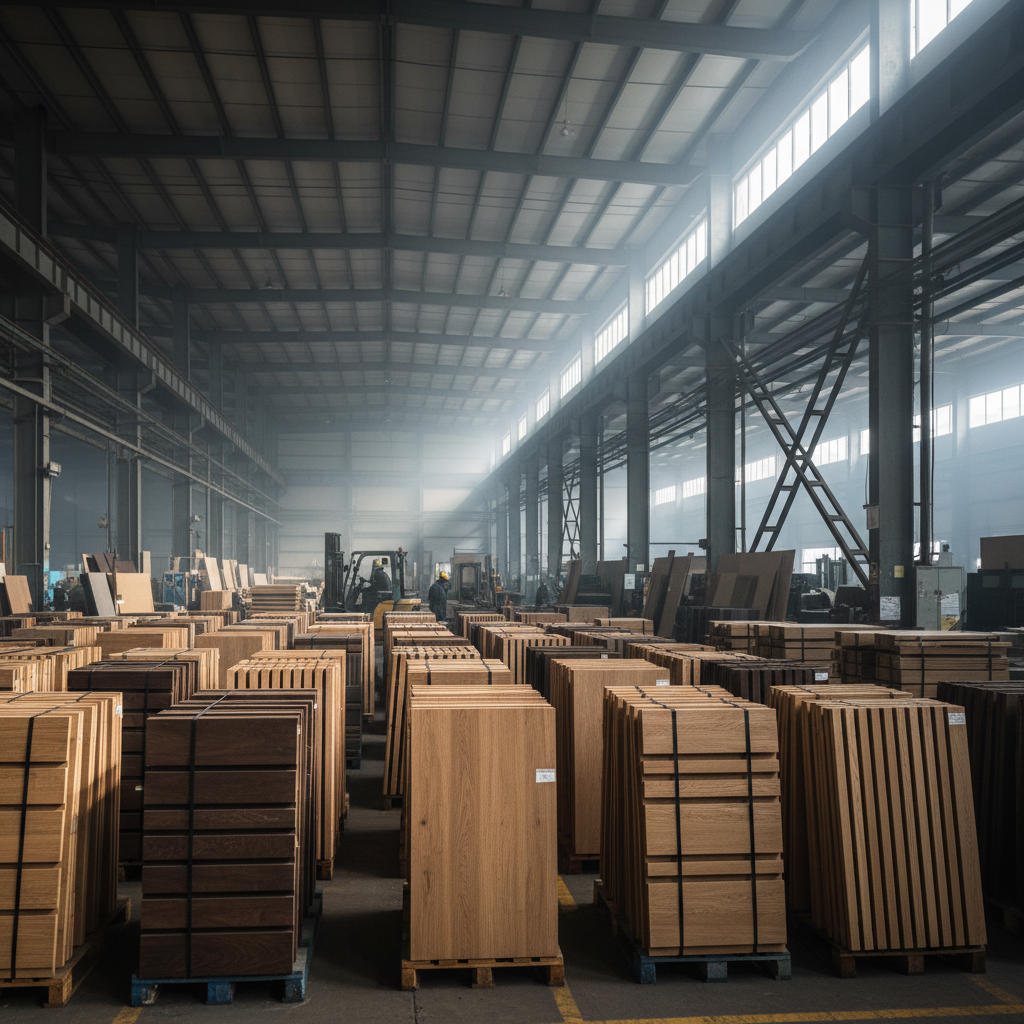
I encountered this at a factory in Jiangsu province last time - they were so proud of their bamboo panels. Smelled lovely, all natural, but they warped in the humidity. Just…warped. It's finding the balance that's tough. And the competition is fierce. A ton of smaller manufacturers are popping up, offering lower prices, but the quality… well, let's just say it varies.
The biggest advantage is speed. Pre-fab cuts down on construction time significantly because a lot of the work happens in a controlled factory environment. This means less weather-related delays, reduced on-site labor costs, and a faster return on investment. It also often leads to better quality control, as factory conditions are more consistent than a busy construction site. It's not a magic bullet, but it’s a big step forward in efficiency.
That depends on the soil conditions and the weight of the unit. We often use concrete slabs, but sometimes we’ll go with helical piles, especially on unstable ground. I once had a project where the soil was so bad, we had to use a combination of both. It's crucial to do a proper geotechnical survey before you start, otherwise, you’re just asking for trouble. The foundation is the whole thing's heart. You mess that up, and everything else falls apart.
To a degree, yes. Basic customizations, like interior finishes and plumbing layouts, are relatively straightforward. More complex changes, like altering the overall structure or adding large openings, can be more challenging and costly. We’ve found that it’s best to work with the client early in the design process to identify any customization needs and ensure they’re feasible. It’s always easier to build something right the first time than to try and retrofit it later.
They're generally pretty low maintenance, but regular inspections are still important. You want to check for things like water leaks, damage to the exterior cladding, and corrosion of any metal components. Good quality materials are key, of course. We recommend a yearly inspection and any necessary repairs to keep things in good shape. Like any building, it needs some TLC.
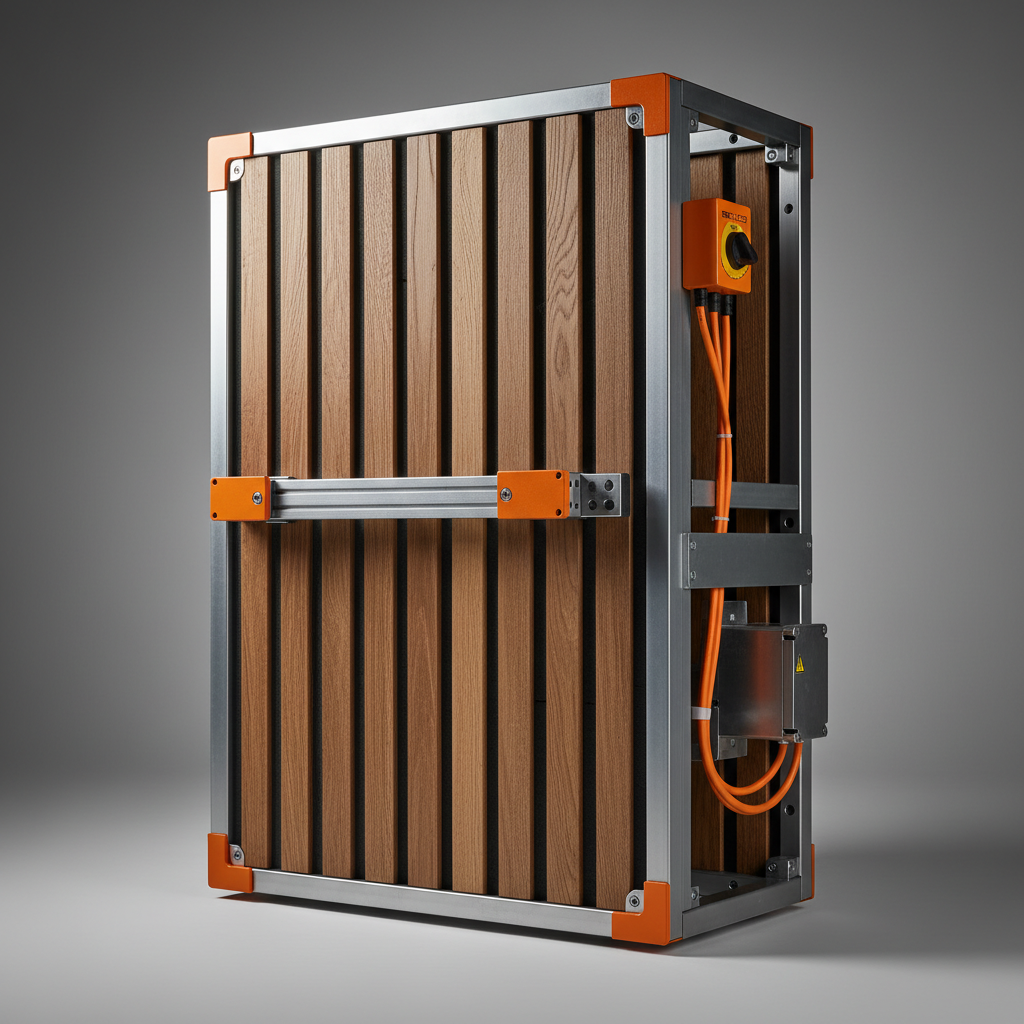
That’s a big concern, and it’s something we take very seriously. The structural integrity depends on the design and the materials used. We engineer our units to meet or exceed local building codes for wind and seismic resistance. We also incorporate features like reinforced connections and hurricane straps to provide extra protection. The location and foundation design also play a huge role.
With proper maintenance, a well-built pre-fabricated structure can last for decades. The lifespan really depends on the materials used and the environmental conditions. Steel-framed units, if protected from corrosion, can easily last 50 years or more. Wood-framed units may have a shorter lifespan, but can still provide reliable service for 30-40 years with proper care.
So, yeah, pre-fabricated construction isn’t a silver bullet, but it’s a really powerful tool. It's about finding the right balance between speed, cost, quality, and customization. It requires careful planning, attention to detail, and a willingness to learn from your mistakes.
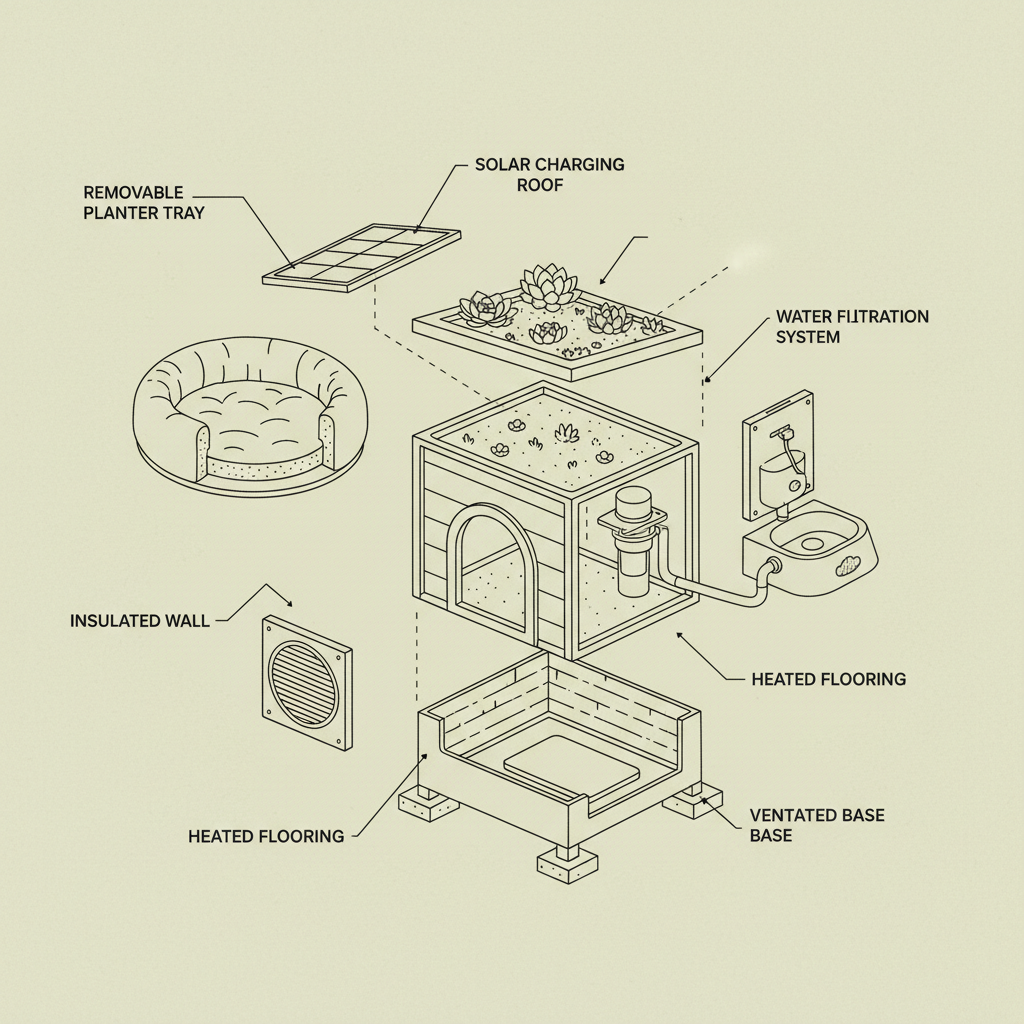
Ultimately, whether this thing works or not, the worker will know the moment he tightens the screw. If it feels solid, if it goes together smoothly, then you’re on the right track. If it’s a struggle, then something’s wrong. And if you want to learn more, give us a shout at pet house manufacturers. We’ve built a lot of these things, and we’re happy to share what we’ve learned.

 Afrikaans
 Albanian
 Amharic
 Arabic
 Armenian
 Azerbaijani
 Basque
 Belarusian
 Bengali
 Bosnian
 Bulgarian
 Catalan
 Cebuano
 Corsican
 Croatian
 Czech
Czech
 Danish
 Dutch
Dutch
 Esperanto
 Estonian
 Finnish
 French
 Frisian
 Galician
 Georgian
 German
 Greek
Greek
 Gujarati
 Haitian Creole
 Hausa
Hausa
 Hawaiian
 Hebrew
 Hindi
Hindi
 Miao
Miao
 Hungarian
 Icelandic
 Igbo
Igbo
 Indonesian
 Irish
Irish
 Italian
 Japanese
 Javanese
 Kannada
 Kazakh
 Khmer
Khmer
 Rwandese
 Korean
 Kurdish
 Kyrgyz
 Lao
Lao
 Latin
Latin
 Latvian
 Lithuanian
 Luxembourgish
 Macedonian
 Malgashi
 Malay
Malay
 Malayalam
 Maltese
 Maori
Maori
 Marathi
 Mongolian
 Myanmar
 Nepali
 Norwegian
 Norwegian
 Occitan
 Pashto
 Persian
 Polish
 Portuguese
 Punjabi
 Romanian
 Russian
 Samoan
 Scottish Gaelic
 Serbian
 Sesotho
 Shona
Shona
 Sindhi
 Sinhala
 Slovak
 Slovenian
 Somali
 Spanish
 Sundanese
 Swahili
 Swedish
 Tagalog
 Tajik
Tajik
 Tamil
Tamil
 Tatar
Tatar
 Telugu
 Thai
Thai
 Turkish
 Turkmen
 Ukrainian
 Urdu
Urdu
 Uighur
 Uzbek
Uzbek
 Vietnamese
 Welsh
Welsh
 Bantu
Bantu
 Yiddish
 Yoruba
 Zulu
Zulu
 English