
Choosing the Right House Cladding Wood for Your Project
When it comes to enhancing the aesthetic appeal and protecting the structural integrity of your home, selecting the right house cladding wood is crucial. A well-chosen cladding material not only adds curb appeal but also provides a vital defense against the elements. This article will guide you through the various types of wood suitable for house cladding, their benefits, drawbacks, and important factors to consider before making a decision. We'll explore options from durable hardwoods to cost-effective softwoods, ensuring you find the perfect fit for your project. Learn how to select the ideal house cladding wood that blends beauty and longevity.
Understanding Different Types of Wood for Cladding
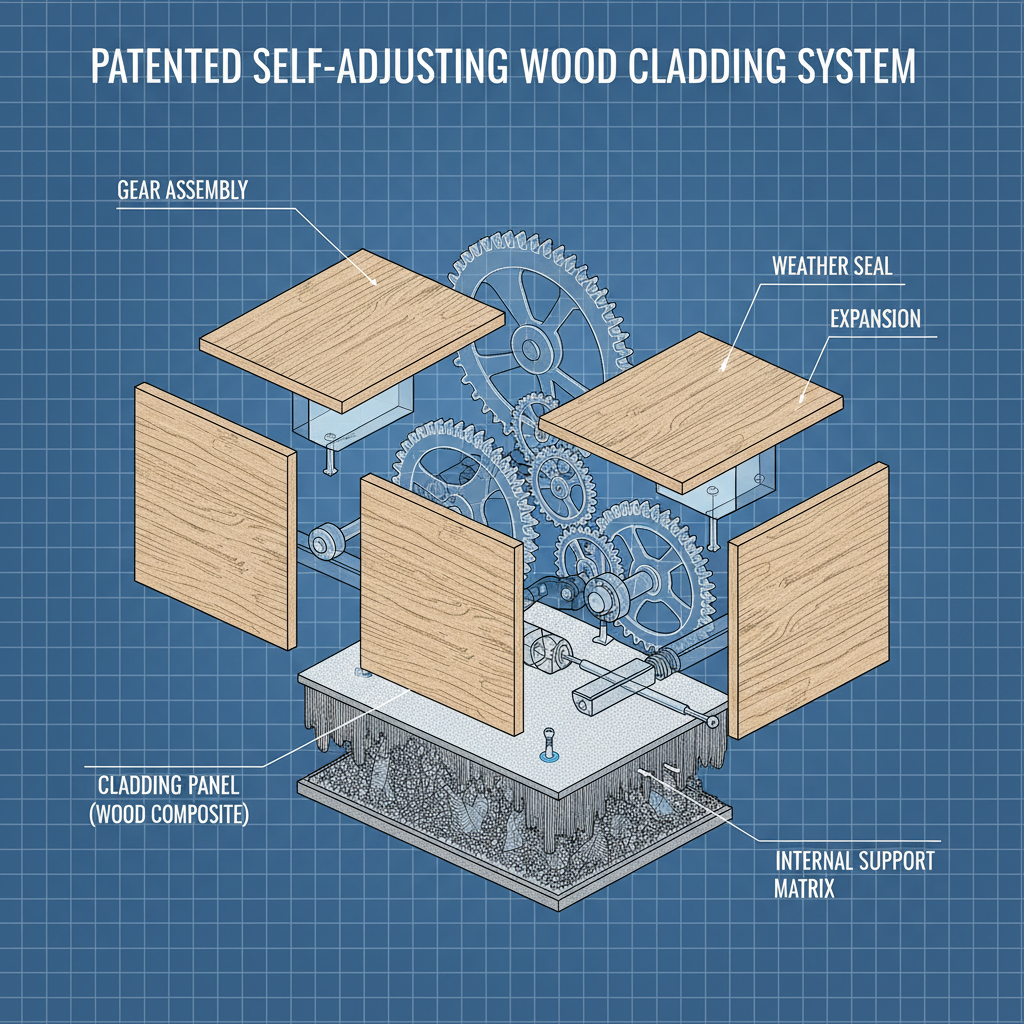
The world of wood cladding is diverse. Generally, choices fall into two main categories: hardwoods and softwoods. Hardwoods, like cedar, oak, and iroko, are known for their durability, density, and resistance to rot and insects. However, they tend to be more expensive. Softwoods, such as pine and spruce, are more affordable and easier to work with, but require more frequent maintenance and treatment to withstand the elements. Consider the climate you live in, the desired lifespan of the cladding, and your budget when making your selection. Factors like the wood's natural oils and grain pattern also contribute to its weather resistance and aesthetic appeal.
Key Consideration: The best wood for cladding will depend on a balance of durability, cost, aesthetic preferences, and the local climate.
Popular Wood Options for House Cladding
Let's delve into some specific wood choices commonly used for house cladding: Cedar is highly prized for its natural resistance to decay, insects, and moisture. Redwood, similarly, offers excellent durability and a beautiful reddish hue. Iroko, a tropical hardwood, is extremely durable and weathers well, making it ideal for challenging climates. Pine, a more economical option, requires regular treatment with preservatives and paint to maintain its integrity. Larch is another softwood choice, known for its strength and resistance to rot, but also benefits from protective coatings.
Wood Cladding Benefits:
• Enhanced curb appeal
• Natural insulation properties
• Renewable resource (when sustainably sourced)
• Aesthetic versatility
Cedar vs. Pine: A Detailed Comparison
Comparing cedar and pine highlights the trade-offs between cost and durability. Cedar boasts exceptional natural resistance to decay and insects, requiring minimal chemical treatment. It’s a premium option but offers long-term value. Pine, being significantly cheaper, is appealing for budget-conscious projects. However, it's highly susceptible to rot and insect damage, demanding regular sealing, painting, or staining. This ongoing maintenance adds to the lifetime cost of pine cladding. Selecting the right wood depends on your budget and willingness to invest in long-term maintenance.
Installation Techniques for Wood Cladding
Proper installation is vital for ensuring the longevity and performance of your wood cladding. Common methods include overlapping boards (like traditional clapboard), shiplap joints (providing a tight seal), and rainscreen systems (allowing for ventilation and drainage). A rainscreen system is highly recommended, as it prevents moisture buildup behind the cladding, reducing the risk of rot and extending the lifespan of the wood. Professional installation is often advisable to ensure correct alignment, proper fastening, and effective weatherproofing.
Wood Cladding and Sustainability: Making Responsible Choices
Choosing sustainably sourced wood is crucial for environmental responsibility. Look for wood certified by organizations like the Forest Stewardship Council (FSC), which ensures that the wood comes from responsibly managed forests. Consider using reclaimed wood, a great option for reducing waste and adding character to your home. Properly disposing of any wood waste generated during installation is also important. You can find sustainably sourced wood options at Ytakupanel.
Conclusion: Investing in Quality House Cladding Wood
Selecting the right house cladding wood is a long-term investment that impacts both the aesthetic appeal and structural integrity of your home. Carefully consider your budget, climate, and maintenance preferences when making your decision. Prioritizing quality materials and professional installation will ensure a beautiful and durable result.
Frequently Asked Questions (FAQs)
What is the best wood cladding for a coastal environment?
For coastal environments, where salt air and moisture are prevalent, cedar, iroko, or thermally modified wood are excellent choices. These woods possess natural resistance to rot, decay, and insect damage, crucial in harsh maritime conditions. Regular maintenance, including cleaning and applying protective coatings, will further extend the lifespan of the cladding. Avoid using pine or other softwoods unless they are heavily treated and maintained.
How often should wood cladding be painted or stained?
The frequency of painting or staining depends on the type of wood, the climate, and the quality of the coating used. Generally, softwoods like pine require repainting or restaining every 2-3 years to maintain their protective barrier. Hardwoods like cedar and iroko can last 5-10 years before needing attention. Regular inspection and addressing any cracks or peeling paint promptly will prevent moisture damage and extend the lifespan of the cladding.
What is a rainscreen system and why is it beneficial?
A rainscreen system is a type of cladding construction that creates a ventilated cavity between the cladding material and the wall structure. This cavity allows for air circulation, preventing moisture buildup and promoting rapid drainage. The benefits include improved thermal performance, reduced risk of rot and mold, and extended lifespan of the cladding. It's a highly recommended system, particularly in climates with high humidity or rainfall.
Is it cost-effective to use engineered wood cladding?
Engineered wood cladding, like modified wood or wood-plastic composites, can be a cost-effective alternative to traditional wood. While the initial cost may be higher, the reduced maintenance requirements and increased durability can lead to long-term savings. These materials are often more resistant to rot, insects, and weathering, reducing the need for frequent repairs or replacements. They also offer greater design flexibility and consistent quality compared to natural wood.
-
Ultimate Guide to Durable and Stylish pvc wood effect claddingNewsApr.16,2026
-
Ultimate Guide to Durable and Stylish PVC Wood CladdingNewsApr.09,2026
-
Discover the Beauty and Durability of PVC Wall Panels Wood Effect SolutionsNewsApr.07,2026
-
Enhance Your Space with Durable PVC Wall Panels Wood SolutionsNewsApr.04,2026
-
Explore the Beauty and Benefits of Pine Wood Wall Panelling for Your HomeNewsMar.31,2026
-
Enhance Your Interiors with the Natural Beauty of Pine Wood Wall CladdingNewsMar.28,2026
 Afrikaans
 Albanian
 Amharic
 Arabic
 Armenian
 Azerbaijani
 Basque
 Belarusian
 Bengali
 Bosnian
 Bulgarian
 Catalan
 Cebuano
 Corsican
 Croatian
 Czech
Czech
 Danish
 Dutch
Dutch
 Esperanto
 Estonian
 Finnish
 French
 Frisian
 Galician
 Georgian
 German
 Greek
Greek
 Gujarati
 Haitian Creole
 Hausa
Hausa
 Hawaiian
 Hebrew
 Hindi
Hindi
 Miao
Miao
 Hungarian
 Icelandic
 Igbo
Igbo
 Indonesian
 Irish
Irish
 Italian
 Japanese
 Javanese
 Kannada
 Kazakh
 Khmer
Khmer
 Rwandese
 Korean
 Kurdish
 Kyrgyz
 Lao
Lao
 Latin
Latin
 Latvian
 Lithuanian
 Luxembourgish
 Macedonian
 Malgashi
 Malay
Malay
 Malayalam
 Maltese
 Maori
Maori
 Marathi
 Mongolian
 Myanmar
 Nepali
 Norwegian
 Norwegian
 Occitan
 Pashto
 Persian
 Polish
 Portuguese
 Punjabi
 Romanian
 Russian
 Samoan
 Scottish Gaelic
 Serbian
 Sesotho
 Shona
Shona
 Sindhi
 Sinhala
 Slovak
 Slovenian
 Somali
 Spanish
 Sundanese
 Swahili
 Swedish
 Tagalog
 Tajik
Tajik
 Tamil
Tamil
 Tatar
Tatar
 Telugu
 Thai
Thai
 Turkish
 Turkmen
 Ukrainian
 Urdu
Urdu
 Uighur
 Uzbek
Uzbek
 Vietnamese
 Welsh
Welsh
 Bantu
Bantu
 Yiddish
 Yoruba
 Zulu
Zulu
 English


