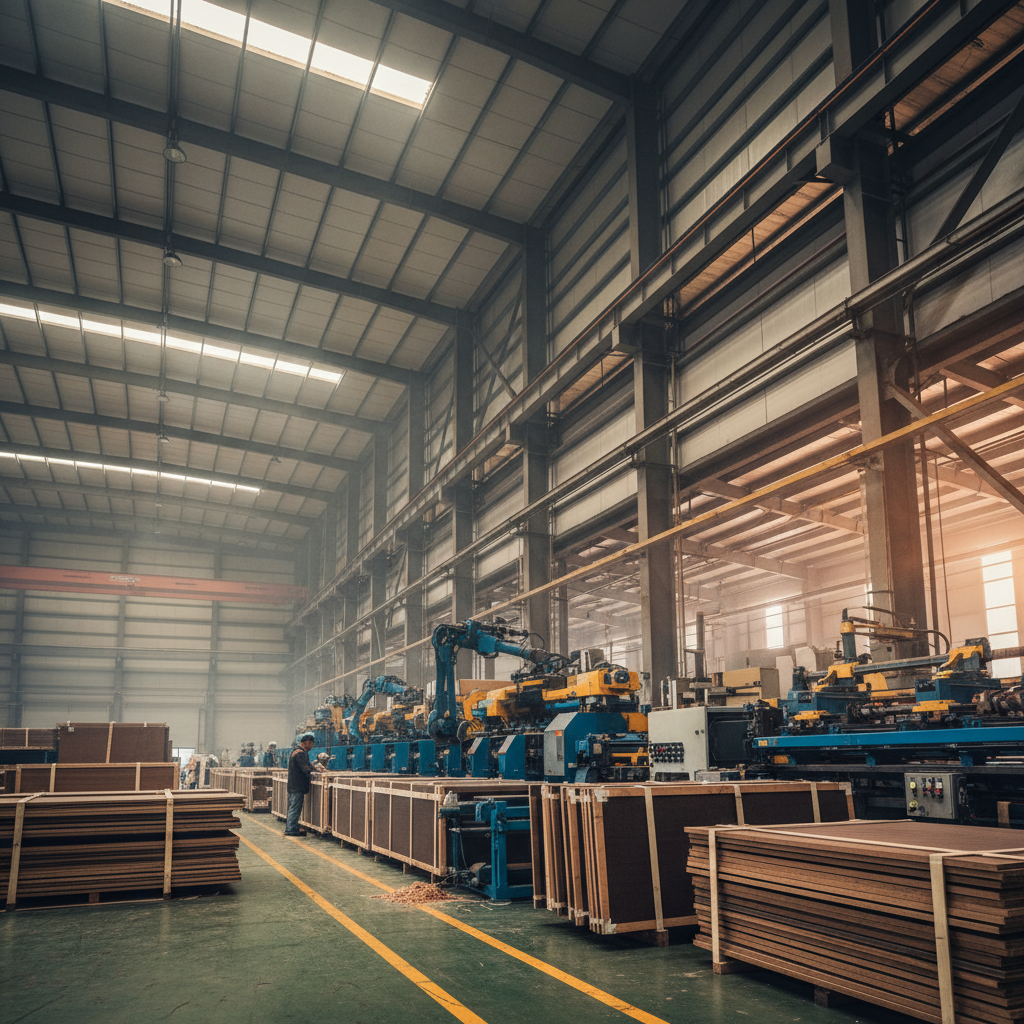
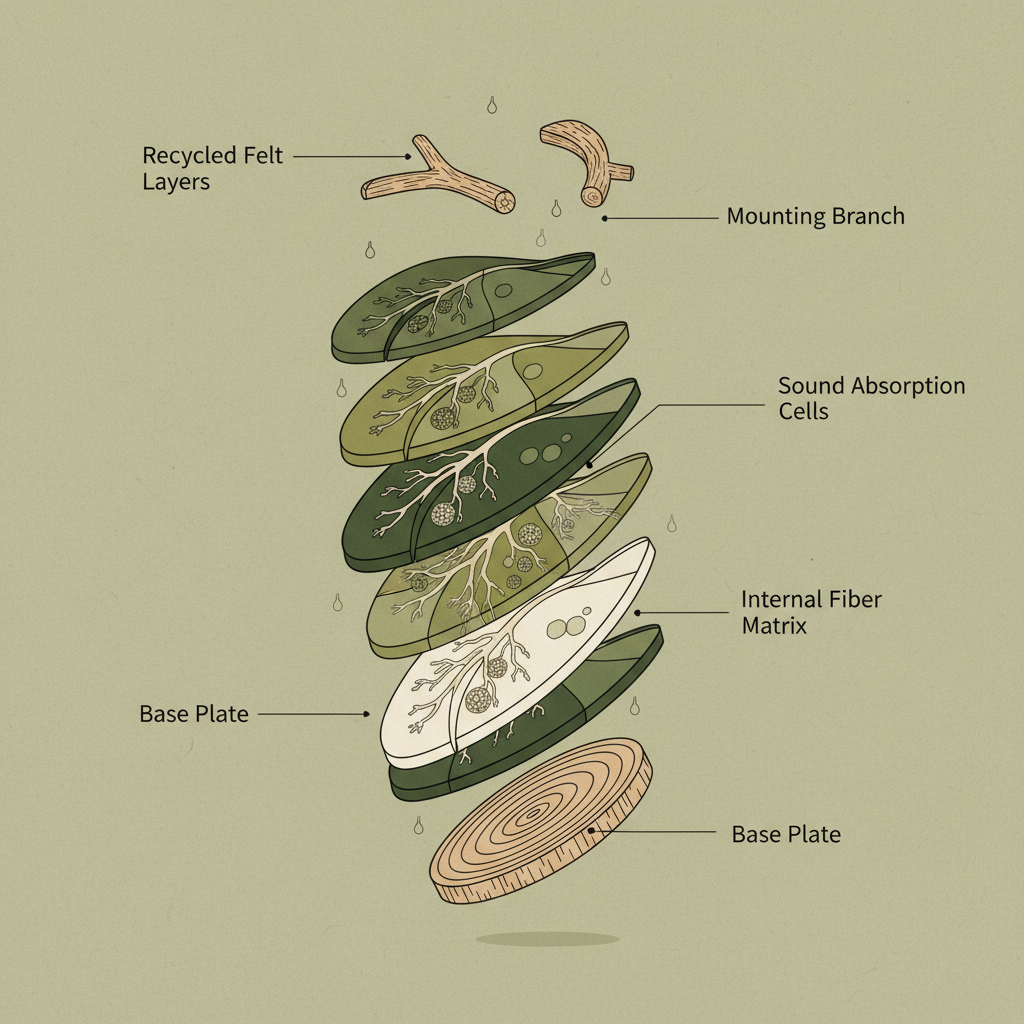
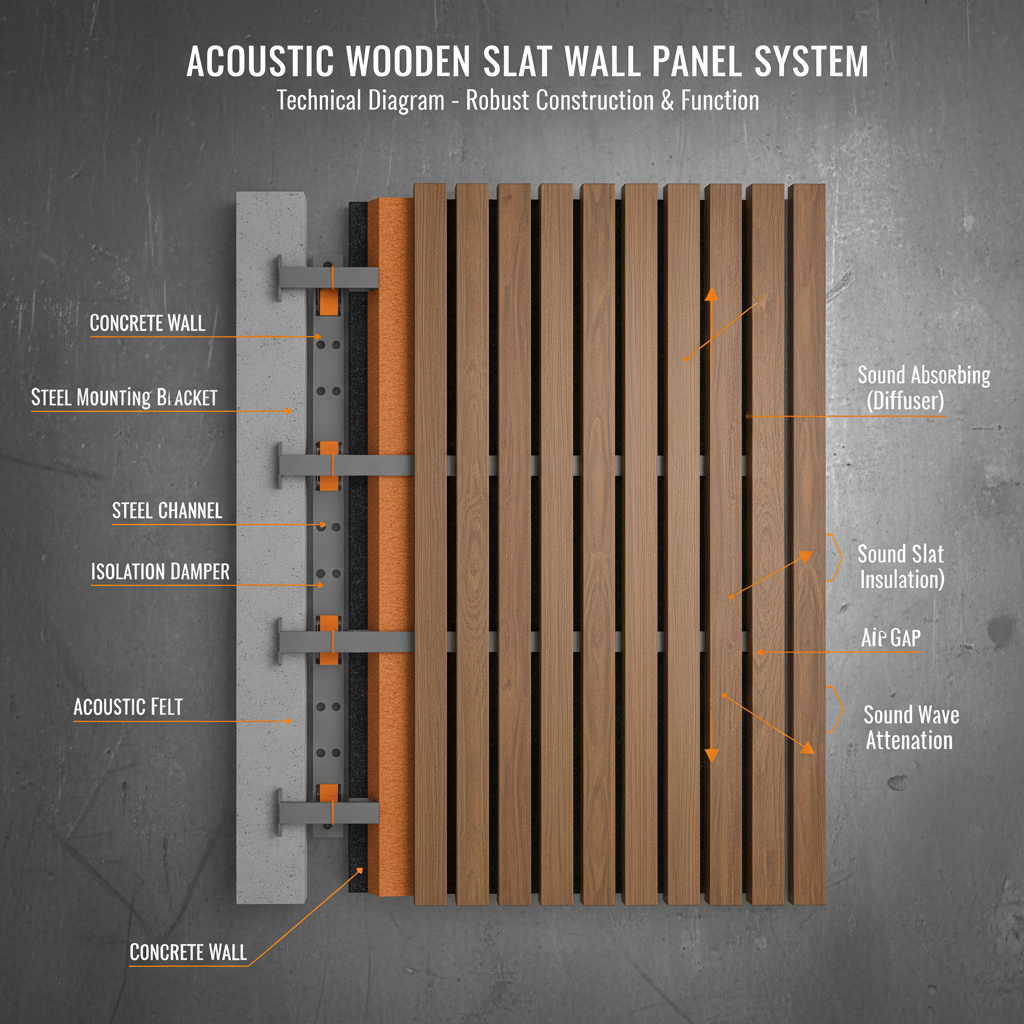
Look, I’ve spent the last fifteen years on job sites, getting my hands dirty, and frankly, hearing the same complaint over and over: noise. It's not just a comfort thing; it's a safety issue, a productivity killer, and increasingly, a legal one. Everyone’s looking for ways to control sound, and that's where understanding how to make sound absorbing wall panels becomes crucial. It’s moved beyond just recording studios—now it’s offices, schools, hospitals, even warehouses. Folks are realizing that a quieter environment is a better environment, period.
The demand is skyrocketing because traditional solutions are often clunky, expensive, or don't really deliver. Think about the old ways: heavy curtains, thick walls... they work, sure, but at a cost. We need solutions that are lightweight, cost-effective, and easy to install, especially on projects with tight deadlines and budgets. This is where the focus on DIY-able, customizable, and high-performing sound absorbing wall panels really comes into play. It's not just about reducing decibels; it's about creating spaces where people can actually think.
And it’s not just about buildings, either. I’ve seen a growing need for these panels in temporary structures, outdoor events, and even as noise barriers on construction sites themselves. Reducing noise pollution isn’t just good for those inside a space; it’s about being a responsible neighbor. The whole game is shifting towards proactive noise control, and how to make sound absorbing wall panels is right at the center of it.

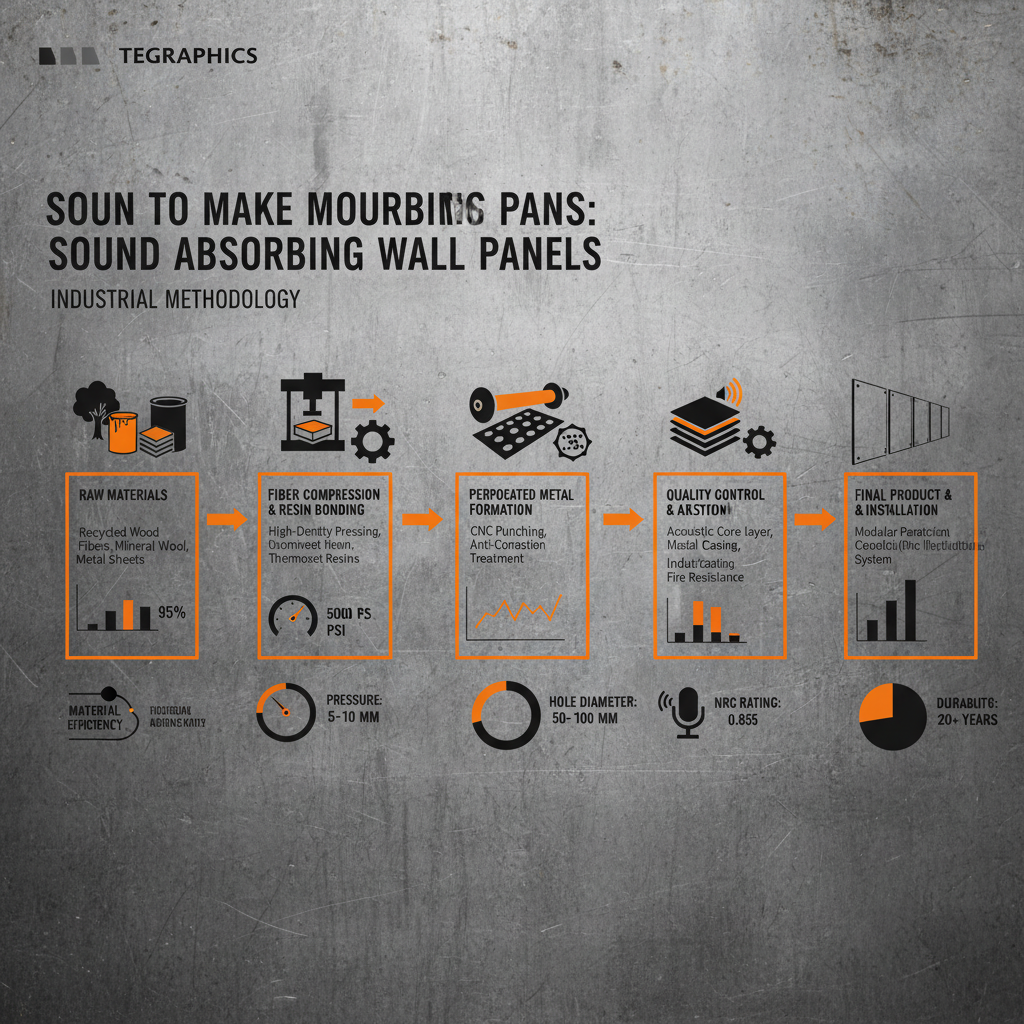
I've seen a massive shift in priorities on sites in the last decade. It's not just about building faster and cheaper anymore. People are actually starting to care about the well-being of those inside the structures, and frankly, those around them. Sound is a huge part of that. ISO standards for noise levels are getting stricter, and clients are demanding quieter spaces. This isn’t a luxury; it’s becoming a standard expectation, and understanding how to make sound absorbing wall panels is essential for meeting those demands.
It’s not just about the decibel level. It’s about the type of sound. Reverberation, echo… these things can cause fatigue, reduce concentration, and even contribute to stress. In schools, for example, poor acoustics can actually hinder learning. In offices, it can lead to decreased productivity. We’re talking about real-world impacts that affect people’s lives, and smart builders are taking notice. That’s why the demand for effective sound absorbing wall panels is only going to grow.
Hands down, it's focusing solely on blocking sound transmission instead of addressing the internal acoustics. You can block outside noise, but if the room itself is echoey and reverberant, you haven’t solved the problem. Sound absorbing wall panels are key to tackling that internal reflection and creating a truly quiet and comfortable space. It's about absorption and blocking, not just one or the other.
Thickness matters, especially for lower frequencies. Thicker panels generally absorb more low-frequency sound, which is often the most disruptive. However, you need to balance thickness with practicality. You don't want panels that take up so much space they make the room feel cramped. A good rule of thumb is to aim for at least 2 inches, but the ideal thickness will depend on the specific application and the frequencies you're trying to control.
They can be, but it depends on how carefully you build them. DIY panels are great for budget-conscious projects, but you need to use the right materials and construction techniques. Using cheap or ineffective materials will result in poor performance. Pay close attention to the density and porosity of the absorbing material, and ensure proper encapsulation to prevent fiber release.
There's no single "best" material – it depends on your needs and budget. Fiberglass and mineral wool are highly effective, but can be irritating to work with. Acoustic foam is easier to handle but often less effective. Recycled cotton is a good eco-friendly option. PET felt is becoming increasingly popular as well due to its sustainable properties and performance. Each material has its own pros and cons, so it's important to weigh your options.
That’s a good question. A general guideline is to cover at least 20-30% of the wall surface area with absorbing material. But it really depends on the size of the room, the existing acoustic properties, and the level of noise reduction you're aiming for. There are online calculators available, but it’s often best to consult with an acoustic consultant for a more accurate assessment. They can perform measurements and provide tailored recommendations.
You can, but you need to choose materials that are weather-resistant and UV-stable. Standard acoustic foam will quickly degrade in outdoor conditions. Look for panels specifically designed for outdoor use, often made from closed-cell foam or other durable materials. Also, consider the structural requirements – outdoor panels need to be securely mounted to withstand wind and weather.
We’ve covered a lot of ground here, but the core takeaway is this: how to make sound absorbing wall panels isn’t just about reducing noise – it’s about creating better spaces for people to live, work, and learn. It's about prioritizing well-being, increasing productivity, and improving the overall quality of life. The demand for these solutions is only going to grow as we become more aware of the impact of noise on our health and performance.
Looking ahead, I expect to see even more innovation in this field, with a focus on sustainable materials, smart technology, and customized solutions. If you’re serious about controlling noise in your projects, I encourage you to explore the options available and invest in high-quality sound absorbing wall panels. It’s an investment that will pay dividends for years to come. For more information and to discuss your specific needs, visit our website: www.ytakupanel.com.

 Afrikaans
 Albanian
 Amharic
 Arabic
 Armenian
 Azerbaijani
 Basque
 Belarusian
 Bengali
 Bosnian
 Bulgarian
 Catalan
 Cebuano
 Corsican
 Croatian
 Czech
Czech
 Danish
 Dutch
Dutch
 Esperanto
 Estonian
 Finnish
 French
 Frisian
 Galician
 Georgian
 German
 Greek
Greek
 Gujarati
 Haitian Creole
 Hausa
Hausa
 Hawaiian
 Hebrew
 Hindi
Hindi
 Miao
Miao
 Hungarian
 Icelandic
 Igbo
Igbo
 Indonesian
 Irish
Irish
 Italian
 Japanese
 Javanese
 Kannada
 Kazakh
 Khmer
Khmer
 Rwandese
 Korean
 Kurdish
 Kyrgyz
 Lao
Lao
 Latin
Latin
 Latvian
 Lithuanian
 Luxembourgish
 Macedonian
 Malgashi
 Malay
Malay
 Malayalam
 Maltese
 Maori
Maori
 Marathi
 Mongolian
 Myanmar
 Nepali
 Norwegian
 Norwegian
 Occitan
 Pashto
 Persian
 Polish
 Portuguese
 Punjabi
 Romanian
 Russian
 Samoan
 Scottish Gaelic
 Serbian
 Sesotho
 Shona
Shona
 Sindhi
 Sinhala
 Slovak
 Slovenian
 Somali
 Spanish
 Sundanese
 Swahili
 Swedish
 Tagalog
 Tajik
Tajik
 Tamil
Tamil
 Tatar
Tatar
 Telugu
 Thai
Thai
 Turkish
 Turkmen
 Ukrainian
 Urdu
Urdu
 Uighur
 Uzbek
Uzbek
 Vietnamese
 Welsh
Welsh
 Bantu
Bantu
 Yiddish
 Yoruba
 Zulu
Zulu
 English