
The Ultimate Guide to PVC Wood Cladding: Style Meets Durability
When it comes to modern exterior and interior design, finding a material that balances aesthetic appeal with long-term resilience is a challenge. pvc wood cladding has emerged as a revolutionary solution, offering the timeless warmth of natural timber without the relentless maintenance requirements. Whether you are renovating a residential facade or designing a commercial space, this innovative material provides a weatherproof, termite-proof, and visually stunning alternative to traditional wood. In this comprehensive guide, we will explore why PVC-based wood alternatives are becoming the gold standard for architects and homeowners globally.
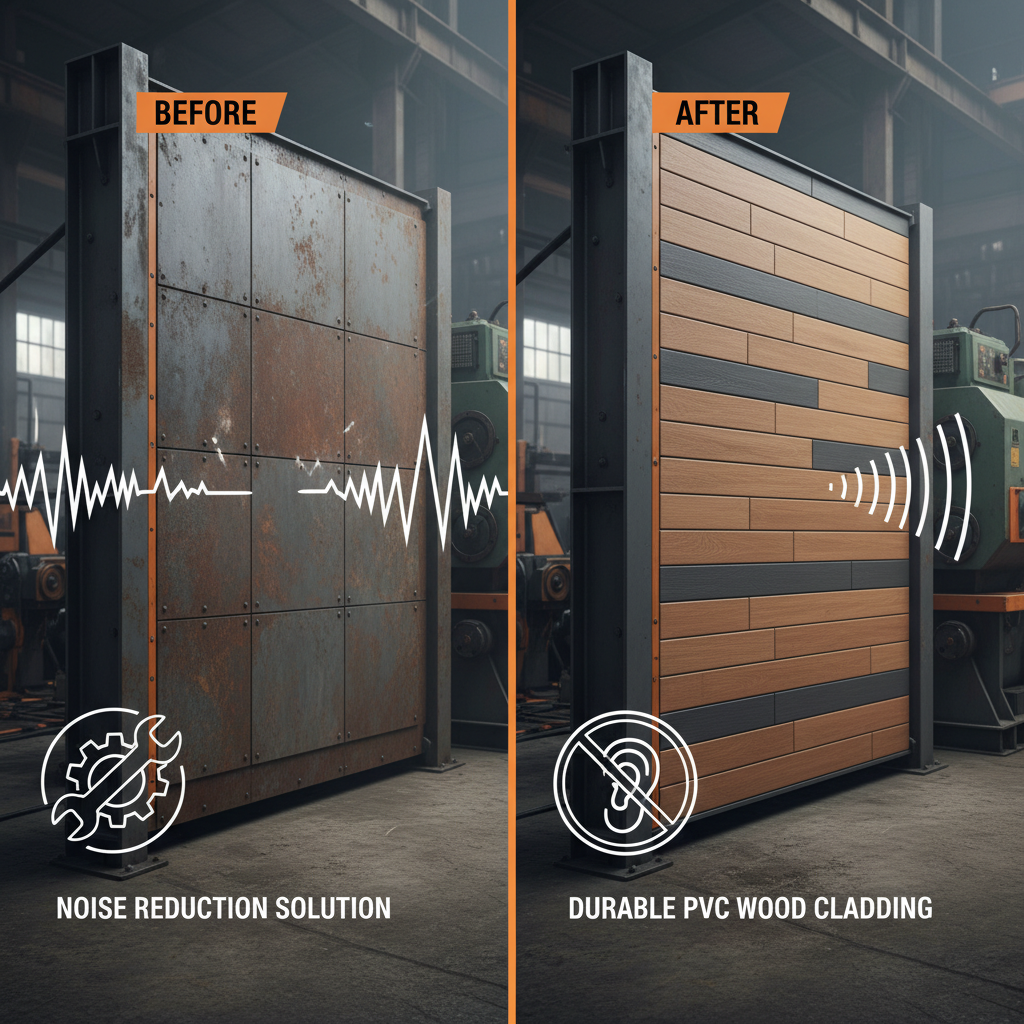
Why Choose pvc wood cladding Over Natural Timber?
Natural wood is beautiful, but it is vulnerable to the elements. Rot, warping, and fading are common issues that require frequent sanding and staining. In contrast, pvc wood cladding is engineered to withstand extreme weather conditions. It does not absorb moisture, meaning it will never rot or swell, even in the most humid environments. Furthermore, the advanced UV-resistant coatings ensure that the rich, woody colors remain vibrant for years. By choosing a high-quality composite, you effectively eliminate the need for annual painting and chemical treatments, making it an eco-friendly and cost-effective choice for the modern builder.
Key Advantage: While natural wood requires constant vigilance, PVC alternatives offer a "fit and forget" experience, combining zero-maintenance with a high-end luxury finish.
Comparing PVC Wood Cladding Performance
To truly understand the value of pvc wood cladding, it is helpful to compare it directly with traditional materials. From thermal insulation properties to resistance against pests, the data clearly shows that engineered PVC panels provide a more stable environment for your walls. Below is a detailed comparison highlighting the performance metrics of PVC versus natural wood and fiber cement.
Installation and Versatility of PVC Wood Cladding
One of the biggest draws for contractors is the ease of installation. Most pvc wood cladding systems utilize a tongue-and-groove interlocking mechanism. This ensures a seamless finish and significantly reduces labor costs. Because the material is lightweight, it can be installed on various substrates, including concrete, steel frames, and existing wooden walls. Whether you are aiming for a contemporary minimalist look or a rustic cabin vibe, the variety of textures and wood-grain prints allows for complete creative freedom in both interior ceiling applications and exterior wall facades.
Environmental Impact and Sustainability
In an era where deforestation is a critical global issue, switching to pvc wood cladding is a responsible choice. By reducing the demand for virgin timber, we help preserve natural forests and biodiversity. High-quality PVC panels are also recyclable, meaning they don't just end up in landfills at the end of their long lifecycle. Additionally, because these panels provide an extra layer of thermal insulation, they help reduce energy consumption for heating and cooling inside the building, contributing to a lower carbon footprint for the entire structure.
Eco-Friendly Benefits:
• Reduces reliance on endangered tropical hardwoods
• Lower VOC emissions compared to treated lumber
• Enhances building energy efficiency via thermal buffering
• Long-term durability reduces replacement waste
Technical Specifications of PVC Wood Cladding
For engineers and architects, the technical data is what truly sells the product. The structural integrity of pvc wood cladding is achieved through a precise blending of high-grade PVC resins and stabilizing agents. This results in a product that is fire-retardant and chemically stable. Below are the standard specifications for our premium cladding range to help you plan your project accurately.
Design Inspiration and Application Ideas
The beauty of pvc wood cladding lies in its adaptability. In residential projects, it is often used to create striking accent walls in living rooms or sophisticated ceilings in porches. In commercial settings, such as hotels and cafes, the material is used to create a warm, inviting atmosphere that can withstand high foot traffic and frequent cleaning. By mixing different shades of "wood" finishes, designers can create geometric patterns or ombre effects that would be nearly impossible or prohibitively expensive to achieve with real timber.
Conclusion: The Smart Choice for Modern Architecture
Integrating pvc wood cladding into your project is more than just an aesthetic upgrade; it is a strategic investment in durability and efficiency. By eliminating the vulnerabilities of natural wood while retaining its visual elegance, PVC cladding provides a sustainable, low-maintenance, and high-performance solution for the modern age. Whether you are a professional contractor or a homeowner, upgrading to PVC wood alternatives ensures that your property remains beautiful and structurally sound for decades to come.
Frequently Asked Questions (FAQs)
Does PVC wood cladding fade in the sun?
Unlike natural wood, which bleaches or turns grey when exposed to UV rays, premium pvc wood cladding is manufactured with integrated UV inhibitors. These stabilizers are blended into the material during the extrusion process, ensuring that the pigment remains locked in. While all materials may experience a very slight shift over decades, the fade rate of high-quality PVC is significantly lower than that of stained or painted timber, maintaining its "fresh install" look for much longer.
Is it difficult to clean PVC wood panels?
One of the greatest advantages of this material is its ease of maintenance. Because the surface is non-porous, dirt and grime cannot penetrate the material. In most cases, a simple rinse with a garden hose or a wipe-down with a damp cloth and mild soap is all that is required. There is no need for chemical strippers, sanding, or re-varnishing, which saves homeowners hundreds of hours and significant money over the lifespan of the product.
Can I use PVC wood cladding for interior bathrooms?
Absolutely. In fact, bathrooms and kitchens are ideal locations for pvc wood cladding. Because it is 100% waterproof and resistant to mold and mildew, it performs far better than real wood or drywall in high-moisture areas. It provides a spa-like aesthetic while ensuring that the walls do not warp or decay due to steam and splashes, making it a favorite for modern wet-room designs.
How does the cost compare to real hardwood?
While the initial purchase price of high-end PVC may be comparable to mid-grade hardwoods, the "total cost of ownership" is significantly lower. When you factor in the cost of professional installation (which is faster with PVC) and the total elimination of staining, sealing, and painting costs every 2-3 years, PVC wood cladding usually pays for itself within the first five years. It is a high-value investment that increases the overall property value without increasing the maintenance burden.
-
Ultimate Guide to Durable and Stylish PVC Wood CladdingNewsApr.09,2026
-
Discover the Beauty and Durability of PVC Wall Panels Wood Effect SolutionsNewsApr.07,2026
-
Enhance Your Space with Durable PVC Wall Panels Wood SolutionsNewsApr.04,2026
-
Explore the Beauty and Benefits of Pine Wood Wall Panelling for Your HomeNewsMar.31,2026
-
Enhance Your Interiors with the Natural Beauty of Pine Wood Wall CladdingNewsMar.28,2026
-
Comprehensive Guide to Selecting and Installing Pine Wood Cladding for Your ProjectsNewsMar.26,2026
 Afrikaans
 Albanian
 Amharic
 Arabic
 Armenian
 Azerbaijani
 Basque
 Belarusian
 Bengali
 Bosnian
 Bulgarian
 Catalan
 Cebuano
 Corsican
 Croatian
 Czech
Czech
 Danish
 Dutch
Dutch
 Esperanto
 Estonian
 Finnish
 French
 Frisian
 Galician
 Georgian
 German
 Greek
Greek
 Gujarati
 Haitian Creole
 Hausa
Hausa
 Hawaiian
 Hebrew
 Hindi
Hindi
 Miao
Miao
 Hungarian
 Icelandic
 Igbo
Igbo
 Indonesian
 Irish
Irish
 Italian
 Japanese
 Javanese
 Kannada
 Kazakh
 Khmer
Khmer
 Rwandese
 Korean
 Kurdish
 Kyrgyz
 Lao
Lao
 Latin
Latin
 Latvian
 Lithuanian
 Luxembourgish
 Macedonian
 Malgashi
 Malay
Malay
 Malayalam
 Maltese
 Maori
Maori
 Marathi
 Mongolian
 Myanmar
 Nepali
 Norwegian
 Norwegian
 Occitan
 Pashto
 Persian
 Polish
 Portuguese
 Punjabi
 Romanian
 Russian
 Samoan
 Scottish Gaelic
 Serbian
 Sesotho
 Shona
Shona
 Sindhi
 Sinhala
 Slovak
 Slovenian
 Somali
 Spanish
 Sundanese
 Swahili
 Swedish
 Tagalog
 Tajik
Tajik
 Tamil
Tamil
 Tatar
Tatar
 Telugu
 Thai
Thai
 Turkish
 Turkmen
 Ukrainian
 Urdu
Urdu
 Uighur
 Uzbek
Uzbek
 Vietnamese
 Welsh
Welsh
 Bantu
Bantu
 Yiddish
 Yoruba
 Zulu
Zulu
 English


