
Understanding the Appeal of Pine Wood Wall Cladding
Pine wood wall cladding is a popular choice for both residential and commercial spaces, offering a warm, natural aesthetic that’s versatile and cost-effective. Its growing demand in the market stems from its attractive appearance, ease of installation, and relatively sustainable sourcing. Whether you’re looking to create a rustic cabin feel or a modern, Scandinavian design, pine wood wall cladding from YTAKUPANEL can help you achieve your desired look. This article will explore the benefits, applications, installation, and considerations for using pine wood cladding in your projects.
The Benefits of Choosing Pine Wood Cladding
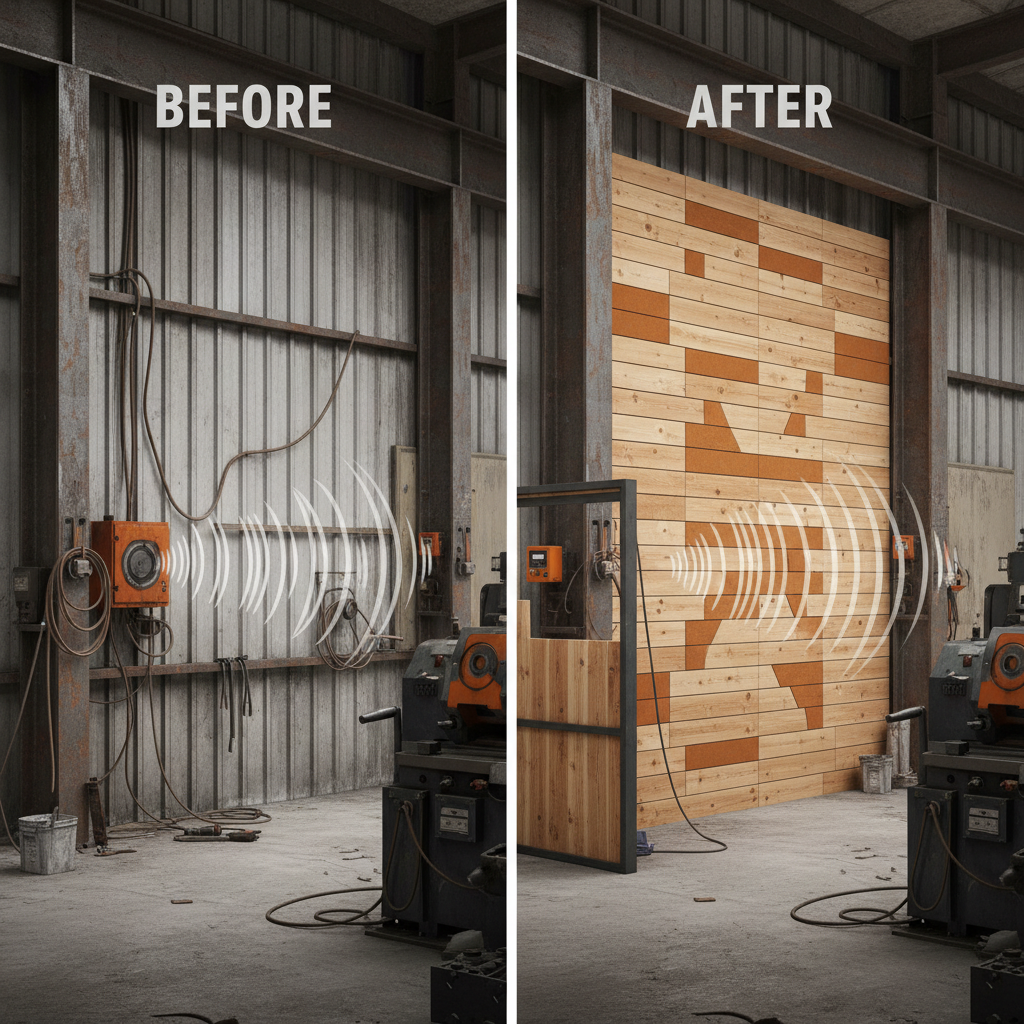
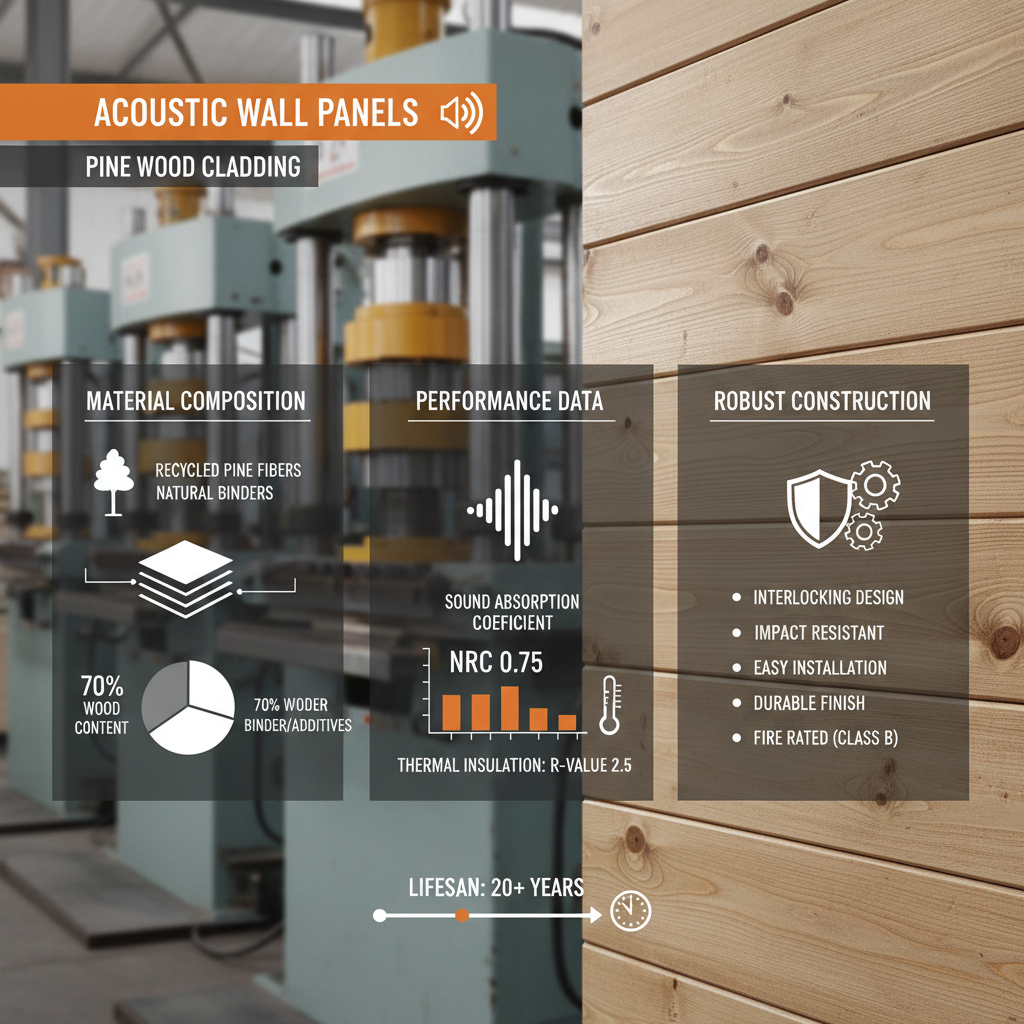
Pine wood cladding offers numerous advantages. Its natural beauty adds warmth and texture to any room, creating a welcoming atmosphere. It's also a relatively lightweight material, making installation easier and reducing structural load. Furthermore, pine is an excellent insulator, helping to improve energy efficiency and lower heating costs. From a design perspective, pine readily accepts stains and finishes, allowing for customization to match various interior styles. Its affordability, compared to harder woods, makes it an attractive option for budget-conscious projects.
Key Highlights: Natural beauty, lightweight, excellent insulation, customizable finishes, and affordability.
Applications for Pine Wood Wall Cladding
Pine wood cladding is incredibly versatile and suitable for a wide range of applications. It's commonly used in residential interiors to create accent walls, feature panels, or to clad entire rooms, such as bedrooms, living rooms, and cabins. Commercially, it can be found in restaurants, cafes, retail spaces, and offices, adding a touch of rustic charm or modern sophistication. Pine cladding is also ideal for ceilings, providing a warm and inviting look. Its adaptability makes it a perfect choice for both contemporary and traditional design schemes.
Application Areas:
• Accent Walls
• Feature Panels
• Entire Room Cladding
• Ceilings
Pine Wood Cladding: Styles and Profiles
Pine wood cladding is available in a variety of styles and profiles to suit different aesthetic preferences. Common options include tongue and groove, shiplap, board and batten, and square-edge cladding. Tongue and groove provides a seamless, interlocking surface, while shiplap features a distinctive overlapping profile. Board and batten creates a classic, vertical panel look, and square-edge cladding offers a clean, modern appearance. YTAKUPANEL offers a wide selection of these profiles, allowing you to choose the perfect style for your project. The choice of profile impacts both the visual appearance and the installation process.
Installation and Maintenance of Pine Wood Cladding
Installing pine wood cladding is a relatively straightforward process, but proper preparation is key. Ensure the wall surface is clean, dry, and level before beginning. Depending on the profile, cladding can be nailed, screwed, or glued into place. Properly sealing the wood is essential to protect it from moisture and damage. Regular cleaning with a damp cloth and occasional re-sealing will help maintain its appearance and longevity. Avoid harsh chemicals and abrasive cleaners, as these can damage the wood surface.
Sustainability and Sourcing Pine Wood
Pine is a fast-growing tree, making it a relatively sustainable wood source. However, it’s important to choose cladding from suppliers who practice responsible forestry. Look for certifications such as FSC (Forest Stewardship Council) to ensure the wood has been harvested from sustainably managed forests. YTAKUPANEL is committed to sourcing our pine wood from sustainable sources, offering an environmentally conscious choice for your projects.
Conclusion: Enhance Your Space with Pine Wood Cladding
Pine wood cladding provides a beautiful, versatile, and affordable way to transform any space. With a variety of styles and profiles available, you can easily create the look you desire. By choosing sustainably sourced cladding from a reputable supplier like YTAKUPANEL, you can enjoy the benefits of this natural material while minimizing your environmental impact.
Frequently Asked Questions (FAQs)
What is the best finish for pine wood cladding?
The best finish depends on the desired look and the environment. For a natural look, a clear polyurethane or varnish can protect the wood while preserving its color. For a more colored appearance, stains can be applied before sealing. Water-based finishes are generally more environmentally friendly and offer good durability. Oil-based finishes provide a deeper color and richer look, but may require more maintenance. It's crucial to apply several coats for optimal protection against moisture and wear.
How do I clean pine wood cladding?
Regular cleaning involves dusting or vacuuming with a soft brush attachment to remove loose dirt and debris. For more thorough cleaning, use a damp cloth with mild soap and water. Avoid excessive moisture, and always dry the surface immediately. Do not use abrasive cleaners, solvents, or scouring pads, as these can damage the wood finish. Regular cleaning will help maintain the beauty and longevity of your pine wood cladding.
Is pine wood cladding suitable for bathrooms?
While pine wood cladding can be used in bathrooms, it requires careful sealing and maintenance due to the high humidity. Multiple coats of a waterproof sealant are crucial to protect the wood from moisture damage. Proper ventilation is also essential to prevent condensation. Alternatively, consider using modified pine wood, which is treated to resist moisture absorption. However, even with these precautions, pine wood cladding may not be as durable in a bathroom environment as other moisture-resistant materials like tile or vinyl.
-
Ultimate Guide to Durable and Stylish pvc wood effect claddingNewsApr.16,2026
-
Ultimate Guide to Durable and Stylish PVC Wood CladdingNewsApr.09,2026
-
Discover the Beauty and Durability of PVC Wall Panels Wood Effect SolutionsNewsApr.07,2026
-
Enhance Your Space with Durable PVC Wall Panels Wood SolutionsNewsApr.04,2026
-
Explore the Beauty and Benefits of Pine Wood Wall Panelling for Your HomeNewsMar.31,2026
-
Enhance Your Interiors with the Natural Beauty of Pine Wood Wall CladdingNewsMar.28,2026
 Afrikaans
 Albanian
 Amharic
 Arabic
 Armenian
 Azerbaijani
 Basque
 Belarusian
 Bengali
 Bosnian
 Bulgarian
 Catalan
 Cebuano
 Corsican
 Croatian
 Czech
Czech
 Danish
 Dutch
Dutch
 Esperanto
 Estonian
 Finnish
 French
 Frisian
 Galician
 Georgian
 German
 Greek
Greek
 Gujarati
 Haitian Creole
 Hausa
Hausa
 Hawaiian
 Hebrew
 Hindi
Hindi
 Miao
Miao
 Hungarian
 Icelandic
 Igbo
Igbo
 Indonesian
 Irish
Irish
 Italian
 Japanese
 Javanese
 Kannada
 Kazakh
 Khmer
Khmer
 Rwandese
 Korean
 Kurdish
 Kyrgyz
 Lao
Lao
 Latin
Latin
 Latvian
 Lithuanian
 Luxembourgish
 Macedonian
 Malgashi
 Malay
Malay
 Malayalam
 Maltese
 Maori
Maori
 Marathi
 Mongolian
 Myanmar
 Nepali
 Norwegian
 Norwegian
 Occitan
 Pashto
 Persian
 Polish
 Portuguese
 Punjabi
 Romanian
 Russian
 Samoan
 Scottish Gaelic
 Serbian
 Sesotho
 Shona
Shona
 Sindhi
 Sinhala
 Slovak
 Slovenian
 Somali
 Spanish
 Sundanese
 Swahili
 Swedish
 Tagalog
 Tajik
Tajik
 Tamil
Tamil
 Tatar
Tatar
 Telugu
 Thai
Thai
 Turkish
 Turkmen
 Ukrainian
 Urdu
Urdu
 Uighur
 Uzbek
Uzbek
 Vietnamese
 Welsh
Welsh
 Bantu
Bantu
 Yiddish
 Yoruba
 Zulu
Zulu
 English


