Slatted wood acoustic panels are rapidly gaining prominence in modern architectural design and interior spaces. Their appeal extends beyond aesthetics, offering a practical solution to noise control and enhancing acoustic environments. From bustling commercial spaces to serene residential settings, these panels contribute significantly to improved sound quality and overall comfort. Understanding their applications and benefits is crucial for architects, designers, and anyone seeking to create optimized acoustic experiences.
The global demand for effective soundproofing solutions is escalating, driven by factors such as increasing urbanization, open-plan office layouts, and a growing awareness of the impact of noise pollution on health and well-being. Slatted wood acoustic panels represent a sophisticated and environmentally conscious response to these challenges, offering both functional performance and visual appeal. Their increasing adoption reflects a broader trend towards prioritizing acoustic comfort in built environments worldwide.
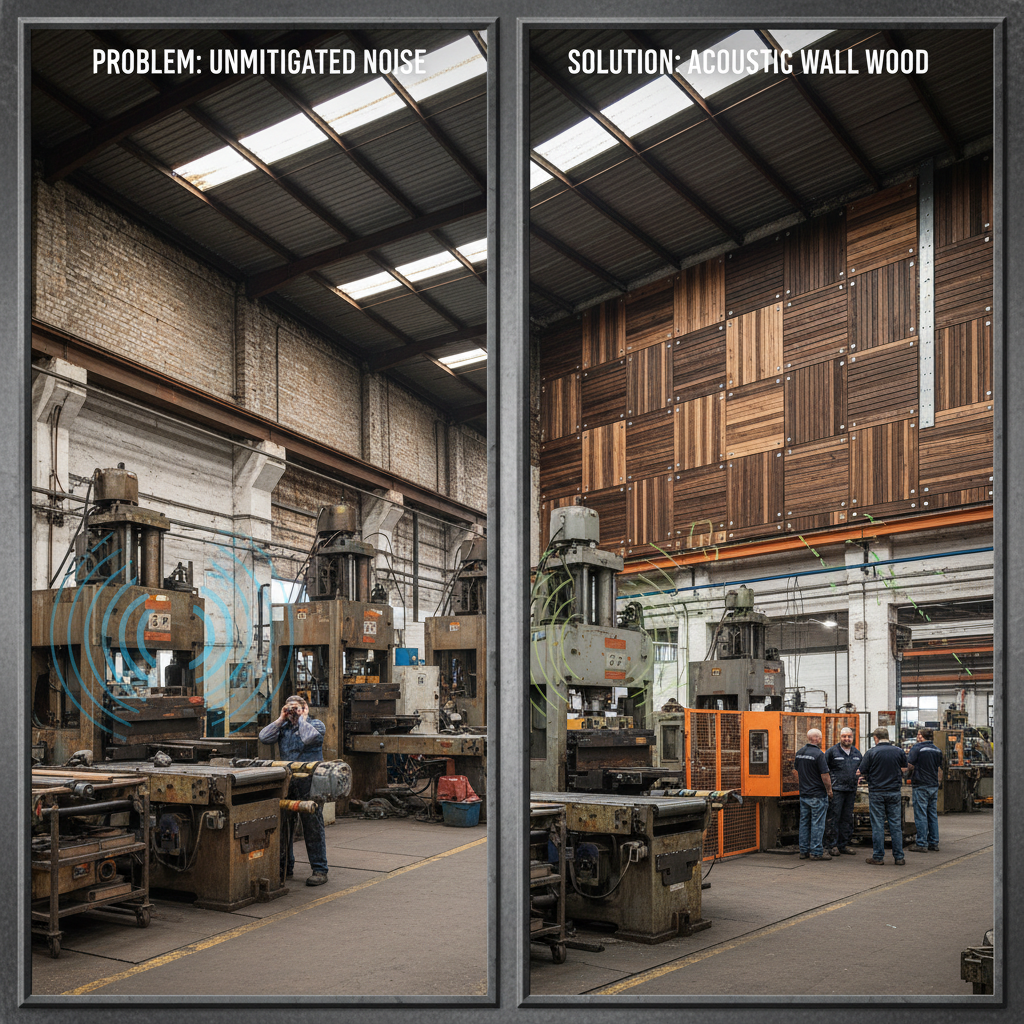
These panels are not merely a cosmetic addition; they’re a carefully engineered system designed to absorb sound waves, reduce reverberation, and create clearer, more focused sonic landscapes. The efficacy and versatility of slatted wood acoustic panels make them a preferred choice across diverse industries, from hospitality and healthcare to education and entertainment.

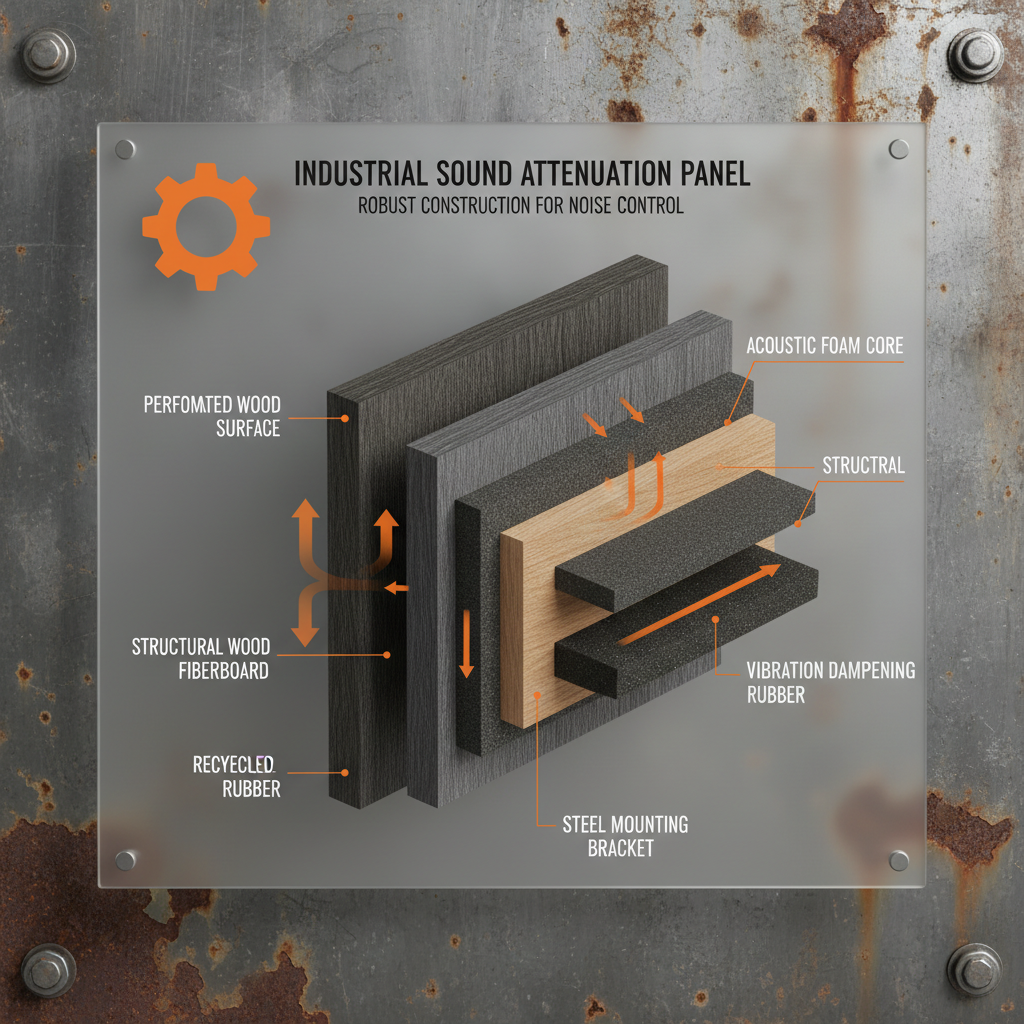
Slatted wood acoustic panels are constructed from carefully spaced wooden slats, backed by sound-absorbing materials like mineral wool or acoustic foam. This design creates an air gap that effectively traps and dissipates sound energy, reducing echo and reverberation. The materials used, often sustainable wood sources, contribute to environmentally friendly building practices.
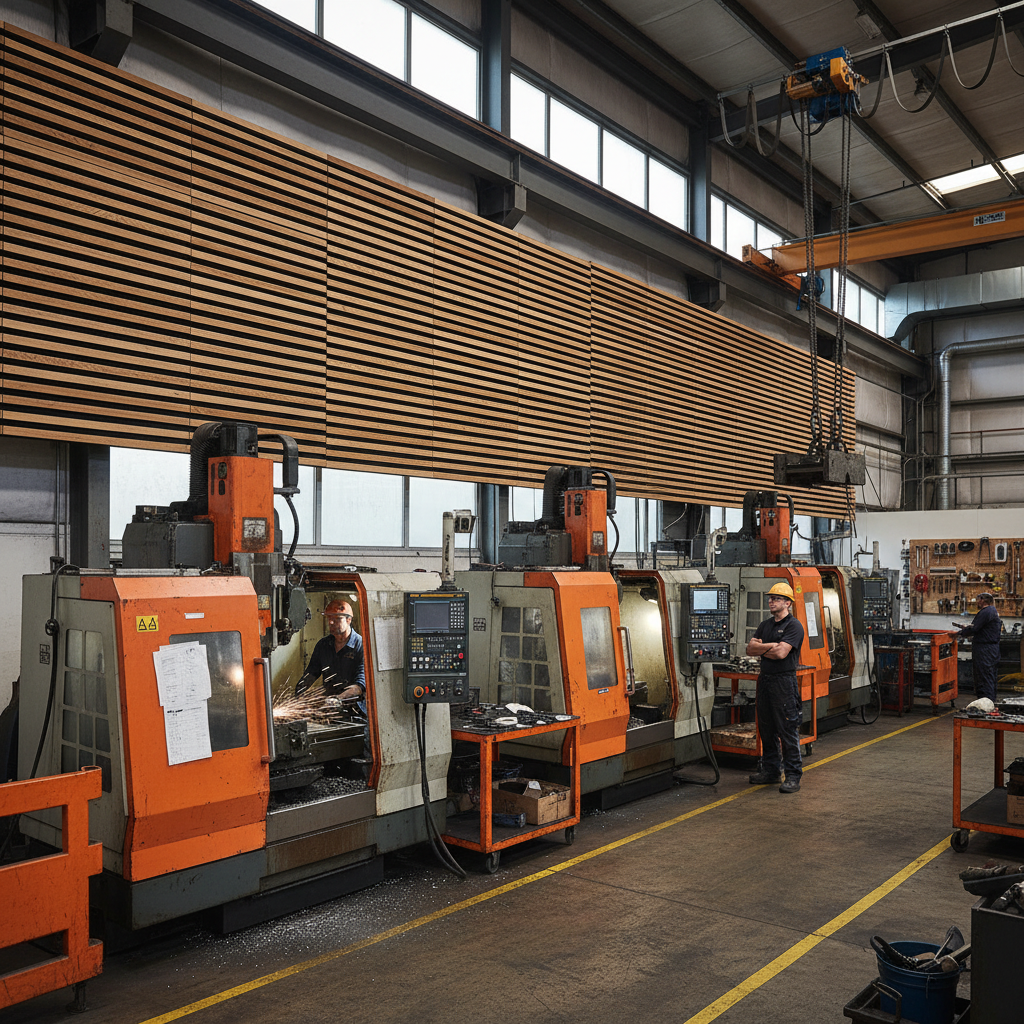
The aesthetic versatility of these panels is a significant advantage. Available in a wide range of wood species, finishes, and slat widths, they can be customized to complement virtually any interior design scheme. This combination of acoustic performance and aesthetic appeal makes slatted wood acoustic panels a popular choice for both functional and visually striking spaces.
With proper installation and maintenance, slatted wood acoustic panels can last for 20-30 years or even longer. The lifespan depends on factors such as the quality of the materials used, the environmental conditions, and the level of wear and tear. Regular cleaning and occasional repairs can help extend their longevity.
Many slatted wood acoustic panels are treated with fire-retardant coatings to improve their fire resistance. The level of fire resistance varies depending on the specific treatment and the materials used. It’s crucial to ensure that the panels meet local building codes and safety regulations. Look for panels with a Class A fire rating for optimal safety.
The cost of slatted wood acoustic panels can vary depending on the wood species, panel thickness, backing material, and installation complexity. Generally, they are mid-range in terms of cost compared to other soundproofing options. While more expensive than some basic foam panels, they often offer a better balance of performance, aesthetics, and durability than many alternatives.
Slatted wood acoustic panels typically require minimal maintenance. Regular dusting with a soft cloth is usually sufficient to keep them clean. Avoid using harsh chemicals or abrasive cleaners, as these can damage the wood finish. Occasional inspection for loose slats or damage is recommended.
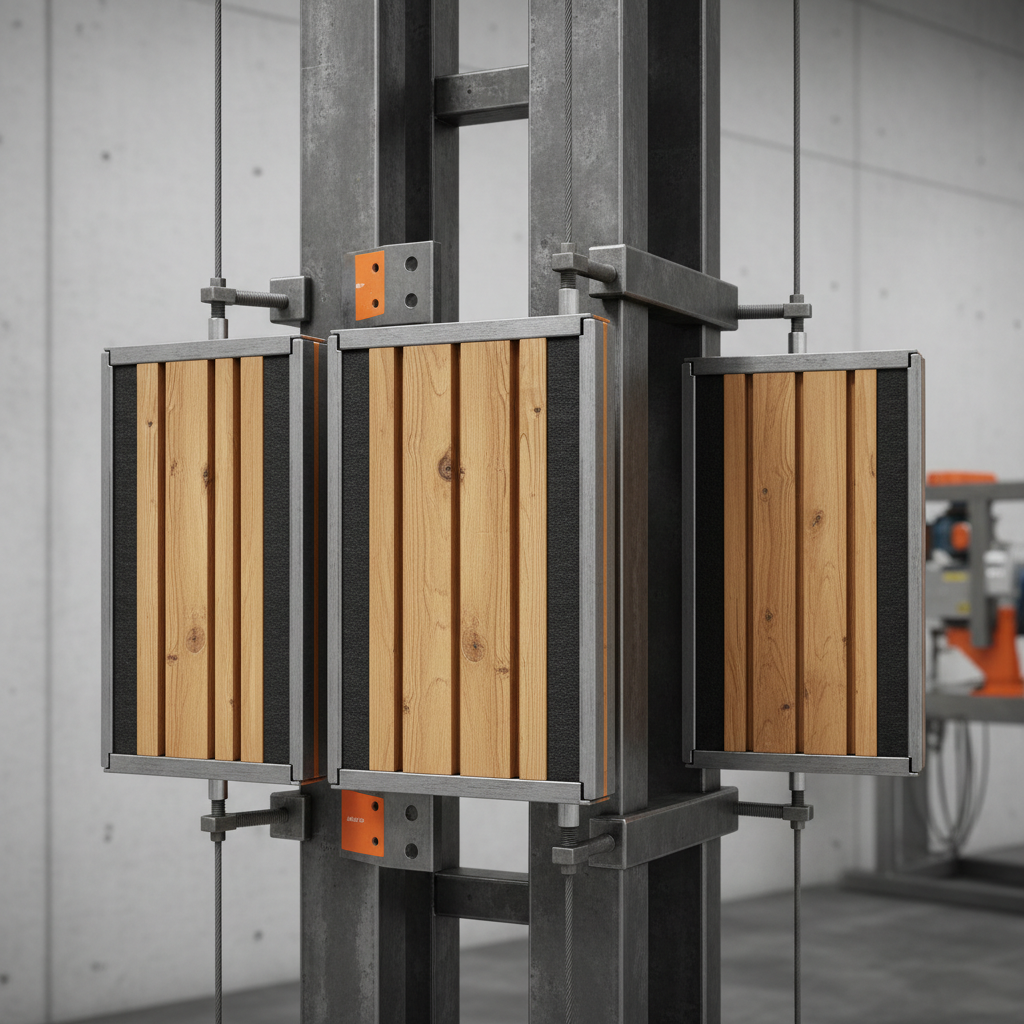
Yes, slatted wood acoustic panels can be installed on existing walls. However, the installation process may be more complex than installing them on new construction. It's important to ensure that the existing wall structure is strong enough to support the weight of the panels. Professional installation is recommended for best results.
Slatted wood acoustic panels can be a sustainable choice, especially when made from responsibly sourced wood and eco-friendly backing materials like mineral wool. Wood is a renewable resource, and many manufacturers prioritize sustainable forestry practices. Choosing panels with low VOC emissions also contributes to a healthier indoor environment.
Slatted wood acoustic panels offer a compelling solution to the growing need for effective noise control and enhanced acoustic environments. Their unique combination of aesthetic appeal, functional performance, and sustainable materials makes them a versatile choice for a wide range of applications, from commercial spaces and educational institutions to healthcare facilities and hospitality venues.
As innovation continues to drive advancements in materials and design, we can expect to see even more sophisticated and sustainable slatted wood acoustic panel solutions emerge. Investing in these panels is not merely about mitigating noise; it’s about creating spaces that promote well-being, productivity, and a higher quality of life. For more information and to explore our range of products, visit our website: www.ytakupanel.com

 Afrikaans
 Albanian
 Amharic
 Arabic
 Armenian
 Azerbaijani
 Basque
 Belarusian
 Bengali
 Bosnian
 Bulgarian
 Catalan
 Cebuano
 Corsican
 Croatian
 Czech
Czech
 Danish
 Dutch
Dutch
 Esperanto
 Estonian
 Finnish
 French
 Frisian
 Galician
 Georgian
 German
 Greek
Greek
 Gujarati
 Haitian Creole
 Hausa
Hausa
 Hawaiian
 Hebrew
 Hindi
Hindi
 Miao
Miao
 Hungarian
 Icelandic
 Igbo
Igbo
 Indonesian
 Irish
Irish
 Italian
 Japanese
 Javanese
 Kannada
 Kazakh
 Khmer
Khmer
 Rwandese
 Korean
 Kurdish
 Kyrgyz
 Lao
Lao
 Latin
Latin
 Latvian
 Lithuanian
 Luxembourgish
 Macedonian
 Malgashi
 Malay
Malay
 Malayalam
 Maltese
 Maori
Maori
 Marathi
 Mongolian
 Myanmar
 Nepali
 Norwegian
 Norwegian
 Occitan
 Pashto
 Persian
 Polish
 Portuguese
 Punjabi
 Romanian
 Russian
 Samoan
 Scottish Gaelic
 Serbian
 Sesotho
 Shona
Shona
 Sindhi
 Sinhala
 Slovak
 Slovenian
 Somali
 Spanish
 Sundanese
 Swahili
 Swedish
 Tagalog
 Tajik
Tajik
 Tamil
Tamil
 Tatar
Tatar
 Telugu
 Thai
Thai
 Turkish
 Turkmen
 Ukrainian
 Urdu
Urdu
 Uighur
 Uzbek
Uzbek
 Vietnamese
 Welsh
Welsh
 Bantu
Bantu
 Yiddish
 Yoruba
 Zulu
Zulu
 English