Sound insulation wood panels are becoming increasingly vital in modern construction and interior design, addressing the growing need for acoustic comfort in diverse environments. Globally, rising noise pollution – from urban traffic to industrial operations – impacts health, productivity, and overall well-being. These panels offer an effective and aesthetically pleasing solution to mitigate these issues, improving quality of life and creating more functional spaces.
The demand for soundproofing solutions is directly linked to rapid urbanization and increased population density, particularly in developing nations. International standards like those set by the ISO (International Organization for Standardization) continually push for higher levels of acoustic performance in buildings. sound insulation wood panels are uniquely positioned to meet these standards, providing a sustainable and versatile alternative to traditional materials.
Furthermore, the versatility of sound insulation wood panels – ranging from wall and ceiling applications to custom designs – broadens their appeal across residential, commercial, and industrial sectors. Understanding the principles behind their effectiveness, the factors influencing their performance, and their long-term benefits is crucial for architects, builders, and individuals seeking peaceful and productive environments.
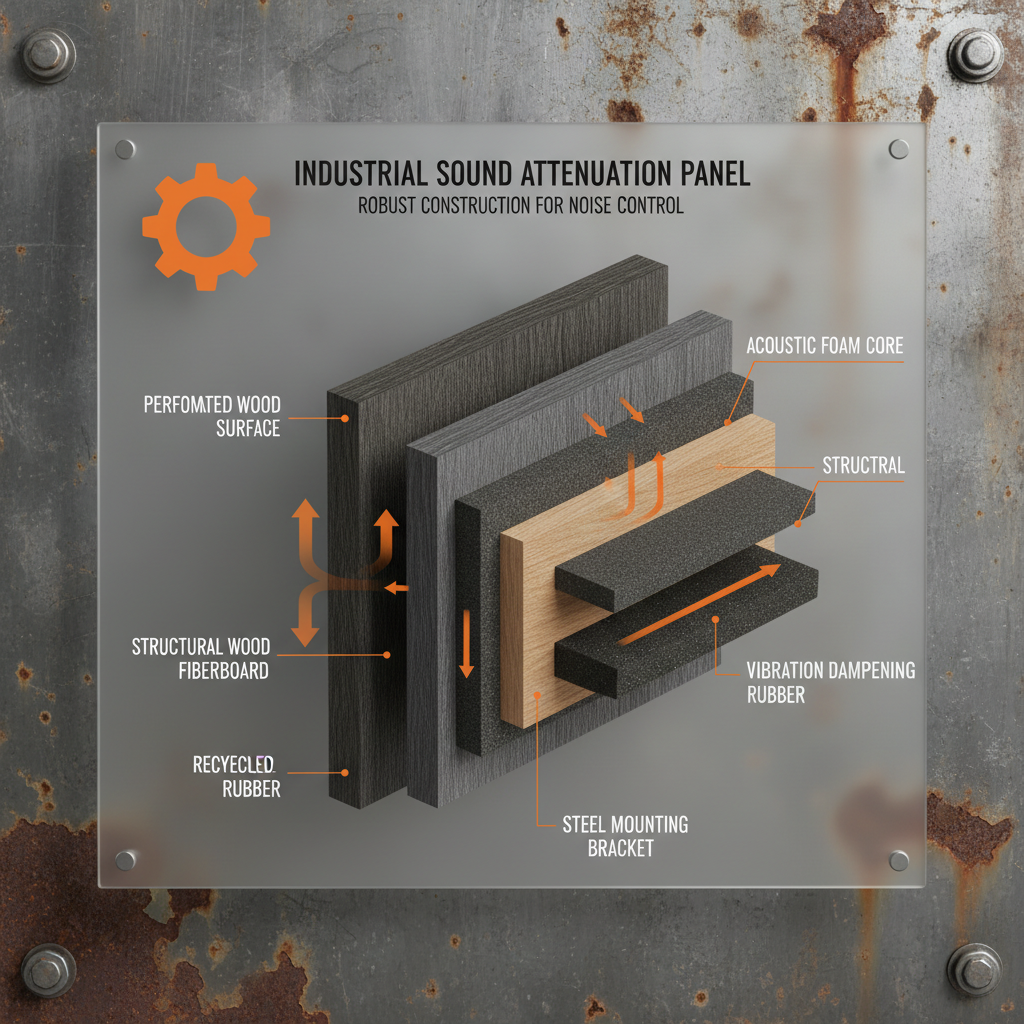

Sound insulation wood panels function by absorbing and dissipating sound energy, reducing its reflection and transmission. This is achieved through a combination of the wood's natural density, the panel’s construction (often incorporating a core material with sound-absorbing properties like mineral wool or acoustic foam), and surface treatments designed to maximize absorption. sound insulation wood panels excel in this area, providing a significant reduction in noise levels.
The effectiveness of these panels is measured by their Sound Absorption Coefficient (SAC) and Sound Transmission Class (STC) ratings. Higher SAC values indicate greater sound absorption, while higher STC values indicate better sound blocking. Choosing panels with appropriate ratings for specific applications—like a recording studio versus a home office—is crucial for optimal acoustic performance.
The lifespan of sound insulation wood panels typically ranges from 25 to 50 years, depending on the quality of materials, installation, and environmental conditions. Proper maintenance, such as periodic cleaning and inspection for damage, can extend their lifespan significantly. High-quality panels from reputable manufacturers like ytakupanel.com are designed for long-term durability.
Many sound insulation wood panels are treated with fire-retardant coatings to enhance their resistance to fire. The level of fire resistance varies depending on the specific panel and treatment. It’s crucial to choose panels that meet the relevant fire safety standards for your location and application. Check the product specifications and certifications to ensure compliance.
While initial costs might be comparable, sound insulation wood panels often offer long-term cost savings due to their ease of installation, reduced weight (leading to lower structural support costs), and lower maintenance requirements. Additionally, the aesthetic appeal of wood panels can eliminate the need for additional finishing materials. sound insulation wood panels offer a competitive life-cycle cost.
Certain types of sound insulation wood panels are specifically designed for use in humid environments. These panels typically feature moisture-resistant coatings and core materials. It's essential to choose panels that are appropriate for the specific humidity levels in your application and to ensure proper ventilation to prevent moisture buildup.
Regular cleaning with a soft, damp cloth is generally sufficient. Avoid using abrasive cleaners or harsh chemicals, as these can damage the surface. For more stubborn stains, consult the manufacturer's instructions. Periodic inspection for damage or wear is also recommended.
Generally, a thicker panel will provide greater soundproofing capabilities. This is because a thicker material has more mass to resist sound transmission and a larger air gap within the panel's structure to absorb sound energy. The optimal thickness depends on the specific noise frequencies you need to block and the overall acoustic goals for the space.
Sound insulation wood panels represent a significant advancement in acoustic comfort and sustainable building practices. Their ability to effectively reduce noise transmission, coupled with their aesthetic versatility and environmental benefits, makes them an ideal solution for a wide range of applications. From creating tranquil residential spaces to enhancing productivity in commercial environments, these panels improve quality of life and support overall well-being.
Looking ahead, continued innovation in materials, manufacturing techniques, and smart technologies will further enhance the performance and functionality of sound insulation wood panels. Embracing these advancements and integrating these panels into building designs will be crucial for creating healthier, more productive, and more sustainable environments for generations to come. For superior sound insulation solutions, visit our website: www.ytakupanel.com

 Afrikaans
 Albanian
 Amharic
 Arabic
 Armenian
 Azerbaijani
 Basque
 Belarusian
 Bengali
 Bosnian
 Bulgarian
 Catalan
 Cebuano
 Corsican
 Croatian
 Czech
Czech
 Danish
 Dutch
Dutch
 Esperanto
 Estonian
 Finnish
 French
 Frisian
 Galician
 Georgian
 German
 Greek
Greek
 Gujarati
 Haitian Creole
 Hausa
Hausa
 Hawaiian
 Hebrew
 Hindi
Hindi
 Miao
Miao
 Hungarian
 Icelandic
 Igbo
Igbo
 Indonesian
 Irish
Irish
 Italian
 Japanese
 Javanese
 Kannada
 Kazakh
 Khmer
Khmer
 Rwandese
 Korean
 Kurdish
 Kyrgyz
 Lao
Lao
 Latin
Latin
 Latvian
 Lithuanian
 Luxembourgish
 Macedonian
 Malgashi
 Malay
Malay
 Malayalam
 Maltese
 Maori
Maori
 Marathi
 Mongolian
 Myanmar
 Nepali
 Norwegian
 Norwegian
 Occitan
 Pashto
 Persian
 Polish
 Portuguese
 Punjabi
 Romanian
 Russian
 Samoan
 Scottish Gaelic
 Serbian
 Sesotho
 Shona
Shona
 Sindhi
 Sinhala
 Slovak
 Slovenian
 Somali
 Spanish
 Sundanese
 Swahili
 Swedish
 Tagalog
 Tajik
Tajik
 Tamil
Tamil
 Tatar
Tatar
 Telugu
 Thai
Thai
 Turkish
 Turkmen
 Ukrainian
 Urdu
Urdu
 Uighur
 Uzbek
Uzbek
 Vietnamese
 Welsh
Welsh
 Bantu
Bantu
 Yiddish
 Yoruba
 Zulu
Zulu
 English