
Laminate Wood Cladding: A Comprehensive Guide
When considering modern architectural finishes, laminate wood cladding offers a compelling blend of aesthetics, durability, and cost-effectiveness. It’s a versatile solution for both interior and exterior applications, transforming spaces with the warmth and texture of wood without the associated maintenance demands. This article provides a thorough overview of laminate wood cladding, exploring its benefits, applications, installation, and comparison to other cladding materials. Understanding these aspects is crucial for making informed decisions about your building project.
What is Laminate Wood Cladding?
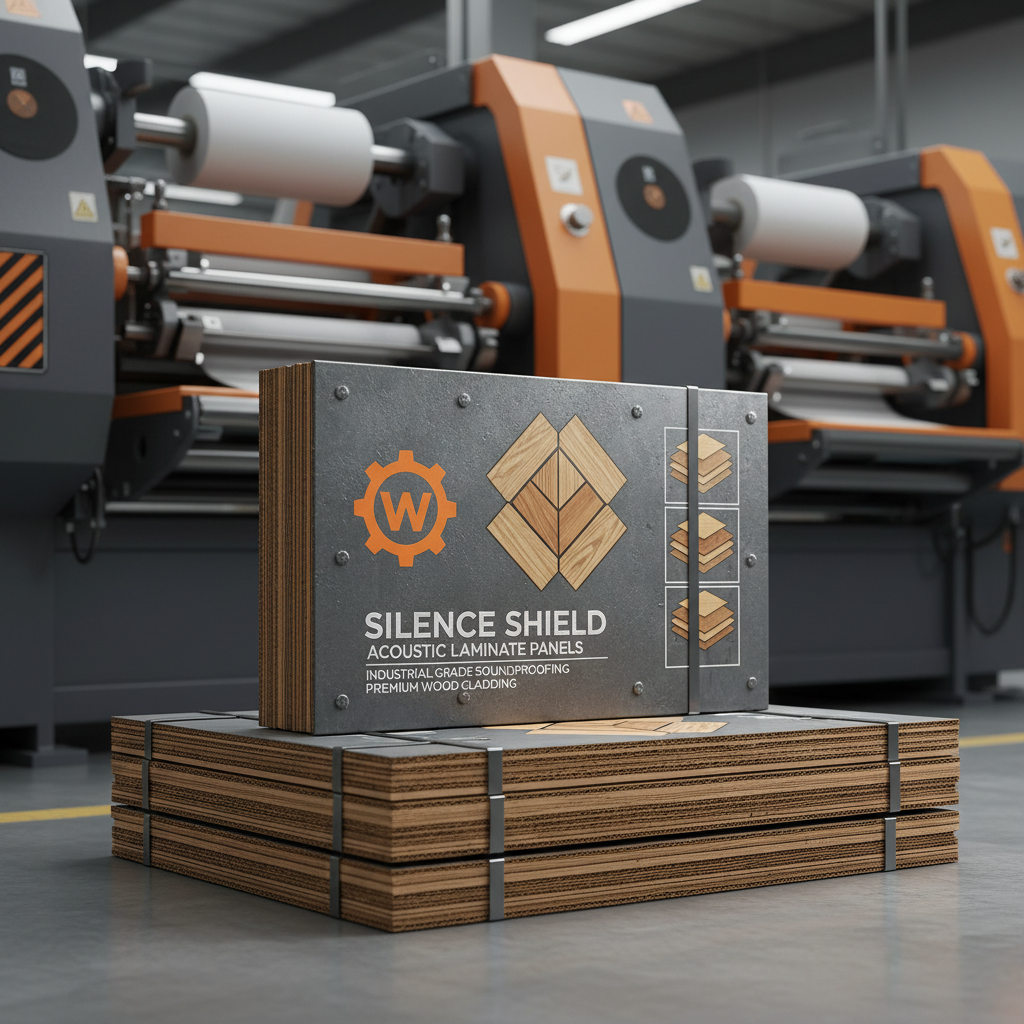
Laminate wood cladding is an engineered product composed of a core material – typically plywood or OSB – overlaid with a decorative laminate layer that replicates the appearance of natural wood. This laminate layer is created using a high-pressure process, fusing the decorative paper with a protective resin overlay. The result is a cladding panel that offers the visual appeal of wood with enhanced resistance to moisture, fading, and scratching. YTAKUPANEL specializes in producing high-quality laminate wood cladding solutions to meet diverse project requirements.
Key Highlights: Engineered for durability, resistance to moisture, and a wide range of aesthetic options mimicking natural wood.
Benefits of Choosing Laminate Wood Cladding
Opting for laminate wood cladding offers several significant advantages. Firstly, it's considerably more cost-effective than using solid wood, making it accessible for a broader range of projects. Secondly, it requires minimal maintenance – no staining, sealing, or painting is needed. It’s also highly durable and resistant to weathering, insects, and rot, ensuring a long-lasting finish. Finally, laminate wood cladding offers design flexibility, with a vast array of wood grain patterns, colors, and textures available. This allows architects and designers to achieve their desired aesthetic without compromising on performance.
Key Benefits:
• Cost-effective alternative to solid wood
• Low maintenance – no staining or sealing needed
• Durable and weather-resistant
• Design flexibility with various finishes
Laminate Wood Cladding vs. Other Cladding Materials
When evaluating cladding options, it’s important to compare laminate wood cladding with alternatives like vinyl, fiber cement, and traditional wood. Vinyl is generally the most affordable but lacks the natural aesthetic and durability of laminate wood. Fiber cement is durable but can be more challenging to install and often requires painting. Solid wood offers the most authentic look, but it’s the most expensive and demands regular maintenance. Laminate wood cladding strikes an excellent balance between cost, aesthetics, and longevity.
Applications of Laminate Wood Cladding
The versatility of laminate wood cladding makes it suitable for a wide range of applications. It’s commonly used for exterior facades, creating a visually appealing and weather-resistant finish. Interior applications include feature walls, ceilings, and accent panels, adding warmth and character to spaces. It’s also ideal for retail spaces, offices, and residential buildings seeking a modern, wood-look aesthetic. YTAKUPANEL’s cladding solutions are designed for easy installation and long-term performance.
Installation Considerations for Laminate Wood Cladding
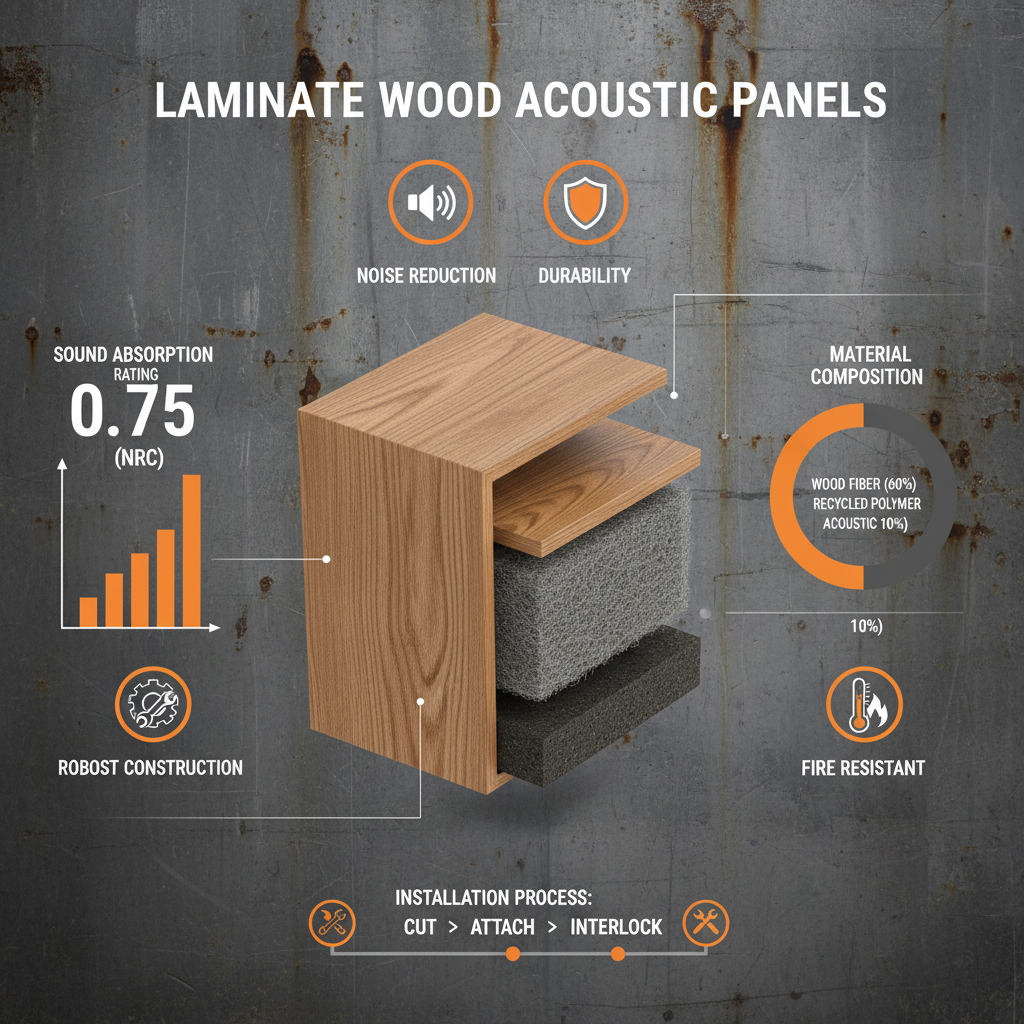
Proper installation is crucial for maximizing the performance and longevity of laminate wood cladding. While DIY installation is possible, professional installation is recommended to ensure a seamless and weather-tight finish. Typically, cladding panels are installed using a mechanical fixing system, involving screws or nails. Proper substrate preparation is essential – the surface must be clean, dry, and structurally sound. Expansion gaps should be incorporated to accommodate temperature fluctuations.
Conclusion: Enhancing Aesthetics and Durability with Laminate Wood Cladding
Laminate wood cladding offers a compelling solution for architects, builders, and homeowners seeking a beautiful, durable, and cost-effective cladding option. Its versatility, low maintenance requirements, and wide range of design possibilities make it an ideal choice for a variety of applications. By choosing high-quality laminate wood cladding, you can enhance the aesthetic appeal of your project while ensuring long-lasting performance.
Frequently Asked Questions (FAQs)
What are the fire-resistance properties of laminate wood cladding?
The fire resistance of laminate wood cladding depends on the specific composition and treatment of the material. Generally, laminate wood cladding is treated with fire retardants to improve its performance in fire situations. It's crucial to check the product specifications and certifications to ensure it meets the required fire safety standards for your project. YTAKUPANEL offers cladding solutions with various fire-resistance ratings, catering to different building codes and safety requirements. Always consult with a fire safety professional to determine the appropriate cladding material for your specific application.
Is laminate wood cladding suitable for high-humidity environments?
Yes, laminate wood cladding is generally well-suited for high-humidity environments due to its resistance to moisture absorption. The laminate layer provides a protective barrier that prevents water from penetrating the core material. However, it’s important to choose a cladding product specifically designed for exterior use and to ensure proper installation with appropriate sealing and ventilation. YTAKUPANEL’s cladding solutions are engineered to withstand harsh weather conditions, including high humidity and rainfall.
What is the typical lifespan of laminate wood cladding?
With proper installation and maintenance, laminate wood cladding can have a lifespan of 20-30 years or even longer. The durability of the material and its resistance to weathering, insects, and rot contribute to its long-term performance. Regular cleaning and inspection can help identify and address any potential issues early on, extending the lifespan of the cladding.
Does laminate wood cladding require any special cleaning products?
Laminate wood cladding is relatively easy to clean and typically requires only mild soap and water. Avoid using abrasive cleaners or solvents, as these can damage the laminate surface. Regular cleaning with a soft cloth or brush will help maintain its appearance and prevent the buildup of dirt and grime.
-
Ultimate Guide to Durable and Stylish pvc wood effect claddingNewsApr.16,2026
-
Ultimate Guide to Durable and Stylish PVC Wood CladdingNewsApr.09,2026
-
Discover the Beauty and Durability of PVC Wall Panels Wood Effect SolutionsNewsApr.07,2026
-
Enhance Your Space with Durable PVC Wall Panels Wood SolutionsNewsApr.04,2026
-
Explore the Beauty and Benefits of Pine Wood Wall Panelling for Your HomeNewsMar.31,2026
-
Enhance Your Interiors with the Natural Beauty of Pine Wood Wall CladdingNewsMar.28,2026
 Afrikaans
 Albanian
 Amharic
 Arabic
 Armenian
 Azerbaijani
 Basque
 Belarusian
 Bengali
 Bosnian
 Bulgarian
 Catalan
 Cebuano
 Corsican
 Croatian
 Czech
Czech
 Danish
 Dutch
Dutch
 Esperanto
 Estonian
 Finnish
 French
 Frisian
 Galician
 Georgian
 German
 Greek
Greek
 Gujarati
 Haitian Creole
 Hausa
Hausa
 Hawaiian
 Hebrew
 Hindi
Hindi
 Miao
Miao
 Hungarian
 Icelandic
 Igbo
Igbo
 Indonesian
 Irish
Irish
 Italian
 Japanese
 Javanese
 Kannada
 Kazakh
 Khmer
Khmer
 Rwandese
 Korean
 Kurdish
 Kyrgyz
 Lao
Lao
 Latin
Latin
 Latvian
 Lithuanian
 Luxembourgish
 Macedonian
 Malgashi
 Malay
Malay
 Malayalam
 Maltese
 Maori
Maori
 Marathi
 Mongolian
 Myanmar
 Nepali
 Norwegian
 Norwegian
 Occitan
 Pashto
 Persian
 Polish
 Portuguese
 Punjabi
 Romanian
 Russian
 Samoan
 Scottish Gaelic
 Serbian
 Sesotho
 Shona
Shona
 Sindhi
 Sinhala
 Slovak
 Slovenian
 Somali
 Spanish
 Sundanese
 Swahili
 Swedish
 Tagalog
 Tajik
Tajik
 Tamil
Tamil
 Tatar
Tatar
 Telugu
 Thai
Thai
 Turkish
 Turkmen
 Ukrainian
 Urdu
Urdu
 Uighur
 Uzbek
Uzbek
 Vietnamese
 Welsh
Welsh
 Bantu
Bantu
 Yiddish
 Yoruba
 Zulu
Zulu
 English


