Designing a space that balances high-fidelity sound control with visual elegance often presents a conflict between utility and aesthetics. For too long, soundproofing meant choosing between industrial-looking foam or bland fabric wraps that diminished the architectural character of a room.
The shift toward integrating sonic functionality into interior design has given rise to a new standard of wall treatments. Modern interior architecture now demands solutions that treat sound absorption not as a hidden necessity, but as a visible design element.
By exploring the technical intersection of materials and art, professionals are now utilizing custom art acoustic panels to transform reverberant halls and home studios into curated environments that perform as well as they look.


Historically, acoustic treatment was a purely utilitarian endeavor. In recording studios or theaters, the priority was the elimination of standing waves and flutter echoes, often resulting in the installation of heavy, monolithic panels that ignored the room's visual flow.
The modern approach treats the wall as a canvas. The integration of art into acoustic panels allows for the concealment of high-performance cores—such as recycled polyester fibers—behind visually stunning finishes. This evolution means a panel can now function as a piece of gallery art while simultaneously reducing the RT60 (reverberation time) of a room.
The efficacy of an acoustic panel relies on its ability to convert sound energy into a small amount of heat through friction. When sound waves hit a porous material, they penetrate the surface and are trapped within a labyrinth of fibers. This process is critical for reducing the "boomy" quality of large rooms and improving speech intelligibility.
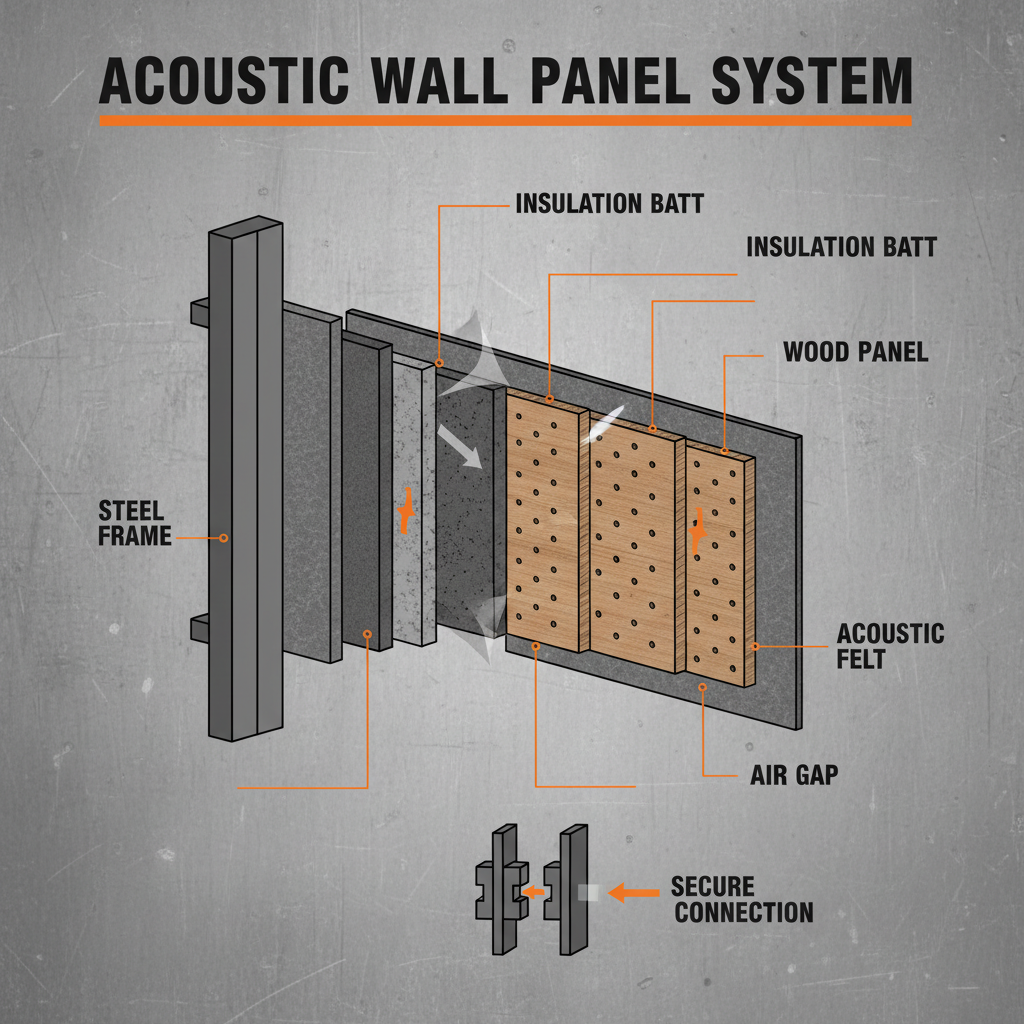
Custom art panels add a layer of complexity to this mechanic. The outer artistic layer must be acoustically transparent—meaning it allows sound to pass through rather than reflecting it back into the room. This is achieved through specific fabric weaves or precision-slotted wood veneers that maintain a specific air-gap ratio.
By combining a dense absorbent core with a customized face, these panels can be tuned to target specific frequency ranges. Low-frequency bass traps require thicker cores, while mid-to-high frequency absorption can be handled by slimmer, more decorative installations.
The choice of core material defines the panel's longevity and performance. While traditional foam was common, the industry has moved toward sustainable polyester fiber and high-density MDF for structural support.
The synergy between a recycled polyester fiber core and a fire-rated B1 grade finish ensures that high-performance sound absorption does not come at the cost of safety or environmental responsibility.
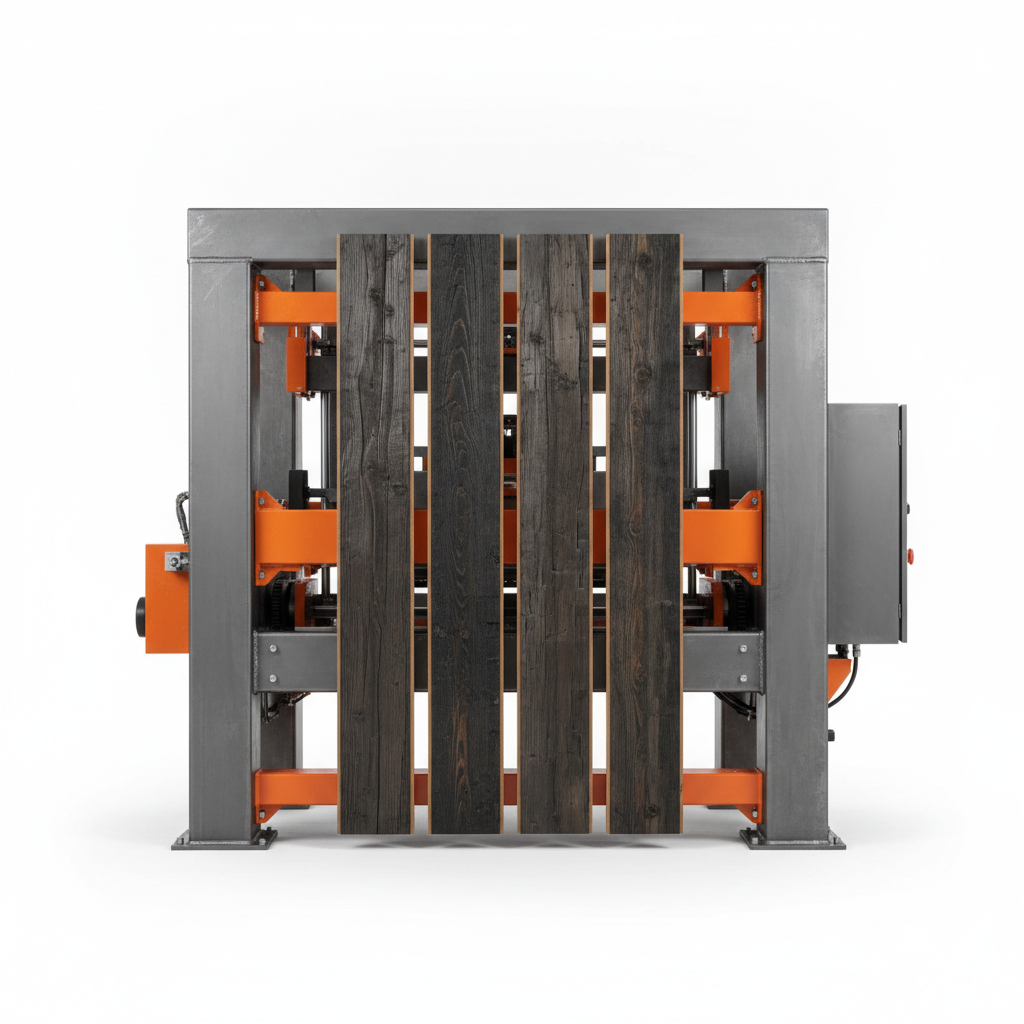
For those seeking a more structured look, wooden slated designs have become a primary choice. These panels use a combination of polyester backing for absorption and wood slats for diffusion, preventing the room from feeling "dead" or overly muted while still controlling echoes.
Different environments require different levels of acoustic intervention. A home theater needs significant low-end absorption to prevent bass buildup, whereas a corporate boardroom requires high-frequency control to ensure clarity during video conferences.
The following index illustrates the relative importance of different acoustic factors across typical installation scenarios, helping designers determine where to prioritize custom art installations.
In residential settings, the trend is shifting toward "invisible" acoustics. Homeowners are integrating panels into ceilings or utilizing them as focal-point art pieces in living rooms to minimize noise leakage between floors. The use of custom sizes (such as 2400x600mm) allows these panels to fit seamlessly into standard wall dimensions.
Professional spaces, such as open-plan offices, utilize these systems to combat the "cocktail party effect," where background noise forces speakers to raise their voices, creating a feedback loop of noise. By strategically placing slatted wood panels with recycled felt backing, firms can create acoustic "zones" without building physical walls.
The next frontier for acoustic panels lies in parametric design. Using computational algorithms, manufacturers can now create panel surfaces that vary in depth and porosity across a single installation, allowing for precise control over sound diffusion patterns.
Sustainability is also driving innovation. The transition to 100% polyester fiber produced from recycled materials is no longer an option but a requirement for LEED and WELL building certifications. This ensures that the internal acoustic engine of the panel is as green as its external aesthetic.
Furthermore, the integration of smart materials—such as adaptive surfaces that can change their absorption characteristics based on the sound frequency in the room—is moving from theoretical research into early-stage prototype development.
Choosing the right acoustic system requires a balance of NRC (Noise Reduction Coefficient), fire safety ratings, and installation complexity. A panel that offers great absorption but is difficult to mount often leads to poor execution in the field.
When evaluating options, specifiers should look for systems that offer OEM/ODM flexibility. The ability to customize wood veneers—ranging from Oak and Walnut to Matte Black—ensures the product integrates with the overall interior palette without sacrificing technical performance.
The following table provides a comparison framework for selecting between different styles of custom art acoustic panels based on the primary room objective.
| Room Goal | Recommended Style | Primary Material | Suitability Index |
|---|---|---|---|
| Speech Clarity | Felt Wall Panel | Polyester Fiber | High |
| Bass Control | Thick Core Art Panel | High-Density Fiber | Critical |
| Balanced Diffusion | Wooden Slated Panel | MDF + Polyester | Optimal |
| Rapid Installation | Modular Slats | Recycled Felt | Very High |
| Modernist Aesthetic | Custom Veneer Panels | Walnut/Ash Wood | High |
| Budget Compliance | Standardized Slat Panels | Melamine/HPL | Moderate |
Standard panels are typically monochromatic and purely functional, often appearing as fabric-wrapped blocks. Custom art panels integrate high-performance absorption cores with architectural finishes, such as wood slats, custom veneers, or printed graphics. This allows them to serve as both a sound-management tool and a primary interior design element, blending into the room's aesthetic while maintaining technical NRC ratings.
Yes, most professional systems are designed for versatile mounting. Because they utilize lightweight recycled polyester fibers and secure backing, they can be affixed to ceilings to reduce vertical reverberation. This is particularly effective in rooms with hard flooring, as ceiling panels can intercept sound waves that would otherwise bounce between the floor and a flat ceiling.
Thickness generally correlates with the frequency of sound the panel can absorb. Thinner panels (around 20mm) are excellent for high-frequency echoes and speech clarity. For lower-frequency "muddy" sounds, thicker cores or a combination of slatted panels with an air gap behind them are required. A professional evaluation of the room's dimensions is recommended to balance absorption and diffusion.
In many cases, they are superior. Recycled polyester fiber offers better durability, is less prone to degradation over time than open-cell foam, and typically carries better fire-resistance ratings (such as Grade B1). Additionally, polyester fibers provide a more consistent density, which results in more predictable sound absorption across a wider range of frequencies.
Maintenance is minimal. For wood veneers or melamine finishes, regular dusting with a soft, dry cloth is sufficient. Because the absorbent felt is recessed behind the slats, it is protected from direct contact. For deep cleaning, a vacuum with a brush attachment can be used on the felt backing to remove dust particles without damaging the fibers.
While professional installation ensures the best alignment and acoustic placement, many modern panels are designed for "easy install" with provided accessories. Using adhesive systems or mechanical clips, a skilled contractor or an experienced DIYer can install them. The key is ensuring the panels are mounted flush to the surface to avoid unwanted air gaps unless specifically designed for bass trapping.
The intersection of acoustic science and interior art has fundamentally changed how we approach noise control. No longer forced to choose between a silent room and a beautiful one, designers can now utilize advanced materials—from recycled polyester to sustainable wood slats—to create spaces that are sonically optimized and visually compelling.
As urban environments become denser and the demand for high-quality home-office and entertainment spaces grows, the adoption of specialized acoustic treatments will only increase. Investing in the right combination of materials and custom design ensures a space that supports both productivity and wellbeing.

 Afrikaans
 Albanian
 Amharic
 Arabic
 Armenian
 Azerbaijani
 Basque
 Belarusian
 Bengali
 Bosnian
 Bulgarian
 Catalan
 Cebuano
 Corsican
 Croatian
 Czech
 Danish
 Dutch
 Esperanto
 Estonian
 Finnish
 French
 Frisian
 Galician
 Georgian
 German
 Greek
 Gujarati
 Haitian Creole
 Hausa
 Hawaiian
 Hebrew
 Hindi
 Miao
 Hungarian
 Icelandic
 Igbo
 Indonesian
 Irish
 Italian
 Japanese
 Javanese
 Kannada
 Kazakh
 Khmer
 Rwandese
 Korean
 Kurdish
 Kyrgyz
 Lao
 Latin
 Latvian
 Lithuanian
 Luxembourgish
 Macedonian
 Malgashi
 Malay
 Malayalam
 Maltese
 Maori
 Marathi
 Mongolian
 Myanmar
 Nepali
 Norwegian
 Norwegian
 Occitan
 Pashto
 Persian
 Polish
 Portuguese
 Punjabi
 Romanian
 Russian
 Samoan
 Scottish Gaelic
 Serbian
 Sesotho
 Shona
 Sindhi
 Sinhala
 Slovak
 Slovenian
 Somali
 Spanish
 Sundanese
 Swahili
 Swedish
 Tagalog
 Tajik
 Tamil
 Tatar
 Telugu
 Thai
 Turkish
 Turkmen
 Ukrainian
 Urdu
 Uighur
 Uzbek
 Vietnamese
 Welsh
 Bantu
 Yiddish
 Yoruba
 Zulu
 English