
Choosing the Right Pine Wood Cladding for Your Project
Pine wood cladding is a popular choice for both interior and exterior projects, offering a warm, natural aesthetic and a cost-effective alternative to more expensive hardwoods. This article will guide you through the benefits, types, installation, and maintenance of pine wood cladding, helping you make informed decisions for your next building project. Whether you’re looking to add character to a home, create a rustic cabin feel, or enhance a commercial space, understanding pine cladding is key to a successful outcome.
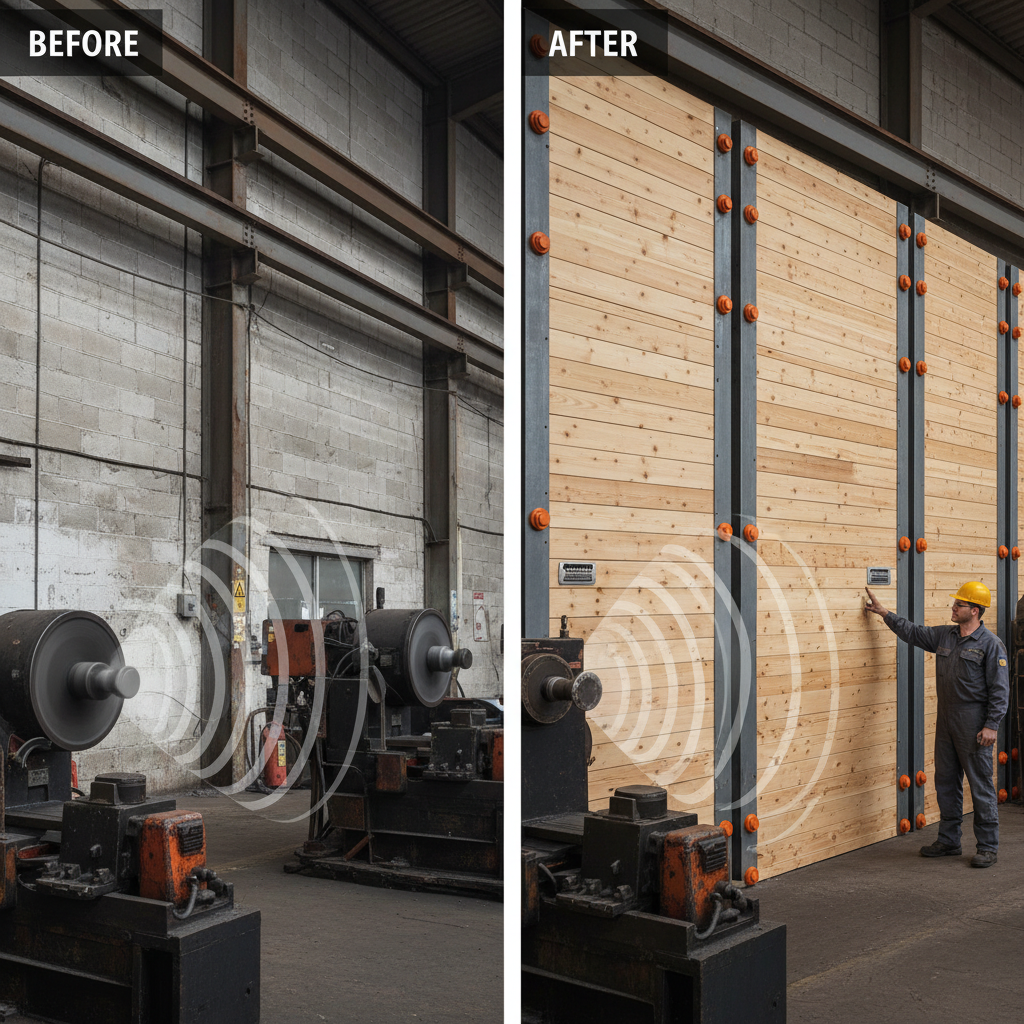
The Benefits of Pine Wood Cladding
Pine wood cladding offers numerous advantages. It's a sustainable material, particularly when sourced from responsibly managed forests. Its relatively low cost makes it an accessible option for a wide range of budgets. Pine is also easy to work with, allowing for versatile design possibilities. The natural grain of the wood adds warmth and texture, enhancing the aesthetic appeal of any space. Furthermore, pine can be treated to improve its durability and resistance to insects and moisture. Ytakupanel offers a diverse range of pine cladding options to suit various tastes and requirements.
Key Highlights: Sustainable, cost-effective, easy to work with, aesthetically pleasing, and can be treated for enhanced durability.
Types of Pine Wood Cladding
Several types of pine wood cladding are available, each with unique characteristics. Tongue and groove pine cladding provides a seamless, interlocking finish, ideal for walls and ceilings. Shiplap pine cladding features a distinctive overlapping profile, creating a traditional look. Pine board and batten cladding uses vertical boards with horizontal battens, offering a rustic and textured appearance. The choice of cladding type depends on the desired aesthetic and the specific requirements of your project. Understanding these options is crucial for achieving the perfect finish.
Pine Cladding Types:
• Tongue and Groove
• Shiplap
• Board and Batten
• Pine Paneling
Pine Wood Cladding: A Comparison to Other Wood Types
While pine is an excellent choice, it’s helpful to compare it to other common cladding materials. Cedar offers superior natural resistance to decay but comes at a higher price. Hardwoods like oak and maple are incredibly durable but significantly more expensive and harder to work with. Compared to vinyl or composite cladding, pine offers a more natural aesthetic, though it requires more maintenance. Consider your budget, desired lifespan, and aesthetic preferences when making your decision. Ytakupanel provides information and comparisons to help you select the best option for your needs.
Installation and Finishing of Pine Wood Cladding
Proper installation is crucial for the longevity and appearance of your pine cladding. Ensure the wood is acclimatized to the environment before installation. Use appropriate fasteners, such as stainless steel nails or screws, to prevent corrosion. Treat the wood with a preservative to protect against rot and insects, and then apply a finish, such as paint, stain, or varnish, to enhance its appearance and provide further protection. Ytakupanel offers detailed installation guides and finishing recommendations.

Maintaining Your Pine Wood Cladding
Regular maintenance is key to preserving the beauty and durability of your pine wood cladding. Inspect the cladding annually for signs of damage, such as cracks, splits, or rot. Clean the surface with a mild detergent and water. Reapply a protective finish every few years to maintain its resistance to the elements. Address any repairs promptly to prevent further damage. By following these simple maintenance tips, you can ensure your pine cladding continues to look its best for years to come.
Conclusion: Embrace the Natural Beauty of Pine
Pine wood cladding offers a versatile and attractive solution for a wide range of projects. Its affordability, ease of use, and natural beauty make it a popular choice for homeowners and professionals alike. By understanding the different types, installation methods, and maintenance requirements, you can confidently choose and implement pine wood cladding for a stunning and long-lasting finish.
Frequently Asked Questions (FAQs)
What type of finish is best for pine wood cladding?
The best finish depends on the desired look and level of protection. For exterior cladding, a durable, weather-resistant stain or varnish is recommended. Oil-based finishes penetrate the wood, providing good protection but may require more frequent reapplication. Water-based finishes are easier to apply and clean up but may not offer the same level of protection. Paint provides excellent protection but can obscure the natural grain of the wood. Consider the climate and exposure to the elements when choosing a finish.
Is pine wood cladding suitable for humid climates?
Pine wood cladding can be used in humid climates, but it requires proper treatment and maintenance. Applying a water-resistant preservative and a durable, breathable finish will help protect the wood from moisture damage and decay. Ensure adequate ventilation to prevent moisture buildup behind the cladding. Regularly inspect the cladding for signs of rot or mold and address any issues promptly.
How can I prevent insect damage to my pine cladding?
Treating the pine wood with a borate-based preservative will help prevent insect infestations. Ensure the wood is properly sealed and finished to prevent insects from gaining access. Regularly inspect the cladding for signs of insect activity, such as holes or sawdust. Address any infestations promptly with appropriate insecticidal treatments.
What is the best way to cut pine wood cladding?
Use a sharp saw with fine teeth to minimize splintering. A circular saw or miter saw is recommended for straight cuts. For intricate cuts, a jigsaw can be used. Always wear safety glasses and a dust mask when cutting wood. Sand the edges of the cut pieces to create a smooth finish.
-
Ultimate Guide to Durable and Stylish pvc wood effect claddingNewsApr.16,2026
-
Ultimate Guide to Durable and Stylish PVC Wood CladdingNewsApr.09,2026
-
Discover the Beauty and Durability of PVC Wall Panels Wood Effect SolutionsNewsApr.07,2026
-
Enhance Your Space with Durable PVC Wall Panels Wood SolutionsNewsApr.04,2026
-
Explore the Beauty and Benefits of Pine Wood Wall Panelling for Your HomeNewsMar.31,2026
-
Enhance Your Interiors with the Natural Beauty of Pine Wood Wall CladdingNewsMar.28,2026
 Afrikaans
 Albanian
 Amharic
 Arabic
 Armenian
 Azerbaijani
 Basque
 Belarusian
 Bengali
 Bosnian
 Bulgarian
 Catalan
 Cebuano
 Corsican
 Croatian
 Czech
Czech
 Danish
 Dutch
Dutch
 Esperanto
 Estonian
 Finnish
 French
 Frisian
 Galician
 Georgian
 German
 Greek
Greek
 Gujarati
 Haitian Creole
 Hausa
Hausa
 Hawaiian
 Hebrew
 Hindi
Hindi
 Miao
Miao
 Hungarian
 Icelandic
 Igbo
Igbo
 Indonesian
 Irish
Irish
 Italian
 Japanese
 Javanese
 Kannada
 Kazakh
 Khmer
Khmer
 Rwandese
 Korean
 Kurdish
 Kyrgyz
 Lao
Lao
 Latin
Latin
 Latvian
 Lithuanian
 Luxembourgish
 Macedonian
 Malgashi
 Malay
Malay
 Malayalam
 Maltese
 Maori
Maori
 Marathi
 Mongolian
 Myanmar
 Nepali
 Norwegian
 Norwegian
 Occitan
 Pashto
 Persian
 Polish
 Portuguese
 Punjabi
 Romanian
 Russian
 Samoan
 Scottish Gaelic
 Serbian
 Sesotho
 Shona
Shona
 Sindhi
 Sinhala
 Slovak
 Slovenian
 Somali
 Spanish
 Sundanese
 Swahili
 Swedish
 Tagalog
 Tajik
Tajik
 Tamil
Tamil
 Tatar
Tatar
 Telugu
 Thai
Thai
 Turkish
 Turkmen
 Ukrainian
 Urdu
Urdu
 Uighur
 Uzbek
Uzbek
 Vietnamese
 Welsh
Welsh
 Bantu
Bantu
 Yiddish
 Yoruba
 Zulu
Zulu
 English


