
Elevate Your Interior: A Guide to Oak Wood Wall Panels
Looking to transform your living or workspace? Oak wood wall panels offer a timeless aesthetic, bringing warmth, texture, and sophistication to any interior design. This article explores the benefits of oak wall panels, different types available, installation considerations, and how to choose the perfect panels for your project. Discover how to create a stunning focal point and enhance the overall ambiance of your space with the natural beauty of oak.
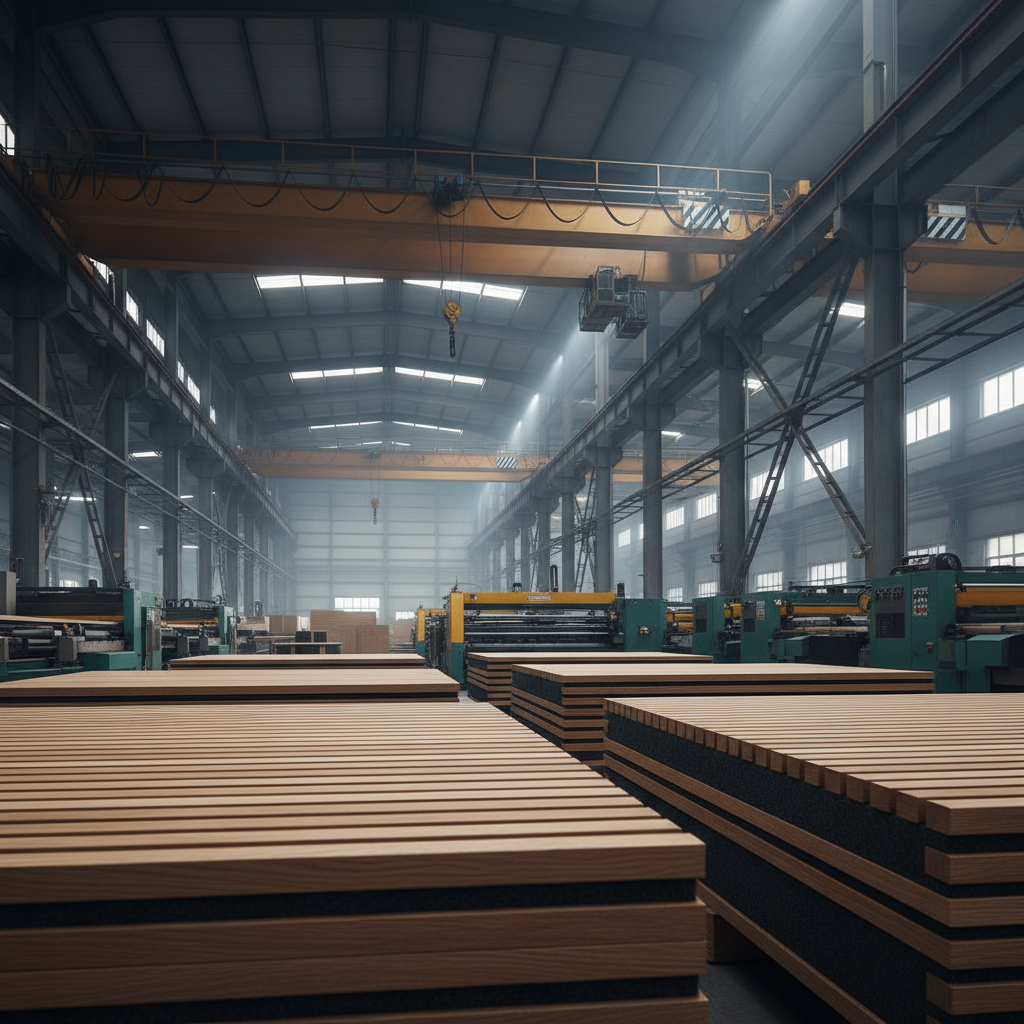
Why Choose Oak Wood Wall Panels?
Oak wood has long been prized for its durability, beauty, and versatility. When used as wall panels, oak offers a unique blend of aesthetic appeal and practical benefits. Its natural grain patterns add visual interest, and the wood's warm tones create a welcoming atmosphere. Oak is also a strong and stable wood, making it a long-lasting investment. Furthermore, oak is relatively easy to work with, allowing for a variety of design options. From rustic to modern, oak wood wall panels can complement any interior style.
Key Benefits: Durability, aesthetic appeal, versatility, warmth, natural beauty, and long-lasting investment.
Types of Oak Wood Wall Panels
Several types of oak wood panels are available, each with its unique characteristics. These include solid oak panels, engineered oak panels, and oak veneer panels. Solid oak panels offer the most natural look and feel, but they are also the most expensive. Engineered oak panels consist of a layer of real oak wood bonded to a plywood or MDF core, providing a more affordable and stable option. Oak veneer panels feature a thin layer of oak wood applied to a substrate, offering a cost-effective solution for achieving the look of oak. The best choice depends on your budget, desired aesthetic, and project requirements.
Oak Panel Type Comparison:
• Solid Oak: Highest quality, most expensive, natural look.
• Engineered Oak: More affordable, stable, real oak layer.
• Oak Veneer: Most cost-effective, thin oak layer on substrate.
Oak Wood Wall Panels: Styles & Finishes
Beyond the panel construction, you'll find a variety of styles and finishes. Shiplap oak panels create a classic, farmhouse aesthetic. Tongue and groove oak panels offer a seamless, refined look. Board and batten oak panels provide a more textured, dimensional effect. Finishes range from natural oil finishes that highlight the wood's grain to painted finishes for a more contemporary style. Consider the overall design of your space when selecting the style and finish for your oak wood wall panels.
Installation Considerations for Oak Wood Wall Panels
Installing oak wood wall panels requires careful planning and execution. Proper surface preparation is crucial, ensuring the wall is clean, level, and free of any obstructions. Depending on the panel type and your skill level, you may choose to install the panels yourself or hire a professional. Consider the weight of the panels and ensure the wall can support the added load. Proper fastening is essential for a secure and long-lasting installation. For a professional finish, pay attention to details like seams, corners, and trim.

Choosing the Right Oak Wood Wall Panels for Your Project
Selecting the ideal oak wood wall panels involves considering several factors. Determine your budget and desired aesthetic. Assess the wall's condition and structural integrity. Choose the panel type that best suits your needs and skill level. Select a style and finish that complements your existing décor. Finally, obtain samples to ensure the color and texture match your vision. Ytakupanel.com offers a wide variety of oak wood wall panels to suit any project.
Conclusion: Transform Your Space with Timeless Oak
Oak wood wall panels are a beautiful and durable way to enhance the aesthetic appeal of any interior space. From rustic farmhouse charm to modern sophistication, oak offers versatility and timeless elegance. By carefully considering your needs and choosing the right panels, you can create a stunning focal point that will be enjoyed for years to come. Explore the possibilities and discover the transformative power of oak wood wall panels today!
Frequently Asked Questions (FAQs)
How do I clean oak wood wall panels?
Regular cleaning can be done with a soft, damp cloth. Avoid using harsh chemicals or abrasive cleaners, as they can damage the wood finish. For tougher stains, a mild soap solution may be used, followed by a thorough wipe-down with a clean, damp cloth. Always ensure the cloth is only slightly damp to prevent water damage. Periodic polishing with a wood-specific polish can help maintain the panels’ luster and protect them from drying out.
Are oak wood wall panels suitable for humid environments?
Oak is a relatively stable wood, but prolonged exposure to high humidity can cause it to swell or warp. In humid environments, it's essential to ensure proper ventilation and consider applying a moisture-resistant finish. Engineered oak panels are generally more resistant to moisture than solid oak. Regularly monitoring humidity levels and addressing any moisture issues promptly can help prevent damage.
What is the cost of installing oak wood wall panels?
The cost of installation varies depending on the type of panel, the size of the area, and whether you hire a professional installer. On average, you can expect to pay between $5 and $15 per square foot for materials and installation. Solid oak panels tend to be more expensive than engineered or veneer panels. Labor costs will also vary depending on your location and the complexity of the project. Getting quotes from multiple contractors is recommended.
Can I paint oak wood wall panels?
Yes, oak wood wall panels can be painted, but proper preparation is crucial. First, sand the panels lightly to create a smooth surface for the paint to adhere to. Apply a primer specifically designed for wood to seal the surface and prevent the paint from soaking in unevenly. Choose a high-quality paint and apply multiple coats for a durable and even finish. Keep in mind that painting will obscure the natural wood grain.
-
Ultimate Guide to Durable and Stylish pvc wood effect claddingNewsApr.16,2026
-
Ultimate Guide to Durable and Stylish PVC Wood CladdingNewsApr.09,2026
-
Discover the Beauty and Durability of PVC Wall Panels Wood Effect SolutionsNewsApr.07,2026
-
Enhance Your Space with Durable PVC Wall Panels Wood SolutionsNewsApr.04,2026
-
Explore the Beauty and Benefits of Pine Wood Wall Panelling for Your HomeNewsMar.31,2026
-
Enhance Your Interiors with the Natural Beauty of Pine Wood Wall CladdingNewsMar.28,2026
 Afrikaans
 Albanian
 Amharic
 Arabic
 Armenian
 Azerbaijani
 Basque
 Belarusian
 Bengali
 Bosnian
 Bulgarian
 Catalan
 Cebuano
 Corsican
 Croatian
 Czech
Czech
 Danish
 Dutch
Dutch
 Esperanto
 Estonian
 Finnish
 French
 Frisian
 Galician
 Georgian
 German
 Greek
Greek
 Gujarati
 Haitian Creole
 Hausa
Hausa
 Hawaiian
 Hebrew
 Hindi
Hindi
 Miao
Miao
 Hungarian
 Icelandic
 Igbo
Igbo
 Indonesian
 Irish
Irish
 Italian
 Japanese
 Javanese
 Kannada
 Kazakh
 Khmer
Khmer
 Rwandese
 Korean
 Kurdish
 Kyrgyz
 Lao
Lao
 Latin
Latin
 Latvian
 Lithuanian
 Luxembourgish
 Macedonian
 Malgashi
 Malay
Malay
 Malayalam
 Maltese
 Maori
Maori
 Marathi
 Mongolian
 Myanmar
 Nepali
 Norwegian
 Norwegian
 Occitan
 Pashto
 Persian
 Polish
 Portuguese
 Punjabi
 Romanian
 Russian
 Samoan
 Scottish Gaelic
 Serbian
 Sesotho
 Shona
Shona
 Sindhi
 Sinhala
 Slovak
 Slovenian
 Somali
 Spanish
 Sundanese
 Swahili
 Swedish
 Tagalog
 Tajik
Tajik
 Tamil
Tamil
 Tatar
Tatar
 Telugu
 Thai
Thai
 Turkish
 Turkmen
 Ukrainian
 Urdu
Urdu
 Uighur
 Uzbek
Uzbek
 Vietnamese
 Welsh
Welsh
 Bantu
Bantu
 Yiddish
 Yoruba
 Zulu
Zulu
 English


