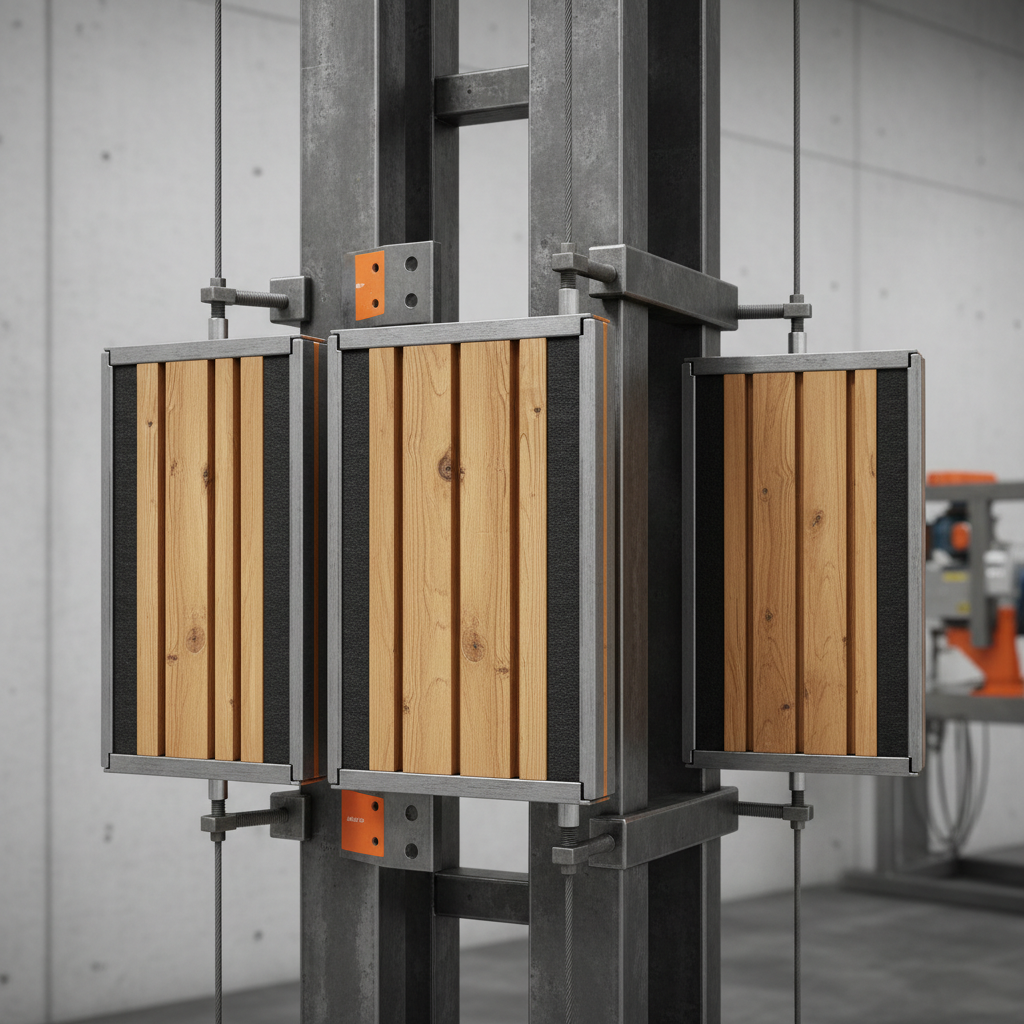
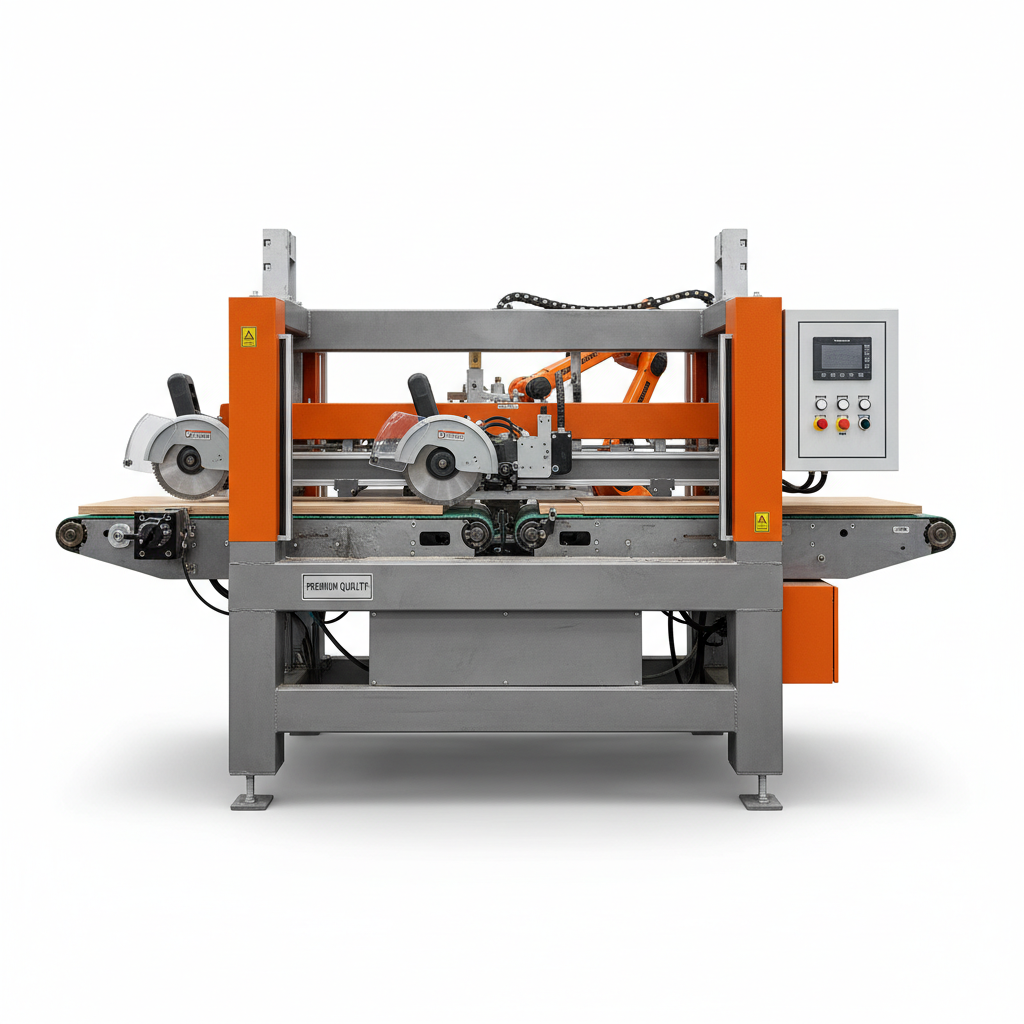
Sound proof wood panels are increasingly vital in our increasingly noisy world, offering a sustainable and aesthetically pleasing solution to noise pollution. From bustling city centers to industrial environments, the demand for effective sound dampening is growing exponentially. Understanding the benefits of these panels – improved focus, enhanced privacy, and reduced stress – is crucial for architects, designers, and individuals seeking peaceful and productive spaces. The rising need for quiet zones in open-plan offices, educational institutions, and residential areas drives innovation and wider adoption of sound proof wood panels.
Globally, the construction industry is undergoing a significant shift toward sustainable materials and practices. According to the UN Environment Programme, buildings are responsible for nearly 40% of global energy-related carbon emissions. Utilizing materials like wood, particularly when combined with sound-dampening technologies, offers a compelling pathway towards greener building solutions. Furthermore, ISO standards for acoustics increasingly emphasize the importance of sound control within buildings, creating a regulatory push for solutions like sound proof wood panels.
The increasing prevalence of open-plan designs, while fostering collaboration, often comes at the cost of acoustic comfort. This creates a challenge that sound proof wood panels directly address, offering both functional and aesthetic benefits. As urban populations grow and spaces become more densely populated, effective noise reduction is no longer a luxury but a necessity for well-being and productivity.
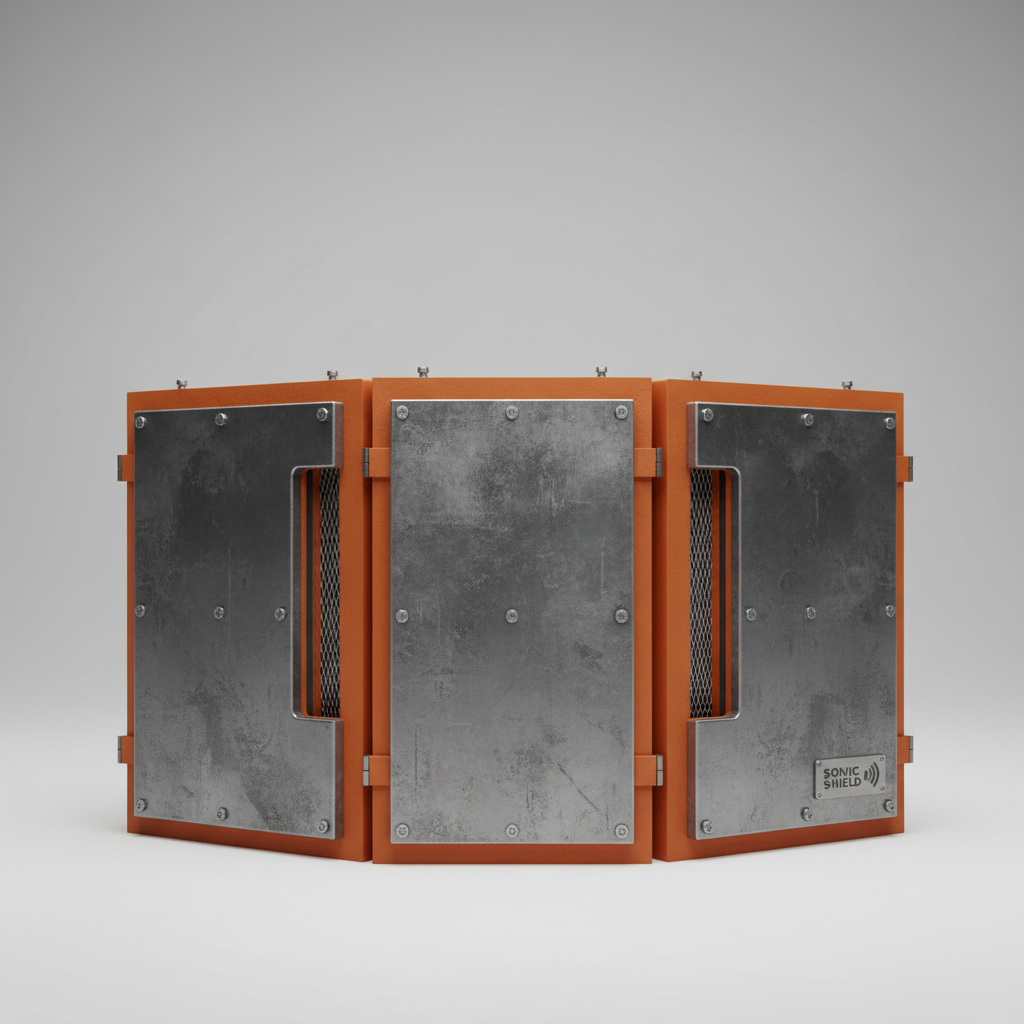
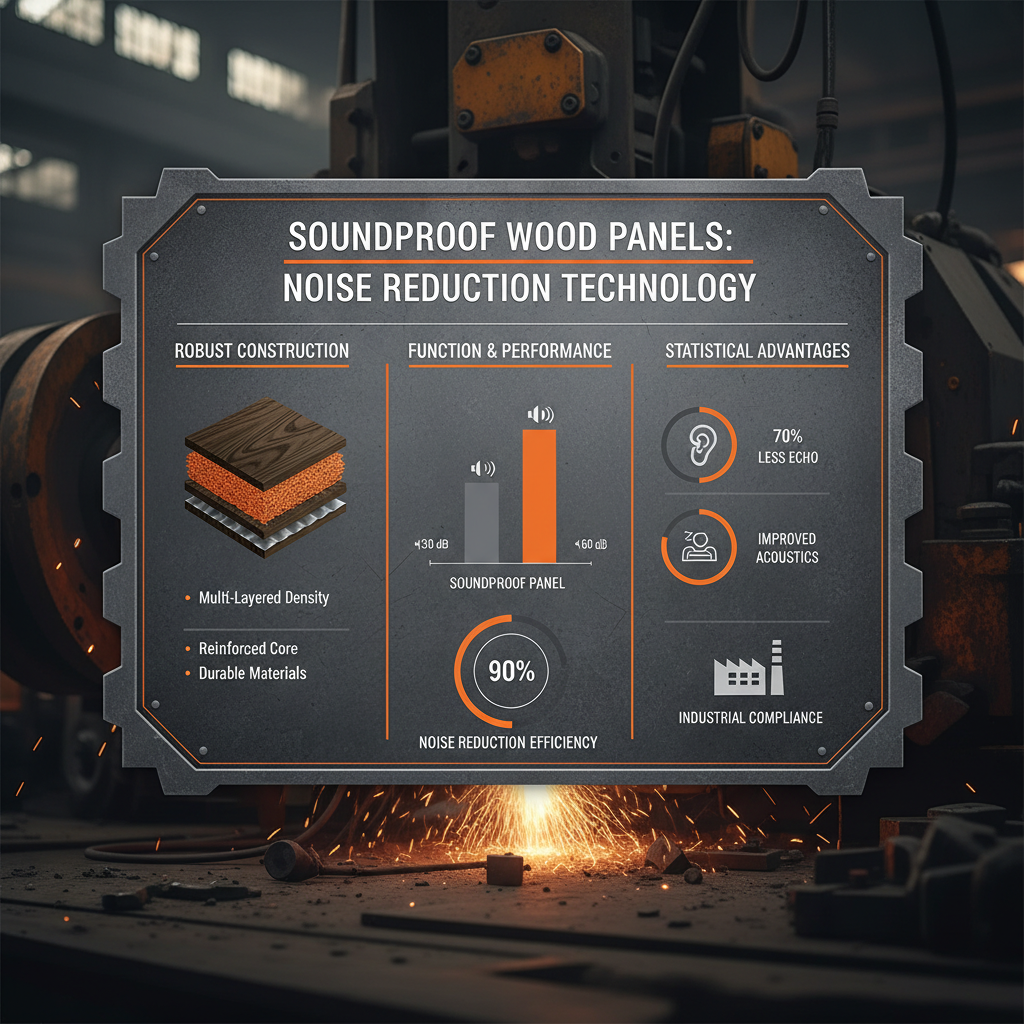
Sound proof wood panels represent a significant advancement in acoustic treatment technology. These aren't simply wooden boards; they are engineered systems designed to absorb and dampen sound waves, reducing noise levels and enhancing acoustic clarity. Their application spans a wide range of environments, from home theaters and recording studios to offices and public spaces. sound proof wood panels offer an elegant alternative to traditional acoustic materials like fiberglass or foam.
The effectiveness of sound proof wood panels stems from a combination of material science and design. Typically, these panels consist of a wooden veneer (like oak, maple, or walnut) bonded to a sound-absorbing core material, such as mineral wool, fiberglass, or recycled cotton. This construction provides both acoustic benefits and an aesthetically pleasing surface, making them a versatile choice for interior design.
The sound reduction level, measured in decibels (dB), varies depending on the panel's thickness, core material, and installation method. Generally, sound proof wood panels can achieve noise reductions ranging from 20dB to 40dB. For optimal results, consider a combination of panels and other soundproofing techniques. Consult with an acoustics professional to determine the best solution for your specific needs.
Most sound proof wood panels are treated with fire-retardant coatings to meet safety standards. The level of fire resistance varies depending on the specific product and its classification. Look for panels that comply with relevant fire safety regulations in your region. Always check the manufacturer's specifications for detailed fire performance data.
Installation typically involves mounting the panels to walls or ceilings using screws, adhesive, or a combination of both. While DIY installation is possible, professional installation is recommended to ensure optimal performance and compliance with safety standards. Proper installation includes creating an air gap behind the panels for enhanced sound absorption.
The best core material depends on the specific sound frequencies you need to dampen. Mineral wool and fiberglass offer excellent broad-spectrum sound absorption. Recycled cotton is a more sustainable option, although it may be less effective at lower frequencies. Some panels use a combination of core materials to achieve optimal performance across the entire sound spectrum.
Cleaning typically involves dusting with a soft cloth or vacuuming with a brush attachment. Avoid using harsh chemicals or abrasive cleaners, as they can damage the wood veneer. For more stubborn stains, consult the manufacturer’s recommendations. Regular cleaning helps maintain the panel’s aesthetic appearance and acoustic performance.
Yes, sound proof wood panels can be a sustainable choice, particularly when made with responsibly sourced wood and eco-friendly core materials like recycled cotton. Wood is a renewable resource, and using it can reduce reliance on non-renewable materials like fiberglass. Consider panels certified by sustainable forestry organizations like the Forest Stewardship Council (FSC).
In conclusion, sound proof wood panels represent a compelling solution for addressing noise pollution in a wide range of environments. Their unique combination of acoustic performance, aesthetic appeal, and sustainability makes them a valuable investment for anyone seeking to create quieter, more productive, and healthier spaces. From improving workplace concentration to enhancing home entertainment experiences, the benefits are numerous and far-reaching.
Looking ahead, continued innovation in materials and design will further enhance the effectiveness and accessibility of these panels. Embracing these advancements and prioritizing acoustic comfort will be essential in shaping the built environment of the future. To learn more about how sound proof wood panels can transform your space, visit our website: www.ytakupanel.com

 Afrikaans
 Albanian
 Amharic
 Arabic
 Armenian
 Azerbaijani
 Basque
 Belarusian
 Bengali
 Bosnian
 Bulgarian
 Catalan
 Cebuano
 Corsican
 Croatian
 Czech
Czech
 Danish
 Dutch
Dutch
 Esperanto
 Estonian
 Finnish
 French
 Frisian
 Galician
 Georgian
 German
 Greek
Greek
 Gujarati
 Haitian Creole
 Hausa
Hausa
 Hawaiian
 Hebrew
 Hindi
Hindi
 Miao
Miao
 Hungarian
 Icelandic
 Igbo
Igbo
 Indonesian
 Irish
Irish
 Italian
 Japanese
 Javanese
 Kannada
 Kazakh
 Khmer
Khmer
 Rwandese
 Korean
 Kurdish
 Kyrgyz
 Lao
Lao
 Latin
Latin
 Latvian
 Lithuanian
 Luxembourgish
 Macedonian
 Malgashi
 Malay
Malay
 Malayalam
 Maltese
 Maori
Maori
 Marathi
 Mongolian
 Myanmar
 Nepali
 Norwegian
 Norwegian
 Occitan
 Pashto
 Persian
 Polish
 Portuguese
 Punjabi
 Romanian
 Russian
 Samoan
 Scottish Gaelic
 Serbian
 Sesotho
 Shona
Shona
 Sindhi
 Sinhala
 Slovak
 Slovenian
 Somali
 Spanish
 Sundanese
 Swahili
 Swedish
 Tagalog
 Tajik
Tajik
 Tamil
Tamil
 Tatar
Tatar
 Telugu
 Thai
Thai
 Turkish
 Turkmen
 Ukrainian
 Urdu
Urdu
 Uighur
 Uzbek
Uzbek
 Vietnamese
 Welsh
Welsh
 Bantu
Bantu
 Yiddish
 Yoruba
 Zulu
Zulu
 English