
Choosing the Right Natural Wood Cladding for Your Project
Natural wood cladding is a beautiful and sustainable way to enhance the exterior of any building. Offering a warm, inviting aesthetic and excellent insulation properties, it's a popular choice for both residential and commercial projects. However, selecting the right type of natural wood cladding requires careful consideration of factors such as wood species, finish, and installation requirements. This article will provide a comprehensive guide to understanding natural wood cladding, helping you make an informed decision for your next project. We will explore the benefits, different types, and factors to consider when choosing the perfect cladding for your needs.
The Benefits of Natural Wood Cladding
Natural wood cladding offers a plethora of benefits, making it a desirable choice for architects, designers, and homeowners alike. Its aesthetic appeal is undeniable, bringing a natural warmth and texture to any facade. Beyond aesthetics, wood is a renewable resource, making it an environmentally friendly option. It also provides excellent thermal insulation, reducing energy consumption and lowering heating and cooling costs. Furthermore, wood is relatively lightweight, simplifying installation and reducing structural load. Properly treated, natural wood cladding can withstand the elements, providing long-lasting durability and a return on investment. Choosing ytaku panel's natural wood cladding solutions ensures quality and sustainability.
Key Highlights: Offers a natural aesthetic, is a renewable resource, provides excellent thermal insulation, and is relatively lightweight.
Understanding Different Types of Natural Wood Cladding
Several wood species are commonly used for cladding, each with its unique characteristics and benefits. Cedar is a popular choice due to its natural resistance to decay and insects, along with its attractive reddish-brown color. Redwood is another excellent option, known for its durability and resistance to moisture. Pine is a more affordable option, but requires regular treatment to protect it from the elements. Larch is a strong and durable wood, offering excellent weather resistance. The choice of wood species depends on your budget, aesthetic preferences, and the climate in your region. Ytaku Panel offers a variety of wood species to suit different project needs.
Wood Species Overview:
• Cedar: Naturally decay and insect resistant, reddish-brown color.
• Redwood: Durable, resistant to moisture.
• Pine: Affordable, requires regular treatment.
• Larch: Strong, durable, excellent weather resistance.
Comparing Wood Cladding Profiles: Shiplap, Board & Batten, and Channel
The profile of your natural wood cladding significantly impacts its aesthetic and performance. Shiplap cladding features overlapping boards, creating a smooth, clean look and providing good weather resistance. Board and batten cladding uses wider boards with narrower strips (battens) covering the seams, resulting in a rustic, textured appearance. Channel cladding involves interlocking boards with a grooved profile, offering a modern aesthetic and efficient drainage. The best profile depends on the desired style and the architectural context of the building. Ytaku Panel can help you choose the right profile for your project.
Proper Installation & Maintenance of Natural Wood Cladding
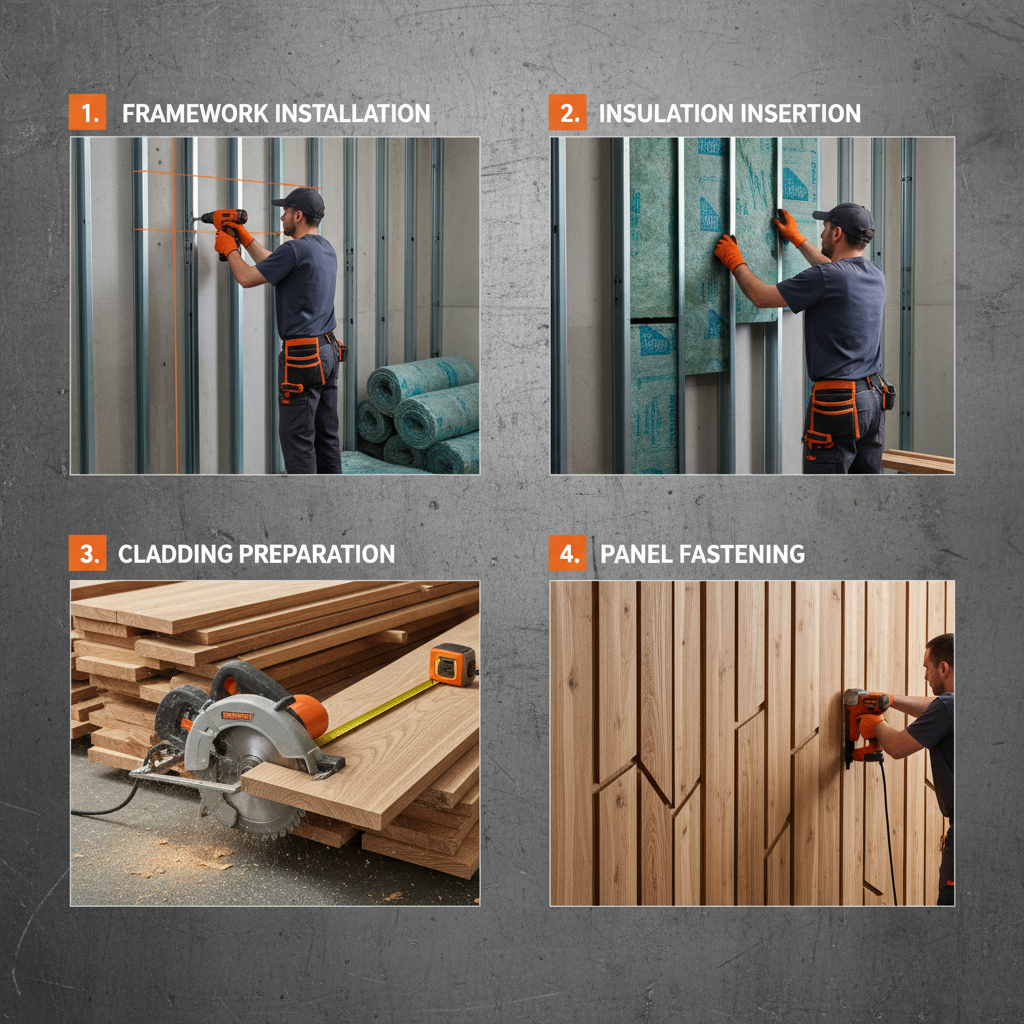
Correct installation is crucial for the longevity and performance of natural wood cladding. Boards should be properly fastened with corrosion-resistant fixings, and appropriate flashing should be installed to prevent water penetration. Adequate ventilation is also essential to allow moisture to escape and prevent rot. Regular maintenance, including cleaning and applying a protective finish, will help preserve the appearance and durability of the cladding. Applying a water-repellent sealant every 1-2 years is recommended to protect the wood from the elements. Ytaku Panel provides expert advice on installation and maintenance.
Factors to Consider When Choosing Natural Wood Cladding
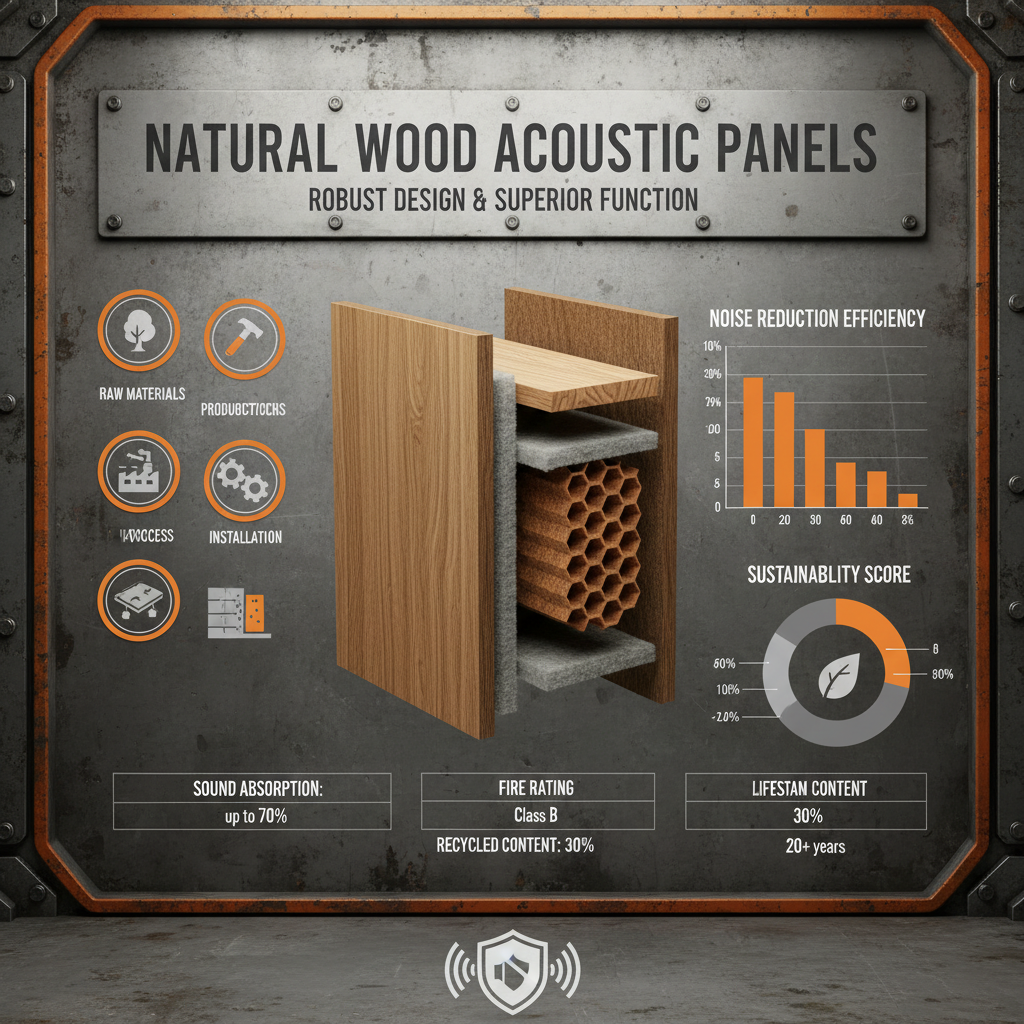
Several factors should influence your decision when selecting natural wood cladding. Consider the local climate, as certain wood species are more suitable for specific conditions. Your budget will also play a role, as prices vary depending on the wood species and profile. The architectural style of the building should be considered to ensure the cladding complements the overall design. Finally, think about the maintenance requirements and your willingness to invest time and resources in ongoing care. Ytaku Panel offers consultations to help you navigate these considerations.
Conclusion: Embrace the Beauty and Sustainability of Natural Wood Cladding
Choosing the right natural wood cladding is an investment in the beauty, sustainability, and longevity of your building. By carefully considering the factors discussed in this article, you can select the perfect cladding to enhance your project and create a stunning, lasting impression. Don't hesitate to consult with experts like those at Ytaku Panel to ensure you make the best choice for your needs.
Frequently Asked Questions (FAQs)
What is the best way to protect natural wood cladding from the elements?
The best way to protect natural wood cladding is to apply a high-quality water-repellent sealant or stain every 1-2 years. This will help prevent moisture absorption, which can lead to rot and decay. Regularly cleaning the cladding to remove dirt and debris is also essential. Consider using a UV-resistant coating to protect the wood from fading and sun damage. Proper installation with adequate ventilation is also crucial to prevent moisture build-up. Choose a finish that is specifically designed for exterior wood cladding.
How often should natural wood cladding be replaced?
The lifespan of natural wood cladding depends on several factors, including the wood species, the climate, and the level of maintenance. Generally, well-maintained cladding can last for 20-40 years or more. However, signs of damage, such as rot, decay, or significant warping, indicate it's time for replacement. Regular inspections are crucial to identify potential issues early on. Proper treatment and maintenance can significantly extend the lifespan of the cladding.
Is natural wood cladding a sustainable choice?
Yes, natural wood cladding is generally considered a sustainable choice, especially when sourced from responsibly managed forests. Wood is a renewable resource, and it sequesters carbon dioxide from the atmosphere. Choosing wood species that are native to your region can further reduce the environmental impact. However, it's important to ensure the wood is certified by a reputable organization, such as the Forest Stewardship Council (FSC), to guarantee sustainable forestry practices. Ytaku Panel is committed to sourcing sustainable materials.
Can natural wood cladding be used in all climates?
Natural wood cladding can be used in most climates, but the choice of wood species is crucial. In humid climates, decay-resistant woods like cedar or redwood are preferred. In cold climates, woods that can withstand freezing and thawing cycles are recommended. Proper installation and maintenance, including regular sealing and treatment, are essential to protect the cladding from the elements, regardless of the climate.
-
Ultimate Guide to Durable and Stylish pvc wood effect claddingNewsApr.16,2026
-
Ultimate Guide to Durable and Stylish PVC Wood CladdingNewsApr.09,2026
-
Discover the Beauty and Durability of PVC Wall Panels Wood Effect SolutionsNewsApr.07,2026
-
Enhance Your Space with Durable PVC Wall Panels Wood SolutionsNewsApr.04,2026
-
Explore the Beauty and Benefits of Pine Wood Wall Panelling for Your HomeNewsMar.31,2026
-
Enhance Your Interiors with the Natural Beauty of Pine Wood Wall CladdingNewsMar.28,2026
 Afrikaans
 Albanian
 Amharic
 Arabic
 Armenian
 Azerbaijani
 Basque
 Belarusian
 Bengali
 Bosnian
 Bulgarian
 Catalan
 Cebuano
 Corsican
 Croatian
 Czech
Czech
 Danish
 Dutch
Dutch
 Esperanto
 Estonian
 Finnish
 French
 Frisian
 Galician
 Georgian
 German
 Greek
Greek
 Gujarati
 Haitian Creole
 Hausa
Hausa
 Hawaiian
 Hebrew
 Hindi
Hindi
 Miao
Miao
 Hungarian
 Icelandic
 Igbo
Igbo
 Indonesian
 Irish
Irish
 Italian
 Japanese
 Javanese
 Kannada
 Kazakh
 Khmer
Khmer
 Rwandese
 Korean
 Kurdish
 Kyrgyz
 Lao
Lao
 Latin
Latin
 Latvian
 Lithuanian
 Luxembourgish
 Macedonian
 Malgashi
 Malay
Malay
 Malayalam
 Maltese
 Maori
Maori
 Marathi
 Mongolian
 Myanmar
 Nepali
 Norwegian
 Norwegian
 Occitan
 Pashto
 Persian
 Polish
 Portuguese
 Punjabi
 Romanian
 Russian
 Samoan
 Scottish Gaelic
 Serbian
 Sesotho
 Shona
Shona
 Sindhi
 Sinhala
 Slovak
 Slovenian
 Somali
 Spanish
 Sundanese
 Swahili
 Swedish
 Tagalog
 Tajik
Tajik
 Tamil
Tamil
 Tatar
Tatar
 Telugu
 Thai
Thai
 Turkish
 Turkmen
 Ukrainian
 Urdu
Urdu
 Uighur
 Uzbek
Uzbek
 Vietnamese
 Welsh
Welsh
 Bantu
Bantu
 Yiddish
 Yoruba
 Zulu
Zulu
 English


