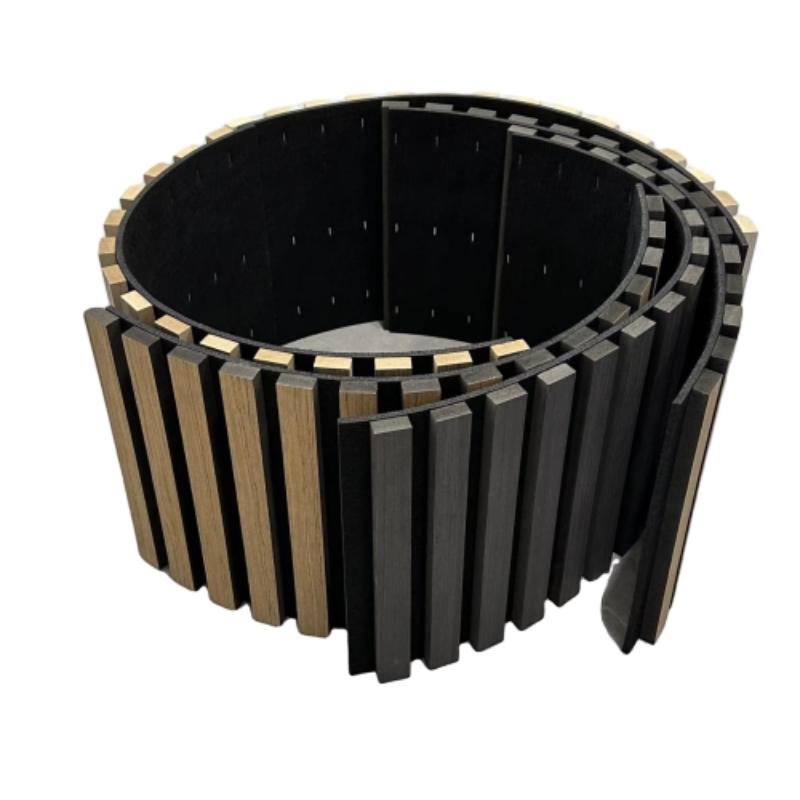

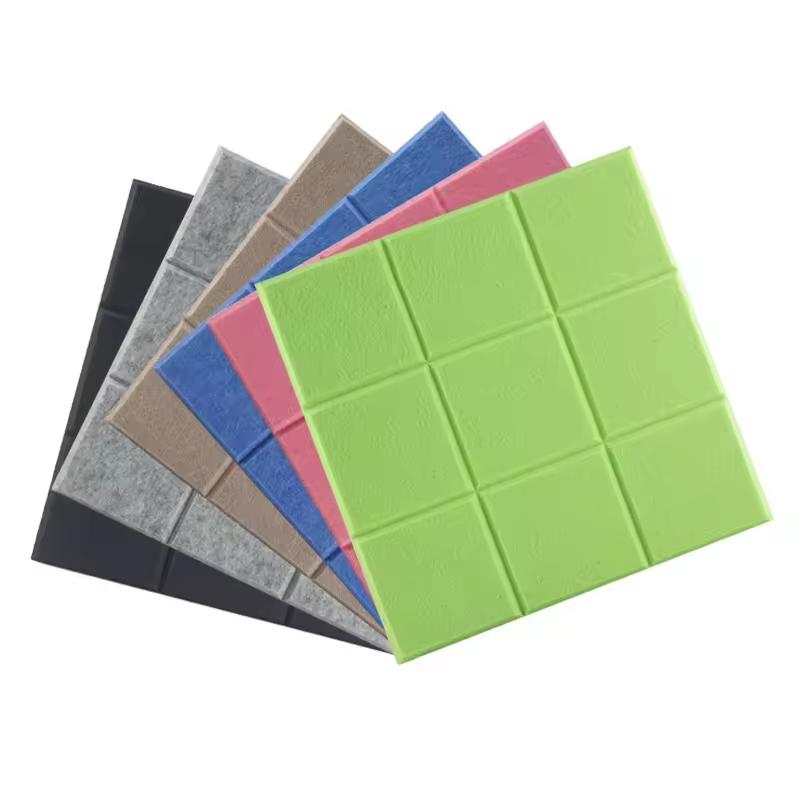
Premium Acoustic Solutions: grooved acoustic panel for Venezuela Architecture

Integrating advanced non-metallic mineral acoustics to enhance auditory environments across Venezuelan commercial and residential spaces.

The State of Acoustic Engineering in Venezuela

Analyzing the integration of wood acoustic panels for walls in regional construction.

In Venezuela, the construction sector is currently shifting towards multifunctional materials that can withstand high humidity and tropical temperature fluctuations. The demand for soundproof wood panels has increased as urban noise pollution in cities like Caracas grows, pushing architects to find materials that combine thermal insulation with acoustic performance.

The local market traditionally relied on heavy masonry or simple foam, which often failed due to moisture degradation. However, the introduction of mineral-composite non-metallic products has provided a more durable alternative, allowing for the installation of wood sound panel systems that do not warp under the Caribbean climate influence.

Current economic shifts are driving a preference for prefabricated acoustic components. This trend emphasizes efficiency in installation and a reduction in labor costs, making high-end sound dampening panel technology more accessible for mid-range commercial renovations and government infrastructure projects.
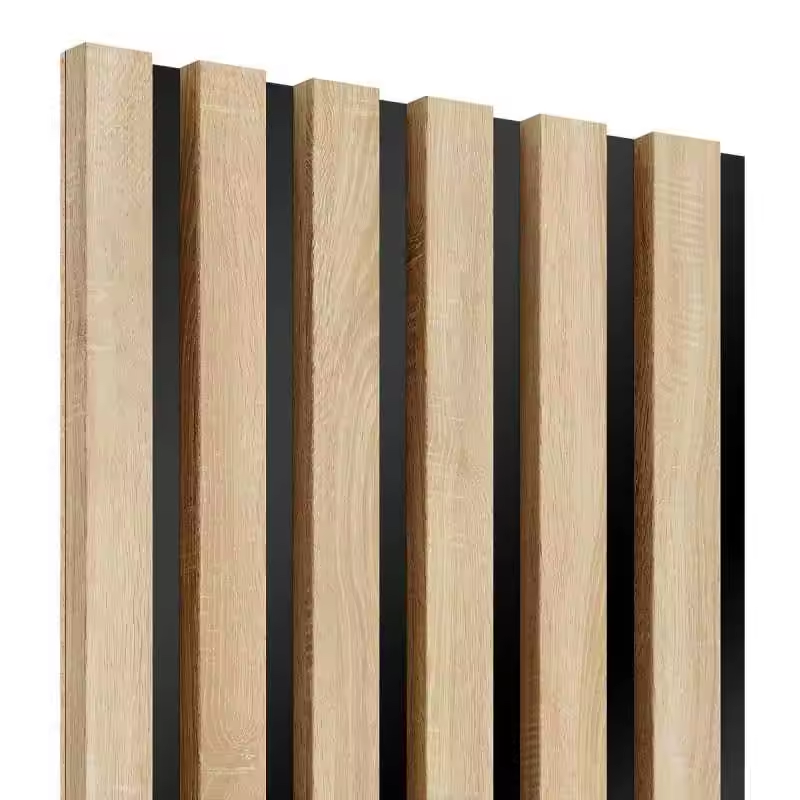

Evolution of Acoustic Materials in the Region

Tracing the trajectory from traditional porous minerals to modern engineered panels.

Market Development History

Between 1990 and 2010, the Venezuelan market focused primarily on basic mineral wool and heavy curtains for sound control. These methods were functionally limited and lacked the aesthetic appeal required for modern corporate interiors.

From 2011 to 2020, there was a transition toward composite mineral boards. This era saw the first widespread adoption of grooved structures to break sound waves, marking the early entry of the grooved acoustic panel as a design-centric solution.

Since 2021, the industry has moved toward "green" non-metallic mineral compositions. Modern panels now integrate recycled fibers with precision-engineered slots, optimizing the NRC (Noise Reduction Coefficient) while ensuring resistance to the specific fungal risks prevalent in South American climates.

Future Development Trends

Integration of Smart Materials

The next 3 years will see a rise in adaptive panels that can be adjusted based on the room's occupancy, utilizing variable density mineral cores.

Eco-Certified Mineral Compositions

Google search trends indicate a surge in "sustainable acoustics," leading to the development of panels made from local organic waste and inorganic mineral binders.

Modular Rapid-Installation Systems

There is a clear trajectory toward "click-and-lock" systems for wood acoustic panels for walls, reducing installation time by 40% for rapid urban redevelopment.

Industry Trends and Future Outlook

Predicting the shift in acoustic demands for the Venezuelan manufacturing landscape.

Climate-Resistant Mineral Cores
Development of hydrophobic mineral binders to prevent mold growth in coastal Venezuelan cities.
Hybrid Wood-Mineral Composites
Combining natural wood veneers with mineral-wool cores for superior sound dampening panel performance.
Acoustic zoning for Home-Offices
Increasing demand for localized soundproofing in residential areas due to the rise of remote work.
Low-Emission Manufacturing
Shift towards VOC-free adhesives in the production of non-metallic acoustic mineral boards.

Industry Outlook

The future of the acoustic sector in Venezuela is inextricably linked to the recovery of the commercial infrastructure. As businesses rebuild, there is a marked shift toward high-efficiency soundproof wood panels that reduce energy costs by providing simultaneous thermal insulation.

We anticipate a 15% year-on-year growth in the adoption of mineral-based acoustic solutions. The convergence of architectural aesthetics and scientific sound absorption will make the wood sound panel a standard requirement for LEED-certified projects in the region.

Local Application Scenarios in Venezuela

Real-world deployment of acoustic mineral products across various Venezuelan sectors.

01. Corporate Offices in Caracas

Implementation of grooved acoustic panel systems in open-plan offices to reduce echo and improve communication clarity amidst the city's ambient noise.

02. Recording Studios in Maracaibo

Using high-density soundproof wood panels to create isolated vocal booths that maintain internal temperature and acoustic purity.

03. Luxury Hotels in Margarita Island

Installation of wood acoustic panels for walls in lobby areas to merge Caribbean aesthetic luxury with professional sound dampening.

04. Educational Auditoriums in Valencia

Strategic placement of sound dampening panel arrays to optimize speech intelligibility in large lecture halls.

05. Residential Home Cinemas in Caracas

Custom fitting of wood sound panel units to eliminate standing waves and bass resonance in private entertainment rooms.

Brand Story

Global Development Journey of Hebei Yiteng Import and Export Trade Co., Ltd.

Foundation of Quality

Established with a mission to bridge the gap between raw mineral processing and high-end architectural acoustics.

Technical Breakthroughs

Perfecting the non-metallic mineral bonding process to ensure panels remain stable in extreme humidity.

Global Expansion

Expanding our footprint into South America, bringing industrial-grade soundproofing to the Venezuelan market.

Sustainable Innovation

Implementing eco-friendly manufacturing cycles to reduce the carbon footprint of each acoustic panel produced.

Future Vision

Striving to be the world's leading provider of mineral-based acoustic solutions for the next generation of smart cities.

Local Acoustic FAQs - Venezuela

Expert answers to common questions regarding sound management in South America.

How do wood acoustic panels for walls perform in high humidity areas like Caracas?

Our panels utilize a non-metallic mineral core that is moisture-resistant, preventing the warping and mold growth common in traditional wood panels when exposed to high humidity.

What is the difference between a wood sound panel and a standard sound dampening panel?

A wood sound panel often focuses on aesthetic integration and mid-to-high frequency absorption, while a dedicated sound dampening panel may have a denser mineral core designed for broader spectrum noise reduction.

Can soundproof wood panels be installed over existing masonry walls?

Yes, our panels are designed for easy overlay. We recommend a specialized adhesive or mechanical fastening system to ensure an airtight seal for maximum soundproofing.

Are grooved acoustic panel designs more effective than flat panels?

Yes, the grooved geometry increases the surface area and creates a diffusion effect, which helps in breaking up standing waves more effectively than a flat surface.

What is the typical lead time for shipping acoustic solutions to Venezuela?

Depending on the order volume and shipping method, lead times typically range from 3 to 6 weeks, ensuring all mineral components are securely packed for maritime transit.

Do these mineral-based panels meet international fire safety standards?

Absolutely. Our non-metallic mineral products are engineered to be flame-retardant, meeting stringent international safety certifications for commercial use.

Get Your Custom Acoustic Consultation

Ready to transform your space in Venezuela? Our engineers are here to provide technical support and customized product selections.

Contact Us Now

If you are interested in our products, you can choose to leave your information here, and we will be in touch with you shortly.