
Premium Custom Made Cat Beds with Advanced Fiber Technology
Selecting the right resting environment for feline companions requires a balance of ergonomic support, thermal regulation, and material safety. For professional breeders, pet boutique owners, and high-end retailers, sourcing customized sleeping solutions means looking beyond generic designs toward specialized manufacturing that prioritizes animal wellness and structural durability. The transition toward sustainable, non-toxic materials has redefined how these products are engineered, moving away from synthetic fillers toward high-performance fibers.
By utilizing advanced polyester fiber technology, manufacturers can now provide bespoke options that offer superior sound-absorption and hypoallergenic properties, ensuring a calm and healthy environment for pets. Whether focusing on architectural integration or purely functional comfort, the ability to specify density and dimensions allows for a precise match between the product and the pet's specific behavioral needs, such as nesting or elevated lounging.

Engineering Superior Comfort Through Advanced Polyester Fiber Technology
The foundation of a premium pet resting space lies in the molecular composition of the material. Utilizing 100% polyester fiber allows for the creation of felt-based structures that are naturally resilient and breathable. Unlike traditional foams that may degrade or off-gas harmful chemicals, high-grade polyester fiber is formaldehyde-free and non-toxic, which is critical for animals that frequently groom themselves and have sensitive respiratory systems.
From a technical standpoint, the density of the fiber plays a pivotal role in the product's longevity and support. By offering ranges from 1260gsm up to 2070gsm, manufacturers can tune the firmness of the bed to suit different cat sizes and age groups. Higher density options provide the structural integrity needed for larger breeds or complex architectural shapes, while lower densities offer a softer, more enveloping feel for kittens or senior cats requiring joint relief.
- Eco-Friendly Composition: Use of recycled materials reduces environmental impact without compromising structural strength.
- Thermal Regulation: The breathable nature of felt helps maintain a consistent temperature, preventing overheating in summer and retaining warmth in winter.
- Acoustic Dampening: The sound-absorbing properties of the fiber create a "quiet zone," reducing stress for pets in noisy household environments.

Optimizing Product Utility for Diverse Feline Behavioral Needs
Cats exhibit varied sleeping patterns—some prefer the security of a cave, while others seek the openness of a flat mat. Customization extends beyond simple size adjustments to include the "architectural psychology" of the pet house. By adjusting the thickness of the walls (ranging from 9mm to 20mm), manufacturers can create a sense of enclosure that mimics natural hiding spots, effectively lowering the pet's anxiety levels.
Maintenance is another critical factor for commercial buyers. The integration of easy-dust-removal technology ensures that pet hair and dander do not accumulate deep within the fibers. This maintainability, combined with B1 and A-grade flame retardancy, makes these products suitable not only for residential use but also for professional settings such as veterinary clinics, cat cafes, and grooming salons where safety standards are strictly enforced.
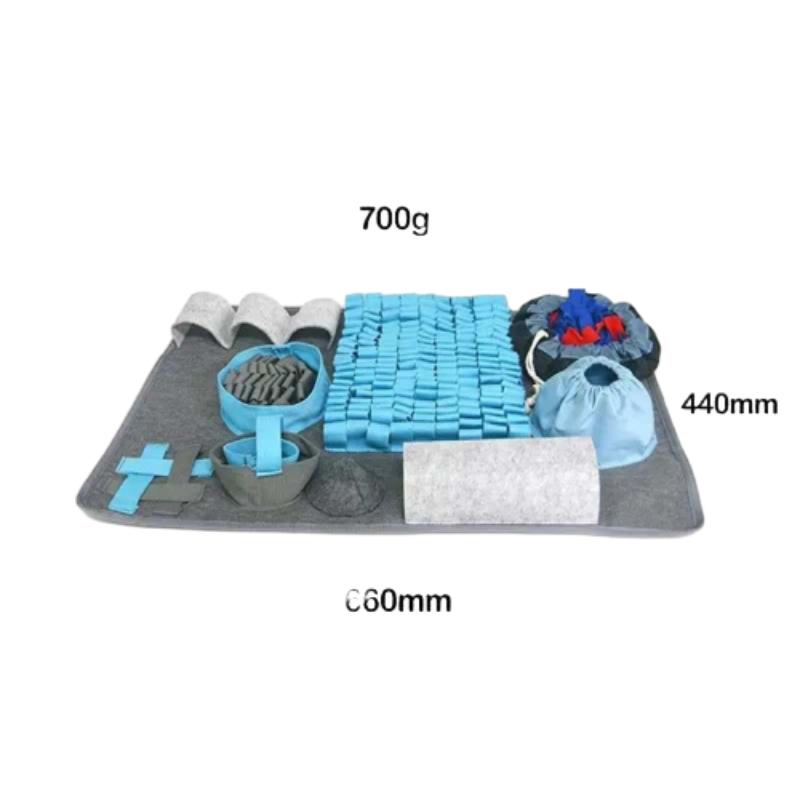
Furthermore, the versatility of the material allows for the integration of "snuffle mat" elements. By combining the structural support of a bed with the mental stimulation of a foraging mat, the product evolves from a passive resting place into an active enrichment tool, supporting the feline's natural instinct to hunt and explore.
Strategic Procurement Considerations for B2B Pet Product Sourcing
For procurement managers, the evaluation of a supplier should focus on the synergy between R&D capability and supply chain stability. A manufacturer that can handle both OEM (Original Equipment Manufacturer) and ODM (Original Design Manufacturer) services provides the flexibility needed to launch unique product lines. The ability to customize colors, corner treatments (right angle, small beveled, or big beveled), and specific dimensions is what separates a generic supplier from a strategic partner.
Quality verification is non-negotiable in the pet industry. Sourcing from factories that implement strict quality management systems—from raw material purchase to final SGS verification—mitigates the risk of product recalls. Buyers should look for evidence of automated production lines, which ensure consistency across large batches, reducing the variance in density and dimensions that often plagues manual production.
Logistical efficiency also impacts the bottom line. Proximity to major shipping hubs, such as Tianjin Port, and the use of professional, environmentally friendly packaging are essential for reducing lead times and minimizing transit damage, especially when shipping bulk orders to North America, Europe, or Southeast Asia.
Technical Specification and Application Framework
| Material Property | Specification Range | Primary Benefit | Recommended Application |
|---|---|---|---|
| Fiber Density | 1260 - 2070 gsm | Structural Support | Heavy-duty cat houses |
| Panel Thickness | 9mm / 12mm / 20mm | Insulation & Rigidity | Wall-mounted lounges |
| Fire Rating | Grade B1 / A | Safety Compliance | Commercial Cat Cafes |
| Toxicity Level | Formaldehyde-free | Health & Safety | Kitten nurseries |
| NRC Value | 0.8 - 1.0 | Noise Reduction | High-traffic shelters |
Evaluating the Lifecycle and Sustainability of Felt-Based Pet Furniture
The industry is seeing a significant shift toward "Circular Economy" principles. The use of recycled polyester fibers in pet products is not merely a marketing trend but a technical improvement. Recycled fibers, when processed correctly, maintain the same tensile strength and elasticity as virgin polyester while significantly reducing the carbon footprint of the manufacturing process.
Durability is measured by the material's resistance to abrasion and deformation. High-density felt is naturally more resistant to scratching than woven fabrics, making it an ideal choice for cat furniture. Because the material does not fray easily, the lifecycle of the product is extended, providing better value for the end-consumer and reducing waste in landfills. The ease of maintenance further ensures that the product remains hygienic over several years of use.
When selecting a partner for custom made cat beds, buyers should request data on the "spring-back" capability of the felt. A high-quality product will return to its original shape after the pet leaves, preventing the "sagging" effect commonly found in lower-grade foam alternatives. This structural memory is a direct result of the advanced automatic machine equipment used during the compression and bonding phases of production.
Future Trends in Adaptive Pet Environments and Material Science
The future of pet furniture lies in "Adaptive Design"—products that can be reconfigured based on the pet's growth or the owner's space constraints. We are seeing a move toward modular felt systems where different components (beds, tunnels, and climbing platforms) can be snapped together. This modularity requires extremely tight tolerances in manufacturing, which can only be achieved through precision cutting and standardized density control.
Additionally, the integration of acoustic science into pet furniture is an emerging field. By applying the same NRC (Noise Reduction Coefficient) standards used in conference rooms and theaters to pet houses, manufacturers can create "sensory sanctuaries." These spaces protect pets from the overwhelming stimuli of urban environments, promoting better mental health for the animal.
For businesses looking to stay competitive, the focus will shift toward hyper-personalization. This includes not only aesthetic customization but also functional adjustments based on the specific anatomical needs of different breeds. The collaboration between R&D teams and veterinary specialists will likely lead to the development of orthopedic felt supports, integrating varied density layers within a single product to provide targeted pressure relief.
Frequently Asked Questions Regarding Professional Pet Felt Products
What makes polyester fiber felt safer than traditional foam for cats?
Polyester fiber felt used in professional manufacturing is typically formaldehyde-free, non-toxic, and hypoallergenic. Unlike some low-cost foams that may release volatile organic compounds (VOCs), high-grade felt provides a chemically stable environment, which is essential for animals with sensitive respiratory systems.
How does density (gsm) affect the quality of a pet bed?
GSM (grams per square meter) determines the firmness and durability of the product. Lower density (e.g., 1260gsm) is softer and more flexible, while higher density (e.g., 2070gsm) provides stronger structural support and better resistance to deformation, making it ideal for larger cat houses.
Can these products be customized for commercial use in cat cafes?
Yes. For commercial environments, we recommend specifying B1 or A-grade flame retardancy and higher density materials for increased durability. Custom sizes and colors can be matched to the cafe's interior design, and beveled edge treatments can be added for safety and aesthetics.
How are these felt products maintained for hygiene?
The materials are engineered for easy dust removal. Most high-density felt products can be maintained using a vacuum cleaner or a lint roller. Because the fibers are tightly bonded, they resist the deep penetration of dander and hair compared to loose-weave fabrics.
What is the difference between OEM and ODM services for pet furniture?
OEM (Original Equipment Manufacturing) is when a factory produces a product based on the buyer's exact designs and specifications. ODM (Original Design Manufacturing) is when the factory uses its own R&D and existing designs, which the buyer then brands as their own, often with minor modifications.
Are these products suitable for international shipping?
Yes, by using professional, environmentally friendly, and efficient packaging, the products are protected against compression and moisture during long-distance transit. Their lightweight yet durable nature makes them cost-effective for shipping to North America, Europe, and Asia.
Technical Industry Resources
- ISO Standards for Textile and Fiber Quality
- SGS Certification and Material Testing Protocols
- EPA Guidelines on Non-Toxic Materials
- ASTM Standards for Flame Retardancy in Fabrics
Finding a manufacturing partner that understands the intersection of feline behavior and material science is key to product success. By focusing on density, non-toxicity, and structural integrity, businesses can offer pet solutions that truly enhance the quality of life for animals.
Related Industry Insights


 English
 Afrikaans
 Albanian
 Amharic
 Arabic
 Armenian
 Azerbaijani
 Basque
 Belarusian
 Bengali
 Bosnian
 Bulgarian
 Catalan
 Cebuano
 Corsican
 Croatian
 Czech
 Danish
 Dutch
 Esperanto
 Estonian
 Finnish
 French
 Frisian
 Galician
 Georgian
 German
 Greek
 Gujarati
 Haitian Creole
 Hausa
 Hawaiian
 Hebrew
 Hindi
 Miao
 Hungarian
 Icelandic
 Igbo
 Indonesian
 Irish
 Italian
 Japanese
 Javanese
 Kannada
 Kazakh
 Khmer
 Rwandese
 Korean
 Kurdish
 Kyrgyz
 Lao
 Latin
 Latvian
 Lithuanian
 Luxembourgish
 Macedonian
 Malgashi
 Malay
 Malayalam
 Maltese
 Maori
 Marathi
 Mongolian
 Myanmar
 Nepali
 Norwegian
 Norwegian
 Occitan
 Pashto
 Persian
 Polish
 Portuguese
 Punjabi
 Romanian
 Russian
 Samoan
 Scottish Gaelic
 Serbian
 Sesotho
 Shona
 Sindhi
 Sinhala
 Slovak
 Slovenian
 Somali
 Spanish
 Sundanese
 Swahili
 Swedish
 Tagalog
 Tajik
 Tamil
 Tatar
 Telugu
 Thai
 Turkish
 Turkmen
 Ukrainian
 Urdu
 Uighur
 Uzbek
 Vietnamese
 Welsh
 Bantu
 Yiddish
 Yoruba
 Zulu


