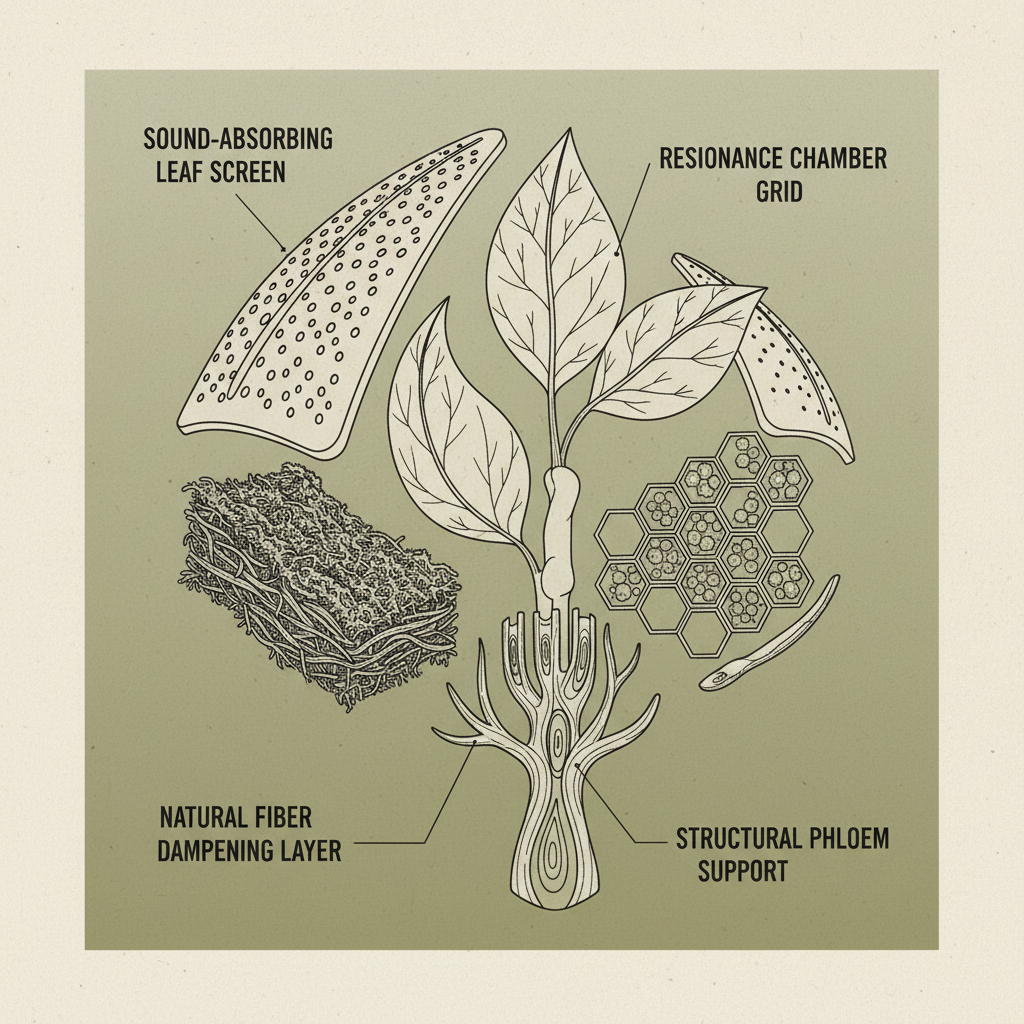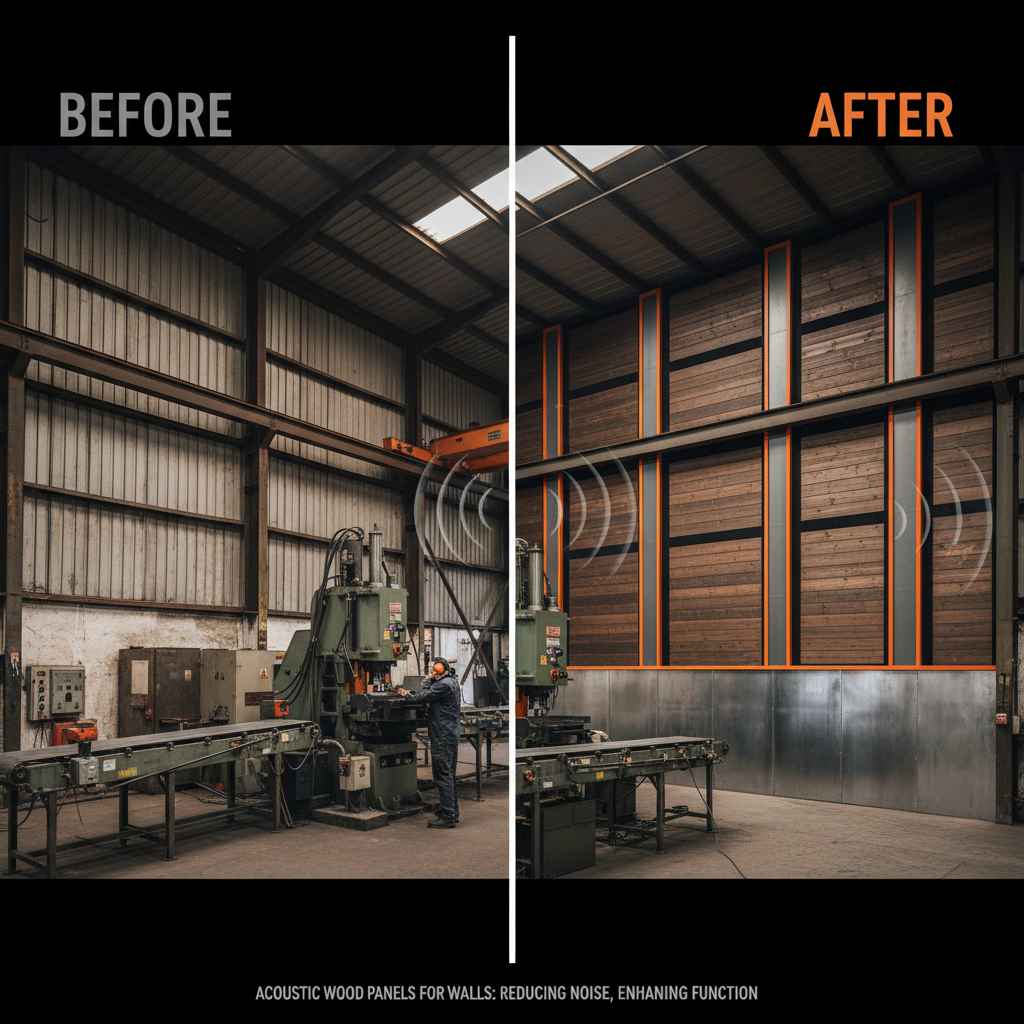
In the modern architectural landscape, the quest for acoustic comfort has evolved from a luxury to a fundamental necessity. Whether in a bustling open-plan office, a high-end home cinema, or a commercial recording studio, the ability to control sound reflection is critical. High-quality acoustic wall panels serve as the primary defense against noise pollution, transforming chaotic auditory environments into serene, productive spaces.
The global shift toward urban density and open-concept design has exacerbated the challenge of sound reverberation. Without proper mitigation, noise overlap can lead to decreased cognitive performance, increased stress levels, and a general decline in the quality of life within indoor settings. By implementing strategic sound-absorbing solutions, designers can balance the aesthetic desire for minimalism with the physiological need for quiet.
Understanding the nuances of sound absorption—ranging from NRC (Noise Reduction Coefficient) ratings to the material science of PET felt and wood—allows stakeholders to make informed decisions. This guide explores the technical efficiency, environmental impact, and diverse applications of acoustic wall panels, providing a comprehensive blueprint for achieving optimal sonic equilibrium in any structure.

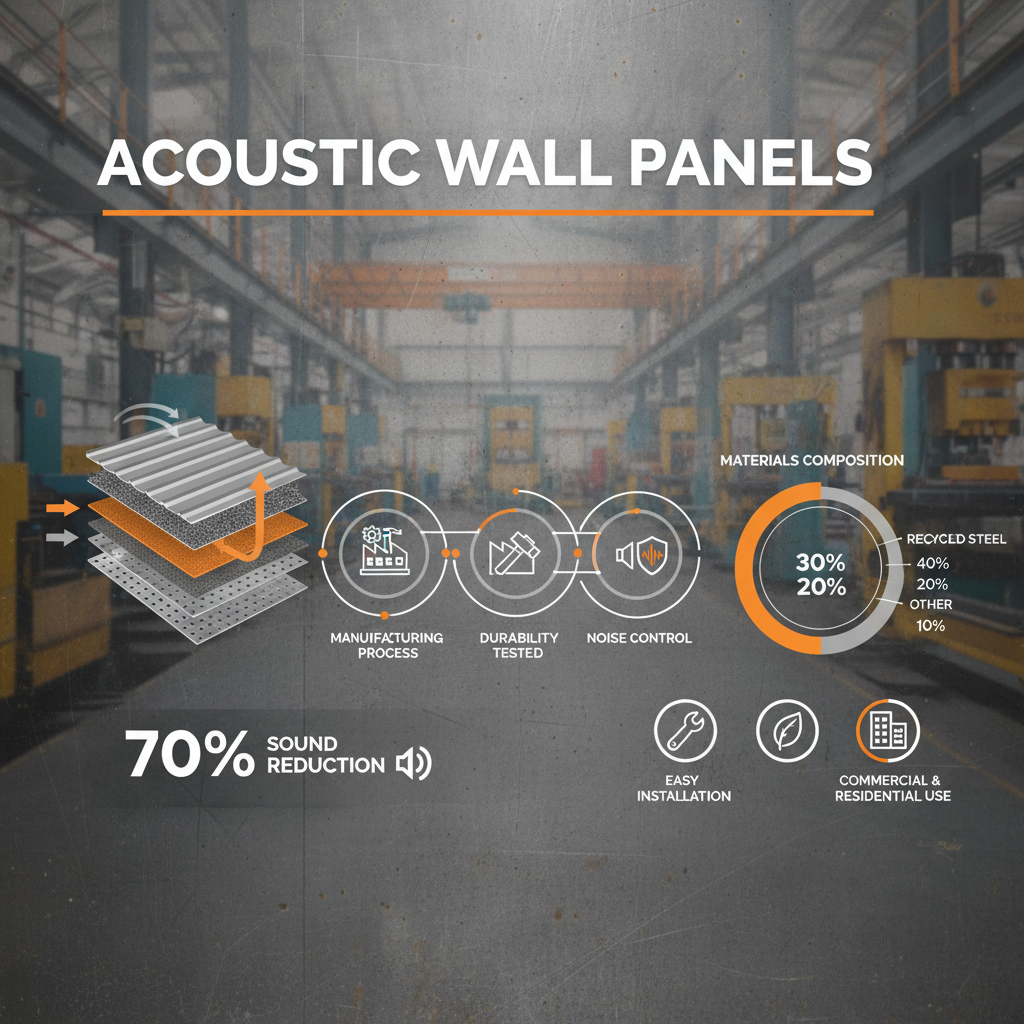
On a global scale, the proliferation of "noise pollution" has been recognized by organizations like the World Health Organization (WHO) as a significant public health threat. As cities grow more compact, the internal acoustics of buildings become the only sanctuary from external chaos. The integration of acoustic wall panels is no longer just about "recording a podcast"; it is about mitigating the physiological impact of chronic noise on the human nervous system.
Industry data suggests that in modern open-office layouts, productivity can drop by up to 15% due to auditory distractions. By utilizing sound-absorbing materials, companies are now adhering to ISO standards for acoustic comfort, ensuring that workers can focus and communicate without the interference of echoes or overlapping conversations. This shift represents a broader move toward "human-centric" design in the global construction industry.
Soundproofing (blocking) is designed to stop sound from entering or leaving a room, usually requiring heavy, dense materials like mass-loaded vinyl or double-drywall. Sound absorption, which is what acoustic wall panels provide, focuses on improving the sound inside the room by reducing echoes and reverberation. While they work together, absorption is about quality, while proofing is about isolation.
The number of panels depends on the room's size and the amount of existing "soft" surfaces (like carpets or curtains). A general rule of thumb for a balanced room is to cover 20% to 30% of the wall surface area. For high-noise environments like recording studios, this may increase to 50% or more. We recommend strategic placement at "first reflection points"—where sound hits the wall first after leaving the source.
Yes, high-quality PET felt panels are generally hypoallergenic. Unlike older fiberglass or mineral wool panels that can shed irritating particles into the air, PET felt is a non-woven polyester fiber that is stable and does not off-gas harmful VOCs. This makes them an ideal choice for schools, hospitals, and homes with children or pets.
Absolutely. Most modern panels, especially PET felt and wood, are designed for easy maintenance. Felt panels can typically be vacuumed with a brush attachment or spot-cleaned with a damp cloth and mild detergent. Wooden panels can be dusted like any other furniture. Because they are durable and resistant to sagging, they require very little long-term maintenance.
While acoustic panels are primarily for internal echo, they can provide a slight reduction in transmitted noise by adding a layer of mass and breaking the vibration path on the wall. However, if your goal is to completely block a neighbor's loud TV, you will need a combination of acoustic wall panels and sound-blocking membranes or decoupled wall structures.
It depends on your goal. Felt panels offer superior absorption across a wider range of frequencies, making them better for reducing overall chatter in open offices. Wooden panels (especially slated ones) provide a sophisticated aesthetic and better sound diffusion, which prevents the room from feeling "too dead." A hybrid approach—combining both—is usually the most effective and visually appealing solution.
To summarize, the implementation of acoustic wall panels is a critical investment in both psychological well-being and operational efficiency. By understanding the relationship between material science, NRC ratings, and spatial geometry, we can transform any environment from a noise-polluted chamber into a sanctuary of clarity. Whether through the use of sustainable PET felt or the timeless elegance of wooden slats, managing acoustics is the final, essential step in modern architectural design.
As we move toward an era of smarter, greener buildings, the role of acoustic engineering will only grow. We encourage architects, business owners, and homeowners to prioritize auditory health as much as visual aesthetics. By adopting innovative sound-management strategies today, you ensure a more focused, inclusive, and sustainable tomorrow. For professional grade solutions, visit our website: www.ytakupanel.com

 Afrikaans
 Albanian
 Amharic
 Arabic
 Armenian
 Azerbaijani
 Basque
 Belarusian
 Bengali
 Bosnian
 Bulgarian
 Catalan
 Cebuano
 Corsican
 Croatian
 Czech
Czech
 Danish
 Dutch
Dutch
 Esperanto
 Estonian
 Finnish
 French
 Frisian
 Galician
 Georgian
 German
 Greek
Greek
 Gujarati
 Haitian Creole
 Hausa
Hausa
 Hawaiian
 Hebrew
 Hindi
Hindi
 Miao
Miao
 Hungarian
 Icelandic
 Igbo
Igbo
 Indonesian
 Irish
Irish
 Italian
 Japanese
 Javanese
 Kannada
 Kazakh
 Khmer
Khmer
 Rwandese
 Korean
 Kurdish
 Kyrgyz
 Lao
Lao
 Latin
Latin
 Latvian
 Lithuanian
 Luxembourgish
 Macedonian
 Malgashi
 Malay
Malay
 Malayalam
 Maltese
 Maori
Maori
 Marathi
 Mongolian
 Myanmar
 Nepali
 Norwegian
 Norwegian
 Occitan
 Pashto
 Persian
 Polish
 Portuguese
 Punjabi
 Romanian
 Russian
 Samoan
 Scottish Gaelic
 Serbian
 Sesotho
 Shona
Shona
 Sindhi
 Sinhala
 Slovak
 Slovenian
 Somali
 Spanish
 Sundanese
 Swahili
 Swedish
 Tagalog
 Tajik
Tajik
 Tamil
Tamil
 Tatar
Tatar
 Telugu
 Thai
Thai
 Turkish
 Turkmen
 Ukrainian
 Urdu
Urdu
 Uighur
 Uzbek
Uzbek
 Vietnamese
 Welsh
Welsh
 Bantu
Bantu
 Yiddish
 Yoruba
 Zulu
Zulu
 English