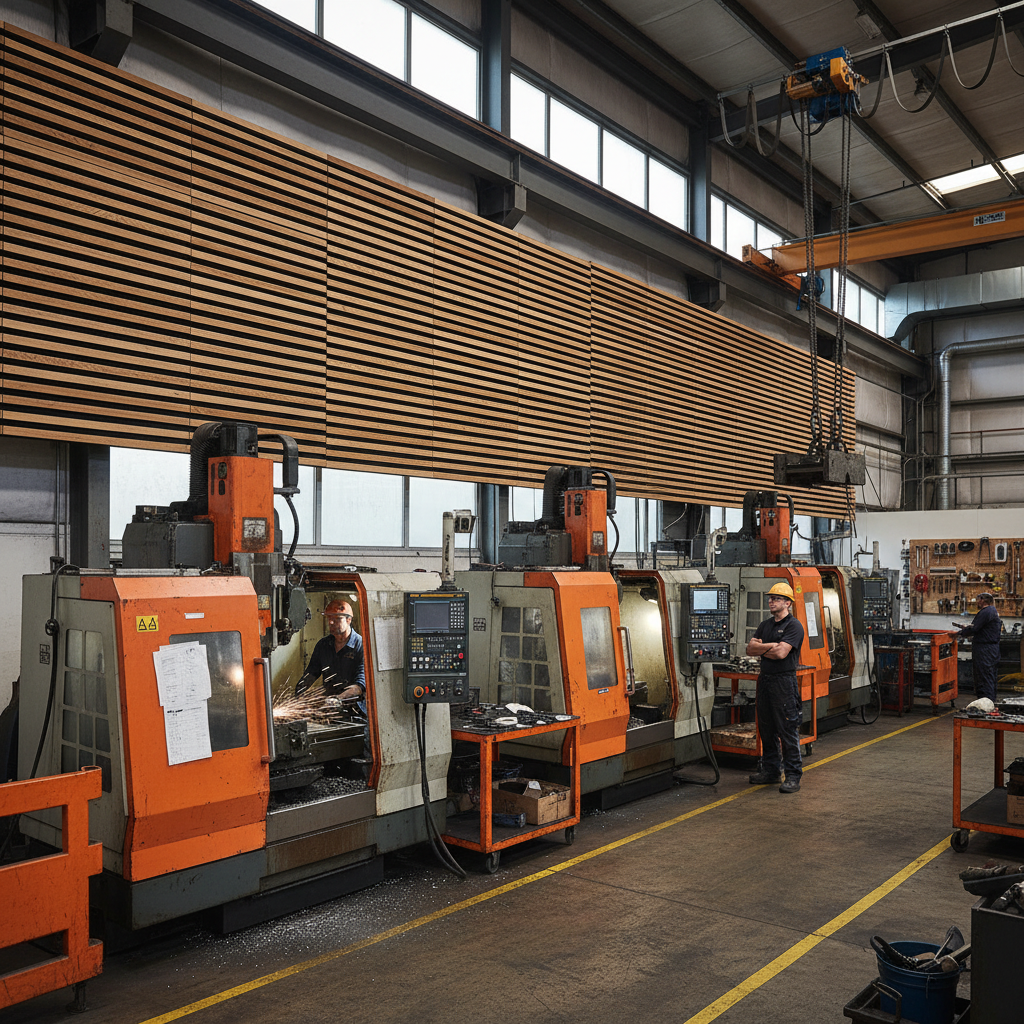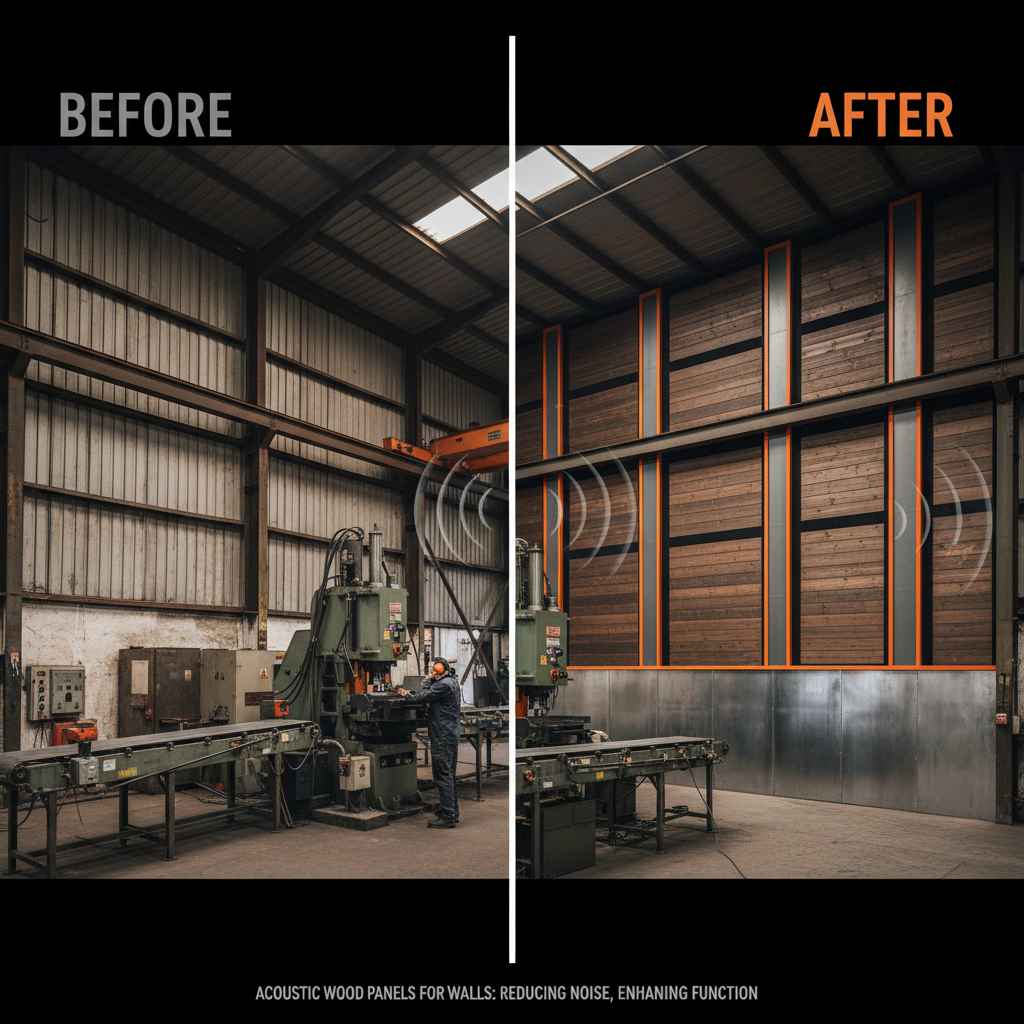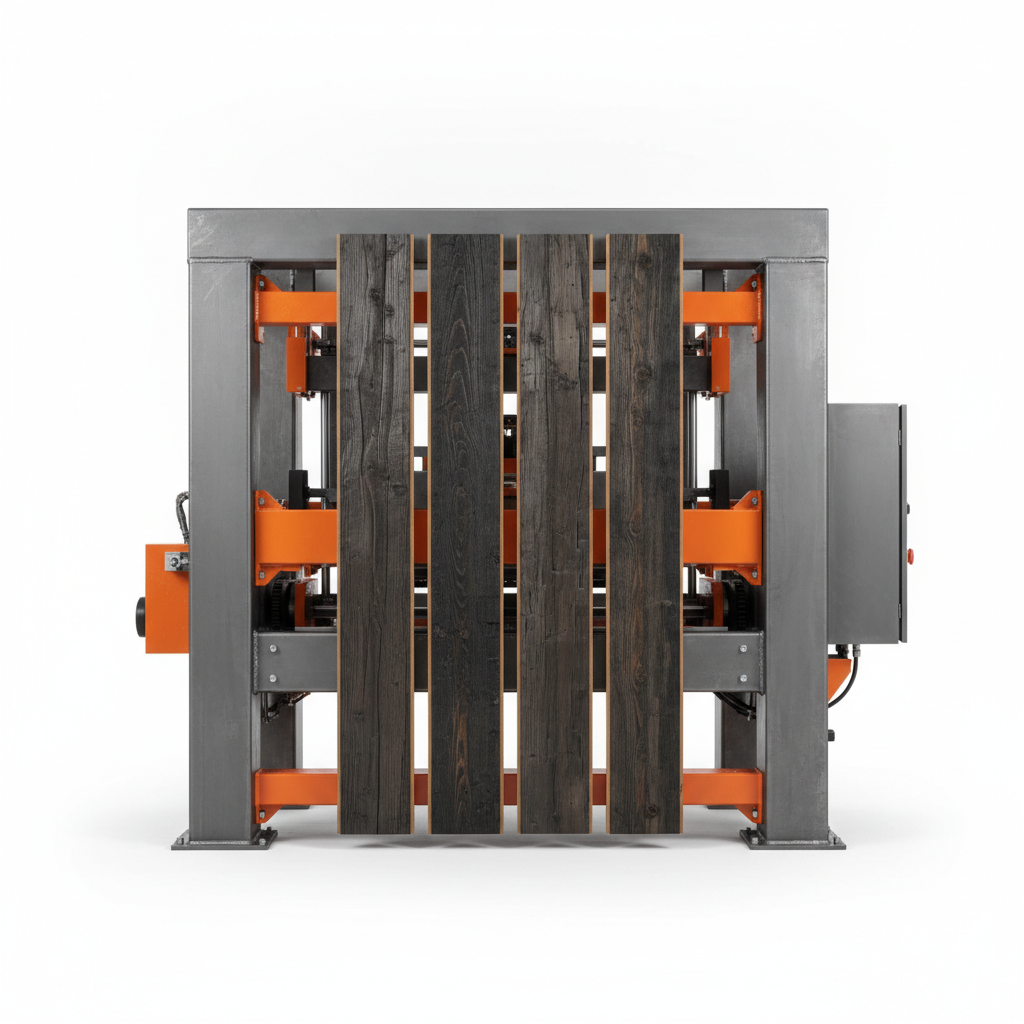
In the modern architectural landscape, the quest for acoustic harmony has led to the rise of the akupanel, a sophisticated solution that merges high-end interior design with scientific sound management. As open-concept offices and minimalist residential spaces become the global standard, the challenge of reverberation and noise pollution has intensified, making advanced acoustic treatment a necessity rather than a luxury.
The global demand for sustainable building materials has pushed the industry toward innovative composites. The akupanel addresses this by utilizing PET felt and sustainable wood slats, offering a carbon-efficient alternative to traditional foam or heavy drapery. This evolution reflects a broader shift toward "wellness architecture," where the psychological impact of a quiet, visually soothing environment is prioritized.
Understanding the technical composition and application of the akupanel allows designers and homeowners to transform chaotic auditory spaces into serene sanctuaries. By balancing absorption coefficients with aesthetic versatility, these panels provide a scalable answer to the acoustic challenges of the 21st century, ensuring that productivity and peace coexist seamlessly.
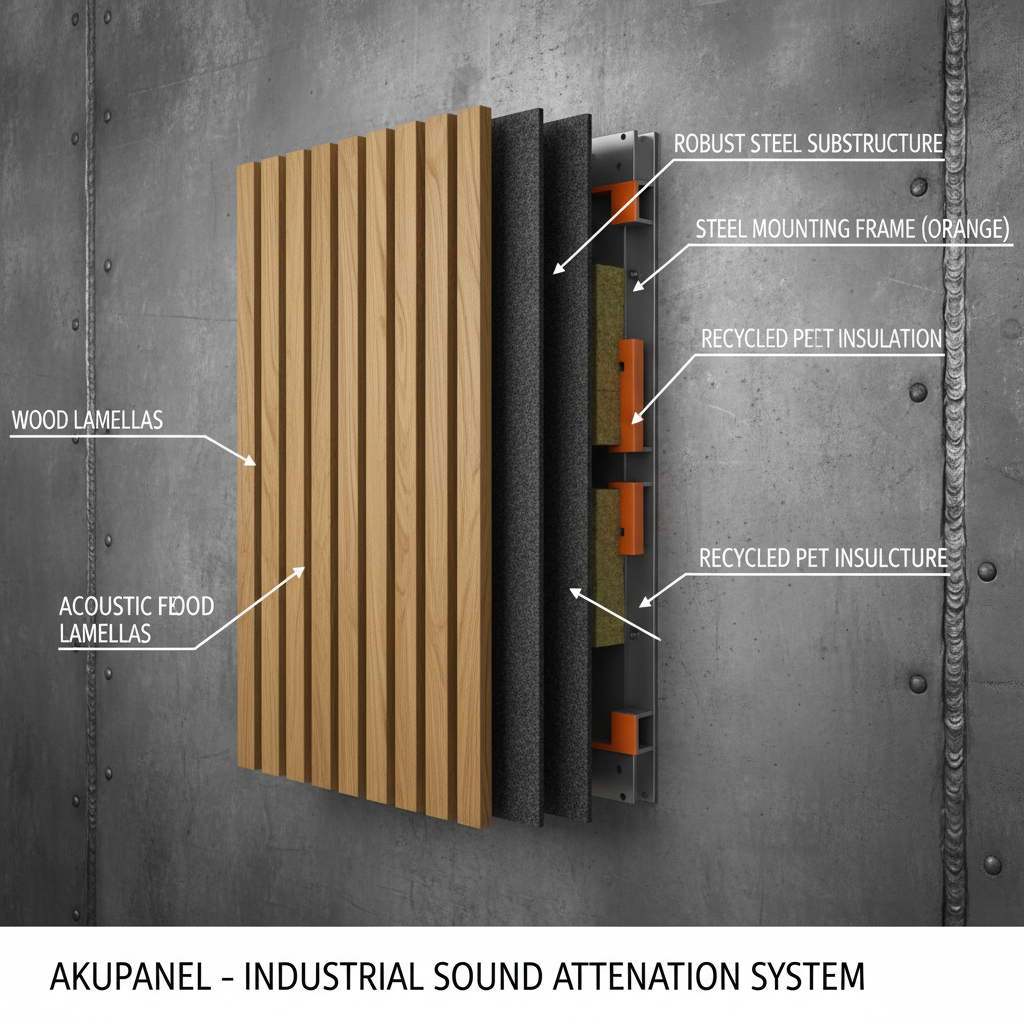

The structural brilliance of the akupanel lies in its dual-layer architecture. By combining a high-density PET felt backing with precision-milled wooden slats, the panel creates a "sound trap." The gaps between the slats allow sound waves to pass through the surface and be absorbed by the porous felt layer, effectively reducing the echo (reverberation time) within a room.
This mechanical synergy ensures that high-frequency noises are dampened while low-frequency vibrations are managed, preventing the "boomy" feel common in large halls or minimalist living rooms. The result is a balanced acoustic environment that enhances speech clarity and reduces cognitive load for the occupants.
Unlike traditional foam, which often looks industrial and can degrade over time, the akupanel combines high-performance sound absorption with a luxury aesthetic. It is more durable, fire-resistant (depending on the grade), and significantly more sustainable due to the use of recycled PET felt and natural wood, making it suitable for both professional and residential high-end interiors.
Installation is relatively straightforward. Most akupanel systems are designed for easy mounting using heavy-duty construction adhesives or hidden mechanical clips. Because they come in modular panels, they can be cut to size with a fine-tooth saw, allowing them to fit perfectly around outlets or corners without requiring specialized professional equipment.
Yes, but it requires specific variants. For areas with higher humidity, we recommend an akupanel with moisture-treated wood slats and high-density PET felt that resists mold and mildew. While not intended for direct shower exposure, they perform excellently in kitchens and dining areas when properly sealed and installed.
The vast majority of premium akupanel products utilize FSC-certified wood or sustainably managed timber veneers. By combining these with recycled plastic felt, the product significantly reduces the environmental impact compared to traditional wall cladding, supporting a circular economy in the non-metallic mineral and timber industries.
Maintenance is minimal. For the wooden slats, a light dusting with a microfiber cloth or a vacuum with a brush attachment is usually sufficient. For the felt backing, a vacuum cleaner on a low-suction setting can remove dust. Avoid using harsh chemicals or excessive water; a slightly damp cloth is usually enough to keep your akupanel looking new.
It is important to distinguish between sound absorption and soundproofing. An akupanel is primarily designed for absorption—reducing echo and improving sound quality inside the room. While they do provide some attenuation, they are not a replacement for heavy-duty soundproofing membranes if your goal is to completely block noise from passing through a wall to another room.
The akupanel represents a perfect convergence of material science and interior design, solving the age-old conflict between acoustic functionality and visual beauty. By utilizing recycled PET felt and sustainable wood, these panels provide a high-performance solution for noise reduction that benefits both the mental well-being of the occupant and the health of the planet. From corporate boardrooms to private living spaces, the ability to tune a room's acoustics while adding a touch of organic warmth is an invaluable asset in modern architecture.
As we move toward a future defined by sustainable urban living and a deeper understanding of environmental psychology, the adoption of such advanced acoustic systems will only grow. We encourage architects, designers, and homeowners to move beyond traditional, unsightly sound-dampening materials and embrace the elegance and efficiency of the akupanel. To explore our full range of acoustic solutions and find the perfect fit for your space, visit our website: www.ytakupanel.com.

 Afrikaans
 Albanian
 Amharic
 Arabic
 Armenian
 Azerbaijani
 Basque
 Belarusian
 Bengali
 Bosnian
 Bulgarian
 Catalan
 Cebuano
 Corsican
 Croatian
 Czech
Czech
 Danish
 Dutch
Dutch
 Esperanto
 Estonian
 Finnish
 French
 Frisian
 Galician
 Georgian
 German
 Greek
Greek
 Gujarati
 Haitian Creole
 Hausa
Hausa
 Hawaiian
 Hebrew
 Hindi
Hindi
 Miao
Miao
 Hungarian
 Icelandic
 Igbo
Igbo
 Indonesian
 Irish
Irish
 Italian
 Japanese
 Javanese
 Kannada
 Kazakh
 Khmer
Khmer
 Rwandese
 Korean
 Kurdish
 Kyrgyz
 Lao
Lao
 Latin
Latin
 Latvian
 Lithuanian
 Luxembourgish
 Macedonian
 Malgashi
 Malay
Malay
 Malayalam
 Maltese
 Maori
Maori
 Marathi
 Mongolian
 Myanmar
 Nepali
 Norwegian
 Norwegian
 Occitan
 Pashto
 Persian
 Polish
 Portuguese
 Punjabi
 Romanian
 Russian
 Samoan
 Scottish Gaelic
 Serbian
 Sesotho
 Shona
Shona
 Sindhi
 Sinhala
 Slovak
 Slovenian
 Somali
 Spanish
 Sundanese
 Swahili
 Swedish
 Tagalog
 Tajik
Tajik
 Tamil
Tamil
 Tatar
Tatar
 Telugu
 Thai
Thai
 Turkish
 Turkmen
 Ukrainian
 Urdu
Urdu
 Uighur
 Uzbek
Uzbek
 Vietnamese
 Welsh
Welsh
 Bantu
Bantu
 Yiddish
 Yoruba
 Zulu
Zulu
 English