
Understanding the Appeal of Pine Wood Wall Panelling
Pine wood wall panelling is experiencing a resurgence in popularity, and for good reason. It brings a warm, natural aesthetic to any space, offering a blend of affordability and classic style. From rustic cabins to modern farmhouses, pine wall panelling provides a versatile design solution. This article delves into the benefits, applications, installation tips, and considerations when choosing pine for your wall panelling project, helping you determine if it's the right choice for your home or business. We’ll explore how to maximize its beauty and longevity.

The Benefits of Choosing Pine Wood Panelling
Pine wood offers several advantages that make it a compelling choice for wall panelling. It's relatively inexpensive compared to hardwoods like oak or maple, making it budget-friendly for large projects. Pine is also easy to work with, allowing for straightforward installation and customization. The wood's naturally warm tone creates a welcoming atmosphere, and its texture adds visual interest. Furthermore, pine is a sustainable material, particularly when sourced from responsibly managed forests. Its lightweight nature also simplifies installation, reducing the structural load on walls. Ytakupanel offers a wide range of pine panelling options to suit various design preferences.
Key Highlights: Affordable, easy to work with, warm aesthetic, sustainable, lightweight.
Pine Wood Wall Panelling: Styles and Applications
Pine wall panelling comes in a variety of styles, each offering a unique look. Shiplap is a popular choice, creating a classic, coastal vibe. Tongue and groove panelling provides a seamless, refined appearance. Board and batten adds architectural detail and can be customized to fit different design aesthetics. Applications range from accent walls in living rooms and bedrooms to full-wall coverage in cabins and dens. It's also an excellent option for creating wainscoting or chair rails. The versatility of pine allows it to blend seamlessly into a wide range of interior design schemes.
Style Options:
• Shiplap: Classic, coastal look
• Tongue and groove: Seamless, refined
• Board and batten: Architectural detail
Comparing Pine to Other Wood Panelling Options
While pine is a great option, it's important to consider how it stacks up against other wood panelling choices. Hardwoods like oak and maple are more durable and resistant to dents and scratches, but they come at a higher cost. Cedar offers natural resistance to moisture and insects, making it suitable for bathrooms or exterior applications, but it's typically more expensive than pine. MDF (Medium-Density Fiberboard) panelling is a budget-friendly alternative, but it lacks the natural warmth and texture of real wood. Choosing the right material depends on your budget, desired aesthetic, and the specific requirements of the space. Explore Ytakupanel’s diverse wood options to find the perfect fit.
Installation and Finishing: A Guide to Pine Wall Panelling
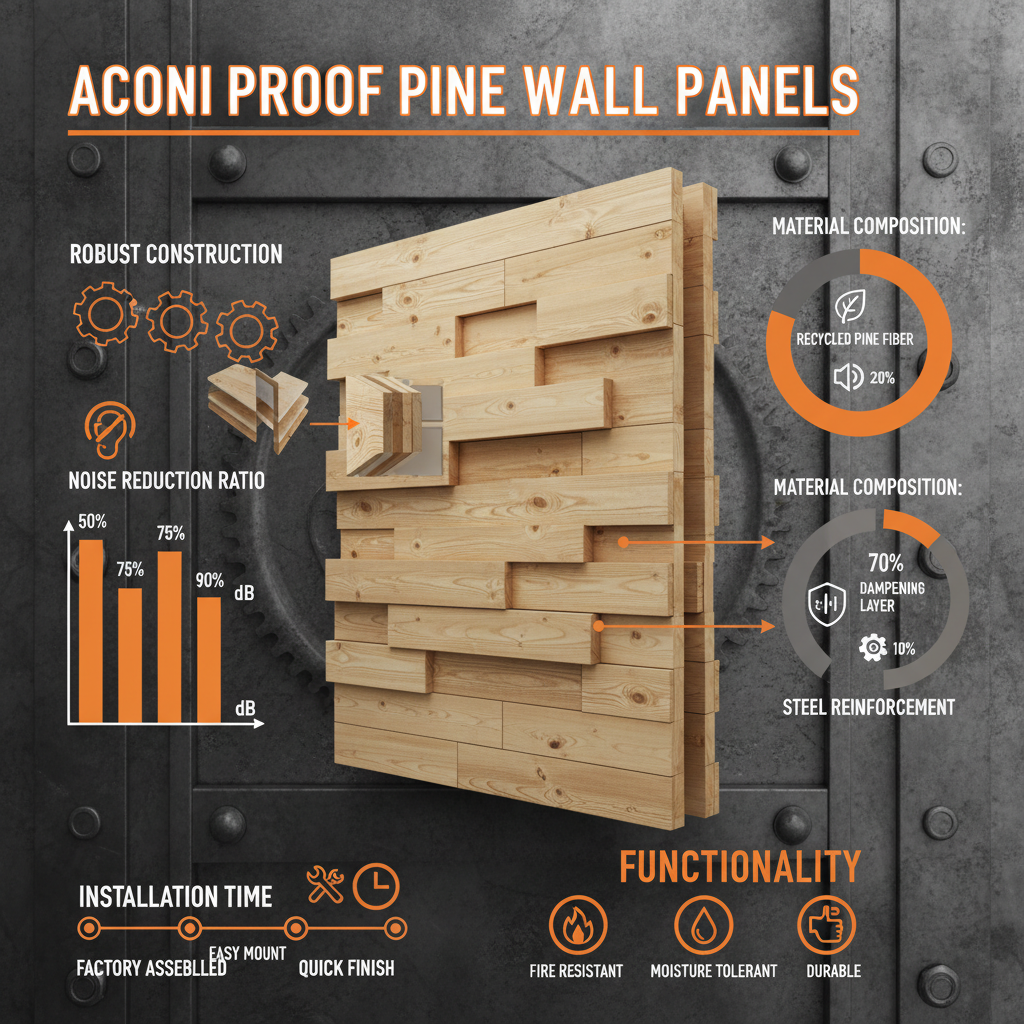
Installing pine wall panelling is a manageable DIY project for many homeowners. Begin by preparing the wall surface – ensure it’s clean, dry, and level. Measure and cut the panelling to the appropriate size, using a saw and safety glasses. Attach the panelling to the wall studs using nails or screws. For a seamless look, use wood filler to cover any gaps or imperfections. Finally, sand the surface smooth and apply a finish, such as paint, stain, or varnish, to protect the wood and enhance its beauty. Proper finishing not only enhances the aesthetic appeal but also prolongs the life of the panelling.
Maintaining Your Pine Wood Wall Panelling
Pine wood panelling is relatively low-maintenance. Regular dusting with a soft cloth is usually sufficient to keep it clean. For more stubborn dirt or stains, use a mild soap and water solution. Avoid harsh chemicals or abrasive cleaners, as these can damage the wood finish. Periodically inspect the panelling for any signs of damage, such as loose boards or cracks. Addressing these issues promptly will help prevent further deterioration. With proper care, your pine wood wall panelling will maintain its beauty for years to come. Explore the quality panelling options available at Ytakupanel.
Conclusion: Embrace the Timeless Appeal of Pine
Pine wood wall panelling offers a beautiful and affordable way to enhance the aesthetic of any space. Its versatility, ease of installation, and natural warmth make it a popular choice for homeowners and designers alike. By considering the various styles, finishes, and maintenance tips outlined in this article, you can create a stunning and long-lasting wall panelling project. Ytakupanel provides high-quality pine panelling solutions to help you achieve your design vision.
Frequently Asked Questions (FAQs)
Is pine wood panelling suitable for high-humidity areas like bathrooms?
While pine isn’t naturally as moisture-resistant as cedar or redwood, it can be used in bathrooms with proper sealing. Applying a waterproof sealant or varnish is crucial to prevent water damage and mold growth. Ensure the bathroom is well-ventilated to minimize humidity levels. Consider using pine panelling in areas less prone to direct water exposure, such as above the bathtub or on walls away from the shower. Regular inspection and re-application of sealant will help maintain the panelling’s integrity.
What type of finish is best for pine wood panelling?
The best finish depends on your desired aesthetic and the level of protection you need. Polyurethane provides a durable, water-resistant finish, ideal for high-traffic areas. Varnish offers a similar level of protection but can impart a warmer tone. Paint allows for customization and can be easily cleaned. Stain enhances the natural wood grain while providing some protection. Always apply a primer before painting or staining to ensure proper adhesion and a uniform finish. Consider using a low-VOC (volatile organic compound) finish for better air quality.
How do I prevent dents and scratches on my pine panelling?
Pine is a relatively soft wood, so it’s susceptible to dents and scratches. Avoid placing heavy objects against the panelling. Use furniture pads under legs to prevent scratches. Regularly dust the panelling with a soft cloth. For minor scratches, you can use a wood touch-up marker or wax stick to conceal them. Applying a durable finish, such as polyurethane, will provide some protection against wear and tear. Proper maintenance and gentle handling will help preserve the beauty of your pine panelling.
What is the best way to cut pine wood panelling?
A fine-toothed saw is best for cutting pine wood panelling to avoid splintering. A miter saw is ideal for making precise angled cuts, while a circular saw can be used for straight cuts. Always use safety glasses and a dust mask when cutting wood. Measure carefully and mark your cuts accurately. Support the panelling properly during cutting to prevent it from bending or breaking. For intricate cuts, a jigsaw can be helpful. Remember to sand any rough edges after cutting.
-
Ultimate Guide to Durable and Stylish pvc wood effect claddingNewsApr.16,2026
-
Ultimate Guide to Durable and Stylish PVC Wood CladdingNewsApr.09,2026
-
Discover the Beauty and Durability of PVC Wall Panels Wood Effect SolutionsNewsApr.07,2026
-
Enhance Your Space with Durable PVC Wall Panels Wood SolutionsNewsApr.04,2026
-
Explore the Beauty and Benefits of Pine Wood Wall Panelling for Your HomeNewsMar.31,2026
-
Enhance Your Interiors with the Natural Beauty of Pine Wood Wall CladdingNewsMar.28,2026
 Afrikaans
 Albanian
 Amharic
 Arabic
 Armenian
 Azerbaijani
 Basque
 Belarusian
 Bengali
 Bosnian
 Bulgarian
 Catalan
 Cebuano
 Corsican
 Croatian
 Czech
Czech
 Danish
 Dutch
Dutch
 Esperanto
 Estonian
 Finnish
 French
 Frisian
 Galician
 Georgian
 German
 Greek
Greek
 Gujarati
 Haitian Creole
 Hausa
Hausa
 Hawaiian
 Hebrew
 Hindi
Hindi
 Miao
Miao
 Hungarian
 Icelandic
 Igbo
Igbo
 Indonesian
 Irish
Irish
 Italian
 Japanese
 Javanese
 Kannada
 Kazakh
 Khmer
Khmer
 Rwandese
 Korean
 Kurdish
 Kyrgyz
 Lao
Lao
 Latin
Latin
 Latvian
 Lithuanian
 Luxembourgish
 Macedonian
 Malgashi
 Malay
Malay
 Malayalam
 Maltese
 Maori
Maori
 Marathi
 Mongolian
 Myanmar
 Nepali
 Norwegian
 Norwegian
 Occitan
 Pashto
 Persian
 Polish
 Portuguese
 Punjabi
 Romanian
 Russian
 Samoan
 Scottish Gaelic
 Serbian
 Sesotho
 Shona
Shona
 Sindhi
 Sinhala
 Slovak
 Slovenian
 Somali
 Spanish
 Sundanese
 Swahili
 Swedish
 Tagalog
 Tajik
Tajik
 Tamil
Tamil
 Tatar
Tatar
 Telugu
 Thai
Thai
 Turkish
 Turkmen
 Ukrainian
 Urdu
Urdu
 Uighur
 Uzbek
Uzbek
 Vietnamese
 Welsh
Welsh
 Bantu
Bantu
 Yiddish
 Yoruba
 Zulu
Zulu
 English


