
Lap Wood Cladding: A Comprehensive Guide
Lap wood cladding is a classic and popular choice for exterior building finishes, offering a blend of aesthetic appeal and protective functionality. This article delves into the benefits, installation, maintenance, and cost considerations of lap wood cladding, providing a detailed overview for homeowners, builders, and architects. Understanding the nuances of this cladding option will ensure a beautiful, durable, and cost-effective exterior for your project. It’s an excellent way to enhance curb appeal and protect your structure from the elements.
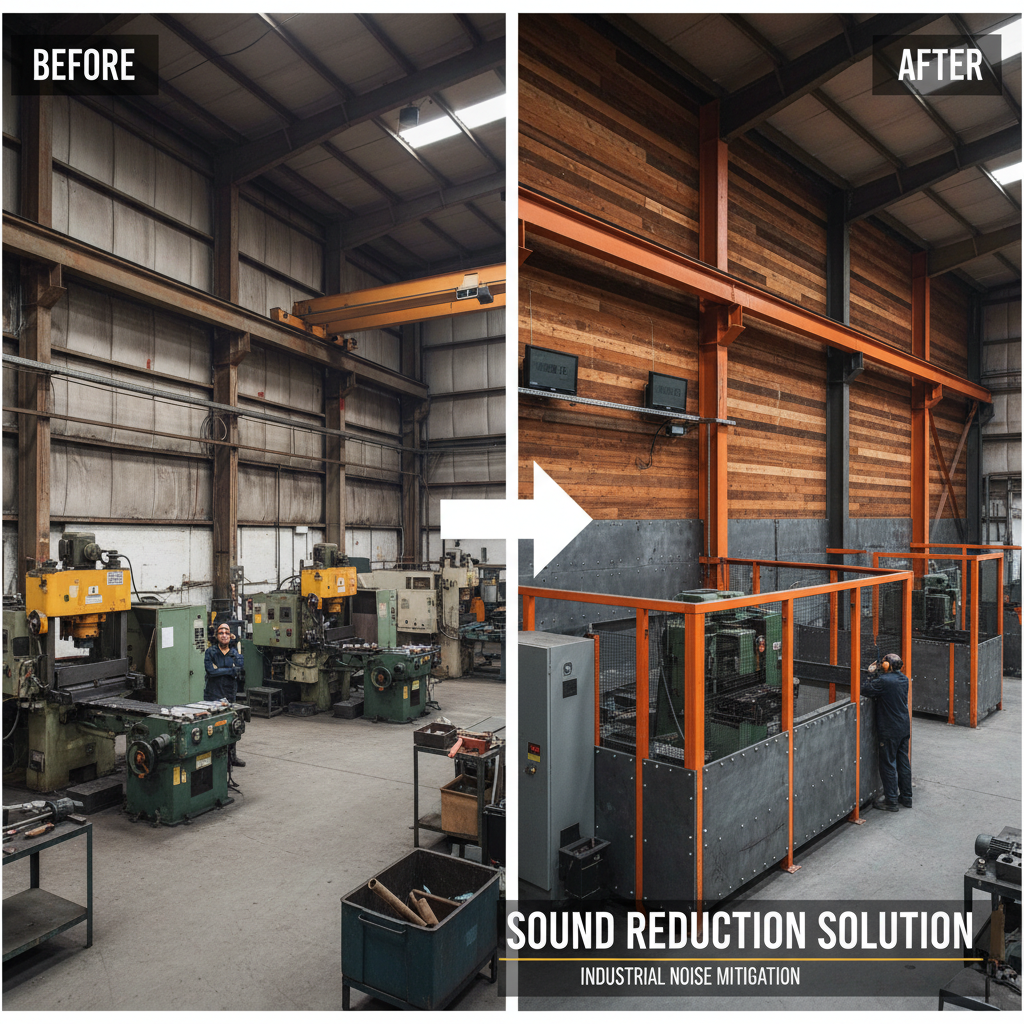
What is Lap Wood Cladding?
Lap wood cladding, also known as overlap cladding, consists of horizontal boards that overlap each other, creating a weatherproof barrier. Each board is typically around 150mm to 200mm wide, with the overlapping portion designed to shed water effectively. Traditionally made from softwood like pine or cedar, lap cladding is now also available in hardwoods and even engineered wood products. This overlapping design prevents water from penetrating the wall cavity, protecting the underlying structure from rot and damage. The simplicity of the installation process contributes to its enduring popularity.
Benefits of Choosing Lap Wood Cladding
Lap wood cladding offers numerous advantages. It’s relatively inexpensive compared to other cladding options, making it a budget-friendly choice. Its natural aesthetic enhances the beauty of any building, and it can be easily painted or stained to match any color scheme. The overlapping design provides excellent weather protection, while its ease of installation reduces labor costs. Furthermore, wood is a sustainable and renewable resource, aligning with environmentally conscious building practices. Explore the diverse range of wood cladding options available at YTAKUPANEL.
Key Highlights: Relatively inexpensive, enhances building aesthetics, provides excellent weather protection, easy to install, and sustainable material.
Lap Wood Cladding: Materials & Costs
Several wood types can be used for lap cladding, each with its own properties and price point. Softwoods like pine are the most affordable, while hardwoods like cedar and oak offer superior durability and resistance to decay. Engineered wood products, like treated softwood or composite materials, provide a balance of cost and performance. Below is a cost comparison:
Installation Considerations for Lap Wood Cladding
Proper installation is vital for the longevity and performance of lap wood cladding. A breathable membrane should be installed between the cladding and the wall structure to allow moisture to escape. Boards should be fixed securely with corrosion-resistant nails or screws, ensuring sufficient overlap to prevent water ingress. Correct spacing between boards is also crucial for allowing for expansion and contraction due to temperature fluctuations. Consider professional installation for optimal results, especially for larger projects.
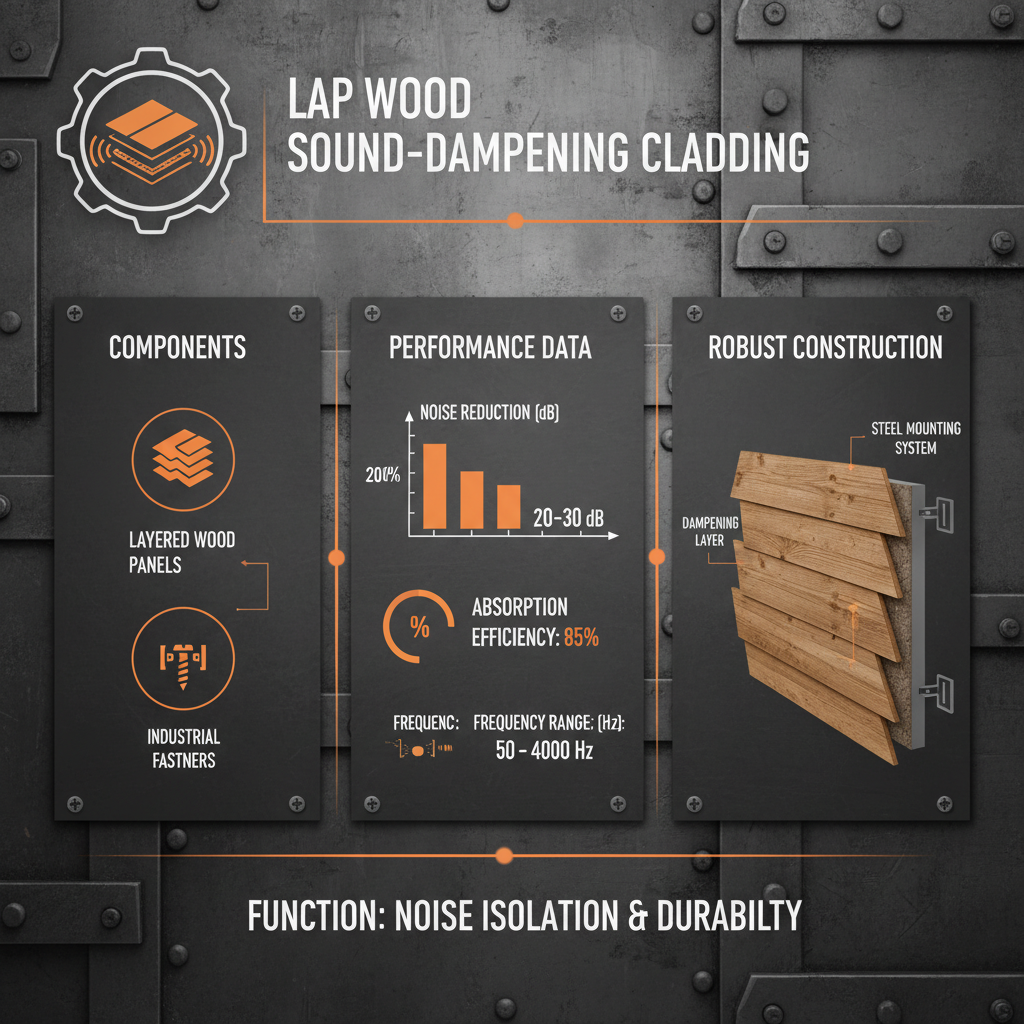
Maintaining Your Lap Wood Cladding
Regular maintenance is essential to keep lap wood cladding looking its best and to prevent premature deterioration. This includes periodic cleaning with a mild detergent and water to remove dirt and algae. Annual inspections for cracks, loose boards, or signs of rot are crucial. Repainting or re-staining every 5-10 years will protect the wood from the elements and maintain its aesthetic appeal. Address any issues promptly to prevent costly repairs down the line. YTAKUPANEL offers advice on cladding maintenance.
Conclusion: A Timeless and Protective Cladding Solution
Lap wood cladding remains a popular and effective choice for exterior building finishes. Its combination of affordability, aesthetic appeal, and weather protection makes it a versatile option for a wide range of projects. By choosing the right materials, ensuring proper installation, and implementing a regular maintenance schedule, you can enjoy the benefits of lap wood cladding for years to come. Discover high-quality lap wood cladding solutions at YTAKUPANEL.
Frequently Asked Questions (FAQs)
What is the best way to prepare wood for painting or staining?
Proper preparation is key for a long-lasting finish. Start by cleaning the wood with a mild detergent and water to remove dirt and grime. Allow the wood to dry completely before sanding it smooth to create a uniform surface. Fill any holes or imperfections with wood filler, and sand again once dry. Finally, apply a primer before painting or staining to ensure better adhesion and durability. Following these steps will result in a professional-looking finish that will withstand the elements.
How often should lap wood cladding be inspected for damage?
It's recommended to inspect lap wood cladding at least once a year, preferably in the spring and fall. Look for signs of cracking, warping, rot, or loose boards. Check the sealant around windows and doors for any gaps or damage. Address any issues promptly to prevent them from worsening and causing more extensive damage. Regular inspections can significantly extend the life of your cladding and save you money on repairs.
Is lap wood cladding suitable for all climates?
Lap wood cladding can be suitable for various climates, but the choice of wood is crucial. In humid climates, cedar or treated softwood is recommended due to their natural resistance to rot and decay. In colder climates, hardwoods like oak or engineered wood products may be more suitable due to their durability and resistance to freezing temperatures. Proper installation and maintenance are also essential to ensure the cladding performs well in any climate.
What are the fire resistance properties of lap wood cladding?
Wood is naturally combustible, so lap wood cladding has limited fire resistance. However, treatments can improve its fire performance. Fire-retardant coatings can be applied to the wood to slow down the spread of flames. Choosing a wood species with natural fire-resistant properties, like cedar, can also help. It's important to comply with local building codes and fire safety regulations when using wood cladding.
-
Ultimate Guide to Durable and Stylish pvc wood effect claddingNewsApr.16,2026
-
Ultimate Guide to Durable and Stylish PVC Wood CladdingNewsApr.09,2026
-
Discover the Beauty and Durability of PVC Wall Panels Wood Effect SolutionsNewsApr.07,2026
-
Enhance Your Space with Durable PVC Wall Panels Wood SolutionsNewsApr.04,2026
-
Explore the Beauty and Benefits of Pine Wood Wall Panelling for Your HomeNewsMar.31,2026
-
Enhance Your Interiors with the Natural Beauty of Pine Wood Wall CladdingNewsMar.28,2026
 Afrikaans
 Albanian
 Amharic
 Arabic
 Armenian
 Azerbaijani
 Basque
 Belarusian
 Bengali
 Bosnian
 Bulgarian
 Catalan
 Cebuano
 Corsican
 Croatian
 Czech
Czech
 Danish
 Dutch
Dutch
 Esperanto
 Estonian
 Finnish
 French
 Frisian
 Galician
 Georgian
 German
 Greek
Greek
 Gujarati
 Haitian Creole
 Hausa
Hausa
 Hawaiian
 Hebrew
 Hindi
Hindi
 Miao
Miao
 Hungarian
 Icelandic
 Igbo
Igbo
 Indonesian
 Irish
Irish
 Italian
 Japanese
 Javanese
 Kannada
 Kazakh
 Khmer
Khmer
 Rwandese
 Korean
 Kurdish
 Kyrgyz
 Lao
Lao
 Latin
Latin
 Latvian
 Lithuanian
 Luxembourgish
 Macedonian
 Malgashi
 Malay
Malay
 Malayalam
 Maltese
 Maori
Maori
 Marathi
 Mongolian
 Myanmar
 Nepali
 Norwegian
 Norwegian
 Occitan
 Pashto
 Persian
 Polish
 Portuguese
 Punjabi
 Romanian
 Russian
 Samoan
 Scottish Gaelic
 Serbian
 Sesotho
 Shona
Shona
 Sindhi
 Sinhala
 Slovak
 Slovenian
 Somali
 Spanish
 Sundanese
 Swahili
 Swedish
 Tagalog
 Tajik
Tajik
 Tamil
Tamil
 Tatar
Tatar
 Telugu
 Thai
Thai
 Turkish
 Turkmen
 Ukrainian
 Urdu
Urdu
 Uighur
 Uzbek
Uzbek
 Vietnamese
 Welsh
Welsh
 Bantu
Bantu
 Yiddish
 Yoruba
 Zulu
Zulu
 English


