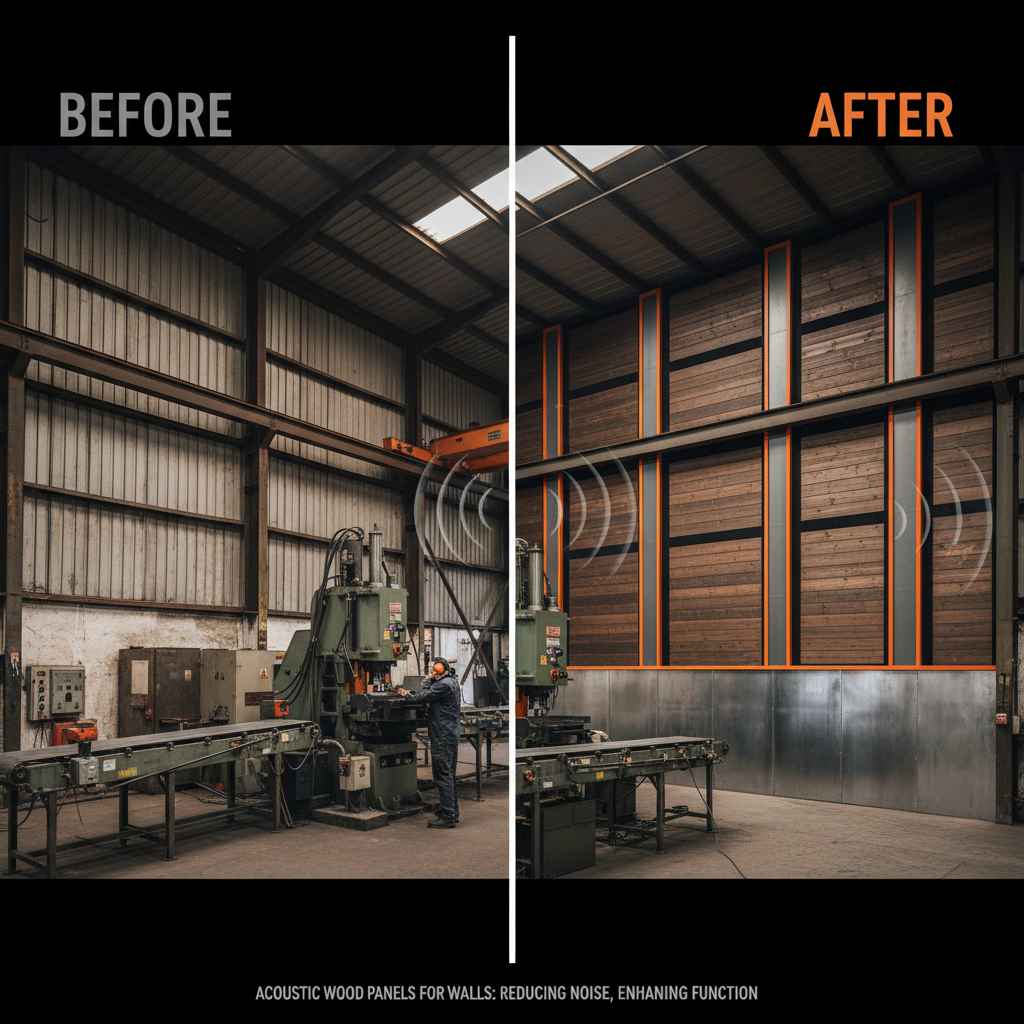
Soundproof wood panels are increasingly recognized as a vital solution for noise control in a variety of settings, from bustling urban environments to sensitive industrial facilities. Their ability to effectively reduce sound transmission, coupled with the inherent aesthetic appeal and sustainable characteristics of wood, makes them a compelling alternative to traditional soundproofing materials. Understanding the properties and applications of these panels is crucial for architects, engineers, and anyone seeking to create quieter, more productive, and more comfortable spaces.
The global demand for effective noise reduction strategies is driven by several factors, including increasing urbanization, stricter environmental regulations, and a growing awareness of the detrimental effects of noise pollution on human health and well-being. Soundproof wood panels address these challenges directly, offering a versatile and environmentally responsible approach to sound mitigation. Their application spans a wide range of industries, impacting everything from the quality of life in residential buildings to the efficiency of workplaces.
Investing in soundproof wood panels isn’t just about minimizing noise; it's about enhancing the overall environment. Improved concentration in offices, peaceful homes, enhanced audio experiences in recording studios – the benefits are far-reaching. Choosing the right panel system, understanding its installation, and recognizing its long-term value are key to maximizing these advantages. We’ll explore these aspects in detail, providing a comprehensive overview of this important technology.
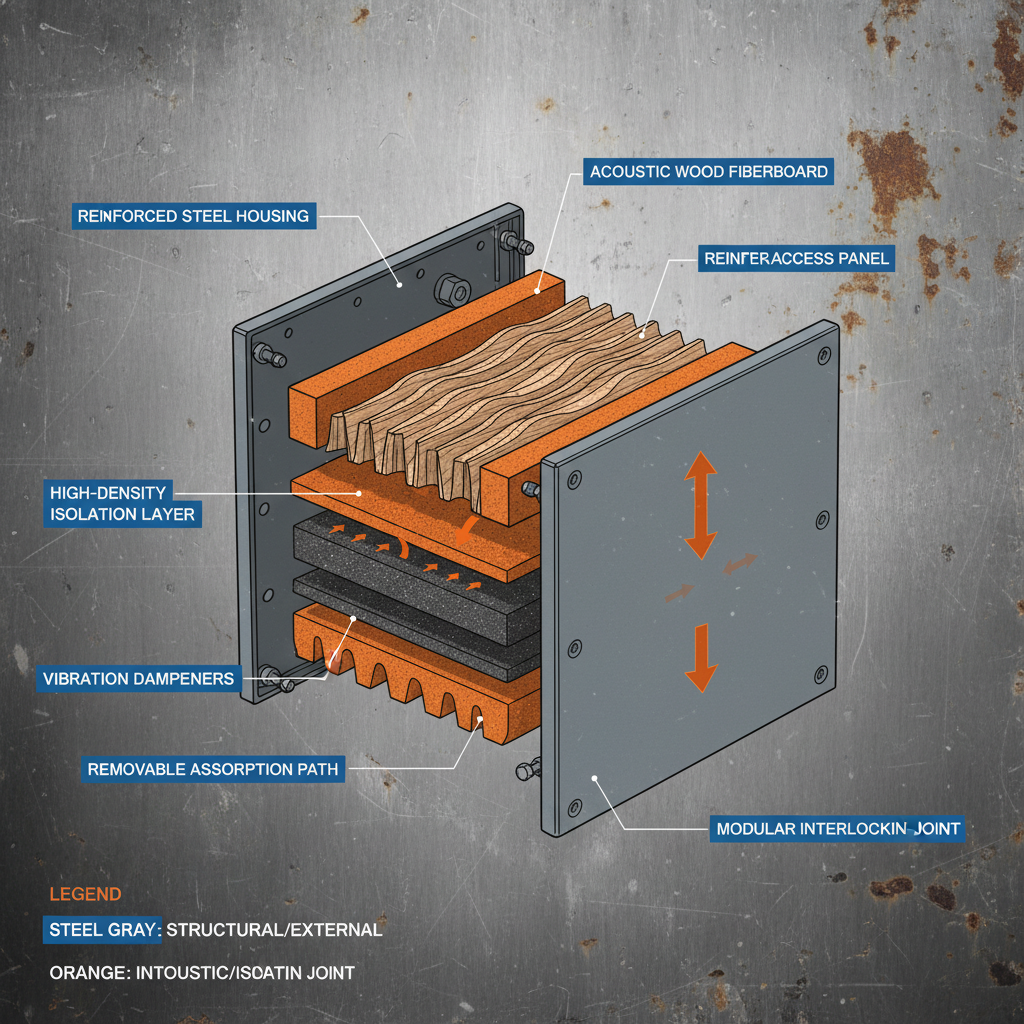
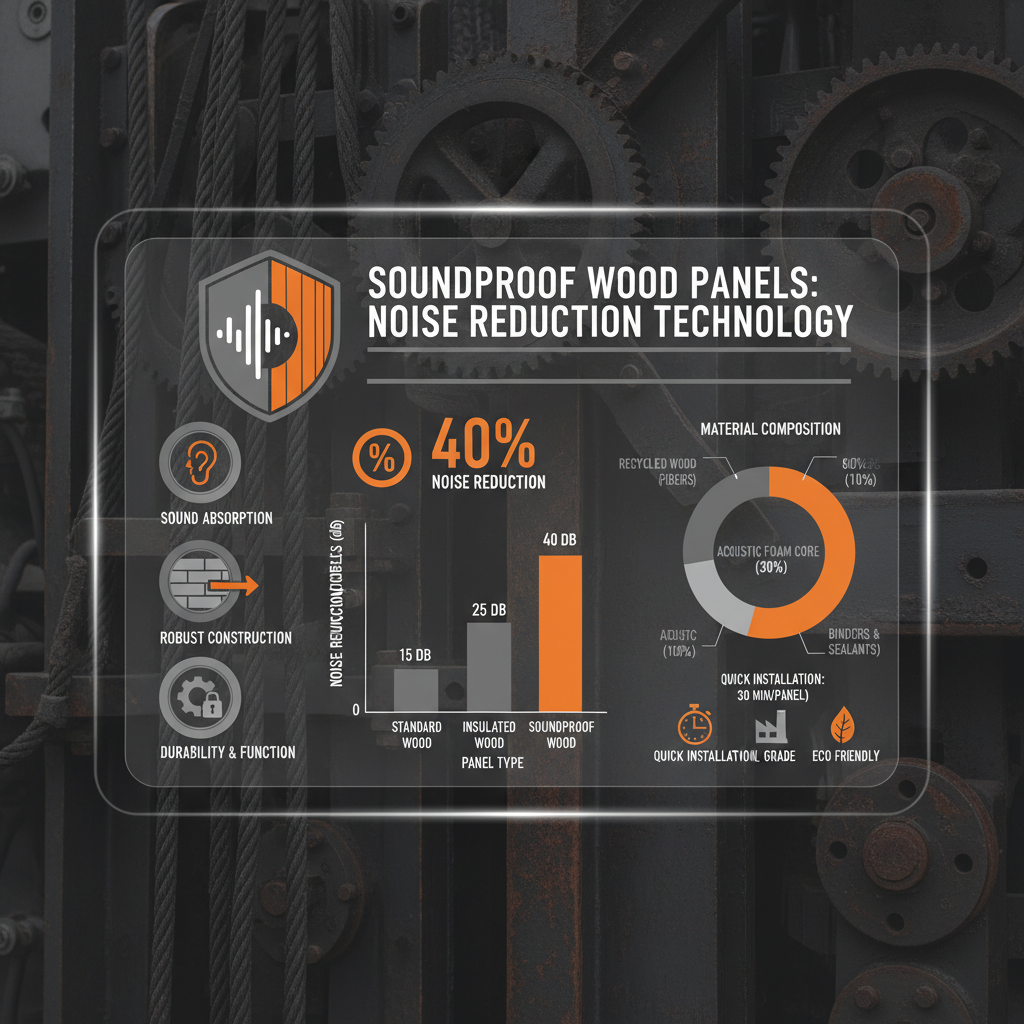
Soundproof wood panels represent a sophisticated approach to noise reduction, differing significantly from traditional materials like concrete or fiberglass. They are engineered using various wood types and construction techniques, incorporating layers and materials designed to absorb and block sound waves. This creates a harmonious blend of acoustic performance and aesthetic appeal, making them suitable for a broad spectrum of applications.
The effectiveness of these panels stems from a combination of factors including density, material composition, and the presence of air gaps within the panel structure. Different types of soundproof wood panels are available, each offering unique performance characteristics to meet specific needs. Careful consideration of these factors is crucial when selecting the appropriate panels for a given project.
The Sound Transmission Class (STC) rating is a numerical measure of a material's ability to block sound. A higher STC rating indicates better soundproofing performance. When selecting soundproof wood panels, consider the STC rating in relation to the specific noise reduction requirements of the space. For example, a home theater might require a higher STC rating than a typical office.
While soundproof wood panels are highly effective for interior soundproofing, their suitability for exterior walls depends on climate conditions and building design. They may require additional weatherproofing and moisture protection. It's essential to consult with a qualified architect or engineer to ensure proper installation and long-term performance when used externally.
Proper installation is crucial for achieving optimal soundproofing performance. Ensure that the panels are securely fastened to the wall or ceiling, and that all gaps and cracks are sealed with acoustic sealant. Avoid rigid connections that can transmit sound vibrations. Follow the manufacturer’s installation instructions carefully, or consult with a professional installer.
With proper installation and maintenance, soundproof wood panels can last for decades. The lifespan depends on the quality of materials, the environmental conditions, and the level of usage. Regular inspection and cleaning can help prolong their life. It's recommended to check for any damage or wear and tear periodically.
Yes, soundproof wood panels can be a sustainable choice. Wood is a renewable resource, and many manufacturers utilize sustainably harvested timber. Furthermore, they can reduce the need for energy-intensive cooling systems by mitigating noise pollution and improving indoor comfort. Look for panels certified by organizations promoting responsible forestry practices.
Generally, yes, you can paint or finish soundproof wood panels, but it's crucial to use products that are compatible with the panel material and won't compromise their acoustic performance. Avoid heavy coatings that could add weight and reduce sound absorption. Check with the manufacturer for specific recommendations regarding paints, stains, and sealants.
Soundproof wood panels represent a powerful and versatile solution for addressing the global challenge of noise pollution. Their blend of acoustic performance, aesthetic appeal, and sustainability makes them an increasingly attractive choice for a wide range of applications, from residential buildings to industrial facilities. Understanding the key factors influencing their effectiveness, and staying abreast of emerging trends and innovations, is crucial for maximizing their benefits.
As awareness of the health and productivity impacts of noise continues to grow, the demand for effective soundproofing solutions will only increase. Investing in soundproof wood panels is not merely about reducing noise; it’s about creating quieter, healthier, and more productive environments for everyone. We encourage you to explore the possibilities and discover how these panels can transform your spaces.

 Afrikaans
 Albanian
 Amharic
 Arabic
 Armenian
 Azerbaijani
 Basque
 Belarusian
 Bengali
 Bosnian
 Bulgarian
 Catalan
 Cebuano
 Corsican
 Croatian
 Czech
Czech
 Danish
 Dutch
Dutch
 Esperanto
 Estonian
 Finnish
 French
 Frisian
 Galician
 Georgian
 German
 Greek
Greek
 Gujarati
 Haitian Creole
 Hausa
Hausa
 Hawaiian
 Hebrew
 Hindi
Hindi
 Miao
Miao
 Hungarian
 Icelandic
 Igbo
Igbo
 Indonesian
 Irish
Irish
 Italian
 Japanese
 Javanese
 Kannada
 Kazakh
 Khmer
Khmer
 Rwandese
 Korean
 Kurdish
 Kyrgyz
 Lao
Lao
 Latin
Latin
 Latvian
 Lithuanian
 Luxembourgish
 Macedonian
 Malgashi
 Malay
Malay
 Malayalam
 Maltese
 Maori
Maori
 Marathi
 Mongolian
 Myanmar
 Nepali
 Norwegian
 Norwegian
 Occitan
 Pashto
 Persian
 Polish
 Portuguese
 Punjabi
 Romanian
 Russian
 Samoan
 Scottish Gaelic
 Serbian
 Sesotho
 Shona
Shona
 Sindhi
 Sinhala
 Slovak
 Slovenian
 Somali
 Spanish
 Sundanese
 Swahili
 Swedish
 Tagalog
 Tajik
Tajik
 Tamil
Tamil
 Tatar
Tatar
 Telugu
 Thai
Thai
 Turkish
 Turkmen
 Ukrainian
 Urdu
Urdu
 Uighur
 Uzbek
Uzbek
 Vietnamese
 Welsh
Welsh
 Bantu
Bantu
 Yiddish
 Yoruba
 Zulu
Zulu
 English