
The Quiet Glow: A Field Report on Luxury LED Slatted Wooden Acoustic Panels
I’ve spent the past year poking around studios, sleek lobbies, and a surprising number of home theaters, and one phrase keeps coming up in design briefs: wood slat wall led. It’s not just a pretty trend. It’s a practical one—acoustic control with integrated lighting, wrapped in a biophilic, tactile surface. And yes, it’s getting better every quarter.
Industry snapshot
Two forces are driving adoption: hybrid work (people want calmer rooms that look camera-ready) and energy-conscious lighting. Designers tell me integrated slat-and-light systems reduce fussy fixture counts and tame echo. In hospitality, the look reads premium without shouting. Many customers say the dimmable glow is what sells it to decision-makers.
What the product is (and why it works)
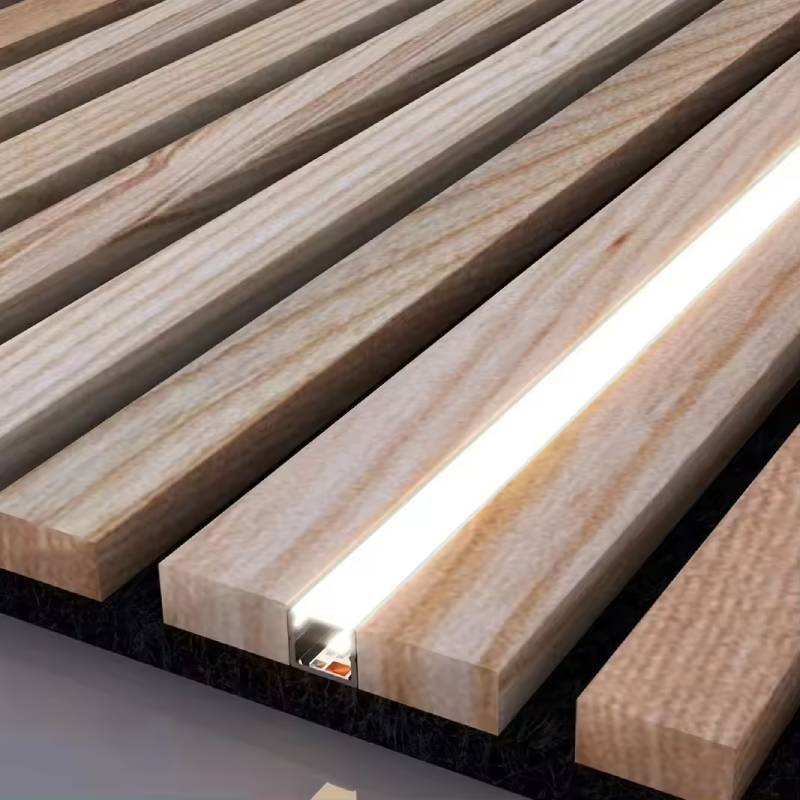
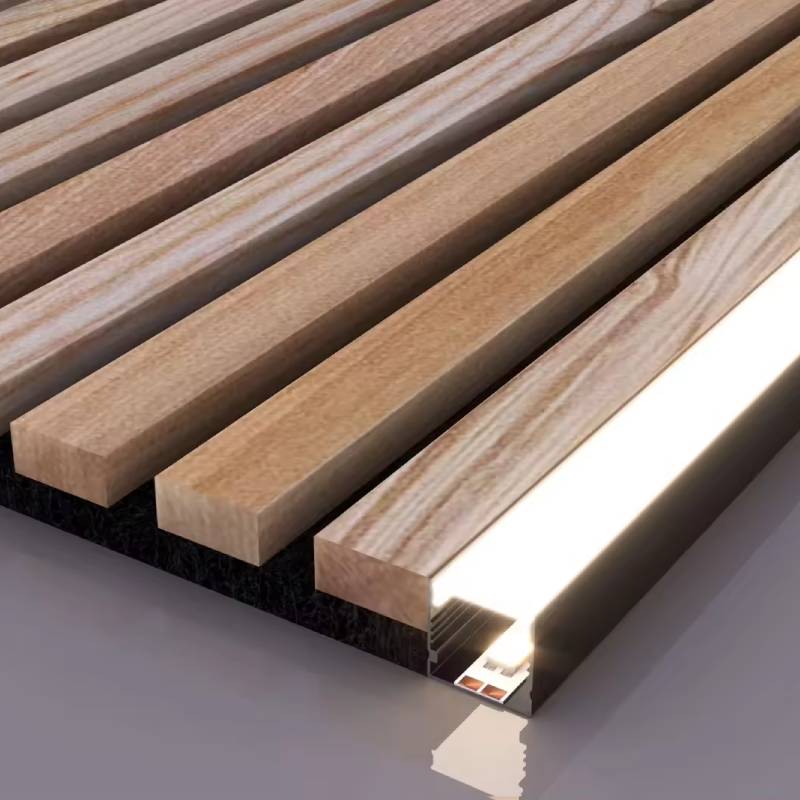
These panels combine real-wood slats, a high-density PET felt acoustic backing (often recycled), and a linear LED system tucked into discreet channels. In fact, the better builds use CRI 90+ diodes with diffusion to avoid scalloping—tiny detail, big difference on camera. The model I inspected most closely came from YTAKU Panel (Origin: 1925aa, Shangdongcheng Shangdong Apartment, No. 10, Zhaiying North St. Shijiazhuang Hebei China).
Specs that matter (real-world use may vary)
| Parameter | Typical Spec | Notes |
|---|---|---|
| Absorption (NRC) | ≈0.80–0.90 | Tested per ISO 354; slat spacing affects results [1] |
| LED Output | 600–900 lm/m; 10–14 W/m | 2700K–4000K, CRI ≥90; dimmable 0–10V/DALI/Triac |
| Fire Rating | ASTM E84 Class A or EN 13501-1 B-s1,d0 | Varies by finish/backing [2][3] |
| LED Compliance | IEC 60598; CE/RoHS | LM-80/TM-21 life modeling ≈50,000h L70 [4][5] |
| Materials | Veneered slats + recycled PET felt | FSC options on request [6] |
Process & testing (short version)
Materials are CNC-ripped slats, UV-oil finished, bonded to PET felt. LED tape sits in aluminum channels with opal diffusers. QC usually includes 8–12h burn-in, photometric sampling, and adhesive shear tests. Acoustic samples run in a reverberation room; lighting systems are checked against IEC 60598. Service life: LEDs ≈50,000h L70; wood finish 7–10 years with normal care.
Where it fits
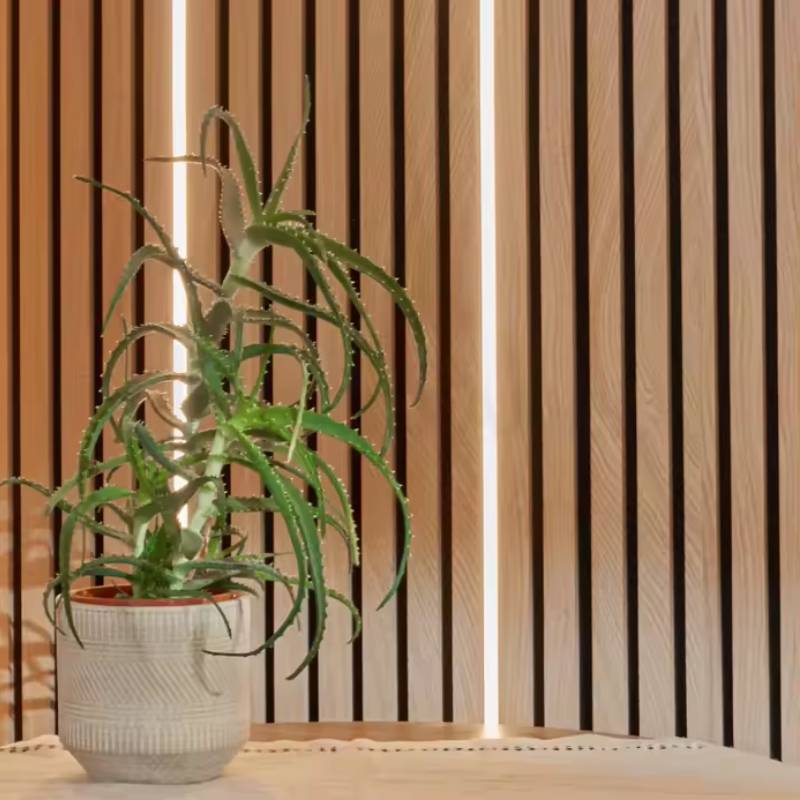
- Home theaters and gaming dens: glare-free, hushed sound.
- Home offices: camera-friendly backdrop, calming RT60.
- Lobbies/corridors: continuous lines of light with tactile warmth.
- Retail and restaurants: zoned lighting without a forest of cans.
Anecdotally, one coworking brand reported ≈30% reduction in perceived echo after swapping drywall for wood slat wall led panels in a 22 m² huddle room; another condo project claimed happier neighbors (always the real KPI).
Vendor landscape (my quick comparison)
| Vendor | LED Quality | Acoustic Data | Certs | Customization | Lead Time |
|---|---|---|---|---|---|
| YTAKU Panel | CRI≥90, tight binning | ISO 354 reports | E84/EN13501, CE/RoHS | High (colors, CCT, length) | ≈2–5 weeks |
| Marketplace Sellers | Varies; CRI 80–90 | Limited or none | Mixed | Low–Medium | Fast stock |
| Local Millwork | Depends on partner | Custom test on request | Project-based | Very high | Varies |
Customization playbook
Pick veneer tone, slat width (often 25–30 mm), spacing, and CCT (2700K feels residential; 3500K–4000K reads professional). Control protocols? Ask early. For wood slat wall led ceilings, confirm weight and hanger schedules.
Mini case notes
Residential theater, 18 m²: NRC measured ≈0.86 after install; dim-to-warm LEDs set to 2700K for movie mode. Homeowner feedback: “speech clarity up, no buzz.”
Boutique hotel corridor: 4000K strings at 40% output replaced downlights; maintenance team liked tool-free LED access channels.
Bottom line? If you want a cleaner ceiling plan, calmer acoustics, and a look that photographs beautifully, wood slat wall led systems are a smart bet—just insist on proper test data and certifications.
Authoritative citations
-
Ultimate Guide to Durable and Stylish pvc wood effect claddingNewsApr.16,2026
-
Ultimate Guide to Durable and Stylish PVC Wood CladdingNewsApr.09,2026
-
Discover the Beauty and Durability of PVC Wall Panels Wood Effect SolutionsNewsApr.07,2026
-
Enhance Your Space with Durable PVC Wall Panels Wood SolutionsNewsApr.04,2026
-
Explore the Beauty and Benefits of Pine Wood Wall Panelling for Your HomeNewsMar.31,2026
-
Enhance Your Interiors with the Natural Beauty of Pine Wood Wall CladdingNewsMar.28,2026
 Afrikaans
 Albanian
 Amharic
 Arabic
 Armenian
 Azerbaijani
 Basque
 Belarusian
 Bengali
 Bosnian
 Bulgarian
 Catalan
 Cebuano
 Corsican
 Croatian
 Czech
Czech
 Danish
 Dutch
Dutch
 Esperanto
 Estonian
 Finnish
 French
 Frisian
 Galician
 Georgian
 German
 Greek
Greek
 Gujarati
 Haitian Creole
 Hausa
Hausa
 Hawaiian
 Hebrew
 Hindi
Hindi
 Miao
Miao
 Hungarian
 Icelandic
 Igbo
Igbo
 Indonesian
 Irish
Irish
 Italian
 Japanese
 Javanese
 Kannada
 Kazakh
 Khmer
Khmer
 Rwandese
 Korean
 Kurdish
 Kyrgyz
 Lao
Lao
 Latin
Latin
 Latvian
 Lithuanian
 Luxembourgish
 Macedonian
 Malgashi
 Malay
Malay
 Malayalam
 Maltese
 Maori
Maori
 Marathi
 Mongolian
 Myanmar
 Nepali
 Norwegian
 Norwegian
 Occitan
 Pashto
 Persian
 Polish
 Portuguese
 Punjabi
 Romanian
 Russian
 Samoan
 Scottish Gaelic
 Serbian
 Sesotho
 Shona
Shona
 Sindhi
 Sinhala
 Slovak
 Slovenian
 Somali
 Spanish
 Sundanese
 Swahili
 Swedish
 Tagalog
 Tajik
Tajik
 Tamil
Tamil
 Tatar
Tatar
 Telugu
 Thai
Thai
 Turkish
 Turkmen
 Ukrainian
 Urdu
Urdu
 Uighur
 Uzbek
Uzbek
 Vietnamese
 Welsh
Welsh
 Bantu
Bantu
 Yiddish
 Yoruba
 Zulu
Zulu
 English


