



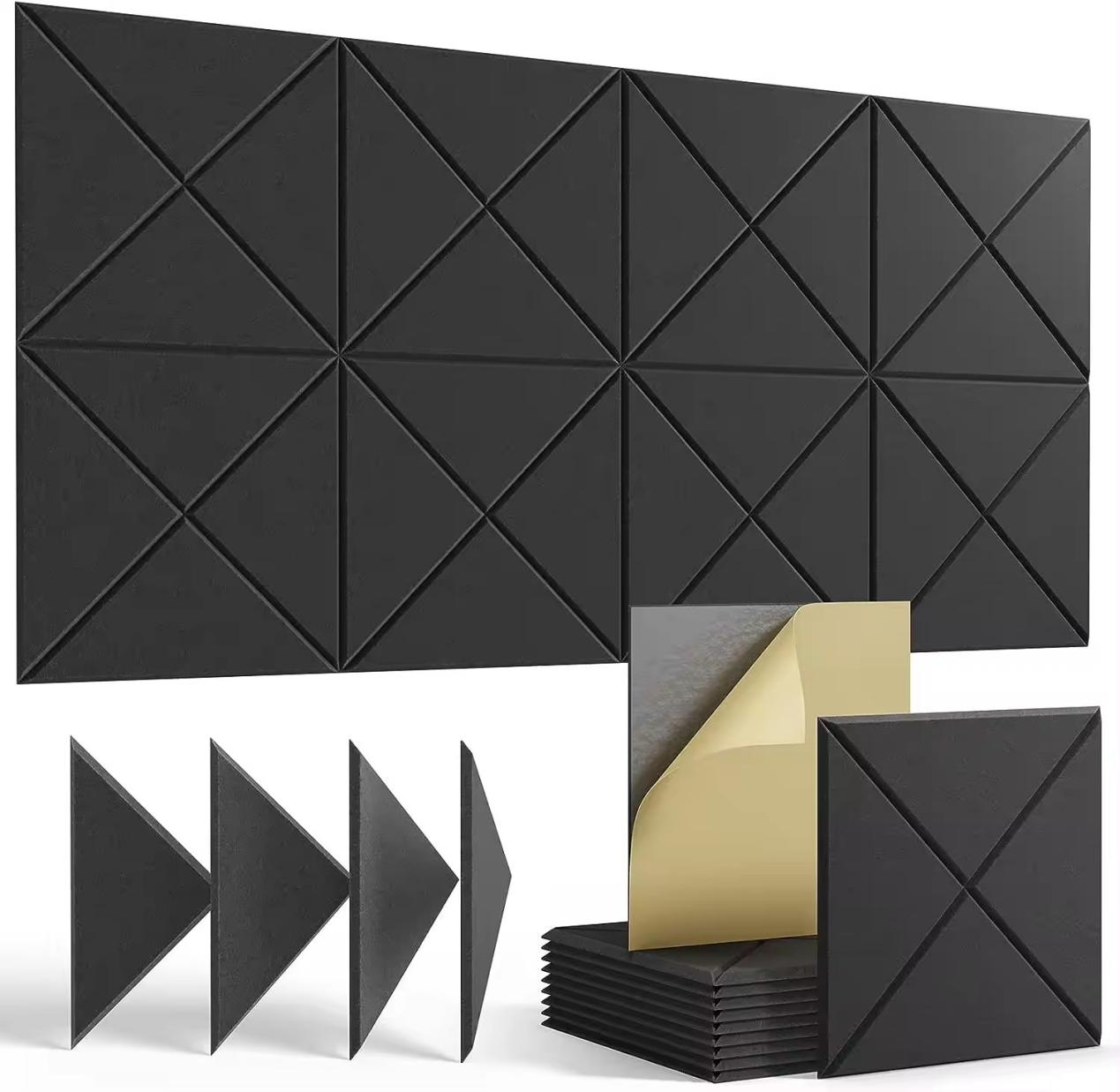
The rapid development of commercial hubs in Malaysia has led to a surge in open-concept office designs and high-density residential complexes. In these environments, reverberation and ambient noise often hinder productivity and well-being. Integrating a high-quality wood sound panel system allows developers to maintain an open aesthetic while effectively managing sound energy, ensuring that bustling urban centers remain functional and comfortable.
From a procurement perspective, Malaysian architects are increasingly prioritizing sustainable materials that can withstand tropical humidity without compromising structural integrity. The adoption of wood acoustic panels for walls provides a dual benefit: it regulates the acoustic environment and introduces natural warmth to the interior. This shift is particularly evident in the hospitality and corporate sectors, where the user experience is directly linked to the auditory quality of the space.
As the regional market evolves, the focus is shifting toward specialized installation techniques and customized specifications. By leveraging advanced manufacturing and rigorous quality control, companies can now provide solutions that meet specific decibel reduction targets. This technical upgrade ensures that modern builds in Malaysia are not just visually striking but are acoustically optimized for long-term operational efficiency.


 English
 Afrikaans
 Albanian
 Amharic
 Arabic
 Armenian
 Azerbaijani
 Basque
 Belarusian
 Bengali
 Bosnian
 Bulgarian
 Catalan
 Cebuano
 Corsican
 Croatian
 Czech
 Danish
 Dutch
 Esperanto
 Estonian
 Finnish
 French
 Frisian
 Galician
 Georgian
 German
 Greek
 Gujarati
 Haitian Creole
 Hausa
 Hawaiian
 Hebrew
 Hindi
 Miao
 Hungarian
 Icelandic
 Igbo
 Indonesian
 Irish
 Italian
 Japanese
 Javanese
 Kannada
 Kazakh
 Khmer
 Rwandese
 Korean
 Kurdish
 Kyrgyz
 Lao
 Latin
 Latvian
 Lithuanian
 Luxembourgish
 Macedonian
 Malgashi
 Malay
 Malayalam
 Maltese
 Maori
 Marathi
 Mongolian
 Myanmar
 Nepali
 Norwegian
 Norwegian
 Occitan
 Pashto
 Persian
 Polish
 Portuguese
 Punjabi
 Romanian
 Russian
 Samoan
 Scottish Gaelic
 Serbian
 Sesotho
 Shona
 Sindhi
 Sinhala
 Slovak
 Slovenian
 Somali
 Spanish
 Sundanese
 Swahili
 Swedish
 Tagalog
 Tajik
 Tamil
 Tatar
 Telugu
 Thai
 Turkish
 Turkmen
 Ukrainian
 Urdu
 Uighur
 Uzbek
 Vietnamese
 Welsh
 Bantu
 Yiddish
 Yoruba
 Zulu


