
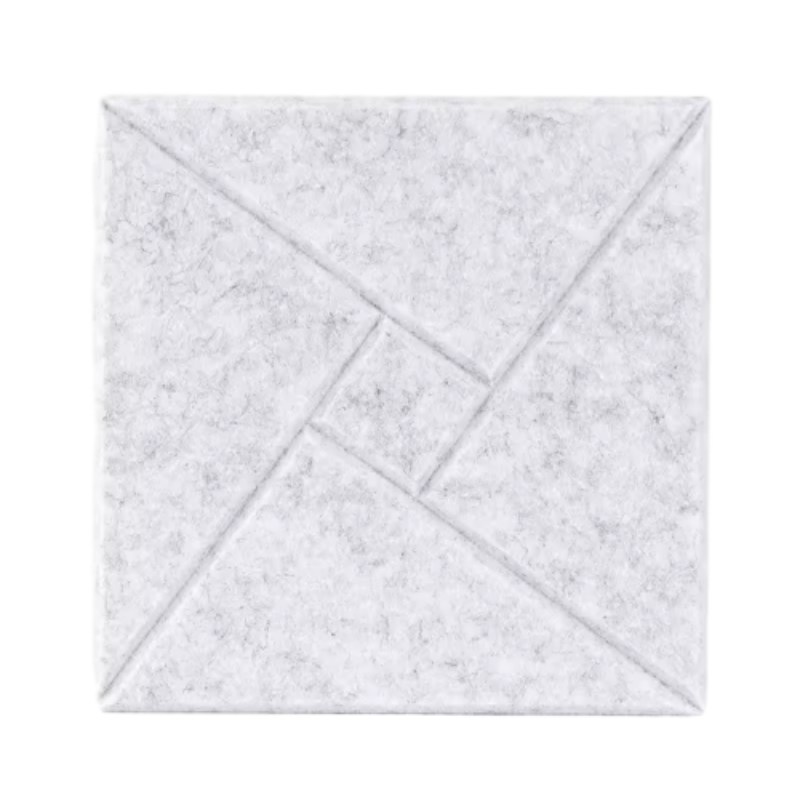
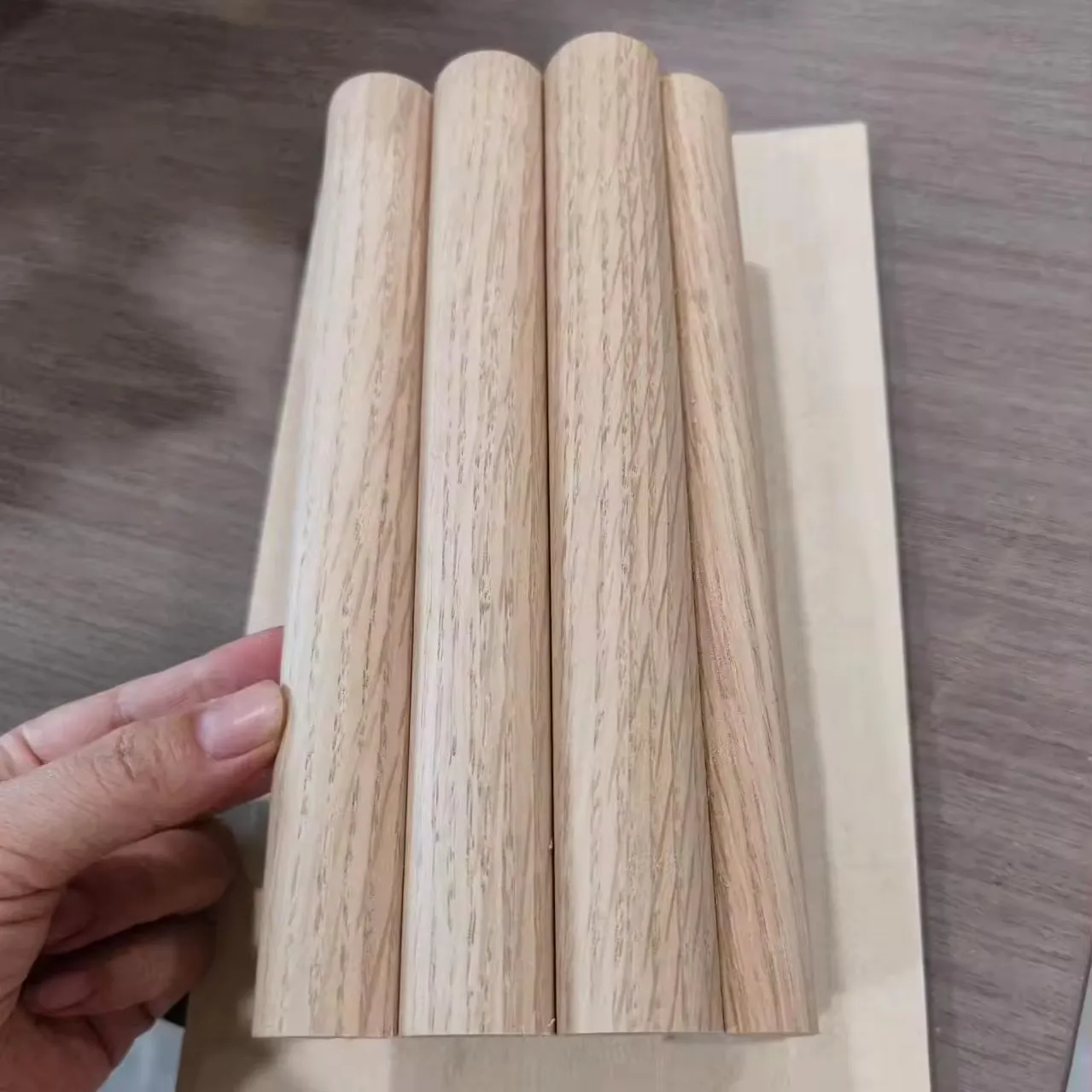

Italy's architectural landscape, characterized by a mix of historic masonry and sleek modernism, often faces significant acoustic challenges. In cities like Milan and Rome, the prevalence of hard surfaces—marble, stone, and polished concrete—creates excessive reverberation. This makes the installation of a wood sound panel essential for transforming echo-prone environments into balanced sonic spaces, ensuring that luxury and functionality coexist without compromise.
Current market demands in the region are shifting toward sustainable, bio-based materials that do not sacrifice performance. Procurement officers and architects are increasingly seeking wood acoustic panels for walls that offer both NRC (Noise Reduction Coefficient) efficiency and a minimalist visual profile. The trend toward open-plan living and co-working hubs in Italian urban centers has intensified the need for effective sound zoning using high-density acoustic cores.
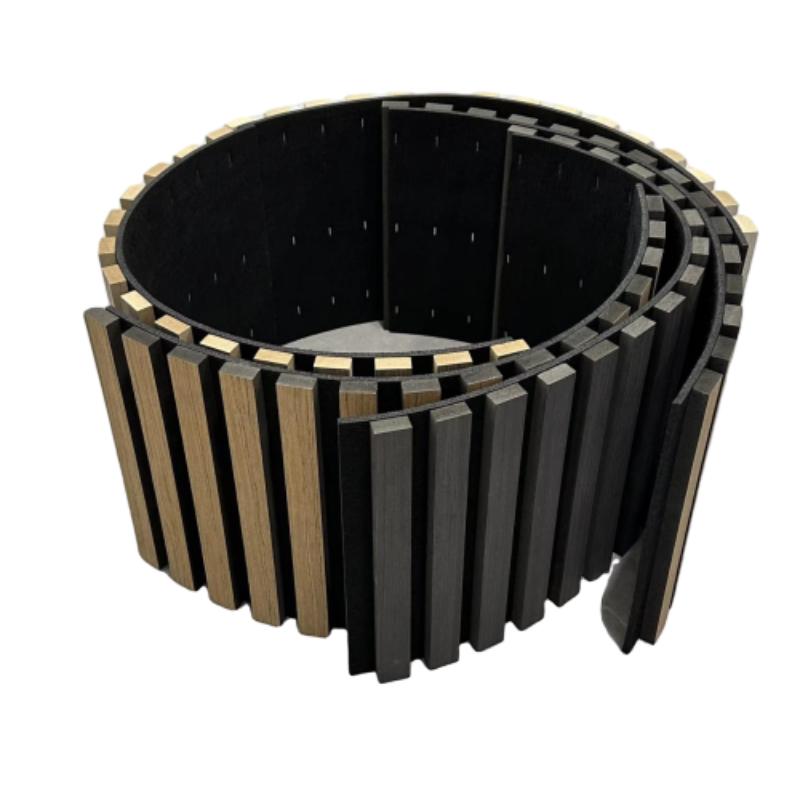
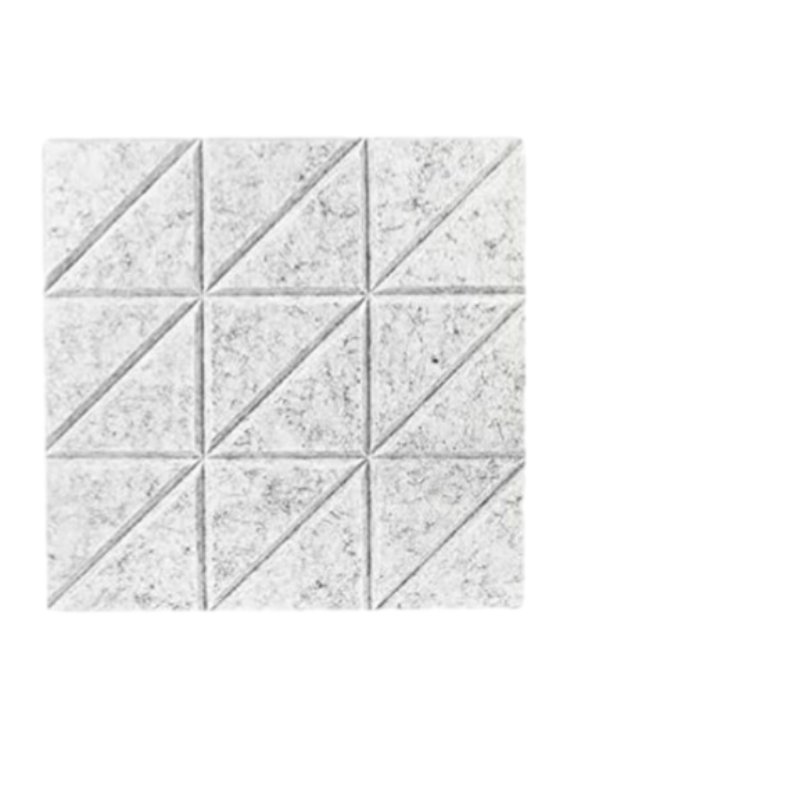
From an industry perspective, the transition toward modular installation systems is paramount. The ability to integrate a grooved acoustic panel into existing ceiling or wall structures allows for rapid deployment in renovation projects. This technological shift minimizes site disruption while maximizing the absorption of mid-to-high frequency noises, which is critical for the hospitality and high-end residential sectors across the peninsula.

 English
 Afrikaans
 Albanian
 Amharic
 Arabic
 Armenian
 Azerbaijani
 Basque
 Belarusian
 Bengali
 Bosnian
 Bulgarian
 Catalan
 Cebuano
 Corsican
 Croatian
 Czech
 Danish
 Dutch
 Esperanto
 Estonian
 Finnish
 French
 Frisian
 Galician
 Georgian
 German
 Greek
 Gujarati
 Haitian Creole
 Hausa
 Hawaiian
 Hebrew
 Hindi
 Miao
 Hungarian
 Icelandic
 Igbo
 Indonesian
 Irish
 Italian
 Japanese
 Javanese
 Kannada
 Kazakh
 Khmer
 Rwandese
 Korean
 Kurdish
 Kyrgyz
 Lao
 Latin
 Latvian
 Lithuanian
 Luxembourgish
 Macedonian
 Malgashi
 Malay
 Malayalam
 Maltese
 Maori
 Marathi
 Mongolian
 Myanmar
 Nepali
 Norwegian
 Norwegian
 Occitan
 Pashto
 Persian
 Polish
 Portuguese
 Punjabi
 Romanian
 Russian
 Samoan
 Scottish Gaelic
 Serbian
 Sesotho
 Shona
 Sindhi
 Sinhala
 Slovak
 Slovenian
 Somali
 Spanish
 Sundanese
 Swahili
 Swedish
 Tagalog
 Tajik
 Tamil
 Tatar
 Telugu
 Thai
 Turkish
 Turkmen
 Ukrainian
 Urdu
 Uighur
 Uzbek
 Vietnamese
 Welsh
 Bantu
 Yiddish
 Yoruba
 Zulu


