




The Hungarian construction market has seen a significant shift toward sustainable and high-efficiency materials, particularly within Budapest's expanding commercial and office sectors. As urban density increases, the demand for a wood sound panel has grown, not only as a decorative element but as a critical tool for managing noise pollution in open-plan layouts. The regional focus on blending modernist architecture with traditional warmth makes timber-based acoustic solutions a preferred choice for local designers.
From an engineering perspective, the requirement for wood acoustic panels for walls has evolved to prioritize NRC (Noise Reduction Coefficient) ratings alongside fire safety compliance. In Hungary's hospitality and corporate sectors, there is a clear trend toward using specialized materials that can absorb mid-to-high frequency sounds, reducing echo and improving speech intelligibility in conference rooms and luxury hotel lobbies where ambient noise often disrupts productivity.
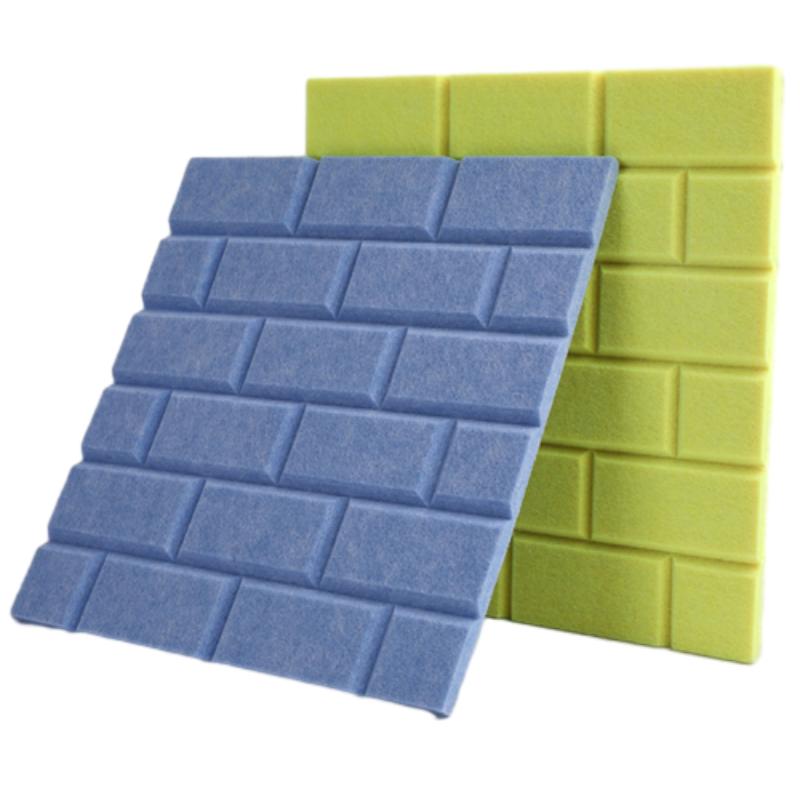
Furthermore, the adoption of a grooved acoustic panel reflects a sophisticated approach to sound diffusion. By breaking up flat surfaces, these panels prevent standing waves and flutter echoes. This technical upgrade is particularly vital for Hungary's growing number of home cinema installations and boutique recording studios, where the balance between aesthetic luxury and acoustic precision is the primary driver for procurement decisions.



 English
 Afrikaans
 Albanian
 Amharic
 Arabic
 Armenian
 Azerbaijani
 Basque
 Belarusian
 Bengali
 Bosnian
 Bulgarian
 Catalan
 Cebuano
 Corsican
 Croatian
 Czech
 Danish
 Dutch
 Esperanto
 Estonian
 Finnish
 French
 Frisian
 Galician
 Georgian
 German
 Greek
 Gujarati
 Haitian Creole
 Hausa
 Hawaiian
 Hebrew
 Hindi
 Miao
 Hungarian
 Icelandic
 Igbo
 Indonesian
 Irish
 Italian
 Japanese
 Javanese
 Kannada
 Kazakh
 Khmer
 Rwandese
 Korean
 Kurdish
 Kyrgyz
 Lao
 Latin
 Latvian
 Lithuanian
 Luxembourgish
 Macedonian
 Malgashi
 Malay
 Malayalam
 Maltese
 Maori
 Marathi
 Mongolian
 Myanmar
 Nepali
 Norwegian
 Norwegian
 Occitan
 Pashto
 Persian
 Polish
 Portuguese
 Punjabi
 Romanian
 Russian
 Samoan
 Scottish Gaelic
 Serbian
 Sesotho
 Shona
 Sindhi
 Sinhala
 Slovak
 Slovenian
 Somali
 Spanish
 Sundanese
 Swahili
 Swedish
 Tagalog
 Tajik
 Tamil
 Tatar
 Telugu
 Thai
 Turkish
 Turkmen
 Ukrainian
 Urdu
 Uighur
 Uzbek
 Vietnamese
 Welsh
 Bantu
 Yiddish
 Yoruba
 Zulu


