

High-Performance Wood Sound Panels
Precision-manufactured sound dampening solutions designed to reduce reverberation and enhance auditory clarity in professional environments.

Manufacturer Felt Multi-Colors Chew Snuffle Ball For Dogs

Geometric Easy Installation Versatility Polyester Fiber Sound-absorbing Board PVC Finish Felt Acoustic Panels for Interior Projects
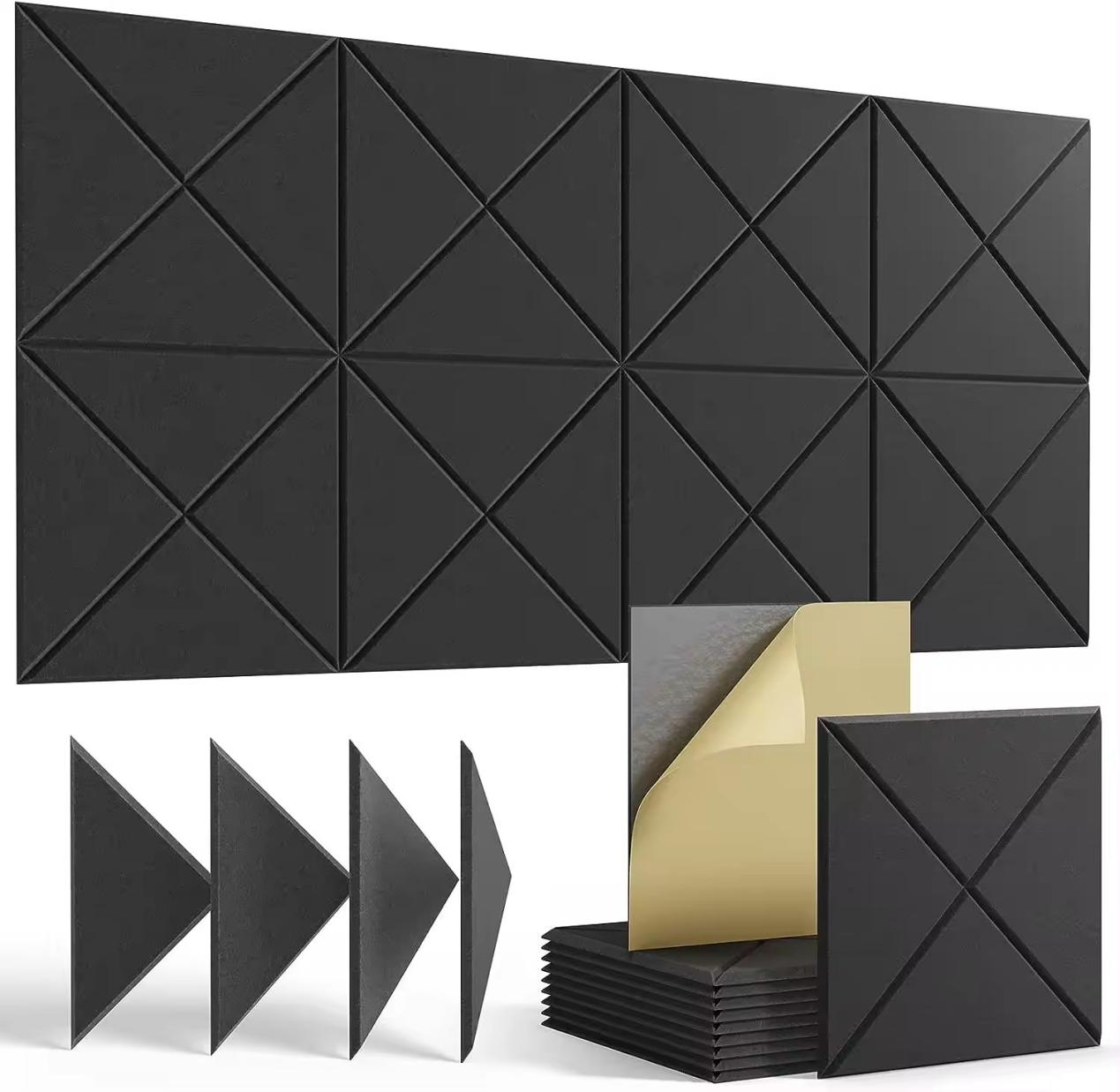
Soundproof Board Polyester Fiber Decorative Acoustic Felt Panel 3d Self Stick Acoustic Wall Panels
Acoustic Optimization Challenges in Angola
Addressing sound management in Angola's urban development
In the rapidly evolving architectural landscape of Angola, particularly in Luanda, there is an increasing demand for high-quality interior finishes. Many new commercial buildings utilize hard surfaces like glass and concrete, which create significant echo problems. Implementing a sound dampening panel system is becoming essential to ensure that meeting rooms, lobbies, and open-plan offices remain functional and professional.
The primary challenge for local developers is balancing the aesthetic desire for natural wood textures with the technical necessity of noise reduction. Traditional materials often fail to provide sufficient absorption, leading to acoustic discomfort. By integrating soundproof wood panels, businesses can achieve a luxury visual appeal while effectively managing internal sound reflections and improving privacy between workspaces.
As Angola continues to invest in its hospitality and corporate sectors, the shift toward specialized acoustic engineering is evident. There is a clear transition from basic construction to the use of precision-engineered grooved acoustic panel designs. This allows for customized absorption coefficients tailored to the specific volume and usage of each room, ensuring a win-win situation for both designers and end-users.
The Evolution of Acoustic Surface Engineering
Tracing the path from basic sound masking to professional acoustic design
Industry Evolution
Early Phase
Basic Absorption
Focus was primarily on heavy curtains and thick carpets to reduce echo in large halls.
Growth Period
Material Specialization
Introduction of polyester felt and basic foam panels for targeted sound absorption.
Modern Era
Integrated Aesthetics
Rise of composite solutions combining natural wood aesthetics with advanced core absorption.
Emerging Acoustic Trends
- Eco-Material Integration Increased use of sustainable wood sources and recyclable polyester cores to meet global green building standards.
- Custom Geometric Design Moving beyond flat panels to 3D textures and grooved patterns that optimize sound diffusion.
- Modular Installation Demand for "click-and-fit" systems that reduce labor costs and installation time in commercial projects.
Future-Proofing Interior Acoustics
Technical shifts redefining sound management and spatial design
Material Science Upgrade
Transitioning toward hybrid cores that offer higher Noise Reduction Coefficients (NRC) while maintaining a slim profile.
Aesthetic Customization
Widespread adoption of diverse wood grains and slat widths to complement modern minimalist architectural styles.
Efficiency in Deployment
The move toward pre-fabricated acoustic modules that simplify installation and reduce on-site waste during construction.
Supply Chain Resilience
Optimizing global logistics to ensure timely delivery of specialized acoustic components to emerging markets.
The future of the acoustic industry lies in the convergence of functionality and art. As urban centers in Angola expand, the demand for "silent luxury" will drive the adoption of high-end wood sound panels that serve as both architectural statements and technical tools for sound control.
From a procurement perspective, the focus is shifting toward manufacturers who can provide certified material testing (such as SGS) and ODM services to meet the unique environmental requirements of the African climate and local building codes.
Optimized Acoustic Applications in Angola
Real-world implementation of sound management solutions
1
Corporate Executive Boardrooms
Used by high-level corporate offices in Luanda to ensure speech privacy and eliminate echoes during critical negotiations, combining professional acoustics with a prestigious wood aesthetic.
2
Modern Educational Lecture Halls
Installed in universities and training centers to improve the intelligibility of the speaker's voice, reducing auditory fatigue for students and instructors in large spaces.
3
Hospitality and Boutique Hotels
Applied in hotel lobbies and corridors to dampen the noise of foot traffic and luggage, creating a serene and welcoming atmosphere for international guests.
4
Home Cinema and Media Rooms
Preferred by residential developers for luxury villas, providing a professional cinematic sound experience by controlling low-frequency resonance and high-frequency reflections.
5
Public Gallery and Exhibition Spaces
Used in art galleries to maintain a quiet, focused environment, allowing visitors to appreciate exhibits without the distraction of overlapping conversations.
Brand Story
Hebei Yiteng Import and Export Trade Co., Ltd. Global Development Journey
Founding Stage
Industrial Foundation
Established as a professional manufacturer in Shijiazhuang, leveraging the strategic location near Tianjin Port for efficient global logistics.
Expansion
Manufacturing Excellence
Developed advanced automatic production lines in Nan gong City, specializing in high-quality polyester and wood slat acoustic panels.
Quality Certification
Global Standards
Implemented a strict quality management system from raw material purchase to final testing, achieving SGS verification for international reliability.
Market Growth
Global Reach
Successfully expanded the customer base across North America, Europe, South America, and Southeast Asia through a commitment to quality.
Innovation Phase
R&D Leadership
Established a professional R&D team to provide OEM and ODM services, allowing for complete customization of styles and sizes.
Vision 2024+
Sustainable Partnerships
Focusing on long-term global cooperation with a mission to lead the felt and acoustic market through "Customer First, Quality First."
Premium Acoustic Product Portfolio
Explore our full range of customized sound-absorbing solutions for various architectural needs.

Acoustic Solution Guidance
Expert answers to common technical and procurement questions
What are the technical specifications for wood sound panel absorption?
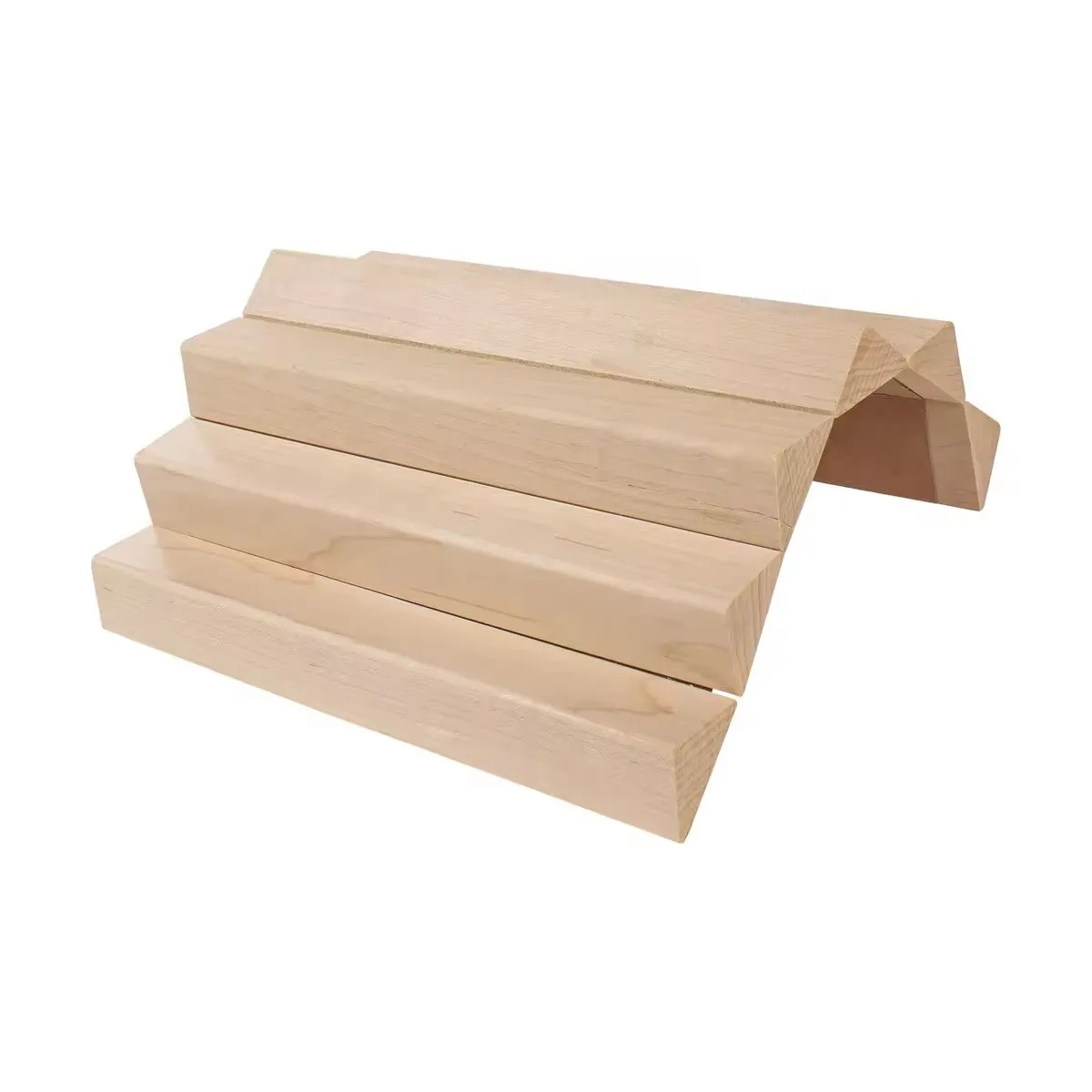
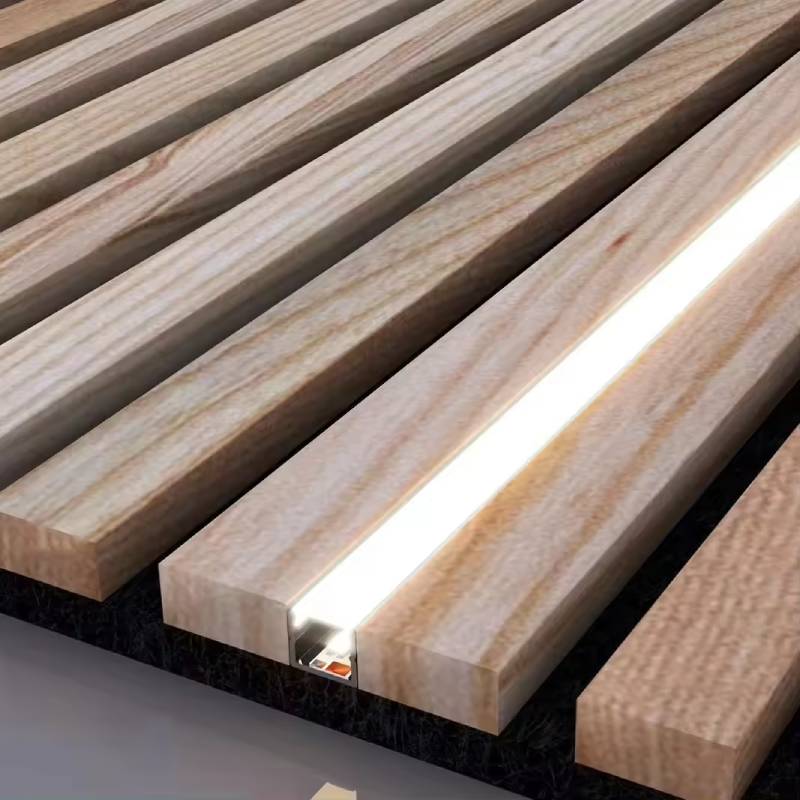
Our panels typically utilize a high-density polyester core combined with precision-cut wood slats. The absorption coefficient varies by grooved depth and slat spacing, designed to target a wide range of frequencies, and all products undergo SGS testing for quality assurance.
How are wood acoustic panels for walls installed in commercial spaces?
Installation usually involves a mounting framework or direct adhesive application depending on the wall substrate. Our modular designs allow for seamless alignment, ensuring a clean professional finish with minimal on-site cutting required.
Are soundproof wood panels durable enough for high-traffic public areas?
Yes, our panels are engineered for durability. By using high-quality surface finishes and robust core materials, they resist wear and tear common in lobbies or corridors while maintaining their acoustic properties over time.
Can I customize a grooved acoustic panel for a specific architectural project?
Absolutely. We offer comprehensive OEM and ODM services. Our professional R&D team can customize the dimensions, slat profiles, and wood finishes to align perfectly with your project's aesthetic and technical requirements.
What maintenance is required for sound dampening panels in humid climates?
Our panels are designed with stability in mind. For humid environments, we recommend ensuring proper ventilation and periodic light cleaning with a vacuum or dry cloth to prevent dust buildup in the grooves.
What is the ROI of investing in professional acoustic treatment for an office?
The return on investment is seen in increased employee productivity, reduced stress due to noise pollution, and a significant increase in the perceived value and professionalism of the corporate environment.
Elevate Your Spatial Acoustics in Angola
Partner with Hebei Yiteng to integrate world-class sound control into your next project. We provide the manufacturing precision and customized design needed to transform any environment.
Request a Technical Consultation Afrikaans
 Albanian
 Amharic
 Arabic
 Armenian
 Azerbaijani
 Basque
 Belarusian
 Bengali
 Bosnian
 Bulgarian
 Catalan
 Cebuano
 Corsican
 Croatian
 Czech
 Danish
 Dutch
 Esperanto
 Estonian
 Finnish
 French
 Frisian
 Galician
 Georgian
 German
 Greek
 Gujarati
 Haitian Creole
 Hausa
 Hawaiian
 Hebrew
 Hindi
 Miao
 Hungarian
 Icelandic
 Igbo
 Indonesian
 Irish
 Italian
 Japanese
 Javanese
 Kannada
 Kazakh
 Khmer
 Rwandese
 Korean
 Kurdish
 Kyrgyz
 Lao
 Latin
 Latvian
 Lithuanian
 Luxembourgish
 Macedonian
 Malgashi
 Malay
 Malayalam
 Maltese
 Maori
 Marathi
 Mongolian
 Myanmar
 Nepali
 Norwegian
 Norwegian
 Occitan
 Pashto
 Persian
 Polish
 Portuguese
 Punjabi
 Romanian
 Russian
 Samoan
 Scottish Gaelic
 Serbian
 Sesotho
 Shona
 Sindhi
 Sinhala
 Slovak
 Slovenian
 Somali
 Spanish
 Sundanese
 Swahili
 Swedish
 Tagalog
 Tajik
 Tamil
 Tatar
 Telugu
 Thai
 Turkish
 Turkmen
 Ukrainian
 Urdu
 Uighur
 Uzbek
 Vietnamese
 Welsh
 Bantu
 Yiddish
 Yoruba
 Zulu
 English


