
A custom cat bed is a tailored sleeping solution designed to meet the specific physiological and behavioral needs of individual pets. Unlike mass-produced alternatives, these beds focus on personalized dimensions, material selection, and ergonomic shapes to ensure maximum comfort and security for the feline inhabitant.
Many pet owners struggle with generic beds that are either too small, lack sufficient support, or use materials that cats find unattractive or irritating. In the broader context of non-metallic mineral and textile manufacturing, the shift toward high-quality felt and thickened fabrics has addressed these pain points, providing a balance of structural integrity and softness.
This article provides a comprehensive technical and procurement analysis of customized pet bedding. Readers will discover the impact of material density on bed longevity, how to evaluate workmanship in felt products, and the key criteria for selecting a manufacturer capable of delivering professional OEM/ODM results.

1Understanding Custom Bedding Foundations

The foundation of a high-quality custom cat bed lies in the synergy between material science and feline ergonomics. By utilizing specialized felt and thickened fabrics, manufacturers can create a sanctuary that mimics the natural nesting instincts of cats while providing the durability required for daily use. The structural design must prevent deformation over time, ensuring that the bed maintains its shape even under frequent movement.
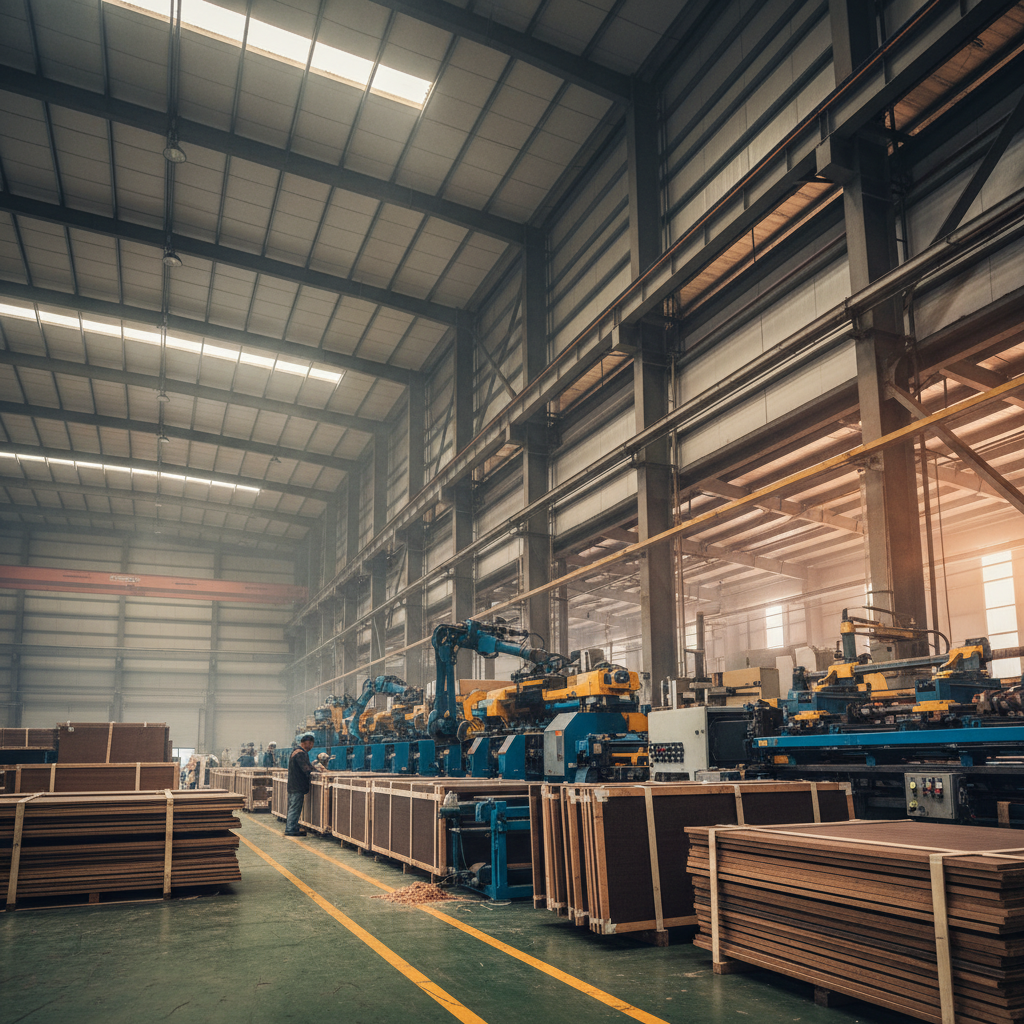
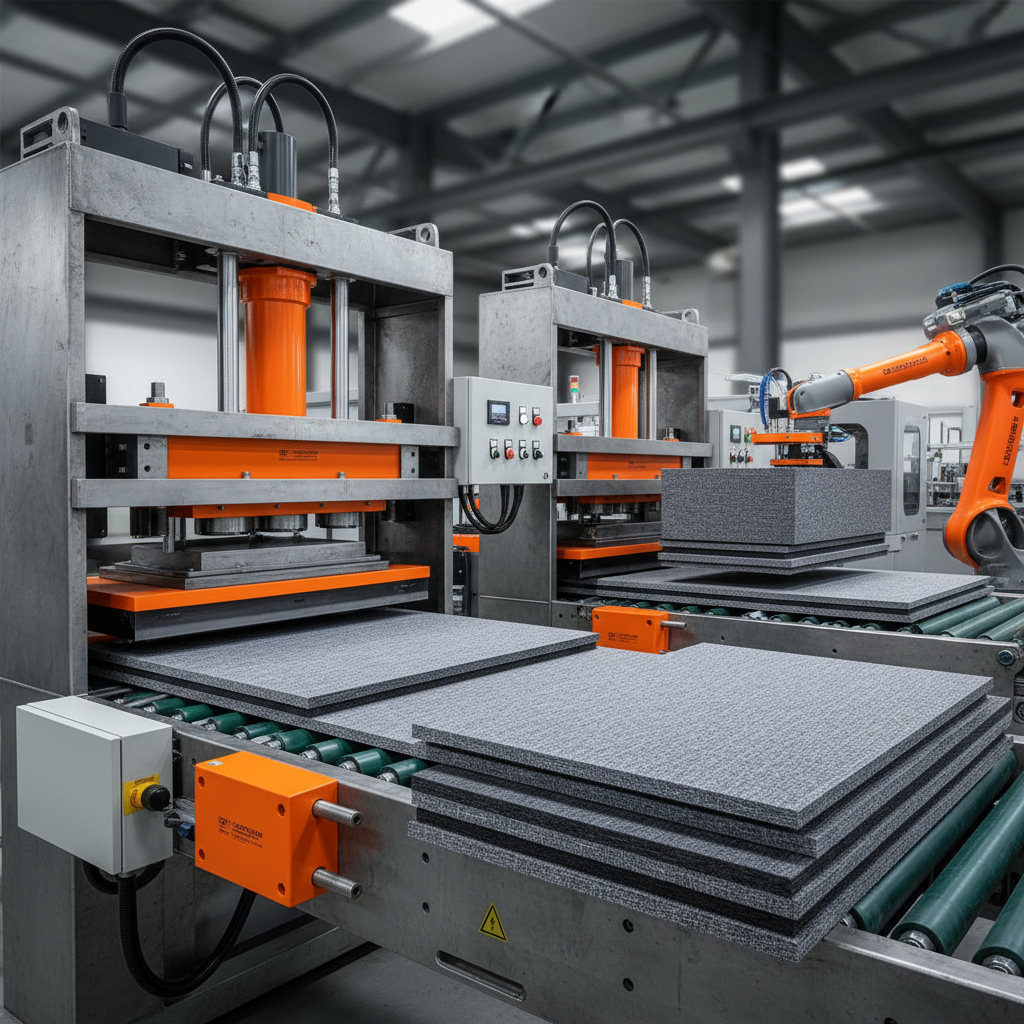
In the manufacturing sector, the use of advanced automatic production lines allows for precise cutting and sewing, reducing human error in the assembly process. This precision is vital when dealing with custom shapes and sizes, as even a small deviation in dimensions can affect the comfort level of the pet.
Moreover, the integration of OEM and ODM services enables brands to incorporate unique logos or specific structural modifications, transforming a simple pet accessory into a branded lifestyle product. This level of customization is essential for e-commerce sellers who wish to differentiate their offerings in a saturated market.
2Core Technical Features of Felt Bedding
The primary advantage of utilizing quality felt in custom cat beds is its inherent resistance to stretching and breaking. Unlike cheaper synthetic blends, high-grade felt provides a stable structure that does not sag, maintaining a consistent "use feeling" for the animal. This is complemented by the use of thickened fabrics that add a layer of softness and impact absorption.
From a production standpoint, the neatness of the workmanship is not merely aesthetic; it is a safety requirement. Open seams can lead to the escape of filling materials or create snagging hazards for the cat's claws. Professional manufacturers implement strict quality management systems to inspect every edge before shipment.
Furthermore, the ability to support full customization—including logo placement and shape modification—allows for the creation of beds that fit specific interior design themes or specialized pet needs, such as beds for older cats requiring more orthopedic support.
3Application Scenarios and User Needs
Custom cat beds are widely deployed in various environments, from residential homes to professional grooming salons and pet hotels. In residential settings, the focus is often on aesthetic integration and comfort. In professional environments, the priority shifts toward durability, ease of cleaning, and the ability to withstand high-frequency use by multiple animals.
For e-commerce entrepreneurs, the need for professional HD imagery and FBA-ready logistics is paramount. A product that is visually appealing and delivered with correct barcode labeling (FNSKU) reduces operational friction and enhances the end-customer's unboxing experience.
The integration of customized samples without a minimum order quantity (MOQ) allows designers to prototype new ideas quickly. This agile approach to development ensures that the final product is perfectly aligned with current market trends and feline behavioral preferences.
4Performance Metrics and Quality Analysis
Evaluating the performance of a custom cat bed requires a look at several quantitative and qualitative metrics. Durability is measured by the fabric's resistance to abrasion and the strength of the seams. Comfort is assessed through the thickness and "bounce back" capability of the material after compression.
When comparing industrial averages to high-standard custom products, the difference is most evident in the customization flexibility and the precision of the finish. Professional manufacturing processes ensure that every unit meets the same rigorous standard, regardless of the complexity of the custom design.
custom cat bed Performance Metrics
Data suggests that beds utilizing thickened felt and automatic production lines exhibit significantly lower deformation rates over a 12-month period compared to manually sewn, thin-fabric alternatives. This longevity directly correlates to a higher return on investment for the consumer and lower return rates for the retailer.
5Procurement and Customization Workflow
The procurement process for a custom cat bed typically begins with the submission of a drawing or a reference image. A professional manufacturer will then create a pre-production sample to verify the dimensions and material feel. This step is critical to avoid mass-production errors and ensure the final product matches the client's vision.
Once the sample is approved, the production phase utilizes automatic machinery to maintain efficiency and quality. The supply chain must be robust, sourcing raw materials that have passed certifications (such as SGS) to ensure the product is non-toxic and safe for pets.
Logistics play a final, crucial role. Professional packaging services using environmentally friendly materials protect the bed's shape during international transit, while shipping from major ports like Shanghai or Ningbo ensures timely delivery to global markets.
6Future Trends in Pet Product Innovation
The trend in pet bedding is moving toward "functional customization." This involves integrating acoustic properties—similar to acoustic wall panels—to create quieter sleeping zones for anxious pets. The use of polyester acoustic felt not only provides comfort but also helps in dampening ambient noise in busy households.
Sustainability is another driving force. There is an increasing demand for recycled felt and biodegradable fabrics that do not compromise on durability. Manufacturers are now investing in R&D to create materials that are as soft as traditional fabrics but derived from sustainable mineral or plant-based sources.
Digital integration is also emerging, with some custom beds being designed to accommodate health-monitoring sensors. This requires manufacturers to provide precise cut-outs and material pockets during the customization phase to house electronic components securely.
7Comparison of Bedding Material Options
Choosing the right material is the most critical decision in the customization process. While standard plush fabrics are common, felt and thickened synthetic blends offer superior structural support. The choice depends on whether the primary goal is extreme softness or long-term durability.
Below is a detailed comparison of the most common materials used in professional custom bedding production to help procurement teams make informed decisions.
| Material Type | Structural Stability | Comfort Level | Primary Use Case |
|---|---|---|---|
| Quality Felt | High | Medium-High | Modern, Durable Beds |
| Thickened Fabric | Medium | Very High | Luxury Lounging |
| Standard Polyester | Low | Medium | Budget Options |
| Acoustic Panels | Very High | Medium | Anxiety-Reducing Beds |
| Mixed Composite | High | High | Premium Orthopedic |
| Recycled Fiber | Medium | Medium | Eco-Friendly Lines |
Ultimately, the optimal choice often involves a combination of these materials—using a rigid felt base for stability and a thickened fabric lining for surface comfort. This hybrid approach maximizes the lifespan of the product while ensuring the pet remains satisfied.
Frequently Asked Questions
Conclusion
Investing in a custom cat bed is more than just a purchase of a pet accessory; it is an application of material science to improve feline well-being. By focusing on high-quality felt, thickened fabrics, and precise workmanship, manufacturers can create products that offer lasting value and superior comfort. The ability to tailor every aspect of the product ensures that both the pet's needs and the brand's identity are fully realized.
For businesses and individuals evaluating suitable customized bedding solutions, detailed product information and manufacturing capabilities can be reviewed at www.ytakupanel.com to ensure a partnership based on quality and reliability.


 English
 Afrikaans
 Albanian
 Amharic
 Arabic
 Armenian
 Azerbaijani
 Basque
 Belarusian
 Bengali
 Bosnian
 Bulgarian
 Catalan
 Cebuano
 Corsican
 Croatian
 Czech
 Danish
 Dutch
 Esperanto
 Estonian
 Finnish
 French
 Frisian
 Galician
 Georgian
 German
 Greek
 Gujarati
 Haitian Creole
 Hausa
 Hawaiian
 Hebrew
 Hindi
 Miao
 Hungarian
 Icelandic
 Igbo
 Indonesian
 Irish
 Italian
 Japanese
 Javanese
 Kannada
 Kazakh
 Khmer
 Rwandese
 Korean
 Kurdish
 Kyrgyz
 Lao
 Latin
 Latvian
 Lithuanian
 Luxembourgish
 Macedonian
 Malgashi
 Malay
 Malayalam
 Maltese
 Maori
 Marathi
 Mongolian
 Myanmar
 Nepali
 Norwegian
 Norwegian
 Occitan
 Pashto
 Persian
 Polish
 Portuguese
 Punjabi
 Romanian
 Russian
 Samoan
 Scottish Gaelic
 Serbian
 Sesotho
 Shona
 Sindhi
 Sinhala
 Slovak
 Slovenian
 Somali
 Spanish
 Sundanese
 Swahili
 Swedish
 Tagalog
 Tajik
 Tamil
 Tatar
 Telugu
 Thai
 Turkish
 Turkmen
 Ukrainian
 Urdu
 Uighur
 Uzbek
 Vietnamese
 Welsh
 Bantu
 Yiddish
 Yoruba
 Zulu