
A Closer Look at PET Acoustic Panel Ceilings: What Matters in 2025
If you’ve been following acoustic design trends, you’ve probably noticed how fast PET felt ceilings have moved from niche to normal. The rise of open-plan living (and working) spaces made it necessary. For anyone researching a Pet Panel Ceiling, here’s the inside track—drawn from jobsite walk-throughs, lab reports, and conversations with installers who see the good, the bad, and the noisy.
Product Snapshot
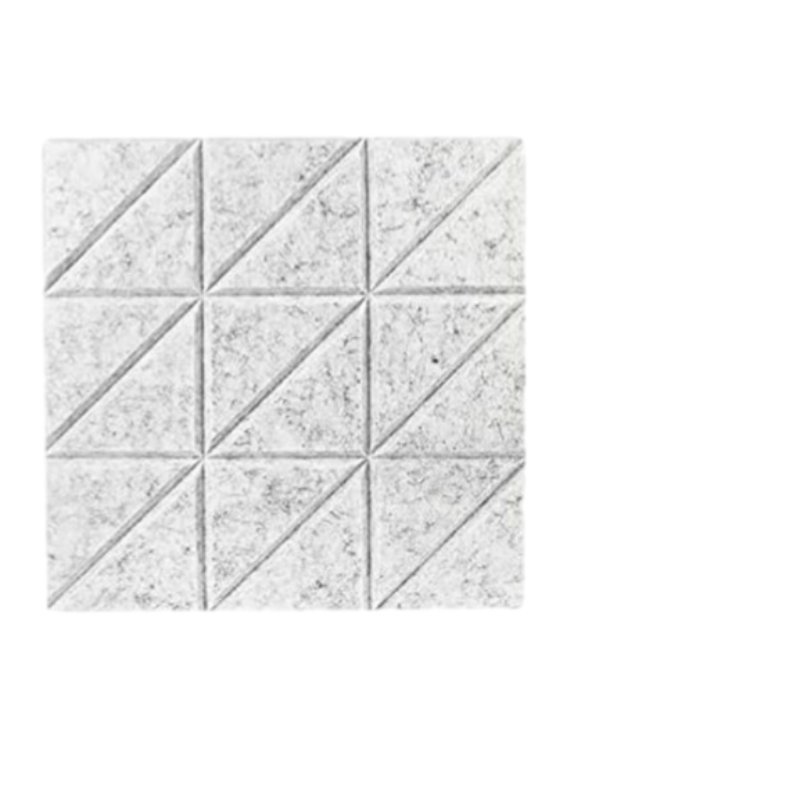
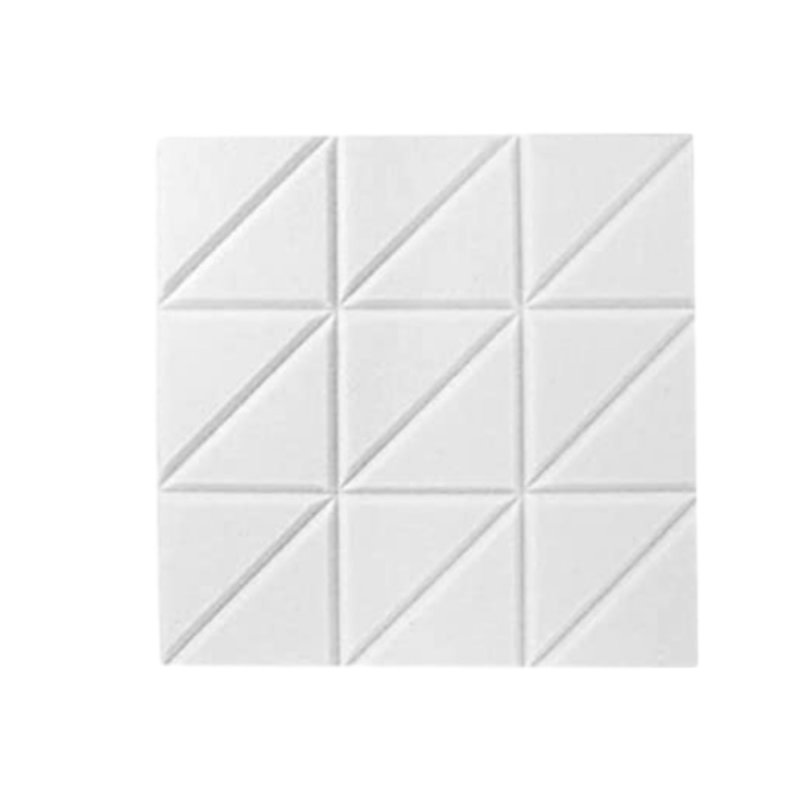
Featured model: New Design Environmental-Friendly Acoustical Ceiling Pet Acoustic Panel For Home Theater. Origin: 1925aa, Shangdongcheng Shangdong Apartment, No. 10, Zhaiying North St. Shijiazhuang Hebei China. The square-and-bevel design isn’t just decorative; it increases edge surface area, which, in my experience, improves mid-high frequency absorption just enough to be noticeable.
Why PET? The Industry Trend
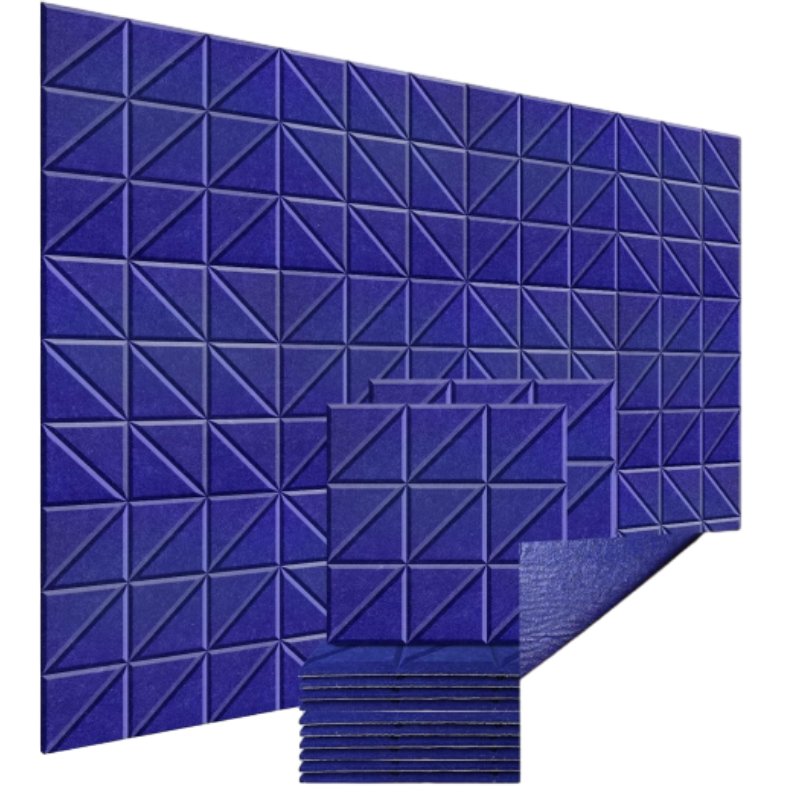
Recycled PET (think plastic bottles reborn as felt) surged because it’s lightweight, clean to cut, and stable. Architects like it for the color range; facility managers like it because it doesn’t shed like mineral fiber. To be honest, the biggest shift I’ve seen is demand for visible, design-forward ceilings that still hit the acoustic targets.
Technical Specifications (typical)
| Material | Polyester (PET) felt, recycled content ≈60–75% |
| Thickness options | 9 mm / 12 mm (other thicknesses on request) |
| Density | ≈ 180–240 kg/m³ (real-world use may vary) |
| NRC (ISO 354 / ASTM C423) | 0.75–0.95 with air gap; ≈0.45–0.65 direct-fix |
| Fire rating | ASTM E84 Class A; EN 13501-1 B-s1,d0 (typical) |
| VOC/Emissions | Low-VOC; ISO 16000 / GREENGUARD-type protocols |
| Service life | 10–15 years indoors with normal handling |
How It’s Made: Process Flow
1) Material prep: recycled PET flakes → fiber carding → needle-punch felt
2) Thermobonding & hot press: sets density and rigidity
3) CNC cutting: square/bevel profiles; optional perforations
4) Finishing: edge sealing, color calibration, custom sizing
5) QC & testing: thickness tolerance, colorfastness (ISO 105-B02), acoustic tests (ISO 354/ASTM C423), fire (ASTM E84/EN 13501-1), VOC (ISO 16000)
6) Packing: flat-pack with install guides and mounting hardware options
Applications and Real Feedback
Home theaters (obviously), podcast rooms, classrooms, libraries, restaurants, and meeting rooms. Many customers say the biggest surprise is speech clarity—echo drops, dialogue pops. In cafés, it seems that Pet Panel Ceiling solutions cut “plate clatter” harshness without deadening the vibe.
Case Notes (abridged)
• Residential cinema, 22 m²: 12 mm panels over 25 mm air gap. RT60 cut from 0.78 s to 0.42 s; dialog clarity improved (subjective team score 8.6/10).
• Open office, 480 m²: mixed ceiling clouds and wall tiles; average NRC ≈0.85; measured background level dropped ≈4–6 dBA at peak.
• Lecture room retrofit: fire test documentation and GREENGUARD-style emissions data satisfied campus standards; install done in one weekend.
Vendor Comparison (quick glance)
| Vendor | NRC (with gap) | Fire/Certs | Customization | Lead Time |
|---|---|---|---|---|
| YTAKU Panel (this model) | ≈0.85–0.95 | ASTM E84, EN 13501-1, low-VOC docs | Sizes, bevels, colors, CNC patterns | Around 2–3 weeks |
| Generic Importer A | ≈0.70–0.85 | Basic E84; limited VOC data | Color options only | 4–6 weeks |
| Local Millwork Shop | Varies by core | Project-by-project | High (custom shapes/logos) | 1–4 weeks |
Installation Tips
Use T-grid adapters or direct-fix clips. Leave a modest air cavity (20–50 mm) if you can; it bumps performance. For HVAC returns, integrate cutouts during CNC. And yes, Pet Panel Ceiling tiles are easy to wipe—just avoid solvent cleaners.
Customization and Documentation
Custom sizes, bevel depths, and colorways are available. Acoustic test reports (ISO 354 / ASTM C423), fire ratings (ASTM E84, EN 13501-1), and emissions data (ISO 16000; GREENGUARD-style) can be provided for submittals. If you’re specifying for education or healthcare, this matters.
Bottom Line
For design-driven spaces that still need quiet, a Pet Panel Ceiling hits a sweet spot: clean look, measurable absorption, and sensible sustainability. I guess that’s why they’re everywhere now.
Authoritative citations
- ISO 354: Acoustics — Measurement of sound absorption in a reverberation room.
- ASTM C423: Standard Test Method for Sound Absorption and Sound Absorption Coefficients by the Reverberation Room Method.
- ASTM E84: Standard Test Method for Surface Burning Characteristics of Building Materials.
- EN 13501-1: Fire classification of construction products and building elements.
- ISO 16000 series: Indoor air — Air emissions and VOC testing protocols.
-
Ultimate Guide to Durable and Stylish pvc wood effect claddingNewsApr.16,2026
-
Ultimate Guide to Durable and Stylish PVC Wood CladdingNewsApr.09,2026
-
Discover the Beauty and Durability of PVC Wall Panels Wood Effect SolutionsNewsApr.07,2026
-
Enhance Your Space with Durable PVC Wall Panels Wood SolutionsNewsApr.04,2026
-
Explore the Beauty and Benefits of Pine Wood Wall Panelling for Your HomeNewsMar.31,2026
-
Enhance Your Interiors with the Natural Beauty of Pine Wood Wall CladdingNewsMar.28,2026
 Afrikaans
 Albanian
 Amharic
 Arabic
 Armenian
 Azerbaijani
 Basque
 Belarusian
 Bengali
 Bosnian
 Bulgarian
 Catalan
 Cebuano
 Corsican
 Croatian
 Czech
Czech
 Danish
 Dutch
Dutch
 Esperanto
 Estonian
 Finnish
 French
 Frisian
 Galician
 Georgian
 German
 Greek
Greek
 Gujarati
 Haitian Creole
 Hausa
Hausa
 Hawaiian
 Hebrew
 Hindi
Hindi
 Miao
Miao
 Hungarian
 Icelandic
 Igbo
Igbo
 Indonesian
 Irish
Irish
 Italian
 Japanese
 Javanese
 Kannada
 Kazakh
 Khmer
Khmer
 Rwandese
 Korean
 Kurdish
 Kyrgyz
 Lao
Lao
 Latin
Latin
 Latvian
 Lithuanian
 Luxembourgish
 Macedonian
 Malgashi
 Malay
Malay
 Malayalam
 Maltese
 Maori
Maori
 Marathi
 Mongolian
 Myanmar
 Nepali
 Norwegian
 Norwegian
 Occitan
 Pashto
 Persian
 Polish
 Portuguese
 Punjabi
 Romanian
 Russian
 Samoan
 Scottish Gaelic
 Serbian
 Sesotho
 Shona
Shona
 Sindhi
 Sinhala
 Slovak
 Slovenian
 Somali
 Spanish
 Sundanese
 Swahili
 Swedish
 Tagalog
 Tajik
Tajik
 Tamil
Tamil
 Tatar
Tatar
 Telugu
 Thai
Thai
 Turkish
 Turkmen
 Ukrainian
 Urdu
Urdu
 Uighur
 Uzbek
Uzbek
 Vietnamese
 Welsh
Welsh
 Bantu
Bantu
 Yiddish
 Yoruba
 Zulu
Zulu
 English


