
Flexible MDF tambour is back—and smarter than ever
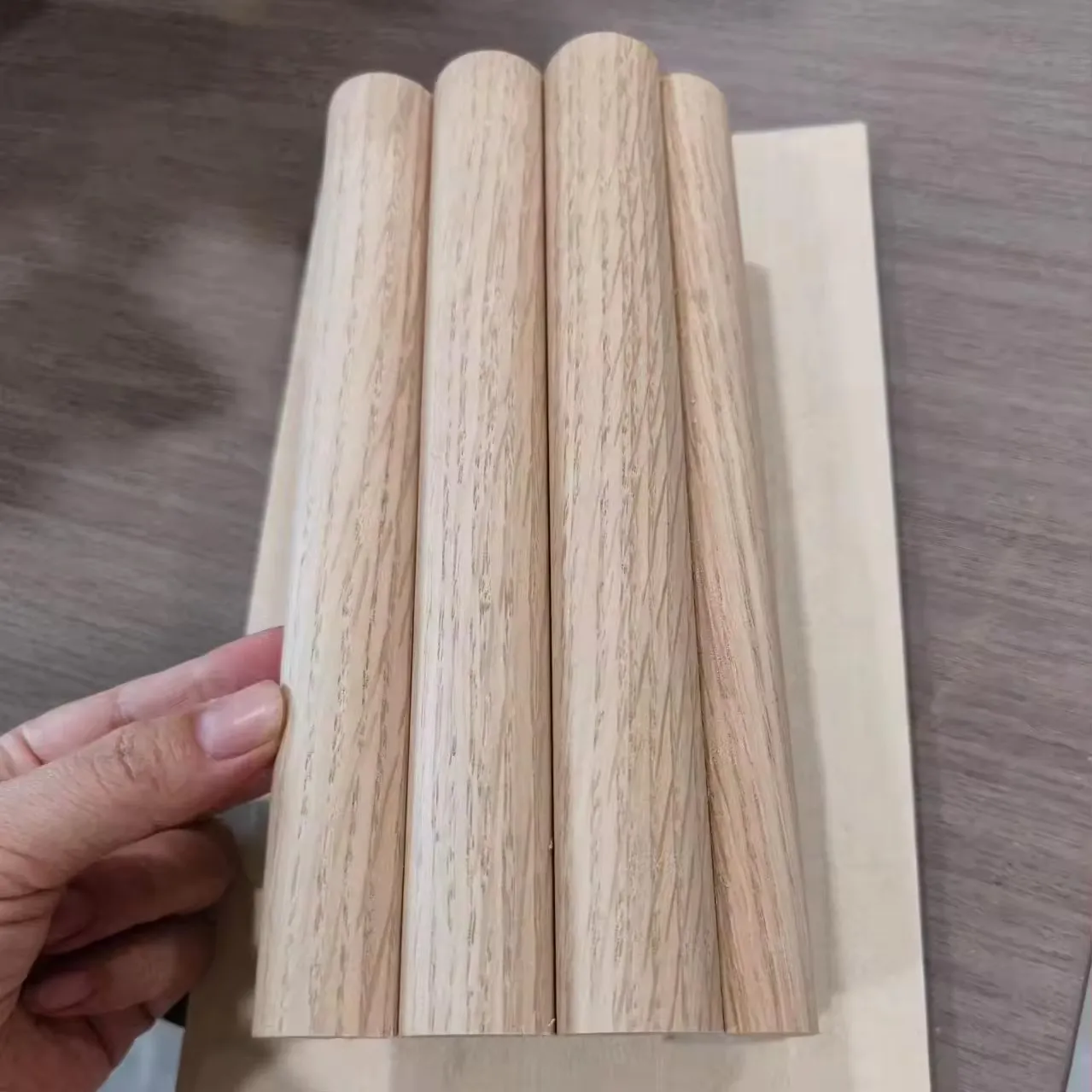
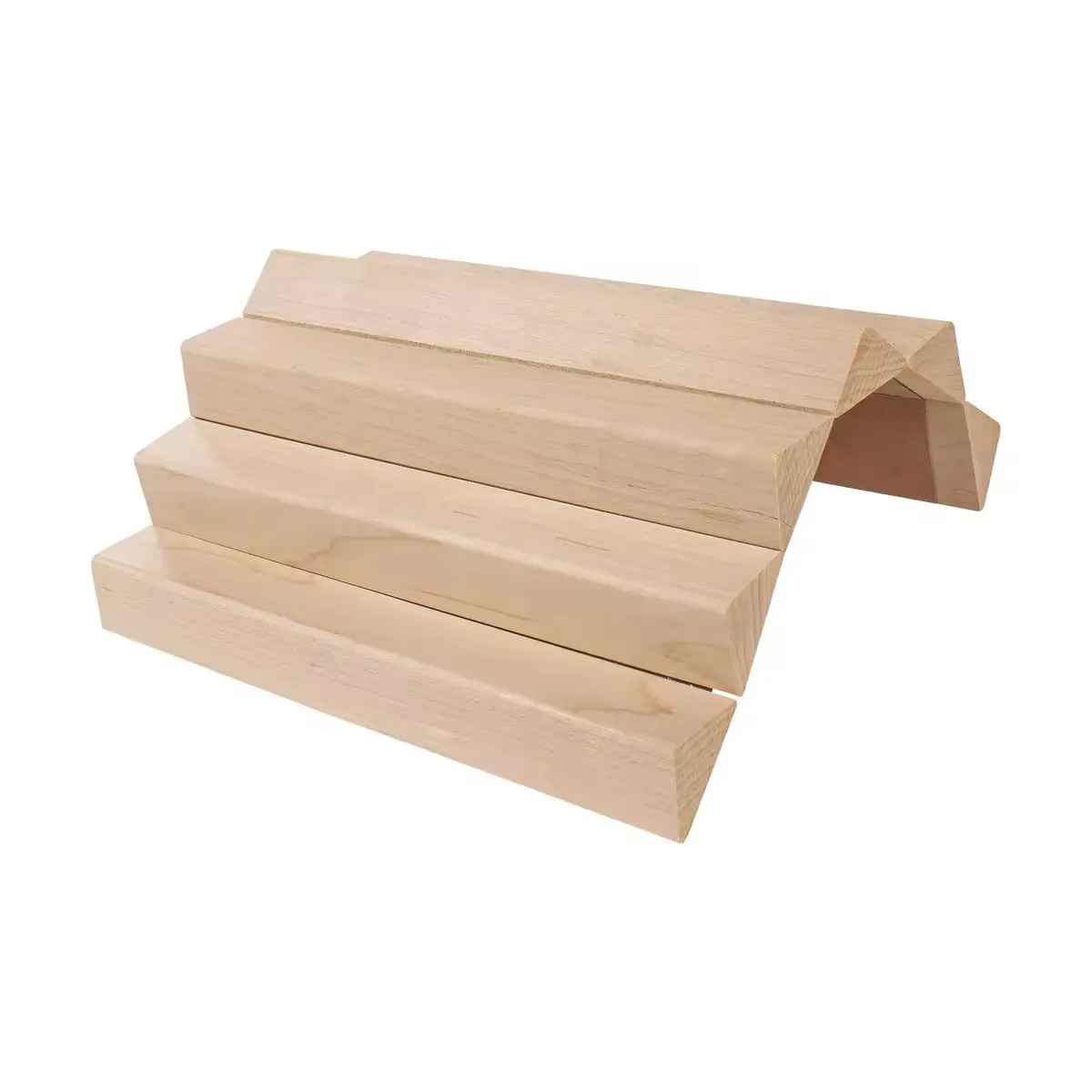
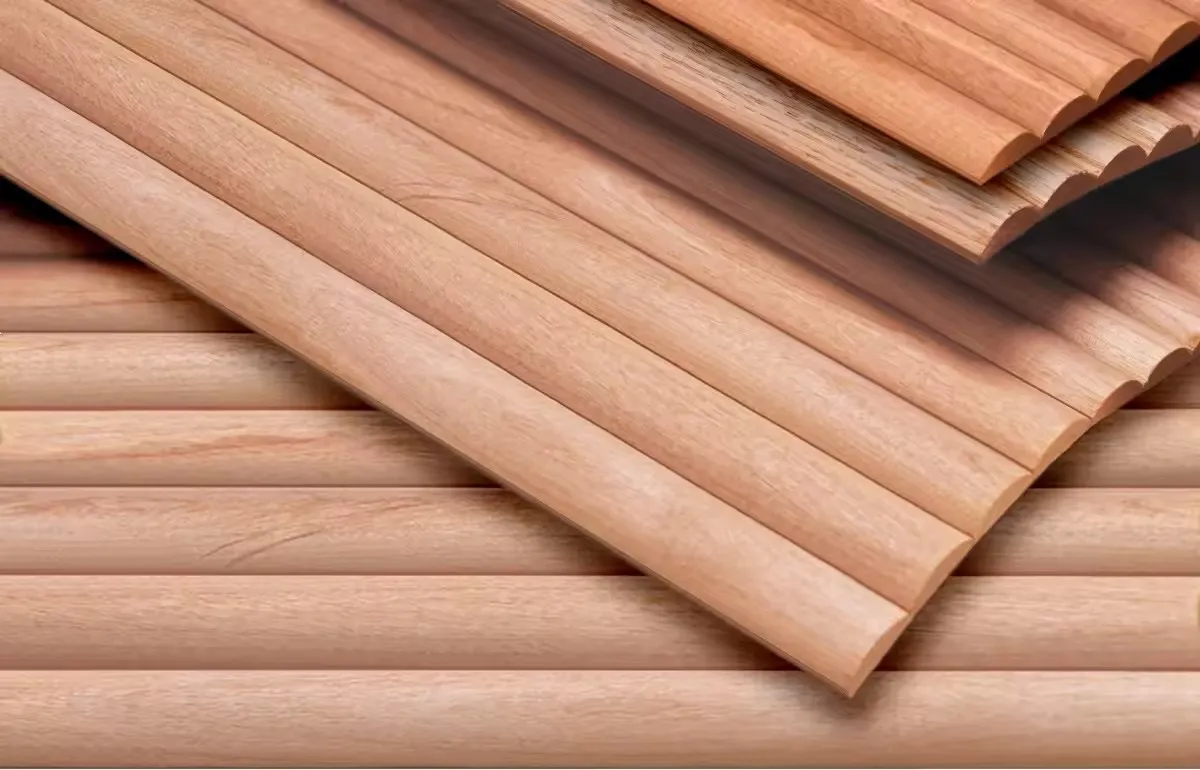
If you’ve been watching interiors lately—boutique hotels, co-working hubs, even residential millwork—you’ll have noticed the fluted, softly curved walls. The workhorse behind many of those builds is [Flexible MDF Tambour panels Bending Mdf Decorative wall gille panel]. In day-to-day site talk, we usually just call them flexible tambour slats with an acoustic felt back. Simple idea, surprisingly versatile.
What’s driving the trend
Specifiers want warm tactility without heavy carpentry. To be honest, a panel that bends around a 200–300 mm radius and installs in hours is hard to ignore. Add polyester-felt acoustics and you’ve got aesthetics plus function. Many customers say the “quieting” effect is the clincher in open-plan spaces.
Core specs at a glance
| Product | Flexible MDF Tambour panels Bending Mdf Decorative wall gille panel (Model YT-F0a, Brand YT) |
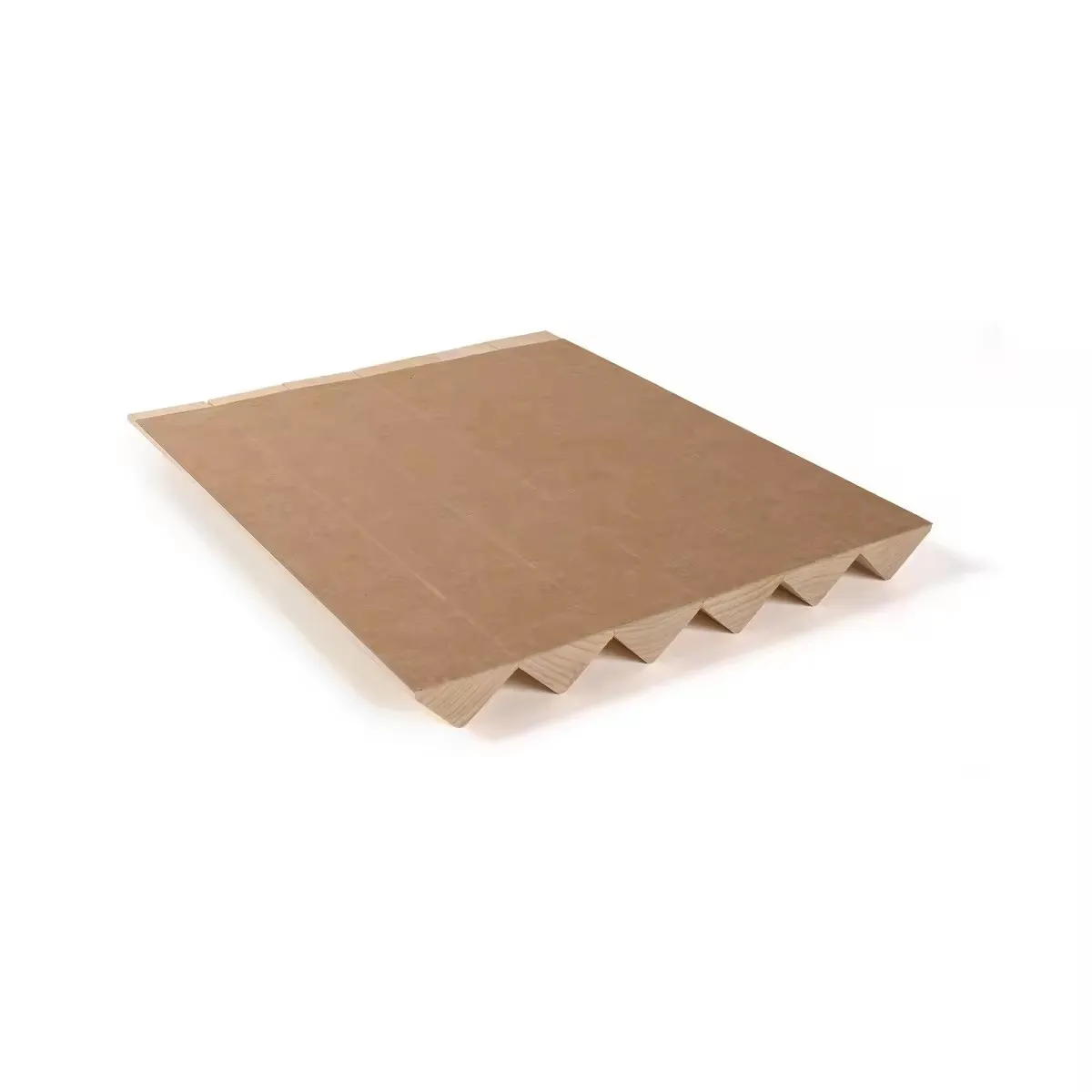
| Material | MDF slats + polyester acoustic panel backing |
| Standard Size | 2400 × 600 × 21 mm (custom sizes available) |
| Thickness | Customized; common builds ≈ 18–24 mm overall |
| Finish/Color | Customer-chosen color/veneer; logos via woven label, PU label, printing, heat-transfer |
| Pack | OPP bag + carton or inner box + carton (custom packing available) |
How it’s made (short version)
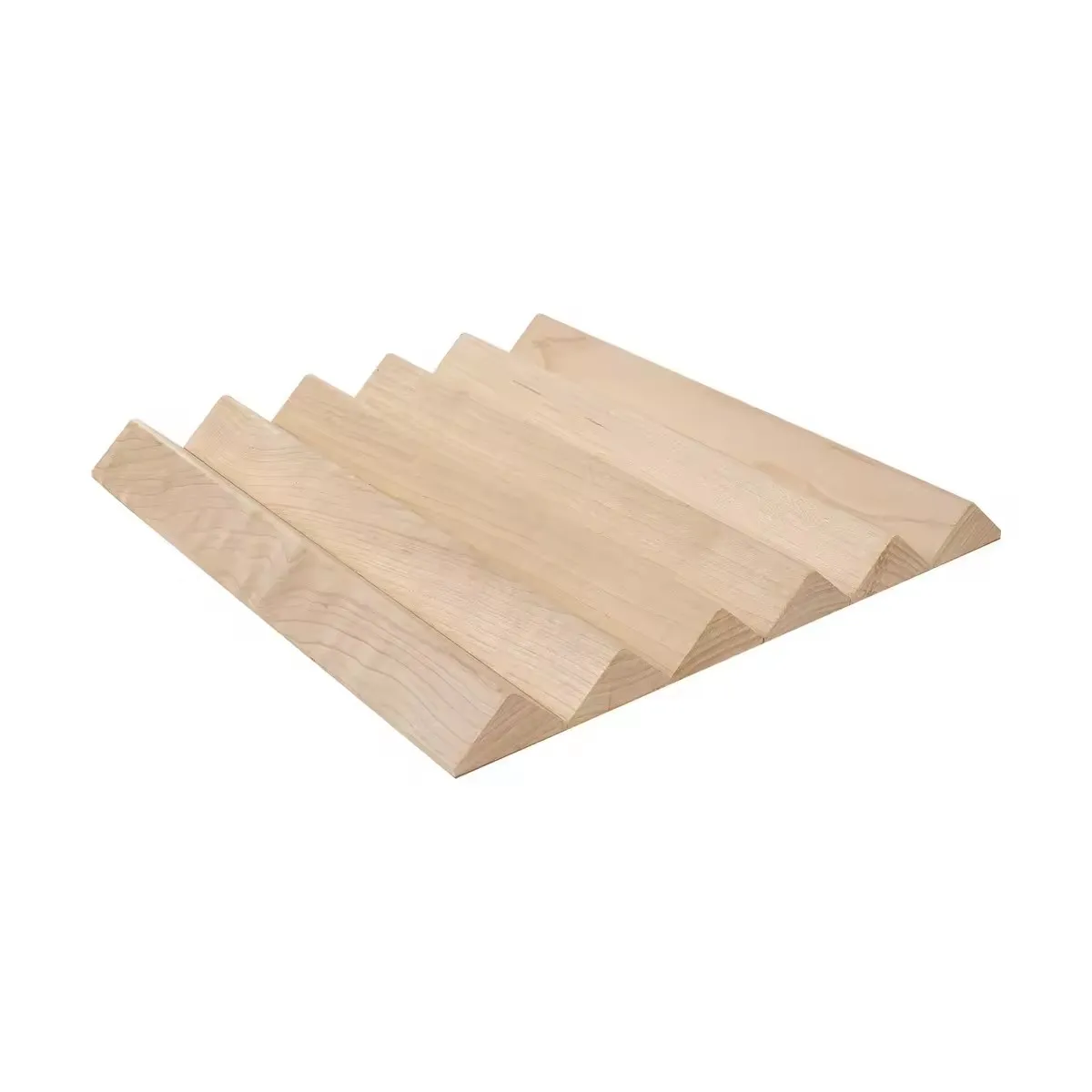
- Materials: E1/E0-grade MDF slats bonded to PET polyester felt (often ≥ 50% recycled content).
- Methods: CNC profiling of slats, flexible backer lamination, UV or waterborne finishes, QC on bond strength and radius bend tests.
- Testing: EN 13986 mechanicals; EN 717-1 formaldehyde; ASTM E84 flame spread; ISO 354 / ASTM C423 acoustics (NRC up to ≈ 0.55 with 50 mm air gap—real-world use may vary).
- Service life: ≈ 8–12 years in typical interior conditions; avoid persistent high humidity.
- Industries: hospitality, retail, offices, education, home cinema, multi-family amenities.
Installation tips and use cases
Wrap reception desks, radius columns, curved feature walls, or ceiling rafts. For adhesive, spec a high-tack contact cement rated for felt and MDF; on uneven substrates, fix battens and pin through slat grooves. Minimum inside radius often ≈ 200–300 mm—check your mockup. Honestly, a quick site test saves headaches.
Vendor snapshot (what buyers usually compare)
| Vendor | MOQ | Lead Time | Certs (typical) | Warranty | Notes |
|---|---|---|---|---|---|
| YT (Hebei, China) | ≈ 50–100 pcs | 15–25 days | ISO 9001, E1 emission, ASTM E84—docs on request | 1–2 years | Wide color and logo customization |
| Regional Distributor | Stock-based | 2–7 days | Varies | 1 year | Faster, less customization |
Customization and logistics
Colors, groove spacing, and thickness are configurable on Flexible MDF Tambour panels Bending Mdf Decorative wall gille panel. Branding via woven/PU labels or heat-transfer works well for retail fixtures. Packing is OPP + carton by default, but I’ve seen inner-box kitting for GC-friendly room packs. Origin: 1925aa, Shangdongcheng Shangdong Apartment, No. 10, Zhaiying North St. Shijiazhuang Hebei China.
Field notes and mini case studies
- Co-working hub, Singapore: 42 linear meters of curved wall; install completed in 1.5 days. Client noted ≈ 4–6 dB subjective noise reduction in lounges.
- Boutique hotel lobby, EU: Class B flame spread verified; designer loved the consistent shadow lines under warm LEDs.
- Retail pop-up, US: Panels reused after a 3-month run—light scuffs buffed; sustainability box ticked, which buyers appreciate.
Customer feedback: “Looks expensive, installs like a kit.” Another quip I heard: “Finally, curves without carpentry drama.” Fair enough.
Compliance quick-check
Ask for current test reports: EN 717-1 (E1 formaldehyde), ASTM E84 (flame), and ISO 354/ASTM C423 (acoustics). Typical lab data shows NRC up to ≈ 0.55 with an air gap; on solid walls expect lower. Always verify against your local code.
References
-
Ultimate Guide to Durable and Stylish pvc wood effect claddingNewsApr.16,2026
-
Ultimate Guide to Durable and Stylish PVC Wood CladdingNewsApr.09,2026
-
Discover the Beauty and Durability of PVC Wall Panels Wood Effect SolutionsNewsApr.07,2026
-
Enhance Your Space with Durable PVC Wall Panels Wood SolutionsNewsApr.04,2026
-
Explore the Beauty and Benefits of Pine Wood Wall Panelling for Your HomeNewsMar.31,2026
-
Enhance Your Interiors with the Natural Beauty of Pine Wood Wall CladdingNewsMar.28,2026
 Afrikaans
 Albanian
 Amharic
 Arabic
 Armenian
 Azerbaijani
 Basque
 Belarusian
 Bengali
 Bosnian
 Bulgarian
 Catalan
 Cebuano
 Corsican
 Croatian
 Czech
Czech
 Danish
 Dutch
Dutch
 Esperanto
 Estonian
 Finnish
 French
 Frisian
 Galician
 Georgian
 German
 Greek
Greek
 Gujarati
 Haitian Creole
 Hausa
Hausa
 Hawaiian
 Hebrew
 Hindi
Hindi
 Miao
Miao
 Hungarian
 Icelandic
 Igbo
Igbo
 Indonesian
 Irish
Irish
 Italian
 Japanese
 Javanese
 Kannada
 Kazakh
 Khmer
Khmer
 Rwandese
 Korean
 Kurdish
 Kyrgyz
 Lao
Lao
 Latin
Latin
 Latvian
 Lithuanian
 Luxembourgish
 Macedonian
 Malgashi
 Malay
Malay
 Malayalam
 Maltese
 Maori
Maori
 Marathi
 Mongolian
 Myanmar
 Nepali
 Norwegian
 Norwegian
 Occitan
 Pashto
 Persian
 Polish
 Portuguese
 Punjabi
 Romanian
 Russian
 Samoan
 Scottish Gaelic
 Serbian
 Sesotho
 Shona
Shona
 Sindhi
 Sinhala
 Slovak
 Slovenian
 Somali
 Spanish
 Sundanese
 Swahili
 Swedish
 Tagalog
 Tajik
Tajik
 Tamil
Tamil
 Tatar
Tatar
 Telugu
 Thai
Thai
 Turkish
 Turkmen
 Ukrainian
 Urdu
Urdu
 Uighur
 Uzbek
Uzbek
 Vietnamese
 Welsh
Welsh
 Bantu
Bantu
 Yiddish
 Yoruba
 Zulu
Zulu
 English


