
Interior Pine Wall Paneling: A Comprehensive Guide
Looking to add warmth and rustic charm to your home? Interior pine wall paneling is a classic choice that delivers beauty and durability. This article will explore the benefits, styles, installation, and maintenance of pine paneling, helping you decide if it’s the right option for your interior design. We'll cover everything from knotty pine to shiplap, providing valuable insights to make your project a success.
The Appeal of Interior Pine Wall Paneling
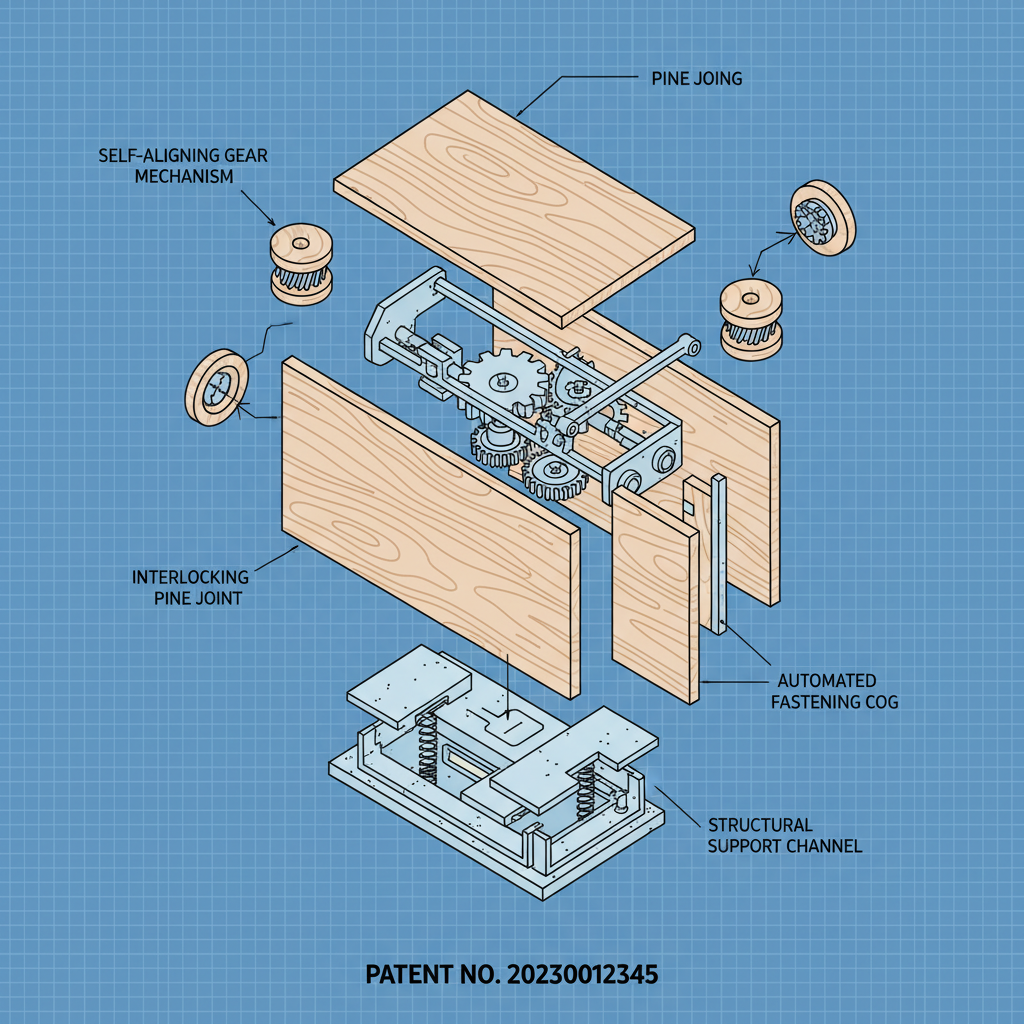
Pine paneling offers a unique aesthetic that’s both inviting and versatile. Its natural wood grain and warm tones create a cozy atmosphere, perfect for cabins, country homes, or even modern spaces seeking a touch of rustic elegance. Beyond aesthetics, pine is relatively affordable compared to other hardwoods, making it a budget-friendly option. It’s also easy to work with, allowing for DIY installations. Choosing high-quality pine paneling ensures longevity and a beautiful finish.
Key Benefits: Warm and inviting aesthetic, affordability, ease of installation, versatile design options, natural wood grain.
Different Styles of Interior Pine Paneling
Pine paneling comes in a variety of styles to suit different tastes and design preferences. Some popular options include: Shiplap, characterized by its overlapping boards and clean lines; Tongue and Groove, which creates a seamless, interlocking surface; Board and Batten, offering a more traditional, textured look; and Knotty Pine, showcasing the natural knots and character of the wood. The choice depends on the desired aesthetic and the overall style of the room. YTAKUPANEL offers a diverse selection of styles to choose from.
Pine Paneling Styles:
• Shiplap: Clean, modern lines.
• Tongue and Groove: Seamless, interlocking surface.
• Board and Batten: Traditional, textured look.
• Knotty Pine: Natural knots and character.
Interior Pine Wall Paneling vs. Other Wood Options
While other wood options exist for wall paneling, pine offers a unique balance of cost, aesthetics, and workability. Compared to hardwoods like oak or maple, pine is significantly more affordable. It's also easier to cut and install, making it a great choice for DIY projects. However, pine is softer than hardwoods, making it more susceptible to dents and scratches. Here's a quick comparison:
Installation & Maintenance of Pine Paneling
Installing interior pine wall paneling is a manageable project for experienced DIYers. It typically involves measuring the wall, cutting the panels to size, and securing them with nails or screws. Proper preparation is crucial – ensure the wall is clean, dry, and level. For maintenance, regular dusting and occasional cleaning with a mild wood cleaner will keep the paneling looking its best. Avoid harsh chemicals or abrasive cleaners. Consider applying a protective finish, like varnish or polyurethane, to enhance durability and resistance to moisture.
Product Specifications and Available Finishes
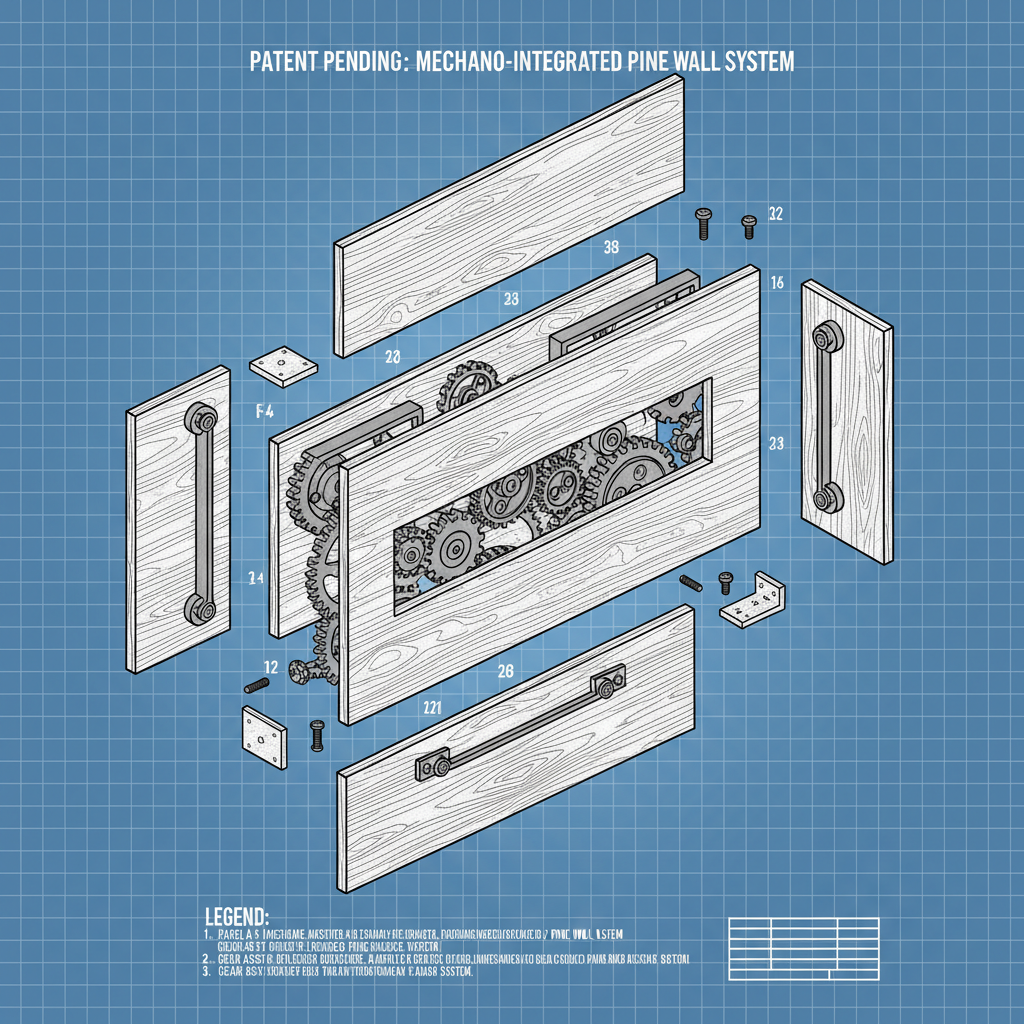
At YTAKUPANEL, we offer a wide range of pine paneling options to meet your specific needs. Our panels are sourced from sustainable forests and are kiln-dried for stability. Here’s a quick overview of our specifications:
Conclusion: Enhance Your Home with Pine Paneling
Interior pine wall paneling is a beautiful and affordable way to transform your living space. With its variety of styles, easy installation, and low maintenance, it's a practical choice for homeowners looking to add warmth and character to their homes. Explore the options at YTAKUPANEL today and start creating the home of your dreams!
Frequently Asked Questions (FAQs)
What is the best way to finish pine paneling?
The best finish depends on the desired look and level of protection. For a natural look, you can apply a clear sealant to protect the wood. For a darker or more colored finish, stain the paneling before applying a sealant. Polyurethane is a durable option for high-traffic areas, providing excellent scratch resistance. Always follow the manufacturer's instructions for application and drying times. Proper surface preparation, including sanding, is crucial for a smooth and even finish.
Can pine paneling be installed in a bathroom?
While pine paneling can be installed in a bathroom, it's important to take precautions. Pine is susceptible to moisture damage, so it’s crucial to apply a waterproof sealant and ensure adequate ventilation. Consider using a moisture-resistant primer before painting or staining. Avoid direct contact with water, and wipe up any spills immediately. For areas with high moisture levels, such as around the shower, consider alternative materials.
How do I clean pine paneling?
Regular cleaning is essential to maintain the beauty of your pine paneling. Dust the panels regularly with a soft cloth or vacuum with a brush attachment. For more thorough cleaning, use a mild wood cleaner diluted in water. Avoid abrasive cleaners or harsh chemicals, as they can damage the finish. Wring out the cloth well to prevent excess moisture from soaking into the wood.
-
Ultimate Guide to Durable and Stylish pvc wood effect claddingNewsApr.16,2026
-
Ultimate Guide to Durable and Stylish PVC Wood CladdingNewsApr.09,2026
-
Discover the Beauty and Durability of PVC Wall Panels Wood Effect SolutionsNewsApr.07,2026
-
Enhance Your Space with Durable PVC Wall Panels Wood SolutionsNewsApr.04,2026
-
Explore the Beauty and Benefits of Pine Wood Wall Panelling for Your HomeNewsMar.31,2026
-
Enhance Your Interiors with the Natural Beauty of Pine Wood Wall CladdingNewsMar.28,2026
 Afrikaans
 Albanian
 Amharic
 Arabic
 Armenian
 Azerbaijani
 Basque
 Belarusian
 Bengali
 Bosnian
 Bulgarian
 Catalan
 Cebuano
 Corsican
 Croatian
 Czech
Czech
 Danish
 Dutch
Dutch
 Esperanto
 Estonian
 Finnish
 French
 Frisian
 Galician
 Georgian
 German
 Greek
Greek
 Gujarati
 Haitian Creole
 Hausa
Hausa
 Hawaiian
 Hebrew
 Hindi
Hindi
 Miao
Miao
 Hungarian
 Icelandic
 Igbo
Igbo
 Indonesian
 Irish
Irish
 Italian
 Japanese
 Javanese
 Kannada
 Kazakh
 Khmer
Khmer
 Rwandese
 Korean
 Kurdish
 Kyrgyz
 Lao
Lao
 Latin
Latin
 Latvian
 Lithuanian
 Luxembourgish
 Macedonian
 Malgashi
 Malay
Malay
 Malayalam
 Maltese
 Maori
Maori
 Marathi
 Mongolian
 Myanmar
 Nepali
 Norwegian
 Norwegian
 Occitan
 Pashto
 Persian
 Polish
 Portuguese
 Punjabi
 Romanian
 Russian
 Samoan
 Scottish Gaelic
 Serbian
 Sesotho
 Shona
Shona
 Sindhi
 Sinhala
 Slovak
 Slovenian
 Somali
 Spanish
 Sundanese
 Swahili
 Swedish
 Tagalog
 Tajik
Tajik
 Tamil
Tamil
 Tatar
Tatar
 Telugu
 Thai
Thai
 Turkish
 Turkmen
 Ukrainian
 Urdu
Urdu
 Uighur
 Uzbek
Uzbek
 Vietnamese
 Welsh
Welsh
 Bantu
Bantu
 Yiddish
 Yoruba
 Zulu
Zulu
 English


