
Introduction to High-Performance Acoustic Panel Solutions
In modern architectural and interior design, the importance of effective acoustic management cannot be overstated. From enhancing speech intelligibility in bustling offices to ensuring sound privacy in critical healthcare environments, the demand for advanced soundproofing solutions is consistently rising. Among the most versatile and effective options available today are sound absorbing felt panels. These innovative products offer a compelling blend of superior acoustic performance, aesthetic versatility, and environmental sustainability, making them a preferred choice for B2B decision-makers, architects, and interior designers aiming to create optimal auditory experiences. This article delves into the technical aspects, applications, and strategic advantages of these essential acoustic solutions, providing comprehensive insights for industry professionals.
The focus will be on High Density Sound Absorbing PET Acoustic Panel Decorative Sound Proof Wall Panels/Boards, a flagship product designed to meet rigorous demands across various sectors. We will explore their manufacturing process, technical specifications, diverse application scenarios, and key advantages, including their role in fostering environments conducive to concentration, communication, and overall well-being.
Industry Trends and Market Dynamics in Acoustic Design
The acoustic solutions market is experiencing significant growth, driven by several key trends. There's an increasing awareness of the impact of noise pollution on productivity, health, and comfort in commercial, educational, and healthcare settings. This has led to a surge in demand for high-performance materials like sound absorbing felt panels that can effectively manage sound reverberation and enhance speech intelligibility.
- Sustainable Materials: A dominant trend is the preference for eco-friendly products. PET acoustic panels, manufactured from recycled plastic bottles, align perfectly with green building initiatives and LEED certification requirements, offering a responsible choice without compromising performance.
- Biophilic Design Integration: Incorporating natural elements and patterns into interiors to improve occupant well-being is gaining traction. The texture and appearance of felt acoustic wall panel often complement biophilic design principles, creating calming and aesthetically pleasing spaces.
- Flexible and Modular Solutions: Modern workspaces and educational facilities demand adaptable environments. Modular acoustic panels, including various forms of felt right wall panels, offer ease of installation, reconfiguration, and customization, supporting dynamic spatial needs.
- High-Performance Aesthetics: Clients no longer want to sacrifice aesthetics for functionality. Contemporary acoustic panels are designed to be integral decorative elements, available in a wide array of colors, shapes, and finishes that enhance interior design.
- Health and Well-being Focus: Beyond just noise reduction, there's an emphasis on creating healthy indoor environments. Products that are low-VOC, hypoallergenic, and free from harmful chemicals are highly valued.
These trends underscore the importance of selecting advanced acoustic materials that not only perform exceptionally but also align with broader design, sustainability, and occupant well-being objectives.
Manufacturing Process of High-Density PET Acoustic Panels
The production of high-density sound absorbing felt panels involves a sophisticated, multi-stage process designed to transform recycled PET fibers into durable, high-performance acoustic materials. This process emphasizes sustainability, precision, and adherence to international quality standards.
Key Stages of Production:
- Fiber Preparation & Recycling: The primary raw material consists of recycled PET plastic bottles. These bottles are collected, cleaned, shredded into flakes, and then processed into high-quality polyester fibers. This closed-loop system significantly reduces environmental impact.
- Web Formation: The PET fibers are meticulously carded and cross-lapped to form a uniform, fluffy web or batt. The consistency of this web is critical for achieving uniform density and acoustic performance in the final product.
- Needle Punching (Mechanical Bonding): The fiber web is then fed into a needle-punching machine. Thousands of barbed needles repeatedly penetrate and withdraw from the fiber web, mechanically entangling the fibers. This process creates a robust, three-dimensional structure without the need for chemical binders, enhancing the panel's durability and integrity.
- Thermal Bonding (Hot Pressing): Following needle punching, the pre-bonded felt is subjected to a hot-pressing stage. Under precise heat and pressure, the PET fibers partially melt and then re-solidify, creating strong thermal bonds between them. This significantly increases the panel's density, rigidity, and structural stability, crucial for its sound absorption capabilities. The density can range from 1800g/m² to 4000g/m² for typical 9-12mm panels.
- Cooling & Stabilization: After hot pressing, the panels are carefully cooled to maintain their structural integrity and prevent warping, ensuring dimensional stability.
- Cutting & Finishing: Large panels are then precisely cut into desired dimensions using CNC machinery, allowing for complex shapes and intricate designs. Edges are finished to ensure a clean, professional appearance.
- Quality Control & Testing: Throughout the entire process, rigorous quality control checks are performed. Final products undergo testing for acoustic performance (Noise Reduction Coefficient - NRC), density, thickness uniformity, fire safety (ASTM E84, EN 13501-1), and environmental compliance (SGS, Oeko-Tex Standard 100). This ensures adherence to international standards such as ISO 9001 for quality management and ISO 14001 for environmental management.
The typical service life for these panels, when properly installed and maintained, can exceed 10-15 years, offering a long-term acoustic solution. While industries like petrochemical, metallurgy, and water supply & drainage might seem unconventional, acoustic panels play a vital role in control rooms, administrative offices, and cafeterias within these large industrial complexes, improving communication and reducing noise-induced stress for personnel. The panels' inherent resistance to moisture and microbial growth also makes them suitable for varied conditions within these environments.
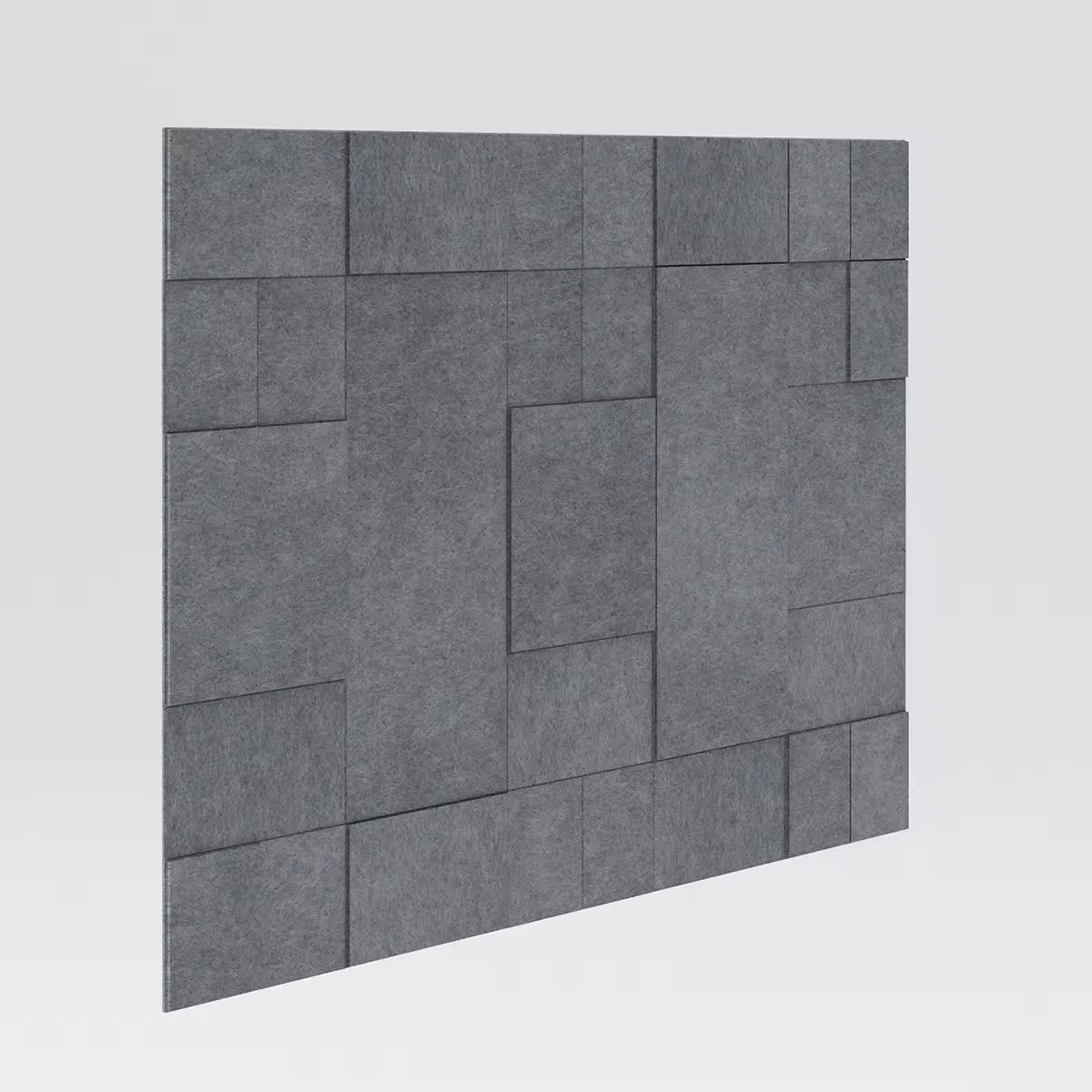
Figure 1: Illustration of PET fiber preparation for acoustic panel manufacturing.
Technical Specifications and Performance Metrics
Understanding the technical specifications of sound absorbing felt panels is crucial for effective acoustic design and material selection. Key performance indicators provide a quantitative basis for evaluating their suitability for specific applications.
Key Parameters:
- Noise Reduction Coefficient (NRC): This is a single-number rating representing the average sound absorption performance of a material. A higher NRC (e.g., 0.80 to 0.95 for 9mm to 12mm PET panels) indicates superior sound absorption across a range of frequencies (250 Hz to 4000 Hz).
- Material Composition: Typically 100% polyester fiber, predominantly recycled PET (at least 60% post-consumer recycled content).
- Density: Measured in kg/m³ or g/m², density directly correlates with acoustic performance and panel rigidity. High-density panels (e.g., 200-250 kg/m³ for 9mm) offer better low-frequency absorption.
- Thickness: Common thicknesses include 9mm and 12mm, with thicker panels generally providing enhanced absorption, particularly for lower frequencies.
- Fire Safety Rating: Critical for commercial and public spaces. Panels often comply with ASTM E84 Class A (Flame Spread Index ≤ 25, Smoke Developed Index ≤ 450) or EN 13501-1 Class B-s1, d0.
- Formaldehyde Emission: Adherence to standards like E0 or F4-star, ensuring minimal to no harmful VOC emissions.
- Thermal Resistance: While primarily acoustic, PET panels also offer some thermal insulation properties, contributing to energy efficiency.
Product Specification Table: High Density PET Acoustic Panel
| Parameter | Specification (9mm Panel) | Specification (12mm Panel) |
|---|---|---|
| Material Composition | 100% Polyester Fiber (Min 60% Recycled PET) | 100% Polyester Fiber (Min 60% Recycled PET) |
| Density | 200-250 kg/m³ (approx. 2400 g/m²) | 180-220 kg/m³ (approx. 2400 g/m²) |
| Nominal Thickness | 9 mm (0.35 inches) | 12 mm (0.47 inches) |
| Noise Reduction Coefficient (NRC) | 0.80 - 0.85 | 0.85 - 0.95 |
| Fire Safety Rating | ASTM E84 Class A (FSI ≤ 25, SDI ≤ 450); EN 13501-1 Class B-s1, d0 | ASTM E84 Class A (FSI ≤ 25, SDI ≤ 450); EN 13501-1 Class B-s1, d0 |
| Formaldehyde Emission | E0 / F4-star compliant | E0 / F4-star compliant |
| Panel Dimensions (Standard) | 1220 x 2440 mm (4ft x 8ft) | 1220 x 2440 mm (4ft x 8ft) |
| Edge Finish | Clean-cut, straight edges | Clean-cut, straight edges |
These specifications highlight the premium quality and performance capabilities of High Density PET Acoustic Panels, designed to meet stringent industry requirements.
Versatile Application Scenarios for Acoustic Panels
The adaptability and effectiveness of sound absorbing felt panels make them suitable for a diverse range of application scenarios across various sectors. Their ability to control reverberation, reduce background noise, and improve speech clarity is invaluable in environments where acoustic comfort is paramount.
Typical Application Environments:
- Commercial Offices & Workspaces: In open-plan offices, conference rooms, and collaboration zones, acoustic panels mitigate sound reflections, enhancing concentration and privacy for sensitive discussions. They are essential for achieving optimal speech intelligibility.
- Educational Facilities: Classrooms, lecture halls, libraries, and cafeterias benefit significantly from noise reduction. Improved acoustics lead to better learning outcomes, reduced teacher vocal strain, and a more focused environment for students.
- Healthcare Facilities: Hospitals, clinics, and waiting areas require quiet environments for patient recovery and privacy. Acoustic panels help reduce noise from foot traffic and conversations, contributing to a more tranquil healing space and supporting HIPAA compliance for patient confidentiality.
- Hospitality (Hotels, Restaurants, Cafes): Creating an inviting ambiance is key. Panels reduce distracting echoes and chatter, allowing patrons to converse comfortably and enjoy their experience without excessive noise.
- Recording Studios & Home Theaters: Critical listening environments demand precise sound control. Panels are used to tune room acoustics, absorbing unwanted reflections to achieve a clear, balanced sound.
- Public Spaces & Retail: Airports, shopping malls, and exhibition centers can be excessively noisy. Acoustic panels manage the soundscape, making these large venues more comfortable and navigable for visitors.
- Industrial Control Rooms: Even in heavy industries, precise acoustic control is vital for operator comfort, effective communication, and reducing fatigue in critical monitoring environments.
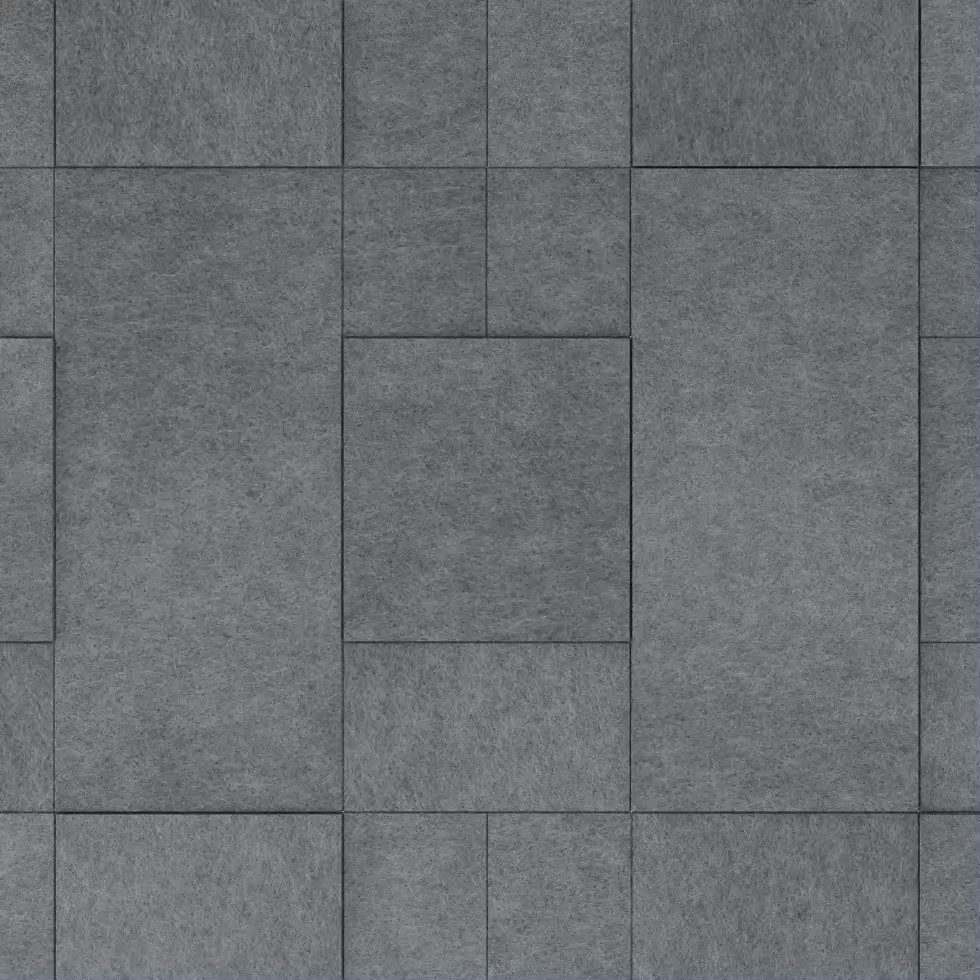
Figure 2: PET acoustic panels integrated into a modern office environment to enhance sound privacy.
The versatility extends to various installation methods, including wall-mounted panels, ceiling baffles, suspended clouds, and even custom-fabricated acoustic furniture elements, offering designers maximum flexibility.
Technical Advantages and Sustainable Benefits
High-density sound absorbing felt panels offer a compelling suite of technical and sustainable advantages that position them as a leading choice for contemporary acoustic design projects.
Core Advantages:
- Superior Acoustic Performance: With NRC values typically ranging from 0.80 to 0.95, these panels significantly reduce reverberation time, effectively absorbing sound energy across a broad frequency spectrum. This translates to improved speech intelligibility, reduced echo, and a more comfortable auditory environment.
- Environmental Sustainability: Manufactured predominantly from recycled PET bottles, these panels contribute to circular economy principles. They are 100% recyclable, non-toxic, non-allergenic, and low in volatile organic compounds (VOCs), supporting LEED certification and other green building standards.
- Durability and Longevity: The high-density, thermally bonded structure of PET felt makes these panels highly resistant to impact, tearing, and fading. Unlike some traditional acoustic materials, they do not sag, rot, or degrade over time, ensuring a long service life with minimal maintenance.
- Design Flexibility and Aesthetic Integration: Available in a vast palette of colors, various thicknesses, and customizable shapes, PET felt acoustic wall panel can be seamlessly integrated into any interior design scheme. They can serve as discreet acoustic treatments or prominent decorative elements, offering architects and designers unparalleled creative freedom, much like bespoke felt right wall panels.
- Fire Safety: Meeting stringent fire safety standards (e.g., ASTM E84 Class A), these panels provide peace of mind in commercial and public installations, contributing to safer building environments.
- Ease of Installation and Maintenance: Lightweight and easy to cut and install using standard tools and adhesives or mechanical fasteners, installation costs and time are significantly reduced. They are also easy to clean and maintain, resisting dust and moisture.
- Health and Well-being: Being formaldehyde-free, odorless, and non-irritating, they create healthier indoor air quality, which directly impacts the well-being and productivity of occupants.
These combined advantages make PET acoustic panels an intelligent investment for any project prioritizing both high-performance acoustics and sustainable design.
Vendor Comparison: Evaluating Acoustic Panel Suppliers
When sourcing sound absorbing felt panels, a thorough vendor comparison is essential to ensure quality, reliability, and value. Key differentiators extend beyond mere product specifications to encompass manufacturing capabilities, certifications, customization options, and after-sales support.
Critical Comparison Factors:
- Material Quality & Sourcing: Verify the percentage of recycled PET content and the quality of the fibers. Reputable vendors will provide transparent information on their sustainable sourcing practices.
- Certifications: Look for international certifications such as ISO 9001 (Quality Management), ISO 14001 (Environmental Management), ASTM C423 (NRC testing), ASTM E84 or EN 13501-1 (Fire Safety), and SGS/Oeko-Tex for environmental and health compliance. These provide independent verification of product claims.
- Manufacturing Expertise: Assess the vendor's experience and technological capabilities in PET panel production. Advanced manufacturing processes lead to greater consistency and higher product quality.
- Customization Options: A superior vendor offers extensive customization in terms of size, thickness, color, printing, and CNC cutting capabilities to meet bespoke design requirements for projects involving felt right wall panels or complex installations.
- Lead Times & Logistics: Evaluate the vendor's ability to meet project deadlines, their production capacity, and their logistical support for timely delivery.
- Technical Support & After-Sales Service: Access to expert technical advice, installation guidance, and responsive customer support is invaluable for project success.
- Pricing & Value: While cost is a factor, prioritize long-term value, which includes product performance, durability, environmental benefits, and comprehensive support, rather than just the lowest upfront price.
Product Comparison Table: PET Acoustic Panel vs. Other Solutions
| Feature/Metric | PET Acoustic Panel | Acoustic Foam Panels | Mineral Wool Panels |
|---|---|---|---|
| Primary Material | Recycled PET Fibers | Polyurethane Foam | Mineral Fibers (Rock/Slag) |
| NRC Range (Typical) | 0.80 - 0.95 | 0.60 - 0.80 | 0.90 - 1.00 (often faced) |
| Fire Safety Rating | ASTM E84 Class A | ASTM E84 Class B (can be Class A with additives) | ASTM E84 Class A |
| Environmental Impact | High (Recycled, Low VOC, Recyclable) | Medium (Petroleum-based, can be recycled) | Medium (Energy-intensive production, recyclable) |
| Aesthetics & Customization | Excellent (Colors, Shapes, Printing, Textures) | Good (Limited colors/shapes, often utilitarian) | Moderate (Often requires fabric facing for aesthetics) |
| Durability | High (Impact resistant, long-lasting) | Moderate (Can be fragile, degrades with UV) | High (Requires proper framing/facing) |
| Health & Safety | Non-toxic, low VOC, non-irritating | Can off-gas, some types require careful handling | Fibers can be irritating, often requires encapsulation |
This comparison highlights PET acoustic panels as a balanced solution offering superior aesthetics, environmental benefits, and competitive acoustic performance, often with better handling and health profiles compared to traditional alternatives.
Customized Acoustic Solutions
One of the most significant advantages of high-density PET sound absorbing felt panels is their unparalleled versatility in customization. This allows architects, interior designers, and project managers to create truly unique and effective acoustic solutions that are perfectly tailored to specific project requirements, both acoustically and aesthetically.
Areas of Customization:
- Dimensions and Thickness: While standard sizes exist, panels can be custom-cut to precise dimensions, allowing for seamless integration into unique wall configurations or complex ceiling designs. Different thicknesses (e.g., 9mm, 12mm, or even laminated panels for higher absorption) can be specified based on acoustic needs.
- Shapes and Patterns: Utilizing advanced CNC cutting technology, PET panels can be transformed into virtually any geometric shape, intricate patterns, or even three-dimensional forms. This opens possibilities for creating artistic installations, logos, or textured felt right wall panels that serve as both acoustic treatment and primary design features.
- Color Palette: Manufacturers offer an extensive range of colors, from subtle neutrals to vibrant hues. Custom color matching can also be achieved to align with specific brand guidelines or interior design schemes.
- Surface Finishes and Printing: The felt surface can be left plain, or custom printed with high-resolution graphics, images, or textures. This allows for branding opportunities, wayfinding, or the creation of unique visual statements. Embossing or debossing can also add tactile dimension.
- Integrated Lighting and Features: Panels can be designed with integrated LED lighting, cut-outs for speakers, or other architectural features, creating multifunctional acoustic elements.
- Installation Systems: Customization extends to various mounting options, including direct adhesive application, suspension systems for baffles and clouds, or modular framing systems for easy removal and re-installation.
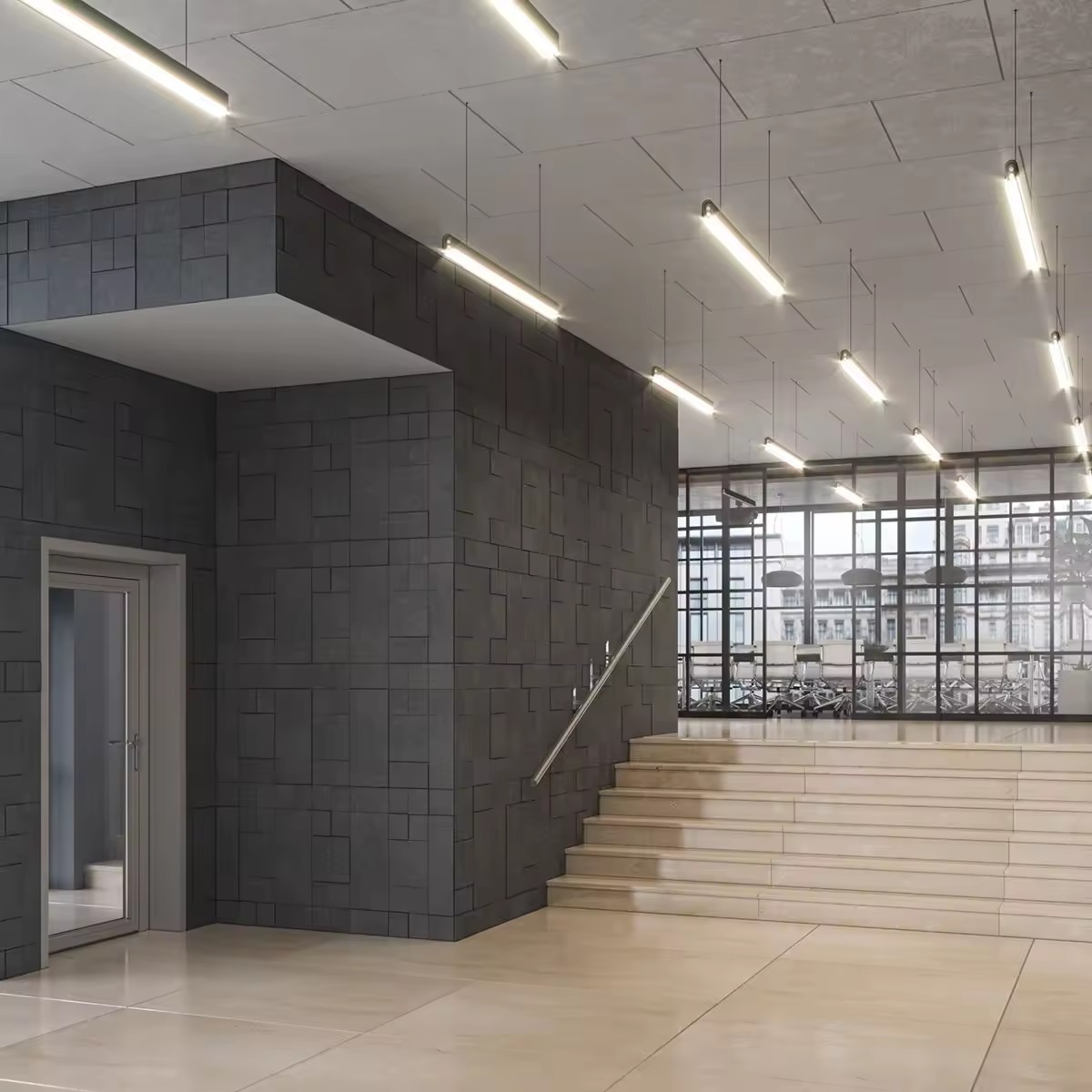
Figure 3: Custom-designed PET acoustic panels forming an abstract wall art installation.
This level of customization ensures that felt acoustic wall panel solutions are not merely functional but become integral, harmonious components of the overall architectural and interior design vision.
Application Case Studies and Testimonials
Real-world applications demonstrate the tangible benefits of installing high-density sound absorbing felt panels. These case studies highlight their effectiveness in solving complex acoustic challenges across various sectors.
Case Study 1: Corporate Headquarters – Open-Plan Office
A major tech firm struggled with excessive noise and lack of speech privacy in its open-plan corporate headquarters, leading to decreased employee productivity and satisfaction. Solution involved installing 9mm and 12mm PET acoustic panels as wall coverings and suspended ceiling baffles throughout the workspace. The panels, featuring custom-cut geometric patterns and a neutral color palette, were strategically placed to target key areas of sound reflection.
Results: Post-installation acoustic measurements showed a 45% reduction in reverberation time (RT60) and a significant improvement in Speech Privacy Index (SPI). Employee surveys reported a 60% increase in perceived acoustic comfort and a noticeable improvement in focus and communication. The panels also contributed to the office's LEED Gold certification.
Case Study 2: University Lecture Hall – Enhanced Learning Environment
A large university lecture hall suffered from poor acoustics, with excessive echo making it difficult for students to clearly hear lecturers, especially those seated further back. The challenge was to improve sound clarity without undertaking a costly structural renovation. The solution involved applying custom-sized 12mm PET acoustic wall panels along the side walls and the rear wall of the lecture hall, chosen for their high NRC and fire rating. The panels were installed using a combination of direct adhesive and discreet mechanical fasteners.
Results: The installation resulted in a dramatic improvement in speech intelligibility, with the hall's RT60 reduced from an average of 2.2 seconds to 0.9 seconds. Feedback from both faculty and students was overwhelmingly positive, noting a significantly clearer listening experience and a more engaging learning environment. The panels also added a modern, sophisticated aesthetic to the lecture hall.
Client Testimonial:
"Implementing the PET acoustic panels from YTAKU Panel transformed our noisy open office into a calm, productive workspace. The difference in sound quality is remarkable, and the aesthetic integration is flawless. We are thoroughly impressed with both the product performance and the professional support received. It's a game-changer for modern office acoustics." – Sarah Chen, Facilities Manager, Global Innovate Solutions.
Trustworthiness, Support & FAQs
Establishing trust is paramount in B2B relationships. Our commitment to quality, transparency, and comprehensive customer support underpins every aspect of our operations, ensuring clients receive reliable products and exceptional service for their sound absorbing felt panels needs.
Our Commitment to Trust:
- Certifications & Compliance: Our products are rigorously tested and certified by independent bodies, adhering to international standards such as ISO 9001 (Quality Management), ISO 14001 (Environmental Management), ASTM C423 (Acoustic Performance), ASTM E84 (Fire Safety), and SGS for environmental and health attributes. We proudly maintain a 15-year track record in the acoustic panel industry, serving a global clientele.
- Lead Time & Fulfillment: Standard lead times for High Density PET Acoustic Panels typically range from 7-14 business days for production, depending on order volume and customization requirements. Expedited options are available upon request. We work with trusted logistics partners to ensure efficient and secure global delivery. Detailed fulfillment tracking is provided for all orders.
- Warranty: We offer a comprehensive 5-year limited warranty against manufacturing defects and significant material degradation under normal usage conditions. This warranty reflects our confidence in the durability and quality of our products. Full warranty details are available upon request.
- Customer Support: Our dedicated team of acoustic specialists and customer service representatives is available Monday to Friday, 9:00 AM to 5:00 PM (GMT+8). We provide expert technical consultation, project planning assistance, installation guidance, and responsive after-sales support via phone, email, and live chat.
Frequently Asked Questions (FAQs):
- Q: Are PET acoustic panels truly environmentally friendly?
- A: Yes, our High Density PET Acoustic Panels are made from a minimum of 60% post-consumer recycled plastic bottles. They are 100% recyclable, non-toxic, low VOC, and contribute to LEED certification, making them an excellent sustainable choice.
- Q: How do I determine the right quantity of panels for my space?
- A: The ideal quantity depends on room size, existing materials, and desired acoustic goals. We recommend consulting with our acoustic specialists who can perform calculations based on your space's RT60 (reverberation time) and provide tailored recommendations.
- Q: Can these panels be painted or re-finished?
- A: While the panels come in a wide range of colors and can be custom-printed, we generally do not recommend painting them as it can affect their acoustic performance. For specific aesthetic needs, consider our custom printing or a wider selection of colors.
- Q: What is the best way to clean PET acoustic panels?
- A: Panels can be gently vacuumed or wiped with a damp cloth and mild detergent. Avoid harsh chemicals or excessive scrubbing to preserve the material's integrity and aesthetic.
- Q: Are these panels suitable for outdoor use?
- A: While PET is naturally durable, these panels are primarily designed for indoor use. Prolonged exposure to harsh weather elements (UV, extreme moisture) is not recommended unless specifically treated for outdoor applications.
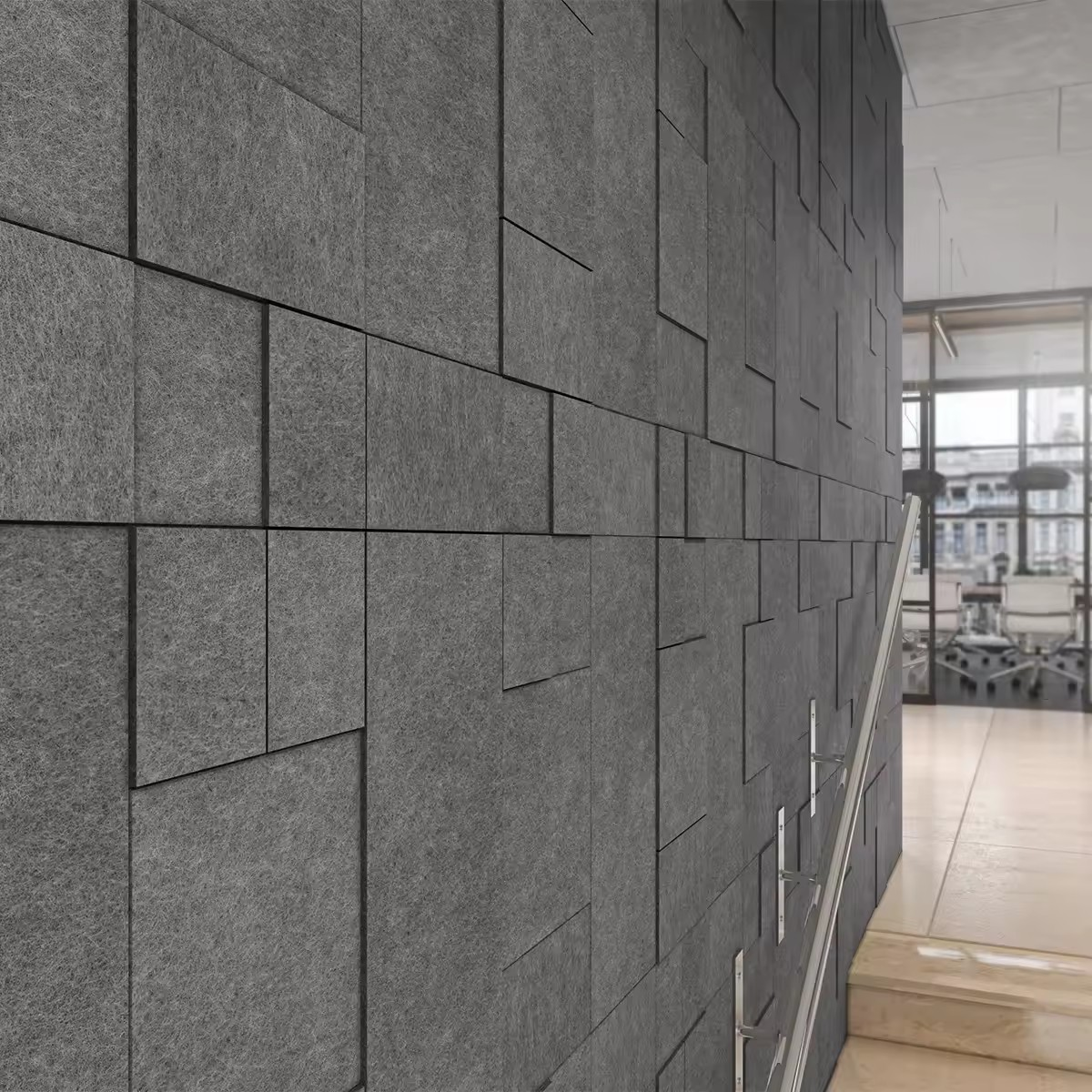
Figure 4: A diverse palette of PET acoustic panel colors and shapes for customizable designs.
Conclusion: The Future of Acoustic Environments
The evolution of sound absorbing felt panels, particularly those manufactured from high-density PET, marks a significant advancement in acoustic design. These panels transcend mere noise reduction, offering a holistic solution that combines superior sound absorption with environmental responsibility, aesthetic flexibility, and robust durability. As modern architectural and interior design increasingly prioritizes occupant well-being and sustainable practices, materials that deliver on multiple fronts become indispensable.
For B2B decision-makers, architects, and designers, investing in high-quality PET acoustic panels means creating spaces that are not only acoustically optimized but also visually compelling, environmentally conscious, and conducive to productivity and comfort. The continuous innovation in manufacturing processes and customization options ensures that these panels will remain at the forefront of creating intelligent, inspiring, and acoustically balanced environments for years to come.
References
- American Society for Testing and Materials. ASTM C423: Standard Test Method for Sound Absorption and Sound Absorption Coefficients by the Reverberation Room Method.
- American Society for Testing and Materials. ASTM E84: Standard Test Method for Surface Burning Characteristics of Building Materials.
- European Committee for Standardization. EN 13501-1: Fire classification of construction products and building elements - Part 1: Classification using data from reaction to fire tests.
- International Organization for Standardization. ISO 9001: Quality management systems – Requirements.
- World Green Building Council. (2020). Health, Wellbeing & Productivity in Offices: The Next Chapter.
-
Ultimate Guide to Durable and Stylish pvc wood effect claddingNewsApr.16,2026
-
Ultimate Guide to Durable and Stylish PVC Wood CladdingNewsApr.09,2026
-
Discover the Beauty and Durability of PVC Wall Panels Wood Effect SolutionsNewsApr.07,2026
-
Enhance Your Space with Durable PVC Wall Panels Wood SolutionsNewsApr.04,2026
-
Explore the Beauty and Benefits of Pine Wood Wall Panelling for Your HomeNewsMar.31,2026
-
Enhance Your Interiors with the Natural Beauty of Pine Wood Wall CladdingNewsMar.28,2026
 Afrikaans
 Albanian
 Amharic
 Arabic
 Armenian
 Azerbaijani
 Basque
 Belarusian
 Bengali
 Bosnian
 Bulgarian
 Catalan
 Cebuano
 Corsican
 Croatian
 Czech
Czech
 Danish
 Dutch
Dutch
 Esperanto
 Estonian
 Finnish
 French
 Frisian
 Galician
 Georgian
 German
 Greek
Greek
 Gujarati
 Haitian Creole
 Hausa
Hausa
 Hawaiian
 Hebrew
 Hindi
Hindi
 Miao
Miao
 Hungarian
 Icelandic
 Igbo
Igbo
 Indonesian
 Irish
Irish
 Italian
 Japanese
 Javanese
 Kannada
 Kazakh
 Khmer
Khmer
 Rwandese
 Korean
 Kurdish
 Kyrgyz
 Lao
Lao
 Latin
Latin
 Latvian
 Lithuanian
 Luxembourgish
 Macedonian
 Malgashi
 Malay
Malay
 Malayalam
 Maltese
 Maori
Maori
 Marathi
 Mongolian
 Myanmar
 Nepali
 Norwegian
 Norwegian
 Occitan
 Pashto
 Persian
 Polish
 Portuguese
 Punjabi
 Romanian
 Russian
 Samoan
 Scottish Gaelic
 Serbian
 Sesotho
 Shona
Shona
 Sindhi
 Sinhala
 Slovak
 Slovenian
 Somali
 Spanish
 Sundanese
 Swahili
 Swedish
 Tagalog
 Tajik
Tajik
 Tamil
Tamil
 Tatar
Tatar
 Telugu
 Thai
Thai
 Turkish
 Turkmen
 Ukrainian
 Urdu
Urdu
 Uighur
 Uzbek
Uzbek
 Vietnamese
 Welsh
Welsh
 Bantu
Bantu
 Yiddish
 Yoruba
 Zulu
Zulu
 English


